
 By Gilang Cahya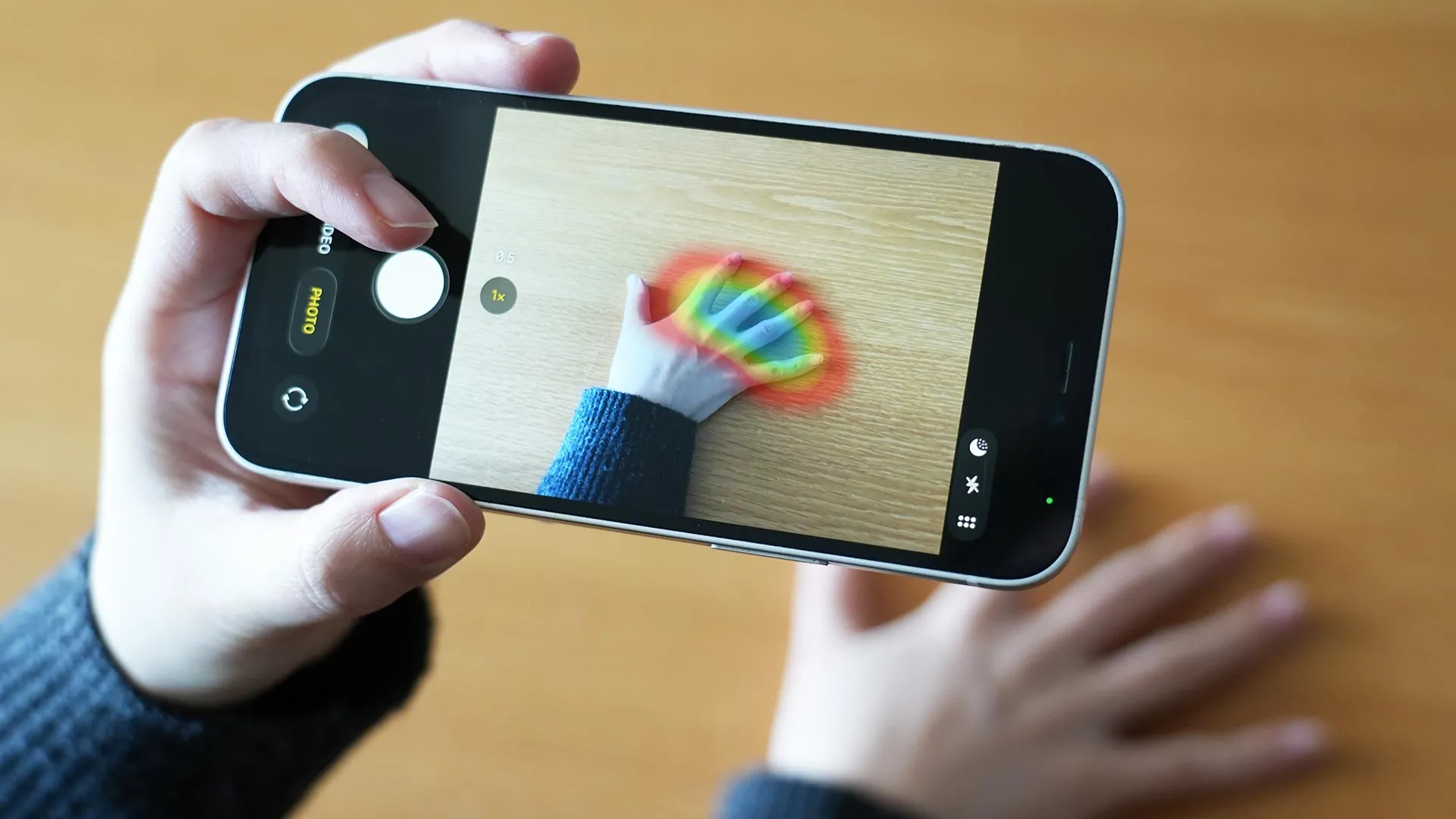
Kobe University has unveiled an innovative artificial intelligence system poised to revolutionize the early detection of acromegaly, a rare endocrine disorder, by analyzing photographs of the back of the hand and a clenched fist. This novel approach bypasses the need for facial images, a significant advancement in safeguarding patient privacy while maintaining exceptional diagnostic accuracy. The technology holds immense potential to expedite specialist referrals, improve access to crucial healthcare, particularly in underserved regions, and set a new precedent for privacy-conscious medical AI development.
The Silent Progression of Acromegaly
Acromegaly, a condition typically manifesting in middle age, arises from the overproduction of growth hormone by the pituitary gland. This hormonal imbalance triggers a cascade of physical changes, including the characteristic enlargement of hands and feet, alterations in facial features, and abnormal growth of bones and internal organs. The gradual nature of its onset, often spanning many years, renders early recognition a formidable challenge for medical professionals. Without timely intervention, acromegaly can lead to severe, life-altering health complications, including cardiovascular disease, diabetes, and certain types of cancer, significantly reducing life expectancy by an average of ten years.
Dr. Hidenori Fukuoka, an endocrinologist at Kobe University and lead researcher on the project, highlighted the diagnostic hurdle: "Because the condition progresses so slowly, and because it is a rare disease, it is not uncommon to take up to a decade for it to be diagnosed. This protracted diagnostic odyssey can have profound consequences for patient health and well-being." The urgency for more efficient diagnostic tools has been a long-standing concern within the medical community. Previous attempts to leverage AI for early detection have encountered obstacles, primarily due to privacy concerns associated with the reliance on facial imagery.
A Privacy-Centric Design: Shifting Focus to the Hands
The Kobe University research team embarked on their project with a clear objective: to develop an AI diagnostic tool that prioritized patient privacy. Their review of existing AI studies revealed a prevailing reliance on facial photographs for disease identification. However, the inherent privacy risks associated with facial recognition technologies prompted the researchers to explore alternative diagnostic markers.
Yuka Ohmachi, a graduate student at Kobe University and a key contributor to the study, explained the strategic shift: "Trying to address this concern, we decided to focus on the hands, a body part we routinely examine alongside the face in clinical practice for diagnostic purposes, particularly because acromegaly often manifests changes in the hands." The hands, often overlooked as a primary diagnostic feature in AI applications, presented a compelling alternative due to their susceptibility to the physical manifestations of acromegaly, such as enlarged fingers and coarsening of skin texture.
To further fortify privacy protections and encourage broader participation, the researchers meticulously defined the scope of their image collection. They deliberately limited their dataset to photographs of the back of the hand and a clenched fist. This deliberate exclusion of palm images was crucial, as palm line patterns are highly individualistic and could potentially reveal a person’s identity, thereby compromising privacy. This thoughtful approach facilitated the recruitment of a substantial and diverse cohort. The study successfully amassed over 11,000 images from 725 patients across 15 medical institutions throughout Japan. This extensive dataset was instrumental in training and rigorously testing the AI model, ensuring its robustness and generalizability.
AI Surpasses Human Expertise in Initial Trials
The findings of this pioneering research were recently published in the esteemed Journal of Clinical Endocrinology & Metabolism, a leading publication in the field. The AI model demonstrated remarkable proficiency in identifying acromegaly from the hand images, achieving exceptionally high levels of sensitivity and specificity. Sensitivity, in this context, refers to the AI’s ability to correctly identify individuals who have the disease, while specificity measures its capacity to correctly identify those who do not.
In a striking testament to its efficacy, the AI system outperformed experienced endocrinologists when tasked with evaluating the same set of hand photographs. This comparative analysis underscored the AI’s potential as a powerful diagnostic aid. Ohmachi expressed her astonishment at the results: "Frankly, I was surprised that the diagnostic accuracy reached such a high level using only photographs of the back of the hand and the clenched fist. What struck me as particularly significant was achieving this level of performance without facial features, which makes this approach a great deal more practical for disease screening." The ability of the AI to achieve such high accuracy without relying on facial cues represents a significant breakthrough, addressing a critical barrier to the widespread adoption of AI in clinical diagnostics.
Expanding the Horizon of Medical AI
The success of this acromegaly detection system has opened exciting avenues for future research and development. The Kobe University team is now focused on adapting their AI framework to identify a spectrum of other medical conditions that exhibit visible changes in the hands. Potential future applications include the early detection of rheumatoid arthritis, which can cause characteristic joint deformities; anemia, which can manifest as paleness in the nail beds; and finger clubbing, a sign often associated with chronic lung or heart disease.
Ohmachi articulated the broader vision: "This result could be the entry point for expanding the potential of medical AI." The adaptability of their hand-imaging AI model suggests a scalable solution for diagnosing a range of conditions, potentially transforming how these diseases are identified and managed. This expansion aligns with the growing trend of utilizing AI to augment diagnostic capabilities across various medical specialties.
Empowering Clinicians and Bridging Healthcare Gaps
While the AI tool demonstrates impressive diagnostic capabilities, the Kobe University researchers emphasize that it is designed to complement, rather than replace, human clinical expertise. In real-world medical practice, a comprehensive diagnosis relies on a multitude of factors, including a patient’s medical history, laboratory test results, and thorough physical examinations. The AI system is envisioned as a valuable adjunct to these established diagnostic methods.
In their study, the researchers describe the technology as a means to "complement clinical expertise, reduce diagnostic oversight and enable earlier intervention." This collaborative approach acknowledges the irreplaceable value of a physician’s judgment and experience while leveraging AI to enhance efficiency and accuracy.
Dr. Fukuoka elaborated on the broader implications for healthcare delivery: "We believe that, by further developing this technology, it could lead to creating a medical infrastructure during comprehensive health check-ups to connect suspected cases of hand-related disorders to specialists. Furthermore, it could support non-specialist physicians in regional healthcare settings, thus contributing to a reduction of healthcare disparities there."
The potential impact on healthcare disparities is particularly significant. In remote or underserved areas, access to specialist physicians can be limited. This AI tool could empower general practitioners and primary care physicians with an initial screening capability, allowing them to identify potential cases of acromegaly and other hand-related conditions more readily. This early identification can then facilitate timely referrals to specialists, ensuring that patients receive the appropriate care without undue delay. This could prove transformative in regions where travel to specialized medical centers is arduous and expensive.
The research was made possible through the generous funding provided by the Hyogo Foundation for Science Technology. The collaborative nature of the project was further underscored by the involvement of researchers from a multitude of esteemed institutions, including Fukuoka University, Hyogo Medical University, Nagoya University, Hiroshima University, Toranomon Hospital, Nippon Medical School, Kagoshima University, Tottori University, Yamagata University, Okayama University, Hyogo Prefectural Kakogawa Medical Center, Hokkaido University, International University of Health and Welfare, Moriyama Memorial Hospital, and Konan Women’s University. This multi-institutional collaboration highlights the collective effort and shared commitment to advancing medical AI for the benefit of patients worldwide. The successful development and publication of these findings mark a significant milestone in the ongoing evolution of artificial intelligence in healthcare, promising a future where early, accurate, and privacy-preserving diagnoses are more accessible to all.
