
 By Gabriel Paijo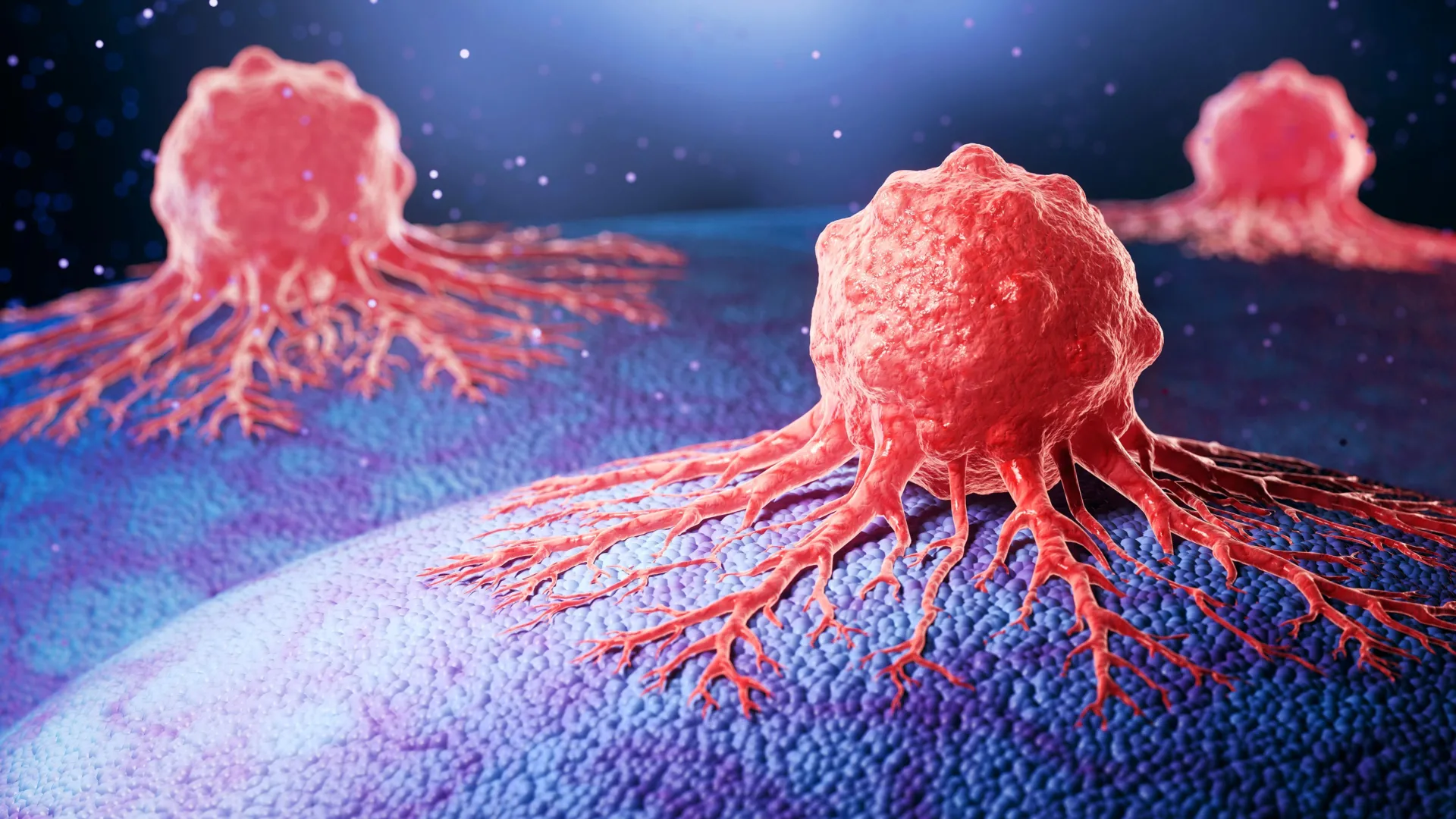
A landmark study conducted by Brazilian researchers and published in the international journal Molecular and Cellular Endocrinology has provided a comprehensive look into the biological mechanisms that allow pancreatic cancer to spread aggressively during its earliest stages. The research, which utilized sophisticated genomic analysis and cellular mapping, identifies a specific protein called periostin and its interaction with pancreatic stellate cells as the primary drivers behind perineural invasion—a process where cancer cells infiltrate nearby nerves. This discovery not only explains the high degree of pain and rapid metastasis associated with the disease but also opens new doors for targeted therapies that could potentially halt the progression of one of the world’s deadliest malignancies.
The study was spearheaded by the Center for Research on Inflammatory Diseases (CRID), a Research, Innovation, and Dissemination Center (RIDC) funded by the São Paulo Research Foundation (FAPESP). Led by researcher Carlos Alberto de Carvalho Fraga and principal investigator Helder Nakaya, a senior researcher at Hospital Israelita Albert Einstein and professor at the University of São Paulo, the team sought to understand why pancreatic adenocarcinoma—the most common form of the disease—is so resistant to conventional treatments. Their findings suggest that the tumor does not act in isolation; rather, it "reprograms" the surrounding healthy tissue, turning it into a supportive environment that facilitates the invasion of the nervous system.
The Biological Architecture of Invasion
At the heart of the study’s findings is the concept of the tumor microenvironment. Unlike many other cancers that consist primarily of malignant cells, pancreatic tumors are characterized by a dense, complex stroma—a supportive framework of connective tissue. The researchers discovered that pancreatic stellate cells, which are typically dormant in a healthy pancreas, become "activated" in the presence of a tumor. Once activated, these cells begin to produce excessive amounts of periostin, a protein involved in the remodeling of the extracellular matrix (ECM).
The extracellular matrix acts as the structural "scaffold" for organs and tissues. In a healthy state, it maintains the organization of cells. However, the study reveals that periostin-driven remodeling essentially "paves a road" through the tissue. By breaking down natural barriers and creating new pathways, the protein allows cancer cells to migrate toward and eventually wrap around nearby nerves. This process, known as perineural invasion (PNI), is a hallmark of pancreatic cancer aggressiveness. Because the nervous system is an interconnected network that spans the entire body, once cancer cells access these neural pathways, they gain a high-speed conduit to other organs, significantly increasing the risk of metastasis.
Statistical Context: A Global and National Crisis
The urgency of this research is underscored by the sobering statistics surrounding pancreatic cancer. According to global health data, approximately 510,000 new cases of pancreatic cancer are diagnosed annually, with a mortality rate that nearly mirrors the incidence rate. It remains one of the few major cancers where the five-year survival rate stays stubbornly low, hovering around 10% for most populations.
In Brazil, the National Cancer Institute (INCA) estimates that the disease accounts for approximately 11,000 new diagnoses and 13,000 deaths each year. The discrepancy between cases and deaths often stems from late-stage diagnosis and the rapid progression of the disease. "It is an aggressive cancer that is extremely difficult to treat," noted Dr. Pedro Luiz Serrano Uson Junior, an oncologist and co-author of the study. He emphasized that by the time many patients present with symptoms, the cancer has already utilized the neural pathways identified in the study to spread beyond the reach of localized surgery.
The study highlights that more than 50% of pancreatic cancer patients already exhibit signs of perineural invasion at the time of their initial diagnosis. However, because this invasion occurs at a microscopic level, it is often only detected during post-operative biopsies of surgical specimens. This "hidden" spread is a primary reason why many patients experience a recurrence of the disease even after a seemingly successful surgical removal of the primary tumor.
The Desmoplastic Reaction: A Physical Barrier to Healing
One of the most significant challenges in treating pancreatic cancer is the "desmoplastic reaction," a phenomenon the Brazilian study explored in depth. As the tumor and stellate cells produce periostin and other proteins, they create a thick, fibrous, and scar-like tissue around the malignancy. This dense environment does more than just help the cancer spread; it creates a physical fortress that protects the tumor from the patient’s own immune system and medical interventions.
The researchers found that this hardened stroma increases the internal pressure within the tumor, effectively collapsing nearby blood vessels. As a result, chemotherapy drugs delivered through the bloodstream cannot penetrate the tumor mass in effective concentrations. Similarly, immunotherapy—which relies on immune cells reaching the cancer—is often rendered useless because the T-cells are physically blocked by the fibrous wall. By identifying periostin as a key player in building this "fortress," the research provides a clear target for drugs that could potentially "soften" the tumor, making it more susceptible to existing treatments.
Methodology: Leveraging Big Data and Single-Cell Resolution
The breakthrough was made possible through the use of cutting-edge bioinformatics and "single-cell RNA sequencing." The team analyzed 24 individual pancreatic cancer samples, but they did not stop at their own data. They integrated their findings with massive public databases, allowing them to observe the activity of thousands of genes across various cell types with unprecedented resolution.
"We were able to ask and answer new questions that the original authors of the public data hadn’t considered," said Helder Nakaya. By mapping the exact location of gene expression within the tumor tissue, the team could see the "conversation" happening between the cancer cells and the stellate cells. They observed that the closer a stellate cell was to a nerve, the higher its production of periostin. This spatial mapping confirmed that the protein was not just a byproduct of the cancer but a localized tool used specifically to facilitate nerve invasion.
Future Implications and the Shift Toward Precision Medicine
The discovery of periostin’s role has immediate implications for the future of oncology. Because antibodies designed to block periostin are already being investigated in clinical trials for other conditions—including certain types of breast and intestinal cancers—the path to a clinical application for pancreatic cancer may be shorter than usual.
Dr. Uson and the research team advocate for a shift toward precision medicine, where treatments are tailored to the molecular profile of a patient’s specific tumor rather than a "one-size-fits-all" approach based on the organ of origin. "If we can develop antibodies or drugs that block these stellate cells or the periostin they produce, we will have the tools to prevent the tumor from acquiring this invasive capacity so early," Uson explained.
Furthermore, the study suggests that targeting the stroma could have a "force multiplier" effect. By inhibiting the desmoplastic reaction, doctors could potentially reopen the door for chemotherapy and immunotherapy, turning a previously resistant tumor into a treatable one. This dual-action approach—preventing spread via nerves while simultaneously increasing drug penetration—represents a significant shift in the strategic fight against pancreatic adenocarcinoma.
A New Frontier in Cancer Research
The Brazilian study adds a vital piece to the global puzzle of cancer biology. It moves the focus away from the cancer cell alone and toward the "ecosystem" of the tumor. By proving that healthy cells can be coerced into aiding a malignancy, the research highlights the importance of multi-target therapies.
As the scientific community moves forward, the next step for the CRID and USP researchers involves laboratory testing to see if silencing the periostin gene can successfully prevent PNI in vivo. If successful, these trials could lead to a new generation of "anti-invasive" drugs that act as a preventive measure for patients at high risk of metastasis.
In a field where progress is often measured in small increments, the identification of a specific pathway for nerve invasion offers a clear and actionable roadmap. For the hundreds of thousands of patients diagnosed with pancreatic cancer each year, the shift from treating the tumor as an isolated mass to treating it as a complex, communicative system offers the first real hope for significantly improving long-term survival outcomes. The work of the Brazilian team serves as a testament to the power of integrating clinical oncology with advanced bioinformatics, paving the way for a future where pancreatic cancer is no longer a near-certain death sentence, but a manageable condition through the precision of molecular science.
