
 By Budi Oetomo Narendra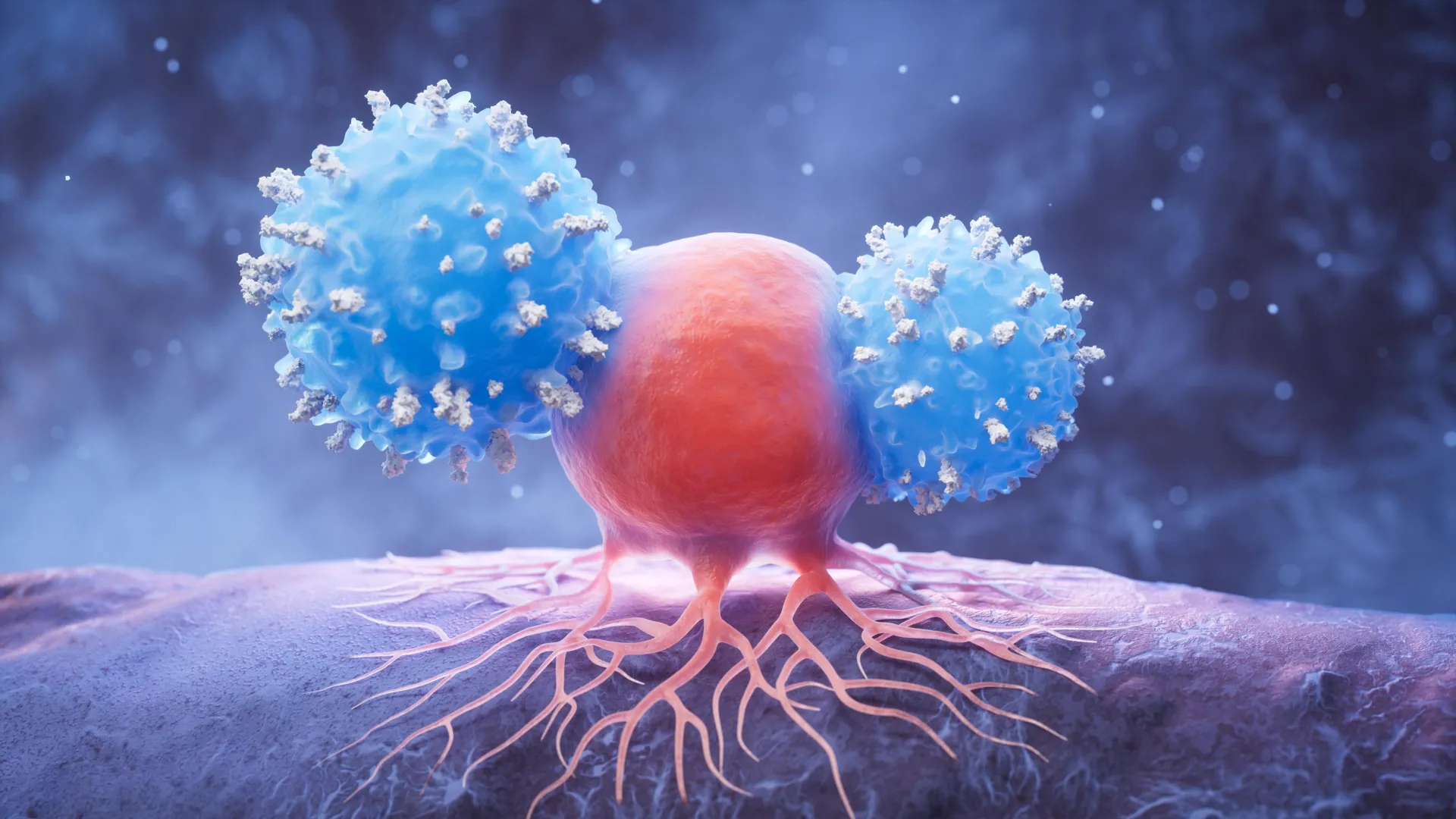
People who live to exceptionally old ages, particularly those reaching the rare status of supercentenarians, appear to retain an immune system capable of sophisticated adaptation to new and persistent threats, rather than simply declining with age. New research, published on August 19 in the Cell Press journal Cell Reports, reveals that supercentenarians—individuals aged 110 or older—harbor unusually elevated levels of a distinct type of immune cell known as CD4 cytotoxic T lymphocytes (CD4 CTLs). These findings challenge conventional understandings of immune system aging, suggesting that adaptive immune responses may be crucial for achieving extreme longevity.
The Paradox of Immune Resilience in Extreme Old Age
For decades, the prevailing view in immunology has been that the immune system undergoes a gradual but inexorable decline with age, a process termed immunosenescence. This decline typically manifests as reduced effectiveness in combating infections, poorer responses to vaccinations, and an increased susceptibility to chronic inflammatory conditions and cancers. Key hallmarks of immunosenescence include thymic involution (shrinkage of the thymus gland, where T cells mature), a reduction in the output of new, "naïve" T cells, and an accumulation of less effective, terminally differentiated memory T cells.
However, the recent study led by researchers from the University of Osaka in Japan presents a compelling counter-narrative, particularly in the context of extreme longevity. "Immune aging is not simply a process of decline," says first author Kosuke Hashimoto, an associate professor at the University of Osaka. "The selective expansion of certain T cells suggests that, even in extreme old age, the immune system may continue to adapt to age-related challenges." This statement underscores a significant paradigm shift, positing that a highly functional, adaptive immune system might not just be a consequence of healthy aging, but an active contributor to it.
CD4 CTLs: A Specialized Army of Immune Defenders
To understand the significance of CD4 CTLs, it is important to briefly outline the roles of T lymphocytes in the adaptive immune system. T cells are a critical component of cellular immunity, responsible for recognizing and eliminating specific pathogens and abnormal cells. They are broadly categorized into CD4+ "helper" T cells and CD8+ "cytotoxic" T cells. CD4+ helper T cells primarily coordinate immune responses by secreting cytokines that activate other immune cells, while CD8+ cytotoxic T cells are the "killer cells" directly responsible for destroying infected or cancerous cells.
CD4 CTLs are an atypical subset of CD4+ T cells that possess cytotoxic capabilities, traditionally associated with CD8+ T cells. This dual functionality makes them particularly intriguing. They have previously been demonstrated to effectively kill tumor cells in certain cancers, indicating a potent anti-cancer surveillance role. Furthermore, during an illness or infection, these cells can undergo rapid proliferation through a process called clonal expansion, generating a large army of identical cells specifically tailored to combat the identified threat. The presence and proliferation of these specialized cells in supercentenarians suggest a highly efficient and persistent immune surveillance mechanism.
Empirical Evidence: Killer T Cells Increase Dramatically with Age
The Osaka University team meticulously examined blood samples from 28 adults, strategically categorized into three distinct age groups to capture the spectrum of aging: a younger elderly group (70-99 years), centenarians (100-109 years), and supercentenarians (110 years and older). This stratified approach allowed researchers to observe trends in immune cell populations across various stages of advanced age.
The findings provided compelling quantitative evidence for the unique immune profile of the exceptionally long-lived. The median proportion of CD4 CTLs showed a striking and progressive increase across these age cohorts. In the youngest group (70-99 years), CD4 CTLs constituted approximately 4% of the total T cell population. This proportion more than doubled to 9.6% among centenarians aged 100 to 109. Most remarkably, in the supercentenarian group (110 years and older), the median proportion of CD4 CTLs surged to an impressive 17.6%. This nearly five-fold increase from the youngest group to the oldest underscores the emergence of CD4 CTLs as a distinctive cellular feature of supercentenarians.
Hashimoto highlighted the unusual nature of this observation: "CD4 CTLs are an atypical and relatively rare T cell population. So, their marked increase in supercentenarians may provide important clues as to how the immune system is maintained in extreme old age." The study also noted that while the expansion of these cells appeared to accelerate around the age of 100, the pattern was not exclusively limited to centenarians or supercentenarians. Intriguingly, one participant younger than 100 years old actually exhibited the highest proportion of CD4 CTLs observed in the entire study, suggesting that this immune characteristic, while more common in the extremely old, might also be a pre-existing factor contributing to longevity potential in some individuals.
Clonal Expansion: A Response to Persistent Immune Challenges
To delve deeper into why these specialized cells become so abundant in the exceptionally long-lived, the researchers scrutinized the T cell receptors (TCRs) of the participants. T cell receptors are unique proteins on the surface of T cells that recognize specific antigens, effectively acting as the cell’s "eyes" to detect threats. The analysis of these receptors provided crucial insights, strongly indicating that clonal expansion—the rapid proliferation of a single T cell clone in response to a specific antigen—plays a pivotal role in the observed increase of CD4 CTLs.
The study revealed significant clonal expansion within the CD4 CTL population. Among the participants, the largest individual clone represented an average of 33.3% of all CD4 CTLs. This substantial concentration suggests that these older adults are not merely maintaining a baseline immune system, but are actively mounting sustained and robust responses to ongoing immune challenges. Even more dramatically, in one particular centenarian’s blood sample, a single clone accounted for an astonishing 53.8% of all CD4 CTLs. Such a dominant clonal presence is indicative of a highly focused and prolonged immune response to a specific, persistent antigen or threat that the individual has encountered throughout their life.
This phenomenon challenges the notion that the immune system simply "wears out" with age. Instead, it points to a dynamic process where specific, effective immune cells are not only maintained but actively amplified to address chronic or recurrent threats. This could involve anything from persistent low-grade infections to the continuous surveillance and elimination of abnormal cells that arise as part of the aging process.
The Intriguing Link to Cancer Surveillance
One of the most compelling aspects of the research lies in the potential connection between these expanded CD4 CTL clones and cancer surveillance. The researchers took the innovative step of comparing the receptor sequences from each participant’s dominant CD4 CTL clones with sequences stored in a vast public database of known T cell receptor specificities. This database contains information about T cell receptors that have been identified in various disease contexts.
Remarkably, nearly three dozen matches were found with receptor sequences previously identified in individuals diagnosed with cancer, specifically lung, breast, and liver cancers. This discovery raises a profound question: are these CD4 CTLs in supercentenarians actively patrolling and eliminating nascent cancer cells before they can develop into full-blown malignancies?
Crucially, none of the centenarians or supercentenarians included in the study had been diagnosed with these specific cancers. This absence of clinical cancer in individuals with cancer-associated CD4 CTL clones lends strong support to the hypothesis that the expansion of these immune cells could reflect early, effective responses to abnormal or potentially cancer-related cellular targets. "Some CD4 CTLs may recognize cancer-related targets, although their exact targets remain unknown," Hashimoto states, emphasizing the ongoing mystery but also the significant potential of this line of inquiry. This suggests a powerful, intrinsic cancer-protective mechanism that may contribute to the exceptional healthspan often observed in individuals achieving extreme longevity.
Broader Implications for Immunosenescence and Healthy Aging
The findings from the University of Osaka study have far-reaching implications for our understanding of immunosenescence and the pursuit of healthy aging. Traditionally, immunosenescence has been viewed as a largely detrimental process, characterized by a decline in both innate and adaptive immunity. This research, however, introduces a nuanced perspective: while some immune functions may wane, specific, highly adaptive components of the immune system can not only be preserved but may even be selectively enhanced in individuals who achieve exceptional longevity.
This adaptive capacity suggests that healthy aging is not merely about slowing down decline, but potentially about maintaining or even enhancing specific protective mechanisms. Dr. Eleanor Vance, a leading gerontology expert not affiliated with the study, commented on the findings, stating, "This research offers a tantalizing glimpse into how the body’s defenses might actually strengthen in certain aspects to meet the unique challenges of extreme old age. It pushes us to rethink immunosenescence not as a uniform decay, but as a complex process of selective adaptation." Such perspectives highlight the importance of investigating the specific mechanisms of resilience rather than solely focusing on general markers of decline.
Future Directions and Therapeutic Potential
While the study provides compelling correlational evidence, it is crucial to acknowledge its limitations. The findings do not definitively establish that high levels of CD4 CTLs directly protect against cancer or are the sole cause of exceptional longevity. The research primarily examined T cells circulating in the blood, and the precise activities of these cells in various human tissues and organs remain to be fully elucidated. The dynamic interplay of these cells within the complex tissue microenvironments, particularly in sites where age-related pathologies or nascent cancers might arise, is a critical area for future investigation.
Hashimoto himself emphasized the next logical step: "As we age, abnormal cells, including senescent and cancerous cells, become more common. Our findings suggest that immune adaptation to these changes may contribute to exceptional longevity." Therefore, the immediate future of this research will focus on investigating how CD4 CTLs behave inside human tissues, moving beyond the blood to understand their functional roles in situ. This will involve advanced imaging techniques, single-cell analyses, and potentially the development of in vitro and in vivo models to observe their activity.
The therapeutic potential of these discoveries is immense. If CD4 CTLs are indeed crucial for healthy aging and cancer surveillance, strategies aimed at boosting or preserving their function could represent novel approaches to promoting healthspan and lifespan in the general population. This could involve targeted immunotherapies, vaccine development, or even lifestyle interventions that are found to influence CD4 CTL levels and activity. Furthermore, the identification of CD4 CTL levels as a potential biomarker for healthy aging could provide clinicians with new tools to assess an individual’s immune resilience and risk for age-related diseases.
A Holistic View of Longevity
It is important to remember that exceptional longevity is a complex phenotype influenced by a myriad of factors, including genetics, lifestyle choices, environmental exposures, and overall health management. The immune system, while profoundly important, represents one critical piece of this intricate puzzle. This study contributes significantly by illuminating a specific, adaptive immune mechanism that appears to be a hallmark of those who defy the conventional limits of human lifespan.
The global population of centenarians and supercentenarians is growing, presenting both societal challenges and unprecedented opportunities to study the biological underpinnings of extreme human resilience. This research from the University of Osaka is a vital step in understanding how our bodies can not only endure but also adapt and thrive in the face of the aging process, moving us closer to unraveling the secrets of healthy longevity.
This pioneering work was made possible through the generous support of various institutions, including Japan Society for the Promotion of Science KAKENHI grants, the Promotion Program for Frontier Protein Research from the Institute for Protein Research, the University of Osaka, the Takeda Science Foundation, the Mochida Memorial Foundation for Medical and Pharmaceutical Research, research grants for Keio University Global Initiative Research Projects, and a research grant from the Ministry of Education, Culture, Sports, Science and Technology to the RIKEN Center for Integrative Medical Sciences, highlighting the collaborative and multi-faceted nature of cutting-edge scientific inquiry.
