
 By Suherman Candra Maholtra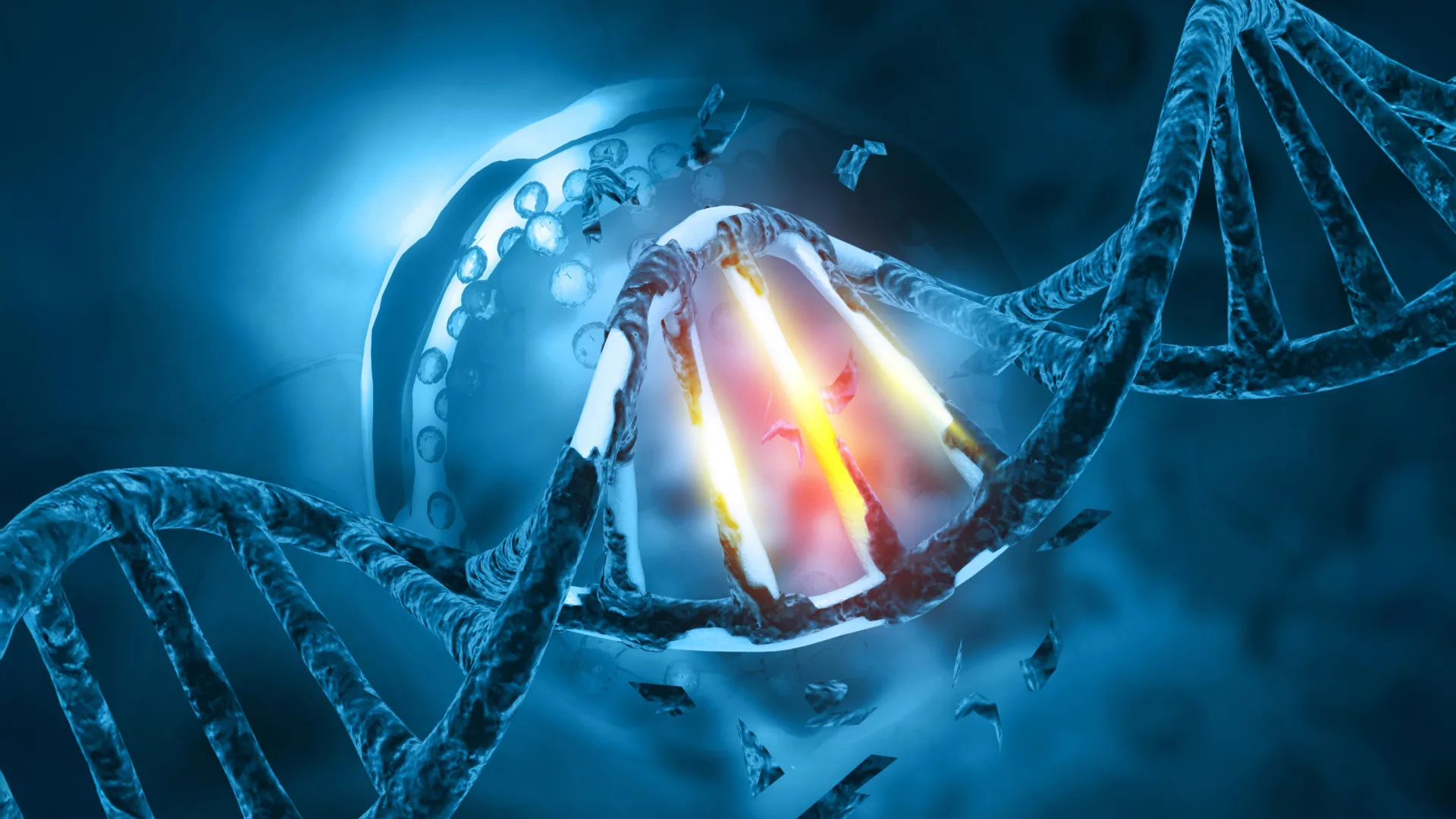
The traditional understanding of oncology has long categorized tumor suppressor genes as the stalwart guardians of cellular integrity. These genes are the architects of the body’s internal defense system, producing proteins that meticulously scan, maintain, and repair DNA to prevent the accumulation of harmful mutations. For decades, the medical consensus has been that the failure or absence of these proteins leads to the genomic instability that fuels malignancy. However, a groundbreaking study from the Penn State College of Medicine has unveiled a paradoxical reality: an overabundance of a specific DNA repair protein can be just as catastrophic as its absence.
Researchers have identified that excessive activity of the gene EXO1, which encodes the Exonuclease 1 protein, can actively damage DNA rather than protect it. Instead of facilitating the seamless repair of genetic material, high levels of EXO1 act as a destabilizing force, breaking down DNA structures and fostering the very genomic volatility that characterizes aggressive cancers. The study, published in the prestigious journal Nature Communications, suggests that this "over-expression" phenomenon could redefine how clinicians approach various forms of cancer, ranging from breast and ovarian malignancies to melanoma and hepatobiliary tumors.
The Paradox of DNA Repair: When Protection Becomes Destruction
The human body relies on a delicate equilibrium of enzymes to manage the constant wear and tear of genetic material. Under normal physiological conditions, EXO1 functions as a specialized set of "molecular scissors." Its primary role is to trim damaged DNA strands, preparing them for the insertion of correct genetic sequences. This process is essential for maintaining the high-fidelity replication of the genome during cell division.
However, the research team, led by George-Lucian Moldovan, a professor of molecular and precision medicine at Penn State, discovered that when EXO1 levels exceed a specific threshold, the enzyme loses its precision. Rather than targeting only damaged segments, the "scissors" begin to cut through healthy, intact DNA structures. This indiscriminate activity leads to the degradation of reversed replication forks—structures that form when the DNA replication machinery encounters an obstacle—and the expansion of single-stranded DNA gaps.
"Regardless of which pathway, EXO1 overexpression leads to the generation and accumulation of toxic lesions in DNA, such as double-strand breaks," explained Alexandra Nusawardhana, the study’s lead author. These double-strand breaks are among the most dangerous types of genetic damage, as they can lead to chromosomal translocations and cell death if not properly managed. In the context of a tumor, however, this instability can drive the rapid evolution of cancer cells, making the disease more aggressive and harder to treat through conventional means.
Mapping the Prevalence of EXO1 Overexpression
To understand the scope of this discovery, the Penn State team conducted an extensive bioinformatic analysis using data from The Cancer Genome Atlas (TCGA), a landmark program managed by the National Cancer Institute. Their investigation revealed that EXO1 is not merely a localized issue but a widespread factor in various human cancers.
The data indicates that EXO1 is overexpressed in approximately 20% to 30% of breast and ovarian cancers. Perhaps more significantly, the researchers found elevated levels of the protein in a diverse array of other malignancies, including:
- Melanoma: An aggressive form of skin cancer known for its high mutation rate.
- Testicular Cancer: Where genomic maintenance is critical for germ cell integrity.
- Cervical Cancer: Often associated with viral interference of DNA repair.
- Hepatobiliary Cancers: Including cancers of the liver, gallbladder, and bile ducts, which are notoriously difficult to treat.
The research particularly highlighted a strong correlation between elevated EXO1 and basal-like breast cancer. Basal-like breast cancer is often synonymous with the "triple-negative" subtype, which lacks estrogen, progesterone, and HER2 receptors. Because it does not respond to hormonal therapies, it remains one of the most challenging forms of breast cancer to manage, making the identification of new biomarkers like EXO1 vital for future therapeutic strategies.
The BRCA-Like Phenotype: A Mirror Image of Genetic Risk
One of the most significant findings of the Penn State study is the discovery that tumors with high EXO1 levels behave almost identically to those carrying BRCA1 or BRCA2 mutations. The BRCA genes are well-known in the public consciousness due to their link to hereditary breast and ovarian cancer. Mutations in these genes prevent cells from repairing double-strand breaks, leading to a state often referred to in the medical community as "BRCAness."
The researchers observed that excessive EXO1 activity effectively "overwhelms" the cell’s natural protective mechanisms, including those provided by healthy BRCA proteins. Even when a patient has no inherited BRCA mutation, the presence of too much EXO1 creates the same cellular environment as a BRCA-deficient tumor.
"Mechanistically, this overexpression does exactly what the loss of the BRCA pathway does in BRCA-mutant tumor cells," Professor Moldovan noted. This discovery is a paradigm shift; it suggests that the "BRCAness" phenotype is not solely the result of a missing repair tool but can also be caused by an overactive one. By working alongside another protein called MRE11, EXO1 enlarges DNA gaps to a point where the cell can no longer maintain its genomic structural integrity.
Clinical Implications: Expanding the Reach of Targeted Therapies
The clinical value of identifying EXO1 as a driver of DNA instability cannot be overstated. Currently, patients with BRCA mutations are eligible for specific targeted treatments, such as Poly (ADP-ribose) polymerase (PARP) inhibitors. Drugs like olaparib work by exploiting the pre-existing DNA repair deficiencies in BRCA-mutant cells, leading to a phenomenon known as "synthetic lethality" where the cancer cell is forced into apoptosis (programmed cell death) while healthy cells remain relatively unharmed.
The Penn State researchers tested whether EXO1-overexpressing cells would show similar sensitivity to these drugs. In laboratory experiments using human cancer cell lines, the results were definitive: tumors with elevated EXO1 were highly sensitive to olaparib.
"The same drugs that are reserved for treating BRCA-mutant tumors and that have fewer side effects could potentially be used to treat EXO1-overexpressing tumors, which don’t have BRCA mutations," said Moldovan. "It would expand the applicability of those drugs."
Furthermore, the team found that these tumors responded well to cisplatin, a common but often toxic chemotherapy drug. The findings suggest that because EXO1-overexpressing tumors are already "primed" for DNA damage, they might respond to lower doses of cisplatin. This could lead to effective tumor shrinkage while significantly reducing the debilitating side effects often associated with platinum-based chemotherapies, such as kidney damage and neuropathy.
Methodology and the Path to Discovery
The rigor of the Penn State study involved a multi-faceted approach combining genomic data analysis with "wet lab" experimentation. To ensure that the DNA damage observed was specifically caused by EXO1’s enzymatic activity, the researchers created a "catalytically dead" version of the protein.
In this experiment, they artificially increased the production of EXO1 in cancer cells. In one group, the protein was fully functional; in the other, the protein was present but lacked its "cutting" ability. The results showed that only the cells with the active, overproduced protein suffered from genomic destabilization. This confirmed that the physical presence of the protein wasn’t the issue—it was the hyperactive "scissoring" of the DNA that caused the lesions.
This methodology provides a high degree of confidence in EXO1 as a functional biomarker. Unlike some biomarkers that are merely associated with cancer, EXO1 appears to be a direct participant in the mechanisms that make the cancer susceptible to specific drugs.
The Future of Precision Oncology: Moving Beyond Tissue-Based Treatment
The discovery of EXO1’s role contributes to the broader shift in medicine toward "precision oncology." For decades, cancer treatment was determined primarily by the organ of origin—breast cancer was treated with breast cancer drugs, and liver cancer with liver cancer drugs. However, the Penn State findings reinforce the idea that the genetic landscape of the tumor is more important than its location.
"We shouldn’t treat cancers based on what tissue they come from but based on the landscape of the genetic mutations present in the tumors," Moldovan emphasized. "That would result in high-efficiency treatment. That’s the future of cancer treatment."
As the medical community moves toward this future, EXO1 stands out as a promising candidate for inclusion in routine genomic screening for cancer patients. If a patient’s tumor profile shows EXO1 overexpression, they could be fast-tracked to PARP inhibitors or tailored chemotherapy regimens, regardless of whether they have a family history of BRCA mutations or what organ the cancer originated in.
Next Steps and Chronology of Research
The publication of these findings in Nature Communications marks the culmination of years of work at the Penn State College of Medicine. The research was supported by the National Institutes of Health (NIH) and Four Diamonds, an organization dedicated to conquering childhood cancer.
Looking forward, the research team plans to transition from laboratory models to clinical settings. The next phase of research will likely involve retrospective studies of patient outcomes to further validate EXO1 as a predictive biomarker. Ultimately, the goal is to launch prospective clinical trials. These trials will specifically enroll patients with EXO1-overexpressing tumors to test the efficacy of PARP inhibitors in a real-world clinical environment.
While EXO1 does not currently predict the initial risk of developing cancer—unlike the BRCA mutation, which is often inherited—it serves as a vital roadmap for treatment once a diagnosis has been made. As researchers continue to untangle the complexities of the human genome, the story of EXO1 serves as a reminder that in the world of molecular biology, balance is everything. Too little repair can be fatal, but too much repair, it seems, can be just as dangerous. By identifying and exploiting these imbalances, scientists are opening new doors for patients who previously had limited options in their fight against the disease.
