
 By Nana O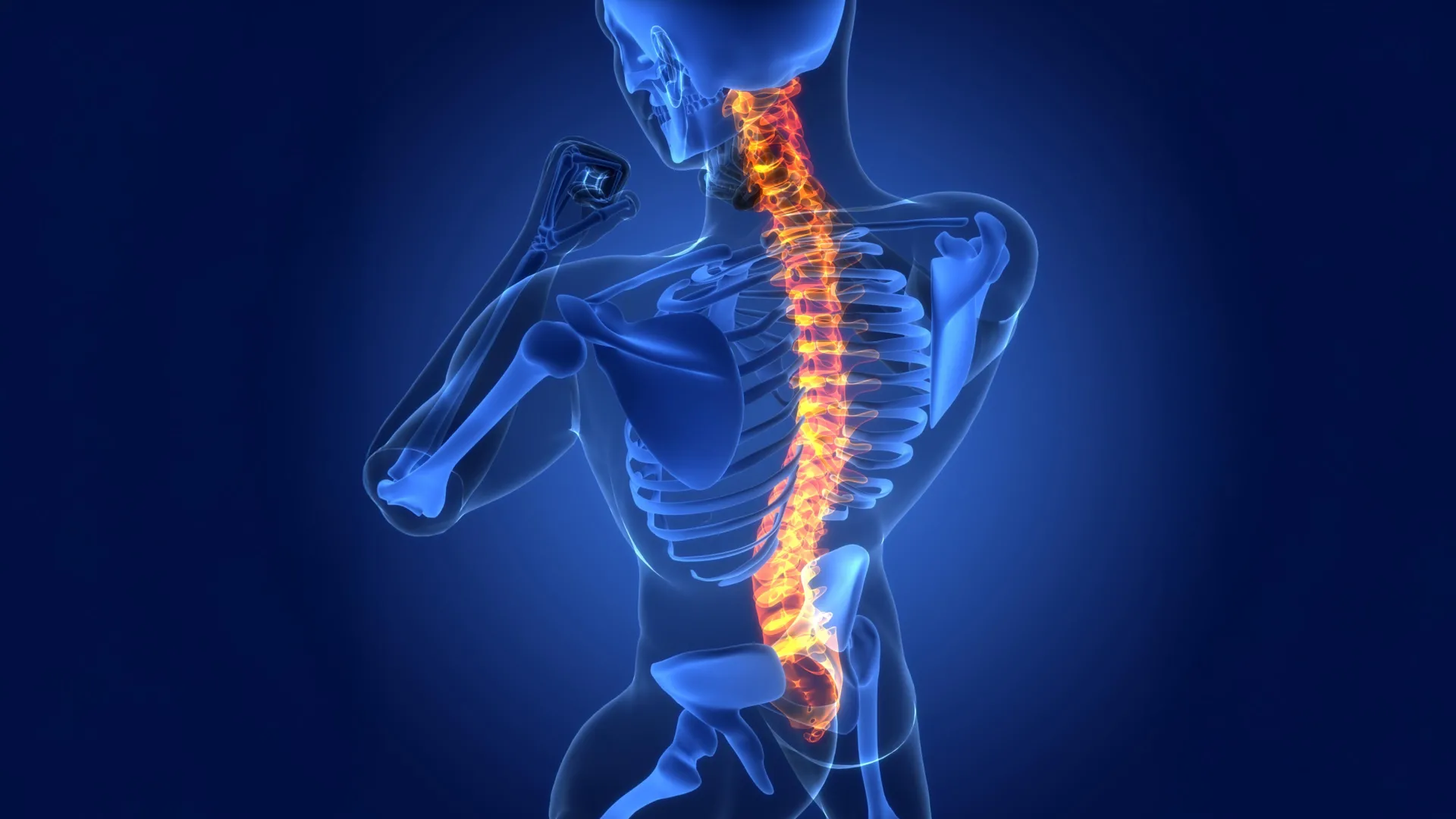
Researchers at Cedars-Sinai have made a groundbreaking discovery regarding the central nervous system’s innate ability to repair itself, identifying a previously unknown biological repair process mediated by astrocytes. This pivotal finding, published in the prestigious scientific journal Nature, has significant implications for the development of future treatments for spinal cord injuries, stroke, and debilitating neurological diseases such as multiple sclerosis. The study illuminates an unexpected and vital role for astrocytes, the most abundant type of glial cell in the brain and spinal cord, in orchestrating recovery following neurological damage.
Unveiling the "Lesion-Remote Astrocytes"
"Astrocytes are critical responders to disease and disorders of the central nervous system—the brain and spinal cord," stated neuroscientist Joshua Burda, PhD, assistant professor of Biomedical Sciences and Neurology at Cedars-Sinai and senior author of the study. "We discovered that astrocytes far from the site of an injury actually help drive spinal cord repair. Our research also uncovered a mechanism used by these unique astrocytes to signal the immune system to clean up debris resulting from the injury, which is a critical step in the tissue-healing process."
The research team has aptly named these crucial cells "lesion-remote astrocytes," or LRAs, acknowledging their remarkable ability to influence repair even when situated at a distance from the initial site of injury. Further investigation revealed the existence of several distinct subtypes within this LRA population. This study marks the first time scientists have elucidated how a specific LRA subtype can detect damage from afar and initiate responses that actively support the body’s natural recovery mechanisms.
The Complexities of Spinal Cord Injury Response
The spinal cord, a vital conduit of information extending from the brain down the back, is composed of gray matter and white matter. The gray matter, situated centrally, houses nerve cell bodies alongside astrocytes. Encasing this is the white matter, a dense network of astrocytes and long nerve fibers, known as axons, which transmit electrical and chemical signals between the brain and the rest of the body. Astrocytes play an indispensable role in maintaining the delicate electrochemical balance required for these signals to propagate efficiently.
When the spinal cord sustains an injury, such as from trauma or disease, these nerve fibers are often severed. The immediate consequence can be a devastating loss of motor function, leading to paralysis, and a disruption of sensory perception, affecting sensations like touch, temperature, and pain. The torn nerve fibers disintegrate into cellular debris. In many other tissues throughout the body, inflammatory responses are typically localized to the immediate vicinity of the injury. However, the extensive reach of nerve fibers within the spinal cord means that damage and the subsequent inflammatory cascade can propagate far beyond the initial point of impact, exacerbating secondary injury and hindering recovery.
LRAs and the Immune System’s Cleanup Crew
Through meticulous experiments conducted on mouse models with induced spinal cord injuries, the Cedars-Sinai team observed compelling evidence that LRAs are pivotal players in promoting tissue repair. Crucially, the researchers also identified strong indicators that this same repair mechanism is active in human spinal cord tissue samples from patients who have experienced injuries.
One specific subtype of LRA was found to be a prolific producer of a protein designated as CCN1. This molecule acts as a potent signaling agent, communicating directly with immune cells known as microglia. Microglia are the primary resident immune cells of the central nervous system, often described as its "garbage collectors" due to their critical role in clearing cellular debris.
"One function of microglia is to serve as chief garbage collectors in the central nervous system," explained Dr. Burda. "After tissue damage, they eat up pieces of nerve fiber debris—which are very fatty and can cause them to get a kind of indigestion. Our experiments showed that astrocyte CCN1 signals the microglia to change their metabolism so they can better digest all that fat."
This enhanced metabolic capacity of microglia, triggered by astrocyte-derived CCN1, appears to be a key factor in facilitating more efficient clearance of debris. Dr. Burda suggested that this improved debris removal might offer a biological explanation for why some individuals experience partial, spontaneous recovery following spinal cord injuries. Conversely, when the researchers experimentally eliminated CCN1 production from these astrocytes, the healing process was significantly impaired.
"If we remove astrocyte CCN1, the microglia eat, but they don’t digest. They call in more microglia, which also eat but don’t digest," Dr. Burda elaborated. "Big clusters of debris-filled microglia form, heightening inflammation up and down the spinal cord. And when that happens, the tissue doesn’t repair as well." This observation underscores the delicate balance required for effective neurological repair and highlights the detrimental consequences of disrupting this intricate communication pathway.
Broadening the Scope: Implications for Multiple Sclerosis and Brain Injury
The researchers extended their investigation beyond spinal cord injuries, examining spinal cord samples from individuals diagnosed with multiple sclerosis (MS). In these samples, they observed the same CCN1-mediated repair process that was identified in acute spinal cord injuries. This finding suggests that the fundamental repair principles orchestrated by LRAs may have broader applicability, potentially influencing recovery from a range of neurological conditions affecting both the brain and the spinal cord.
"The role of astrocytes in central nervous system healing is remarkably understudied," commented David Underhill, PhD, chair of the Department of Biomedical Sciences at Cedars-Sinai. "This work strongly suggests that lesion-remote astrocytes offer a viable path for limiting chronic inflammation, enhancing functionally meaningful regeneration, and promoting neurological recovery after brain and spinal cord injury and in disease." Dr. Underhill’s statement emphasizes the significant shift in understanding that this research brings to the field of neuroregeneration.
The implications of this discovery are far-reaching. For individuals living with spinal cord injuries, the prospect of therapies that can harness or enhance the CCN1 pathway could offer new hope for restoring lost function and improving quality of life. In the context of stroke, where brain tissue damage is a primary concern, understanding how LRAs contribute to repair could lead to interventions that mitigate long-term disability. For patients with multiple sclerosis, a chronic autoimmune disease that attacks the myelin sheath surrounding nerve fibers, this research might pave the way for strategies to protect neurons and promote remyelination.
Future Directions and Research Pathways
Dr. Burda and his team are actively pursuing strategies to translate these findings into tangible therapeutic interventions. Their immediate focus is on developing methods to harness the CCN1 pathway, aiming to enhance spinal cord healing. This could involve the development of drugs that stimulate LRA CCN1 production or mimic its effects on microglia.
Furthermore, the research team is investigating the potential role of astrocyte CCN1 in other inflammatory neurodegenerative diseases and in the aging process. As the population ages, age-related neurological decline and neurodegenerative conditions like Alzheimer’s and Parkinson’s disease become increasingly prevalent. Understanding how astrocytes influence inflammation and tissue repair in these contexts could unlock new avenues for prevention and treatment.
The timeline of this research, though not explicitly detailed in its entirety, represents a culmination of years of dedicated scientific inquiry. The publication in Nature signifies the rigorous peer-review process and the high caliber of the findings. The initial identification of astrocytes as support cells has a long history, but the nuanced understanding of their active, remote signaling roles in injury response is a relatively recent development, building upon decades of neuroscience research. This study represents a significant leap forward, moving from observing astrocyte presence to understanding their complex, dynamic functional contributions to healing.
The financial support for this extensive research project highlights its significance and the collaborative effort involved. Funding from various sources, including the National Institutes of Health (NIH) with multiple grant numbers (5R01NS128094, R00NS105915, K99NS105915, F31NS129372, K99AG084864, R35 NS097303, R01 NS123532, R01MH128866, U18TR004146, P30 CA023168), underscores the national importance placed on understanding and treating neurological disorders. Additional support from the Paralyzed Veterans Research Foundation of America, Wings for Life, the Cedars-Sinai Center for Neuroscience and Medicine, the American Academy of Neurology, the California Institute for Regenerative Medicine, the United States Department of Defense, and the Arnold O. Beckman Postdoctoral Fellowship further attests to the broad interest and investment in this critical area of medical research. The inclusion of the Purdue University Center for Cancer Research, funded by an NIH grant, suggests potential cross-disciplinary applications or shared methodologies.
The collaborative nature of the research is evident in the extensive list of contributing authors from Cedars-Sinai and other institutions, including Sarah McCallum, Keshav B. Suresh, Timothy S. Islam, Manish K. Tripathi, Ann W. Saustad, Oksana Shelest, Aditya Patil, David Lee, Brandon Kwon, Katherine Leitholf, Inga Yenokian, Sophia E. Shaka, Jasmine Plummer, Vinicius F. Calsavara, Simon R.V. Knott, Connor H. Beveridge, Palak Manchandra, Caitlin E. Randolph, Gordon P. Meares, Ranjan Dutta, Riki Kawaguchi, and Gaurav Chopra. This collective effort signifies the complexity and multidisciplinary approach required to unravel such intricate biological processes.
While direct statements from patient advocacy groups or regulatory bodies regarding this specific study are not yet available, the potential impact on patient care is substantial. Organizations dedicated to spinal cord injury research and multiple sclerosis awareness are likely to view these findings with great optimism, as they represent a tangible step toward developing more effective treatments. The path from laboratory discovery to clinical application is often long and complex, typically involving preclinical trials, human clinical trials, and regulatory approval. However, the identification of a specific, targetable biological pathway like the CCN1 signaling mechanism significantly accelerates this process by providing a clear direction for therapeutic development.
In conclusion, the discovery of lesion-remote astrocytes and their CCN1-mediated communication with microglia represents a paradigm shift in our understanding of central nervous system repair. This research not only illuminates the intricate mechanisms of the body’s self-healing capabilities but also opens promising new avenues for therapeutic intervention in a wide range of devastating neurological conditions. The ongoing work at Cedars-Sinai holds the potential to significantly improve the lives of millions affected by spinal cord injuries, stroke, and neurodegenerative diseases worldwide.
