
 By admin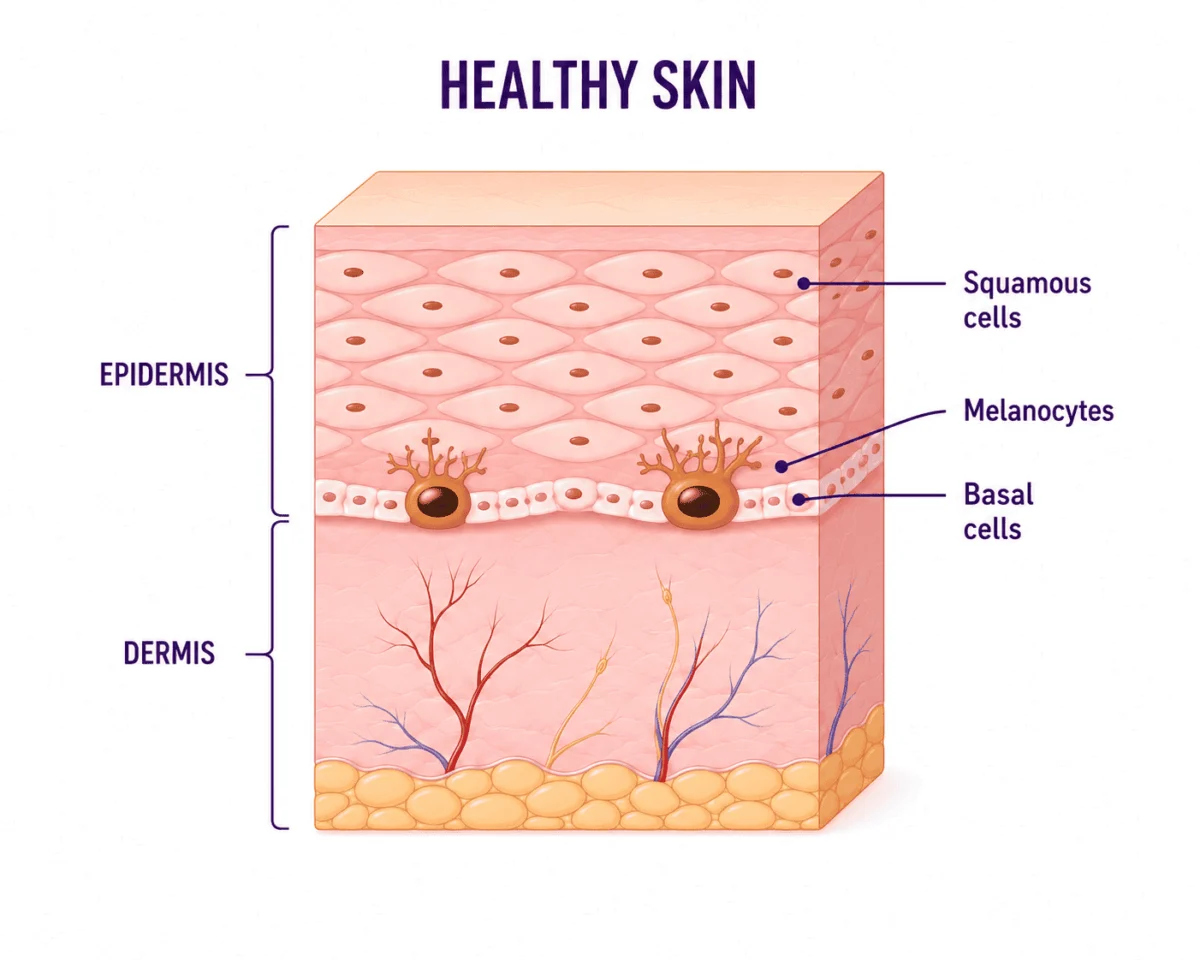
July marks Ultraviolet (UV) Radiation Safety Awareness Month, an annual observance dedicated to highlighting the critical importance of protecting the skin, the body’s largest and most exposed organ, from the pervasive dangers of ultraviolet radiation. Spearheaded by organizations like the Cancer Research Institute (CRI), this initiative serves as a timely reminder that while sunlight is essential for life, unchecked exposure to its UV rays is the primary preventable cause of skin cancer. The month aims to disseminate vital information and actionable strategies to dramatically lower the risk of this increasingly common malignancy, underscoring a dual message of robust prevention and the remarkable strides made in advanced therapeutic interventions.
Understanding the Invisible Threat: About UV Radiation
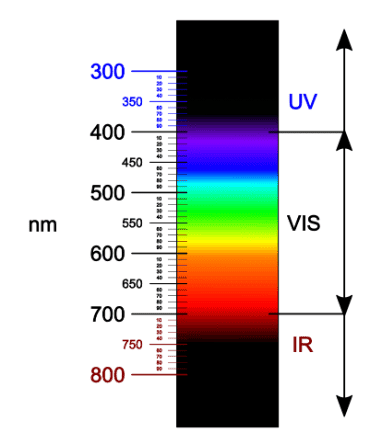
Ultraviolet radiation, an invisible segment of the electromagnetic spectrum, possesses wavelengths ranging between 100 and 400 nanometers, shorter than visible light but longer than X-rays. These potent rays originate primarily from the sun, but artificial sources, most notably tanning beds, also emit significant and hazardous levels of UV radiation. The scientific community categorizes UV radiation into three main types based on wavelength: UVA, UVB, and UVC.
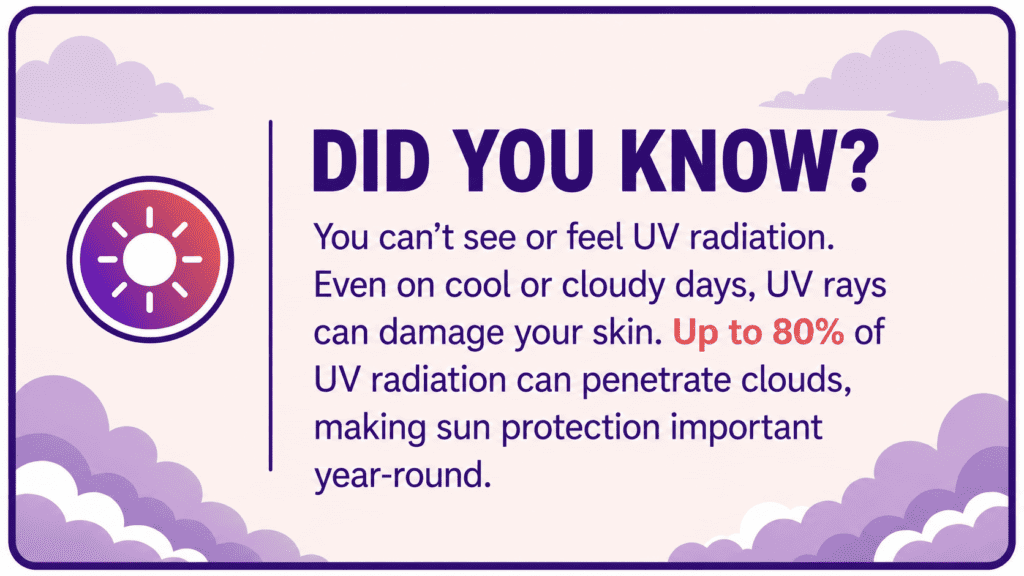
UVA rays, with the longest wavelengths (320-400 nm), penetrate deepest into the skin, contributing significantly to skin aging, wrinkles, and long-term damage. While historically considered less harmful than UVB, UVA is now known to play a substantial role in the development of skin cancer, including melanoma. These rays are present year-round, penetrate clouds and glass, making protection essential even on overcast days or indoors near windows.
UVB rays (290-320 nm) are the primary cause of sunburn and directly damage DNA in skin cells. Their intensity varies significantly by season, time of day, and geographical location, being strongest during summer months, especially between 10 AM and 4 PM. UVB rays are a major contributor to the development of both melanoma and non-melanoma skin cancers.
UVC rays (100-290 nm) are the most energetic and potentially dangerous form of UV radiation. Fortunately, the Earth’s ozone layer effectively absorbs nearly all UVC radiation before it reaches the surface, rendering it a minimal natural threat. However, artificial sources like germicidal lamps can emit UVC, requiring caution.
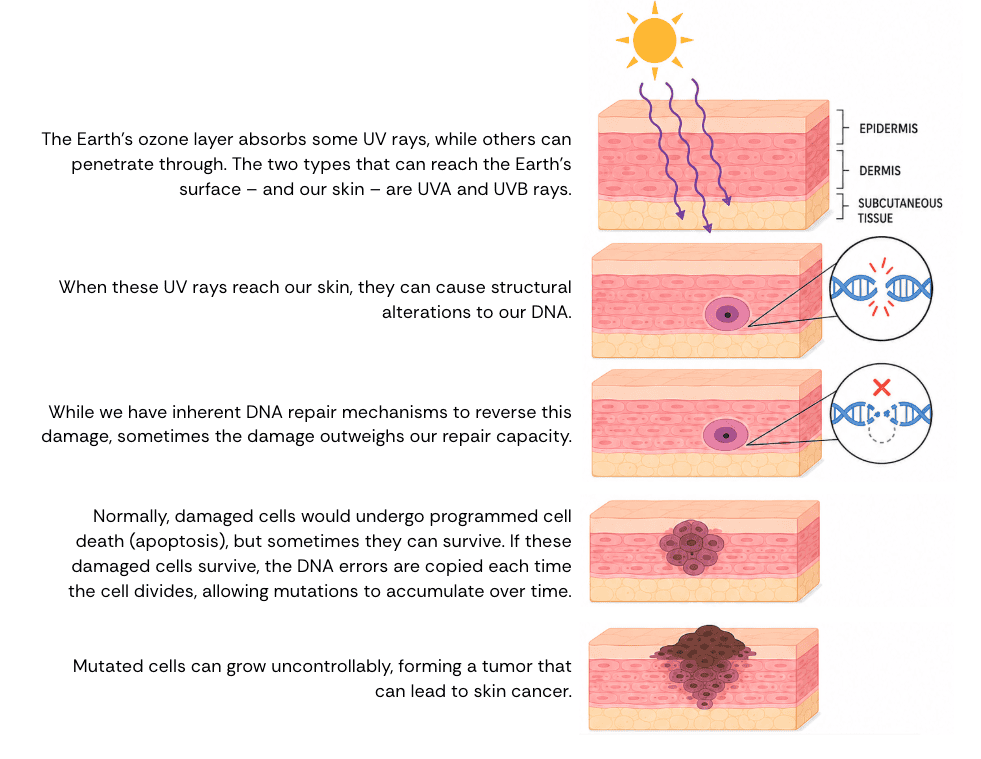
The cumulative nature of UV radiation damage is a critical factor in skin cancer development. Each instance of sun exposure, particularly those resulting in sunburn, contributes to a lifelong accumulation of DNA damage within skin cells. This damage can lead to mutations that, over time, override the body’s natural repair mechanisms, initiating uncontrolled cell growth characteristic of cancer.
The Global Burden of Skin Cancer: Fast Facts and Types
Skin cancer is not only the most common cancer globally but also one of the most preventable. According to the World Health Organization (WHO), between 2 and 3 million non-melanoma skin cancers and 132,000 melanoma skin cancers occur globally each year. In the United States alone, the American Academy of Dermatology estimates that one in five Americans will develop skin cancer in their lifetime. Despite these alarming statistics, the good news is that most skin cancers are preventable, and proactive measures to protect the skin can dramatically reduce an individual’s risk.
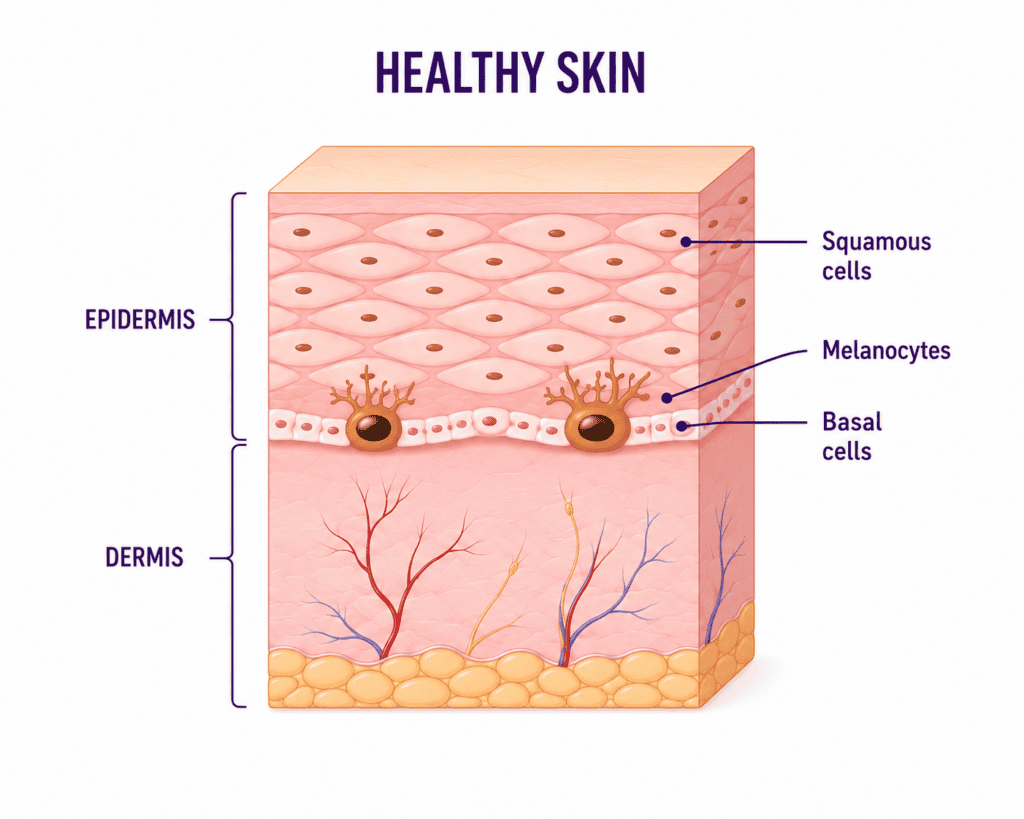
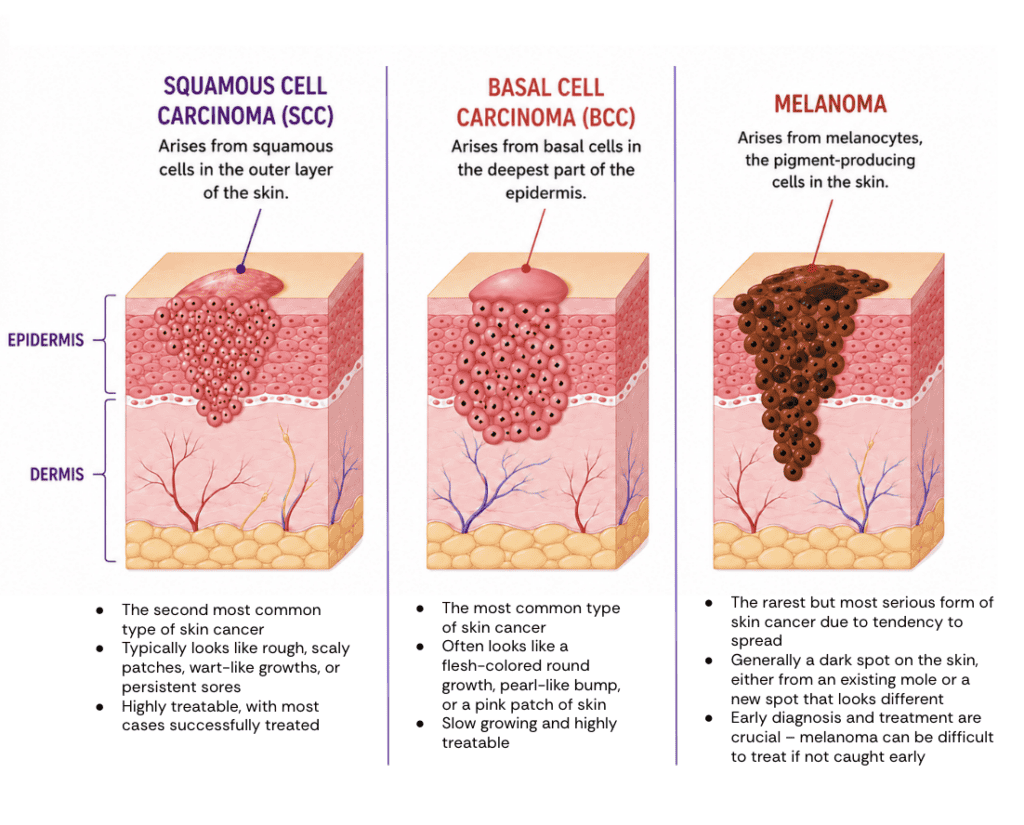
Healthy skin is a complex organ composed of several layers and specialized cells. Most skin cancers originate when UV radiation damages the DNA within specific cell types, leading to their uncontrolled proliferation. The type of skin cancer is determined by the specific cells in which the malignancy begins:
- Basal Cell Carcinoma (BCC): The most common form of skin cancer, accounting for about 80% of all cases. BCCs typically arise in the basal cells, which are found in the outermost layer of the skin (epidermis). They often appear as pearly or waxy bumps, open sores, or red patches. While rarely metastatic, BCCs can be locally destructive, requiring prompt treatment to prevent disfigurement.
- Squamous Cell Carcinoma (SCC): The second most common type, making up about 16% of all skin cancers. SCCs originate in the squamous cells, also located in the outer layer of the skin. They often present as firm, red nodules, scaly patches, or open sores that may bleed. SCCs have a higher potential for metastasis than BCCs, especially if left untreated.
- Melanoma: Though less common, melanoma is the most aggressive and deadliest form of skin cancer, responsible for the vast majority of skin cancer deaths. It develops in melanocytes, the pigment-producing cells of the skin. Melanoma can appear as a new mole, a change in an existing mole, or a dark, irregular patch. Its ability to spread rapidly to other parts of the body (metastasize) makes early detection and treatment critically important.
Beyond UV exposure, other risk factors for skin cancer include fair skin, a history of sunburns, numerous moles or atypical moles, a family history of skin cancer, a weakened immune system, and exposure to certain chemicals or radiation.
A Proactive Defense: Comprehensive Prevention Strategies
Given that most skin cancers are preventable, adopting a comprehensive sun safety regimen is paramount. Public health campaigns, dermatological associations, and research institutes consistently advocate for a multi-pronged approach to minimize UV exposure:
- Seek Shade: This is the simplest and most effective defense. Avoid direct sun exposure, especially during peak UV hours, typically between 10 AM and 4 PM, when the sun’s rays are strongest.
- Wear Protective Clothing: Long-sleeved shirts, pants, and wide-brimmed hats provide physical barriers against UV rays. Clothing with an Ultraviolet Protection Factor (UPF) rating of 30 or higher offers excellent protection. Sunglasses that block 99% or 100% of UVA and UVB rays are crucial for protecting the eyes and delicate skin around them.
- Apply Sunscreen Diligently: Use a broad-spectrum sunscreen with an SPF of 30 or higher. "Broad-spectrum" means it protects against both UVA and UVB rays. Apply generously to all exposed skin 15-30 minutes before going outdoors and reapply every two hours, or more frequently after swimming or sweating. Sunscreen is not a shield for prolonged sun exposure but rather a vital supplement to other protective measures.
- Avoid Tanning Beds: Artificial tanning devices emit concentrated UV radiation, often significantly higher than natural sunlight. Studies have unequivocally linked tanning bed use to a substantially increased risk of all types of skin cancer, especially melanoma, with risks increasing with each use. The International Agency for Research on Cancer (IARC) classifies UV-emitting tanning devices as Group 1 carcinogens, the highest risk category.
- Regular Skin Self-Exams and Professional Screenings: Early detection is crucial for improving treatment outcomes, particularly for melanoma. Individuals should regularly examine their skin for any new moles, changes in existing moles, or suspicious lesions, using the "ABCDE" rule:
- Asymmetry: One half of the mole doesn’t match the other.
- Border irregularity: The edges are ragged, notched, or blurred.
- Color variation: The mole has different shades of brown, black, tan, or even red, white, or blue.
- Diameter: The mole is larger than 6 millimeters (about the size of a pencil eraser).
- Evolving: The mole is changing in size, shape, color, or elevation, or any new symptoms such as bleeding, itching, or crusting.
Regular visits to a dermatologist for professional skin checks are also recommended, especially for individuals with higher risk factors.
A Paradigm Shift in Treatment: Immunotherapy for Skin Cancers
While prevention remains the cornerstone of skin cancer management, advances in medical science have revolutionized the landscape for patients diagnosed with advanced forms of the disease. Immunotherapy, in particular, has transformed the outlook for many patients with advanced melanoma, turning what was once considered one of the deadliest and most intractable cancers into a success story for modern oncology.
Before the advent of effective immunotherapies, the prognosis for metastatic melanoma was grim, with limited treatment options and poor survival rates. The median survival for patients with advanced melanoma was often measured in months. This challenging reality fueled decades of fundamental immunology research, investigating the intricate mechanisms by which the immune system recognizes and fights cancer.
The breakthrough came with the discovery and development of Immune Checkpoint Inhibitors (ICIs). These revolutionary drugs work by releasing the "brakes" that tumors often exploit to evade immune detection and attack. Cancer cells can express proteins (like PD-L1) that bind to receptors (like PD-1 or CTLA-4) on immune cells, essentially sending a "don’t attack me" signal. ICIs block these inhibitory interactions, thereby unleashing the immune system’s inherent capacity to identify and destroy cancer cells.
Pivotal to this scientific revolution was the work of James P. Allison, PhD, a distinguished member and Director of CRI’s Scientific Advisory Council. Dr. Allison’s groundbreaking research elucidated the role of the CTLA-4 checkpoint in regulating T-cell activity, leading to the development of the first ICI, ipilimumab. His profound contributions to understanding immune checkpoint blockade earned him the Nobel Prize in Physiology or Medicine in 2018, shared with Tasuku Honjo, who independently discovered the PD-1 checkpoint.
Examples of ICIs now approved for melanoma include:
- Ipilimumab (anti-CTLA-4): The first ICI approved, targeting the CTLA-4 pathway.
- Nivolumab (anti-PD-1): Blocks the PD-1 pathway, allowing T-cells to remain active.
- Pembrolizumab (anti-PD-1): Another widely used anti-PD-1 antibody.
- Combinations of these drugs, such as nivolumab and ipilimumab, have shown even greater efficacy in some advanced cases.
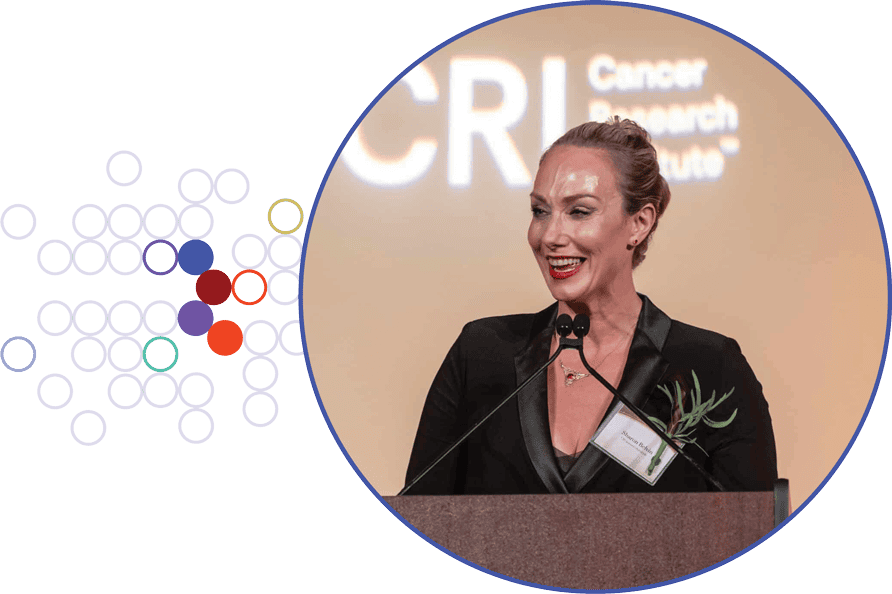
The real-world impact of these discoveries is perhaps best illustrated by patient stories like that of Sharon Belvin. Diagnosed with Stage 4 melanoma at a thriving 22 years old, Sharon faced a dire prognosis. "Hearing the words ‘You have cancer’ carries a weight that’s almost impossible to describe," she recounted. "I remember the fear, the uncertainty, and the question that echoed in my mind every single day: How much time do I really have left?" Running out of conventional options, Sharon’s oncologist enrolled her in one of the early clinical trials for ICIs. Today, over two decades later, Sharon remains cancer-free, a living testament to the transformative power of immunotherapy. Dr. Allison himself officiated her wedding, a deeply personal connection forged through shared triumph over disease. Sharon’s remarkable outcome underscores that decades of fundamental immunology research, often conducted quietly in labs, can translate into decades of life for patients.
The Unfinished Work: Ongoing Research and Future Directions
Despite the monumental progress, immunotherapy still doesn’t work for everyone. Between 30% and 50% of patients with advanced melanoma do not respond to ICIs, and understanding the reasons behind this variability is a central focus of ongoing research. The scientific community is relentlessly pursuing answers to improve patient outcomes and extend the benefits of immunotherapy to a broader population.
Katie Campbell, PhD, a former CRI Postdoctoral Fellow and an adjunct assistant professor at UCLA, exemplifies this commitment. Her research aims to unravel the complexities of tumor microenvironments to predict and enhance immunotherapy responses. Dr. Campbell and her team are investigating not only which immune cells are present within tumors but also how they are arranged and organized. She describes these immune cell clusters as "cellular neighborhoods," intricate regions where cancer cells, various immune cells, and the blood vessels that act as "immune highways" are in constant, dynamic communication.
Critically, Dr. Campbell’s team studies biopsies taken both before and during treatment. This longitudinal approach captures not just a static snapshot of the tumor microenvironment but a dynamic picture of the immune system in motion, allowing researchers to observe how immune cells respond to therapy. As Dr. Campbell vividly puts it, "It’s like taking a picture of a bike race before it starts. Before the race, you can just say there’s a bunch of bikes. Once they’re moving, you can say which cyclists are at the front of the pack versus the back – and you can do a lot more inference about what’s happening."
The broader vision of this research is to enable smarter, earlier intervention. Currently, patients who don’t respond to initial immunotherapy may endure multiple treatments, losing precious time and potentially diminishing their immune system’s ability to respond to subsequent therapies. Dr. Campbell’s work holds the promise of developing predictive biomarkers that could allow clinicians to identify the right therapy sooner, optimizing treatment pathways and improving the chances of long-term remission for more patients. Further research avenues include exploring novel immune targets, developing combination therapies, and investigating personalized cancer vaccines tailored to individual tumor characteristics.
Protecting Your Skin Today – and Improving Treatments for Tomorrow
Ultraviolet Radiation Safety Awareness Month serves as a poignant reminder of both the persistent threat of skin cancer and the remarkable human ingenuity in combating it. Most skin cancers can be prevented with simple, consistent habits that reduce UV exposure. Sunscreen, protective clothing, seeking shade, avoiding tanning beds, and regular skin checks are among the most powerful tools individuals possess for safeguarding their health. These preventative measures, coupled with early detection, are the first lines of defense against a disease that exacts a significant global toll.
Simultaneously, decades of rigorous scientific research have fundamentally transformed the landscape of skin cancer treatment. Immunotherapy has rewritten the outlook for many people with advanced melanoma, offering long-lasting responses and, in some cases, cures, where once there were none. Yet, the journey is far from over. Researchers worldwide, supported by organizations like the Cancer Research Institute, continue to build on this progress, relentlessly working towards a future where more patients benefit from these life-saving therapies and where the challenge of non-response is overcome.
Whether through the daily act of applying sunscreen before stepping outdoors or through the vital support for the cutting-edge science driving tomorrow’s breakthroughs, every step forward contributes to a collective goal. It moves us closer to a world where fewer individuals develop skin cancer, and, for those who do, where the promise of effective, lasting treatments becomes a universal reality. The commitment to awareness, prevention, and research is not merely a medical endeavor; it is a shared public health imperative, fostering a future where the sun’s warmth can be enjoyed safely, and lives are prolonged and enriched.
