
 By admin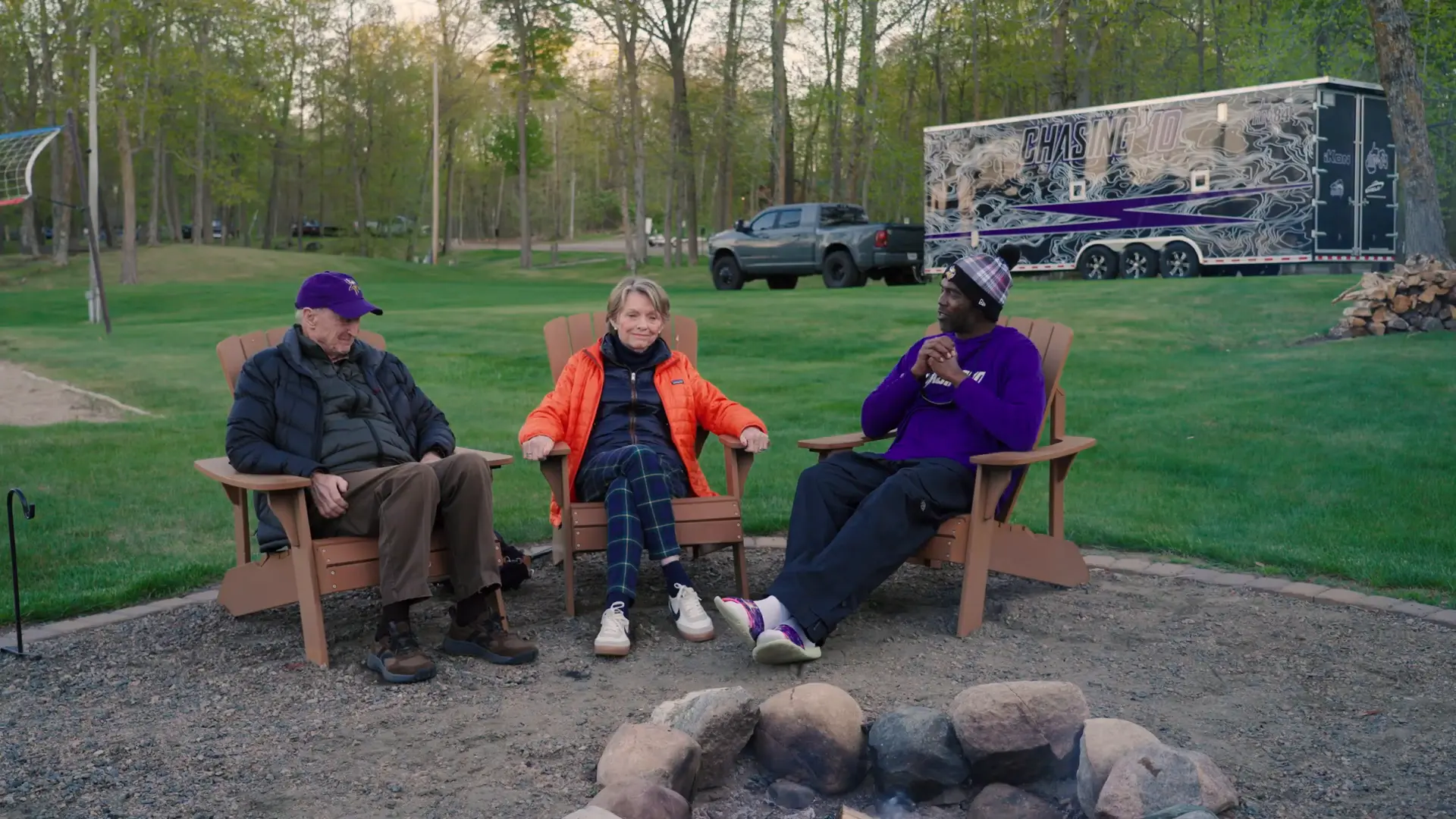
In a recent installment of the digital series Chasing10, Pro Football Hall of Fame inductee Randy Moss explored the foundational history of the Children’s Cancer Research Fund (CCRF), uncovering a narrative that predates the organization’s status as a global leader in pediatric oncology. The story, centered on a 13-year-old girl named Katie Hageboeck, serves as a poignant reminder of how individual grassroots philanthropy can catalyze systemic changes in medical research and patient care. What began as a modest personal sacrifice in 1979 has, over the course of four decades, evolved into a multi-million-dollar research engine that has fundamentally altered the survival trajectory for children diagnosed with leukemia and other high-risk cancers.
The Genesis of a Movement: 1979 and the Red 10-Speed Bicycle
The history of the Children’s Cancer Research Fund is inextricably linked to the personal tragedy and altruism of the Hageboeck family. In 1979, Katie Hageboeck was diagnosed with leukemia, a diagnosis that at the time carried a significantly more somber prognosis than it does today. According to her mother, Diana Hageboeck, the severity of Katie’s condition was immediately apparent to the medical staff at the University of Minnesota. Diana recalled that Katie presented with the highest white blood cell count the university’s specialists had ever recorded, a clinical indicator of an aggressive and advanced stage of the disease.
Despite the grueling nature of her treatment and the physical toll of the illness, Katie’s focus remained external. During her hospitalization, she became acutely aware of the lack of specialized funding and resources dedicated specifically to children’s cancer. Before her passing, Katie made a decision that would define her legacy: she chose to donate her life savings to a nascent fund dedicated to pediatric cancer research. The sum, totaling $141, had been meticulously saved for the purchase of a red 10-speed bicycle.
This $141 gift became the seed capital for what would eventually become the Children’s Cancer Research Fund. At the time, pediatric cancer research was drastically underfunded compared to adult oncology, and Katie’s contribution highlighted a critical gap in the medical establishment’s priorities. Her gesture was not merely a donation of currency but a symbolic transfer of hope from a dying child to the generations of children who would follow her.
The Medical Landscape of Pediatric Oncology: 1979 vs. Present Day
To understand the impact of Katie’s gift and the subsequent work of the CCRF, it is necessary to examine the evolution of leukemia treatment over the last forty years. In the late 1970s, the five-year survival rate for children diagnosed with Acute Lymphoblastic Leukemia (ALL)—the most common form of childhood cancer—was approximately 60%. For more aggressive forms or cases with high white blood cell counts like Katie’s, the odds were significantly lower.
Today, thanks in large part to the research funded by organizations like CCRF, the five-year survival rate for ALL has climbed to over 90%. This progress is the result of decades of clinical trials, the development of more targeted chemotherapies, and breakthroughs in bone marrow transplantation and immunotherapy. The University of Minnesota, where Katie was treated, has remained at the forefront of these advancements, particularly in the realm of blood and marrow transplantation (BMT). The CCRF has funneled more than $200 million into research since its inception, much of it supporting the very institution where Katie’s journey began.
However, despite these gains, pediatric cancer remains the leading cause of death by disease for children in the United States. Researchers note that while survival rates have improved, the long-term side effects of traditional treatments—including heart damage, secondary cancers, and cognitive impairment—remain a significant challenge. This reality underscores the ongoing necessity of Katie’s legacy: the pursuit of "better" treatments that are not only more effective but also less toxic to developing bodies.
Randy Moss and the Chasing10 Initiative
The recent resurgence of Katie’s story in the public consciousness is due in part to the involvement of Randy Moss. As a featured guest on the Chasing10 series, Moss engaged with the Hageboeck family to bridge the gap between the organization’s history and its modern mission. The "Chasing10" initiative refers to a broader campaign aimed at addressing the fact that every hour, approximately 10 children are diagnosed with cancer worldwide.
Moss, known for his formidable presence on the football field, expressed a visible emotional connection to the Hageboeck narrative. "We’re not just chasing 10. We are chasing a cure. I’m part of this team now," Moss stated during the episode. His involvement represents a strategic effort by CCRF to leverage high-profile advocacy to reach new demographics of donors and supporters.
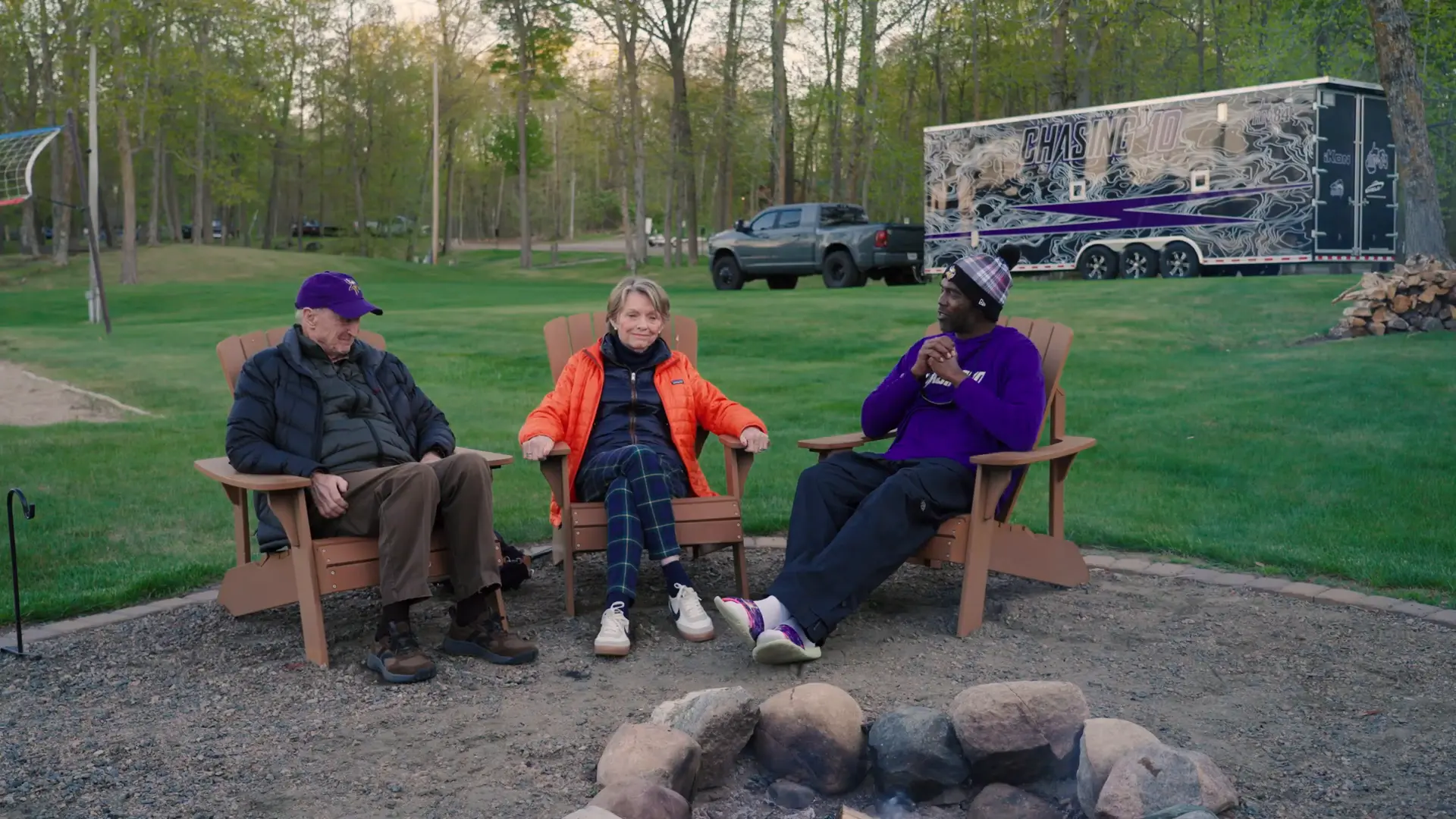
For Diana Hageboeck, the participation of figures like Moss validates the enduring relevance of her daughter’s sacrifice. She noted that Katie would have been moved to see how her "bike money" had become a rallying point for a diverse community of researchers, athletes, and families. The transition of the story from a private family tragedy to a public mission of hope is a central theme of the CCRF’s current outreach strategy.
Chronology of the Children’s Cancer Research Fund
The growth of the CCRF can be traced through several key milestones that illustrate the professionalization and expansion of pediatric cancer advocacy:
- 1979: Katie Hageboeck is diagnosed with leukemia and donates $141—originally intended for a bicycle—to start a research fund.
- 1981: The Children’s Cancer Research Fund is officially incorporated as a non-profit organization, initially focusing on supporting the University of Minnesota’s pediatric oncology programs.
- 1980s-1990s: The organization expands its fundraising efforts, establishing annual events such as the "Dawn of a Dream" gala, which has since raised tens of millions of dollars.
- 2000s: CCRF begins funding national research initiatives beyond Minnesota, participating in collaborative efforts to map the pediatric cancer genome.
- 2010s: The focus shifts toward "precision medicine," utilizing genetic sequencing to tailor treatments to the specific molecular profile of a child’s tumor.
- 2024: CCRF continues to fund innovative trials in immunotherapy and CAR-T cell therapy, while maintaining its "Chasing10" campaign to highlight the global urgency of the disease.
Statistical Analysis of Research Funding Disparities
A critical component of the CCRF’s mission is addressing the systemic underfunding of pediatric cancer research at the federal level. Data from the National Cancer Institute (NCI) indicates that historically, only about 4% of the federal budget for cancer research is directed toward pediatric-specific studies. The vast majority of funding is allocated to adult cancers, such as breast, lung, and prostate cancer.
This funding gap creates a reliance on private philanthropy to drive innovation. Because pediatric cancers are biologically distinct from adult cancers, treatments developed for adults cannot simply be "scaled down" for children. Private organizations like CCRF provide the "venture capital" for high-risk, high-reward research that federal grants may overlook. This includes:
- Phase I Clinical Trials: Testing new drugs that have never been used in children.
- Survivorship Programs: Studying the long-term health outcomes of childhood cancer survivors.
- Hard-to-Treat Cancers: Funding research into rare pediatric tumors that lack a large enough "market" for pharmaceutical companies to pursue independently.
Broader Implications: The "Seed Money" Philosophy in Philanthropy
The story of Katie Hageboeck offers a case study in the "seed money" philosophy of philanthropy. In the financial sector, a small initial investment can yield exponential returns through compound interest and market growth. In medical philanthropy, the "interest" is measured in lives saved and years of life gained.
Katie’s $141 gift did not fund a laboratory or pay a researcher’s salary in 1979. Instead, it served as a moral imperative that compelled others to give. It transformed the Hageboeck family from grieving parents into lifelong advocates. This psychological impact is often as significant as the monetary value of a donation. It creates a "multiplier effect" where a single act of kindness inspires a community, which in turn influences institutional priorities and, eventually, national policy.
The fact that a professional athlete of Randy Moss’s stature is now "part of the team" is a direct result of that initial $141. It demonstrates that the narrative power of a story—the "why" behind the organization—is the most potent tool in long-term fundraising and advocacy.
Conclusion: A Legacy of Continued Urgency
As the Children’s Cancer Research Fund looks toward the future, the spirit of Katie Hageboeck remains the organization’s North Star. The red 10-speed bicycle she never bought has become a symbol of the childhoods interrupted by cancer and the potential that is lost when a child dies.
Today, the researchers supported by CCRF are working on the next generation of therapies, including "liquid biopsies" that can detect cancer recurrence through a simple blood test and vaccines designed to prevent cancer from returning. While the medical technology has advanced far beyond what was imaginable in 1979, the core mission remains unchanged: to fulfill the wish of a 13-year-old girl who believed that her small savings could change the world.
The interaction between Randy Moss and Diana Hageboeck serves as a bridge between the past and the future. It reminds the public that while medical progress is measured in data points and survival curves, it is driven by human stories and the enduring hope that one day, no child will have to sacrifice their "bicycle money" for a chance to survive. The legacy of Katie Hageboeck is not just in the millions of dollars raised, but in the thousands of children who are alive today because she chose to give.
