
 By Budi Oetomo Narendra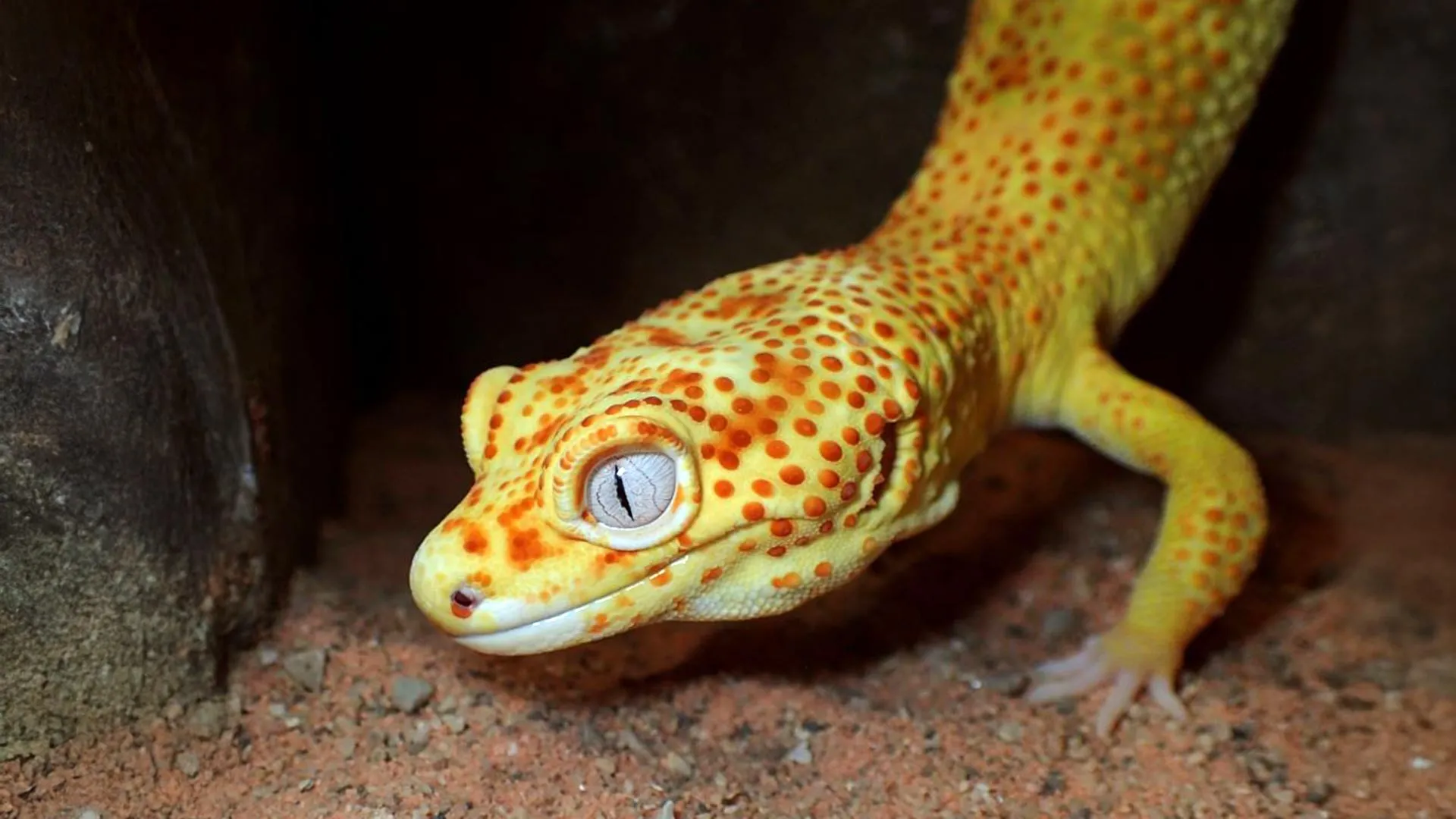
Scientists have unveiled groundbreaking research indicating that a specific variety of leopard gecko, known for its striking coloration and unfortunate susceptibility to aggressive tumors, may hold crucial keys to understanding the complexities of cancer. This animal’s naturally occurring cancers, which often manifest at a relatively early age and metastasize, offer an unprecedented opportunity to observe the disease’s natural progression, evolution, and spread in a non-induced model. The findings, spearheaded by the University of Nottingham and published in the peer-reviewed journal BMC Biology, highlight significant genetic commonalities between gecko tumors and human cancers, potentially paving the way for novel diagnostic tools and therapeutic strategies in human medicine.
The Lemon Frost Phenomenon: A Striking Pet with a Tragic Predisposition
The subject of this pivotal research is the "lemon frost" morph of the leopard gecko (Eublepharis macularius), a popular reptile in the global pet trade. Renowned for its vibrant white and yellow pigmentation, the lemon frost gecko emerged from a spontaneous genetic mutation discovered during selective breeding efforts within a large captive colony. Leopard geckos are typically native to the arid grasslands and deserts of Afghanistan, Pakistan, India, and Nepal, where they are nocturnal predators. Their adaptable nature and relatively docile temperament have made them a favorite among reptile enthusiasts, leading to the development of numerous color and pattern variations, or "morphs," through controlled breeding programs.
The lemon frost morph, with its distinctive appearance, quickly gained popularity among breeders and collectors. However, this aesthetic appeal was soon overshadowed by a concerning and consistent pattern: a remarkably high incidence of aggressive tumors. Breeders began reporting that approximately 80% of these visually stunning geckos would develop malignant growths, often spreading rapidly to other parts of the body. This alarming prevalence starkly contrasts with many other reptile species, such as turtles and tortoises, which are notably resistant to cancer. The stark difference immediately piqued the interest of the scientific community, suggesting a unique genetic predisposition at play.
Deciphering the Genetic Code: Unveiling Shared Cancer Pathways
To unravel the mystery behind the lemon frost gecko’s extreme vulnerability, the international research team, led by Dr. Ylenia Chiari from the School of Life Sciences at the University of Nottingham, undertook a comprehensive genomic study. Utilizing advanced whole genome sequencing techniques, scientists meticulously compared tumor samples with healthy tissue obtained from the same affected geckos. This approach allowed them to pinpoint specific genetic alterations and mutations that were consistently present in the cancerous cells.
The results were compelling. The researchers identified a recurring set of genetic changes across the tumor samples, many of which involve the same genes and biological pathways that are well-established drivers of human cancers. These pathways regulate critical cellular functions such as cell growth, division, and programmed cell death (apoptosis). Disruptions in these pathways can lead to uncontrolled cell proliferation, a hallmark of cancer. The discovery of such strong genetic parallels between a reptile and humans underscores the conserved evolutionary mechanisms underlying cancer development across diverse species. It suggests that insights gained from studying the gecko’s unique biology could indeed have direct relevance to human oncology.
A Comparative Oncology Perspective: Why Some Species Resist, Others Succumb
The study of the lemon frost gecko contributes significantly to the burgeoning field of comparative oncology, which investigates the differences and similarities in cancer across various species. This field seeks to understand why certain animals are remarkably resistant to cancer, while others, like the lemon frost gecko, are highly susceptible. For instance, species such as the naked mole rat, elephants, and bowhead whales exhibit extraordinary cancer resistance despite their long lifespans and large body sizes – characteristics that, according to Peto’s Paradox, should correlate with higher cancer rates due to more cell divisions. These animals have evolved sophisticated anti-cancer mechanisms, such as hyper-tumour suppressor genes or unique cellular responses to DNA damage, offering valuable clues for human cancer prevention.
Conversely, the lemon frost gecko represents the other end of the spectrum, offering a rare window into extreme susceptibility. Dr. Chiari emphasized the importance of this dual approach: "By studying why some animals are so susceptible to cancer while others are remarkably resistant, we hope to uncover the different ways species have evolved to deal with cancer. Specifically, this gecko could become an incredible model in cancer research because tumors appear naturally at a relatively early age. Together, these natural strategies could inspire new ways of preventing, detecting, and treating cancer in humans." The natural occurrence of tumors at a young age in the lemon frost gecko is particularly valuable, as it allows researchers to study the disease from its nascent stages through to metastasis without the need for artificial induction, providing a more authentic biological context.
The Advantage of Natural Models Over Traditional Approaches
Traditional cancer research heavily relies on laboratory mice, which often require scientists to genetically engineer them or expose them to carcinogens to induce tumor growth. While invaluable, these induced models have limitations. They may not fully replicate the complex environmental and genetic factors that contribute to spontaneous cancer development in humans. Furthermore, the genetic homogeneity of lab strains can sometimes mask individual variations in cancer susceptibility or response to treatment.
The lemon frost gecko circumvents many of these challenges. Its tumors develop naturally, mirroring the spontaneous nature of most human cancers. Crucially, these tumors frequently metastasize – the process by which cancer cells spread from the primary site to other parts of the body. Metastasis is the primary cause of cancer-related deaths in humans and remains one of the most challenging aspects to treat. The gecko’s natural propensity for metastasis provides scientists with an unparalleled opportunity to observe and study this critical process in a living organism under natural conditions, offering insights that are difficult to obtain from artificially induced models. This allows researchers to track the evolution of the cancer, identify the molecular drivers of metastasis, and test potential interventions in a physiologically relevant setting.
Brandon Hastings, a PhD researcher at the University of Nottingham and one of the study’s authors, underscored the broader implications of this approach: "Overall, our paper demonstrates the importance of looking across the tree of life in search of answers that are needed to better understand diseases that can have a profound impact on human life, such as cancer. Methodologically, it also highlights that the variety of genomic software programs developed to analyze human cancers can be adapted to provide meaningful insights in diverse organisms." This highlights the interdisciplinary nature of modern science, where tools developed for one area can be repurposed to unlock discoveries in another.
A Collaborative International Effort and Expert Perspectives
The groundbreaking study was the result of a concerted international collaboration, bringing together expertise from various institutions. Beyond Dr. Ylenia Chiari and Brandon Hastings from the University of Nottingham, the team included Dr. Scott Glaberman from the University of Birmingham, Dr. Tony Gamble from Marquette University, Dr. Robert Ossiboff from the University of Florida, and Virginia Gazziero and Dr. Giulio Caravagna from the University of Trieste. This multidisciplinary team, encompassing expertise in evolutionary biology, genetics, veterinary medicine, and oncology, was essential for tackling such a complex biological question.
Dr. Glaberman’s insights further cemented the importance of biodiversity in scientific discovery. He commented, "We often look inward to solve human problems, but every species has something to teach us. By studying both animals that are vulnerable to cancer and those that resist it, we have far greater power to understand the disease itself. This is one of the many reasons why protecting biodiversity is so important." His statement resonates with the growing recognition that the natural world is a vast, untapped library of biological solutions, many of which could be directly applicable to human health challenges. The loss of biodiversity means the potential loss of these invaluable insights.
Broader Implications for Human Health and Beyond
The findings from the lemon frost gecko study carry significant implications across several domains:
1. Advancing Human Cancer Research: The identification of shared genetic pathways between gecko and human cancers opens new avenues for research. Scientists can now investigate whether specific anti-cancer drugs effective in humans could also target similar pathways in geckos, and vice-versa. This comparative approach could accelerate drug discovery, identify novel therapeutic targets, and lead to a deeper understanding of resistance mechanisms. The natural metastatic potential of the gecko tumors is particularly critical, offering a unique model to study how cancer spreads and how to effectively intervene.
2. Enhancing Veterinary Medicine: For the pet trade and veterinary community, this research provides vital information for the care and welfare of lemon frost geckos. Understanding the genetic basis of their cancer predisposition could lead to improved diagnostic tools, targeted treatments, and potentially, selective breeding programs aimed at reducing the incidence of tumors in future generations of this popular morph. This could significantly improve the health and lifespan of these captivating reptiles.
3. Evolutionary Biology and Cancer: The study offers profound insights into the evolutionary biology of cancer. By comparing the genetic landscape of cancer in a species with extreme susceptibility to those with extreme resistance, researchers can better understand the evolutionary pressures that have shaped cancer defense mechanisms across the tree of life. This could reveal fundamental principles of cancer development and suppression that are applicable to all living organisms, including humans.
4. The Value of Biodiversity: As Dr. Glaberman articulated, the discovery underscores the immense, often unforeseen, value of biodiversity. Every species, regardless of its size or perceived importance, holds unique biological information that could be crucial for solving complex human problems. Protecting the vast genetic and species diversity on Earth is not just an ecological imperative but also a medical and scientific one.
Future Directions and Unanswered Questions
While this study marks a significant leap forward, it also opens the door to numerous future research questions. The Nottingham team and their collaborators are likely to delve deeper into the specific genetic mutations identified, seeking to understand their precise functional impact on cell biology and tumor formation. Further studies might involve:
- Functional Genomics: Investigating how the identified genes are expressed and regulated in both healthy and cancerous gecko cells.
- Therapeutic Screening: Testing potential anti-cancer compounds on gecko tumor cells or in live geckos to assess their efficacy.
- Longitudinal Studies: Observing the complete trajectory of tumor development and metastasis in individual geckos over time.
- Gene Editing: Potentially using CRISPR-Cas9 technology to investigate the role of specific genes by knocking them out or altering their function in gecko cells.
The lemon frost gecko, once merely a striking curiosity in the pet trade, has now emerged as a critical biological model. Its tragic susceptibility to cancer is transforming into a beacon of hope for medical science, demonstrating that sometimes, the most unexpected creatures hold the most profound answers to humanity’s most persistent challenges. The ongoing research promises to enrich our understanding of cancer, offering new avenues for prevention, diagnosis, and treatment for both humans and animals alike.
