
 By George Ongkojoyo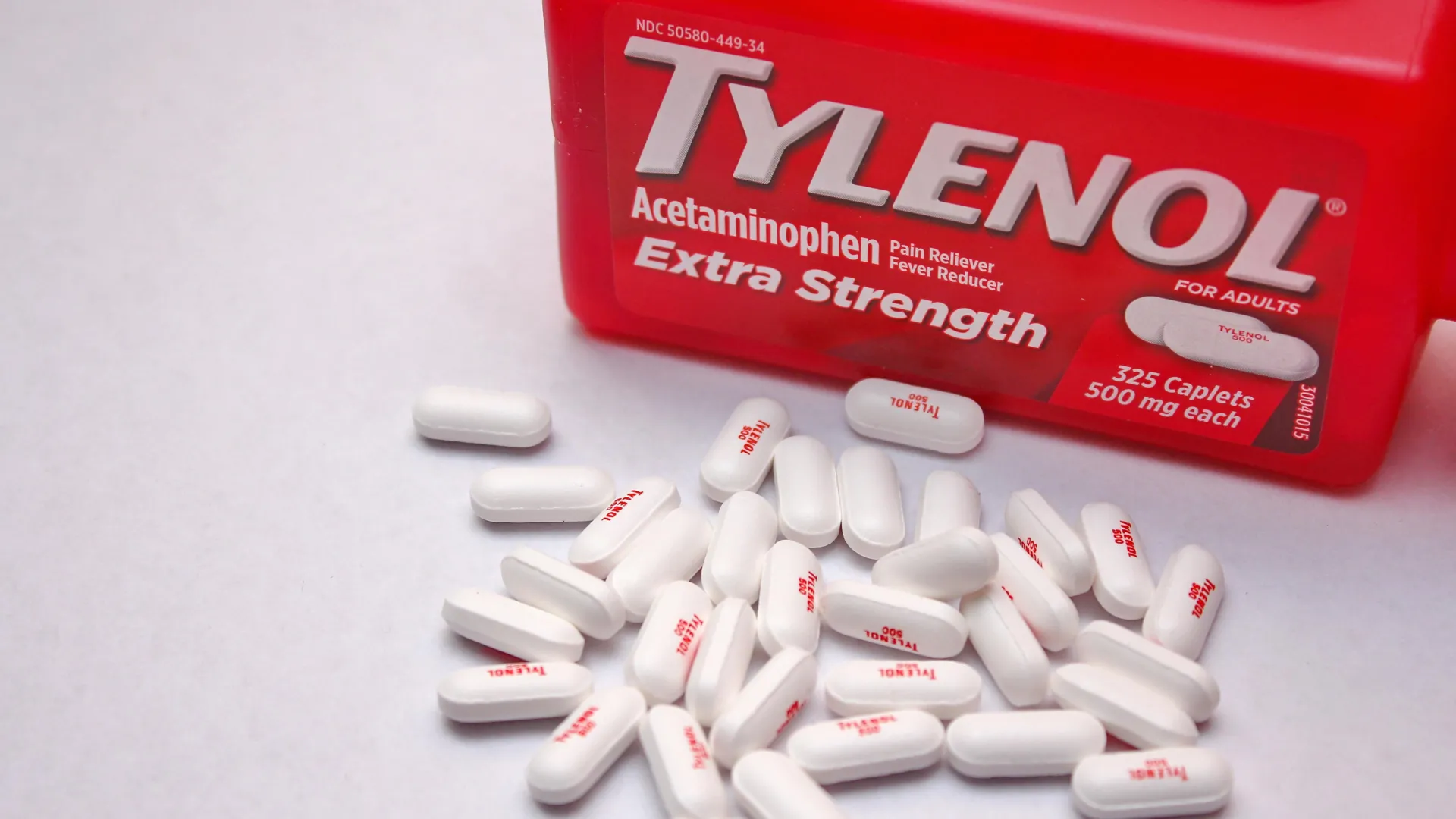
In a landmark study that challenges long-held assumptions regarding the safety of over-the-counter medications, researchers from the University of South Australia (UniSA) have identified a concerning link between common painkillers and the acceleration of antimicrobial resistance (AMR). The research indicates that ibuprofen and acetaminophen—staples in medicine cabinets worldwide—do not merely exist alongside antibiotics in the human body but can actively drive the mutation of bacteria, rendering treatments for common infections significantly less effective. This discovery adds a new layer of complexity to what the World Health Organization (WHO) has already classified as one of the top ten global public health threats facing humanity.
The study, led by Associate Professor Rietie Venter and her team at UniSA, focused on the interaction between non-antibiotic medications and the broad-spectrum antibiotic ciprofloxacin. By observing the behavior of Escherichia coli (E. coli), a common bacterium responsible for a vast array of gut and urinary tract infections, the researchers found that the presence of ibuprofen and acetaminophen significantly increased the rate of bacterial mutations. These mutations allowed the bacteria to survive and thrive despite the presence of antibiotics, effectively turning common ailments into potentially untreatable conditions.
The Biological Mechanism of Accelerated Resistance
At the heart of this discovery is the way bacteria respond to chemical stressors. Traditionally, antibiotic resistance has been blamed primarily on the overuse and misuse of antibiotics themselves. However, the UniSA study reveals that non-antibiotic drugs can act as catalysts for genetic change. When E. coli was exposed to ciprofloxacin in combination with ibuprofen or acetaminophen, the bacteria developed genetic mutations at a much higher frequency than when exposed to the antibiotic alone.
Associate Professor Venter explained that the research uncovered specific genetic mechanisms behind this phenomenon. The presence of these painkillers appears to activate the bacteria’s natural defense systems, specifically their "efflux pumps." These are protein-based machines within the cell wall of the bacteria that act as bilge pumps, actively expelling foreign substances—including antibiotics—before they can cause damage to the bacterial cell. By inducing these defenses, ibuprofen and acetaminophen effectively "train" the bacteria to resist not just ciprofloxacin, but multiple other classes of antibiotics, a phenomenon known as cross-resistance.
This finding is particularly alarming because it suggests that the "resistance profile" of a patient’s infection can be altered by medications they are taking for unrelated symptoms, such as a headache or a fever. The bacteria do not merely become resistant to the drug they are currently facing; they become hardier across the board, making future infections significantly harder to manage.
Polypharmacy and the Crisis in Aged Care
While the implications of this study are universal, the researchers highlighted a specific demographic at extreme risk: residents of aged care facilities. In these environments, "polypharmacy"—the concurrent use of five or more medications—is the clinical norm rather than the exception. Elderly patients are frequently prescribed a cocktail of drugs to manage chronic conditions such as hypertension, diabetes, and arthritis, alongside PRN (as needed) medications for pain or sleep.
"This is especially prevalent in residential aged care facilities, where older people are more likely to be prescribed multiple medications," Assoc. Prof. Venter noted. "It makes it an ideal breeding ground for gut bacteria to become resistant to antibiotics."
In the UniSA study, researchers assessed nine medications commonly found in the treatment regimens of aged care residents:
- Ibuprofen: A non-steroidal anti-inflammatory drug (NSAID) used for pain and inflammation.
- Acetaminophen (Paracetamol): A common analgesic and antipyretic for fever.
- Diclofenac: An NSAID often used for chronic arthritis pain.
- Furosemide: A diuretic used to treat fluid retention and high blood pressure.
- Metformin: The primary medication for managing type 2 diabetes.
- Atorvastatin: A statin used to lower cholesterol.
- Tramadol: An opioid pain medication used for moderate to severe pain.
- Temazepam: A sedative used to treat insomnia.
- Pseudoephedrine: A common decongestant found in cold and flu medicines.
The interaction between these drugs creates a complex chemical environment within the human gut. When an antibiotic is introduced into this environment, the bacteria are already in a state of "high alert" due to the presence of other medications, leading to the rapid adaptation and mutation observed in the study.
A Chronology of the Antibiotic Resistance Crisis
To understand the weight of the UniSA findings, one must look at the timeline of antimicrobial resistance over the last century.
- 1928: Alexander Fleming discovers penicillin, marking the beginning of the antibiotic era.
- 1945: During his Nobel Prize acceptance speech, Fleming warns that the public might underdose themselves, leading to the emergence of resistant "microbes."
- 1960s-1980s: The "Golden Age" of antibiotic discovery sees dozens of new drug classes enter the market. Resistance is noted but managed by switching to newer drugs.
- 2000s: The pipeline for new antibiotics begins to dry up. Pharmaceutical companies pivot away from antibiotics due to low profit margins compared to chronic disease medications.
- 2014: The O’Neill Report, commissioned by the UK government, predicts that AMR could kill 10 million people annually by 2050 if no action is taken.
- 2019: A comprehensive study published in The Lancet reveals that bacterial AMR was directly responsible for 1.27 million deaths globally in a single year and played a role in nearly 5 million deaths total.
- 2024: The UniSA study provides the first concrete evidence that common, non-antibiotic OTC drugs are a significant, previously overlooked driver of this crisis.
This chronology illustrates a shift from a problem of "misuse of a single tool" to a systemic biological challenge where the very environment of modern medicine—characterized by heavy medication use—is working against the efficacy of infectious disease treatments.
Supporting Data: The Global Burden of AMR
The statistics surrounding antimicrobial resistance paint a grim picture of the future of healthcare. According to the World Health Organization, the economic cost of AMR is significant. Beyond death and disability, prolonged illness results in longer hospital stays, the need for more expensive medicines, and financial challenges for those impacted.
In the United States alone, the CDC estimates that more than 2.8 million antibiotic-resistant infections occur each year, leading to more than 35,000 deaths. When the UniSA findings are applied to these figures, the scale of the problem expands. If ibuprofen and acetaminophen—two of the most consumed drugs on the planet—are accelerating this process, the current models for predicting resistance rates may be conservative.
The global consumption of acetaminophen is estimated in the billions of doses annually. If even a small percentage of these doses are taken in conjunction with antibiotics, the cumulative effect on the global "resistome" (the collection of all resistance genes in the environment and human microbiome) could be staggering.
Expert Reactions and Clinical Implications
While the medical community has long been aware of drug-drug interactions (where one drug changes the metabolism of another), the idea that a non-antibiotic drug could change the evolutionary trajectory of a bacterium is a paradigm shift.
Clinical pharmacists and infectious disease specialists have expressed a need for immediate review of prescribing guidelines. Dr. Sarah Jenkins, a clinical researcher not involved in the UniSA study, noted that "we have traditionally focused on ‘antibiotic stewardship’—using the right antibiotic for the right duration. This research suggests we need ‘total medication stewardship.’ We must look at the patient’s entire pillbox when treating an infection."
The study does not suggest that patients should immediately stop taking pain relief. Rather, it advocates for a more mindful approach to "combination therapy." For years, patients have been told that taking ibuprofen alongside an antibiotic for an infected tooth or a UTI is a safe way to manage symptoms. The UniSA research suggests that this practice may come with a hidden cost: the survival of a more resilient strain of bacteria.
Future Research and Global Policy Shift
The researchers at UniSA are now calling for an expansion of this study to include a wider range of medications and different types of bacteria. The goal is to create a comprehensive map of drug interactions that contribute to resistance.
"Antibiotic resistance isn’t just about antibiotics anymore," Assoc. Prof. Venter reiterated. "This study is a clear reminder that we need to carefully consider the risks of using multiple medications."
The implications for global health policy are profound. If common OTC medications are contributing to AMR, regulatory bodies like the FDA in the United States and the TGA in Australia may eventually need to include warnings on packaging regarding the use of these drugs during a course of antibiotics. Furthermore, it highlights the urgent need for the development of "adjuvant" therapies—drugs that can be taken alongside antibiotics to block the efflux pumps and prevent the mutations identified by the UniSA team.
As the world continues to grapple with the "silent pandemic" of antibiotic resistance, this research serves as a critical turning point. It moves the conversation away from a narrow focus on antibiotic prescriptions and toward a holistic understanding of how modern pharmacology interacts with the microbial world. For the millions of people who rely on these medications daily, the message is one of caution and the necessity for further scientific inquiry into the hidden lives of the bacteria that share our bodies.
