
 By Lina carolina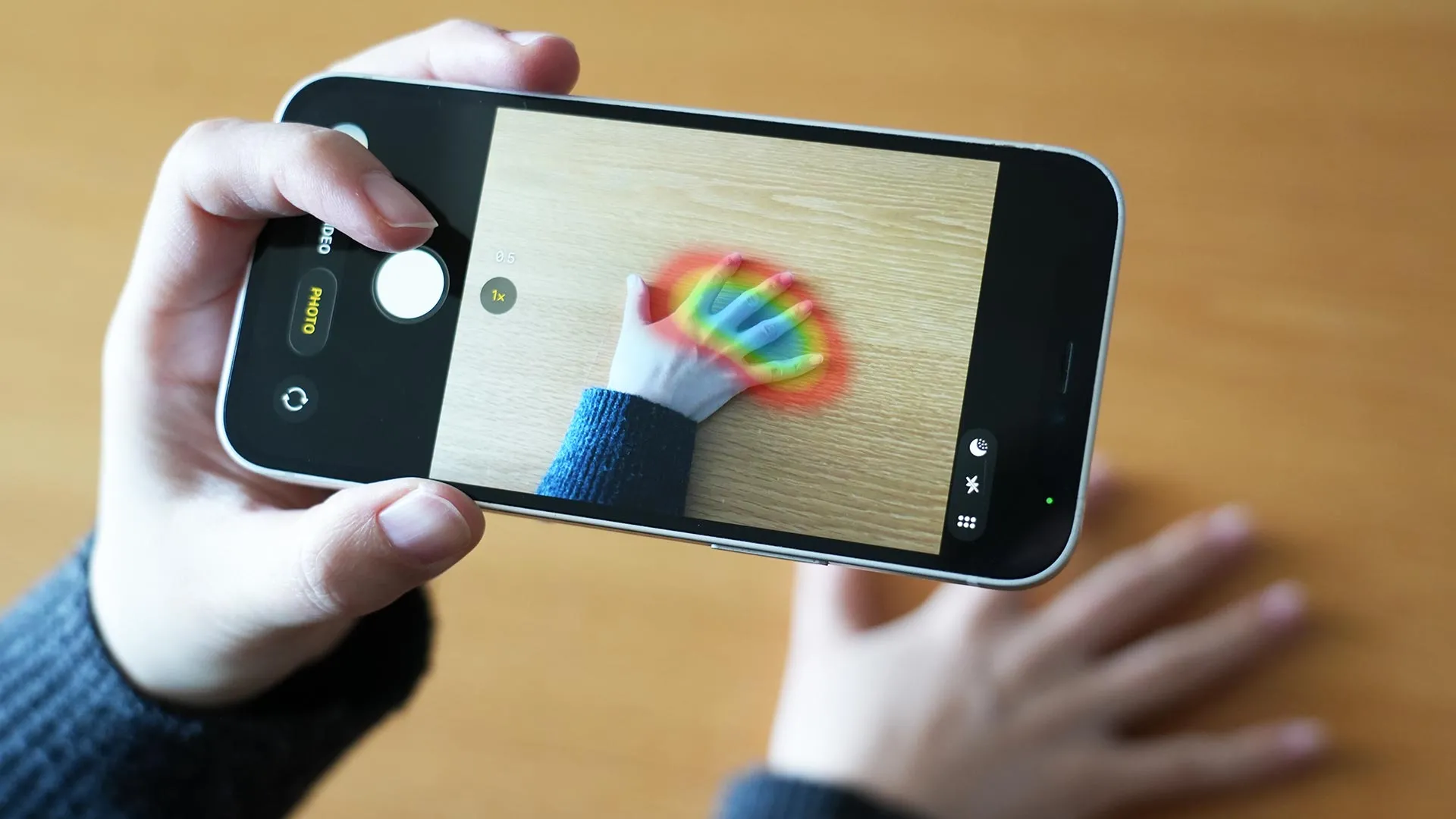
Kobe, Japan – In a significant stride towards advancing diagnostic capabilities while rigorously safeguarding patient privacy, researchers at Kobe University have unveiled an innovative artificial intelligence (AI) system capable of identifying the rare endocrine disorder acromegaly through an analysis of photographs of the back of the hand and a clenched fist. This groundbreaking approach sidesteps the need for facial imagery, a common practice in many AI-driven diagnostic tools, thereby mitigating privacy concerns and potentially broadening the accessibility of early detection for this chronic condition. The technology holds the promise of streamlining referrals to specialists and enhancing healthcare access, particularly in remote or underserved regions.
Understanding Acromegaly: A Silent, Progressive Disorder
Acromegaly, the focus of this pioneering AI development, is an uncommon and often insidious endocrine disorder typically emerging in middle age. It stems from the overproduction of growth hormone (GH) by the pituitary gland. This hormonal imbalance triggers a cascade of physiological changes, most notably the gradual enlargement of extremities – hands and feet – and distinct alterations in facial features, including prominent brow ridges, an enlarged jaw, and widening spaces between teeth. Beyond these visible manifestations, acromegaly can also lead to abnormal bone growth and the enlargement of internal organs.
The insidious nature of acromegaly lies in its slow progression. Symptoms often develop over many years, making early recognition a considerable challenge for both patients and clinicians. This protracted diagnostic journey means that many individuals live with the condition for years, sometimes a decade or more, before receiving a formal diagnosis. Untreated, acromegaly can have severe and life-altering consequences, significantly increasing the risk of serious health complications such as cardiovascular disease, diabetes, sleep apnea, and joint problems. Consequently, individuals with undiagnosed or inadequately treated acromegaly face a shortened life expectancy, often by as much as ten years.
Hidenori Fukuoka, an endocrinologist at Kobe University and a lead researcher on the project, underscored the diagnostic delay commonly associated with acromegaly. "Because the condition progresses so slowly, and because it is a rare disease, it is not uncommon to take up to a decade for it to be diagnosed," Fukuoka stated. He further elaborated on the ongoing efforts to leverage technology for early detection: "With the progress of AI tools, there have been attempts to use photographs for early detection, but they have not been adopted in clinical practice." This statement highlights a critical gap that the Kobe University team aimed to bridge with their novel, privacy-conscious AI.
A Paradigm Shift: Privacy-Centric AI Design
The research journey began with a thorough review of existing AI applications in medical diagnostics. The Kobe University team observed a prevailing reliance on facial photographs for disease identification. While effective for certain conditions, this methodology frequently raises significant privacy concerns among patients, who may be hesitant to share personal images, especially for a condition they are not yet certain they have. Recognizing this barrier, the researchers consciously opted for a different, more privacy-preserving strategy.
Yuka Ohmachi, a graduate student at Kobe University and a key member of the research team, explained the rationale behind their choice: "Trying to address this concern, we decided to focus on the hands, a body part we routinely examine alongside the face in clinical practice for diagnostic purposes, particularly because acromegaly often manifests changes in the hands." The hands are a well-documented site for acromegaly-related changes, including enlargement, thickening of the skin, and increased spacing between fingers. These physical alterations, often subtle in the early stages, can serve as crucial indicators.
To further fortify patient privacy, the researchers meticulously defined the scope of their photographic data. They deliberately limited image capture to the back of the hand and a clenched fist. This strategic decision was driven by the desire to avoid capturing unique palm line patterns, which are highly individual and could potentially be used to identify individuals. By focusing on these specific views, the team aimed to create a robust diagnostic tool that minimized the risk of unauthorized personal identification. This thoughtful approach proved instrumental in facilitating the recruitment of a substantial participant cohort.
A Robust Dataset Fuels AI Development
The development of the AI model was powered by an extensive dataset comprising over 11,000 images contributed by 725 patients. This diverse dataset was meticulously gathered from 15 different medical institutions across Japan, ensuring a broad representation of patient demographics and disease manifestations. The collaborative effort involved a wide array of institutions, including Fukuoka University, Hyogo Medical University, Nagoya University, Hiroshima University, Toranomon Hospital, Nippon Medical School, Kagoshima University, Tottori University, Yamagata University, Okayama University, Hyogo Prefectural Kakogawa Medical Center, Hokkaido University, International University of Health and Welfare, Moriyama Memorial Hospital, and Konan Women’s University. This extensive collaboration underscores the significance of the research and the commitment of multiple institutions to advancing acromegaly diagnosis.
The collected images were systematically employed to train and rigorously test the AI model. The training phase involved exposing the AI to a vast array of hand images, both from individuals diagnosed with acromegaly and from healthy controls, allowing the algorithm to learn the subtle visual cues associated with the disease. Subsequent testing phases evaluated the AI’s performance on unseen data, providing an objective measure of its diagnostic accuracy and reliability.
AI Achieves Unprecedented Diagnostic Accuracy
The culmination of this extensive research was the publication of the team’s findings in the prestigious Journal of Clinical Endocrinology & Metabolism. The results presented a compelling case for the efficacy of their AI system. The model demonstrated exceptionally high levels of sensitivity and specificity in identifying acromegaly from the hand images alone. Sensitivity, a measure of the AI’s ability to correctly identify those with the disease, was remarkably high, indicating that it could reliably detect true positive cases. Specificity, which measures the AI’s ability to correctly identify those without the disease, was also impressive, minimizing the occurrence of false positives.
Perhaps the most striking finding was the direct comparison between the AI’s performance and that of experienced endocrinologists. In a head-to-head evaluation using the same set of photographs, the AI model not only matched but demonstrably outperformed seasoned specialists. This outcome was particularly surprising and validating for the research team.
"Frankly, I was surprised that the diagnostic accuracy reached such a high level using only photographs of the back of the hand and the clenched fist," stated Ohmachi. "What struck me as particularly significant was achieving this level of performance without facial features, which makes this approach a great deal more practical for disease screening." This observation highlights the transformative potential of the AI, as it can provide a reliable diagnostic aid without the inherent privacy hurdles associated with facial recognition technology.
Expanding Horizons: AI for Broader Medical Screening
The success in detecting acromegaly has ignited enthusiasm among the researchers to explore the broader applications of their AI technology. The team now harbors ambitions to adapt their system for the early detection of a range of other medical conditions that manifest visible changes in the hands.
Potential targets for future development include:
- Rheumatoid Arthritis: This chronic inflammatory disorder often affects the joints of the hands, leading to characteristic swelling, stiffness, and deformities. AI analysis of hand images could potentially identify early signs of inflammation and joint damage.
- Anemia: Certain types of anemia can cause paleness of the skin, particularly noticeable in the hands. While not as visually dramatic as other conditions, subtle color changes might be detectable by sophisticated AI algorithms.
- Finger Clubbing: This is a physical sign characterized by bulbous enlargement of the fingertips and a loss of the normal angle between the nail and the finger. It can be associated with various cardiopulmonary conditions, including lung cancer and congenital heart disease.
"This result could be the entry point for expanding the potential of medical AI," Ohmachi remarked, underscoring the far-reaching implications of their work. The ability to leverage a single, privacy-preserving AI platform for screening multiple conditions could revolutionize preventative healthcare.
Complementing Expertise: The Future Role of AI in Clinical Practice
It is crucial to emphasize that the Kobe University researchers envision their AI tool as a powerful assistant to physicians, rather than a replacement for human expertise. In real-world clinical settings, the diagnosis of any condition, including acromegaly, involves a comprehensive approach that integrates multiple data points. This includes detailed patient medical histories, results from laboratory tests (such as blood tests to measure GH and IGF-1 levels), and thorough physical examinations.
The AI system, as conceptualized by the Kobe University team, is designed to "complement clinical expertise, reduce diagnostic oversight and enable earlier intervention." By providing an objective and highly accurate initial assessment based on readily available visual data, the AI can flag potential cases for further investigation. This can significantly expedite the diagnostic process, particularly for rare conditions that might otherwise be overlooked.
Study lead Fukuoka articulated a compelling vision for the future integration of this technology into healthcare infrastructure. "We believe that, by further developing this technology, it could lead to creating a medical infrastructure during comprehensive health check-ups to connect suspected cases of hand-related disorders to specialists," he stated. This vision extends to supporting non-specialist physicians, particularly those practicing in regional or rural healthcare settings where access to specialized expertise may be limited. By empowering these clinicians with a reliable diagnostic aid, the AI could play a pivotal role in "reducing healthcare disparities there."
Broader Implications and Future Trajectory
The implications of this research extend beyond the immediate benefits for acromegaly patients. The successful development of a privacy-preserving AI for medical diagnostics opens new avenues for utilizing AI in healthcare, particularly in areas where data privacy is paramount.
Supporting Data and Context:
- Prevalence of Acromegaly: While considered rare, estimates suggest that acromegaly affects approximately 3 to 139 cases per million people globally. Early diagnosis is critical to mitigating its severe health consequences.
- Diagnostic Delays: Studies consistently report average diagnostic delays for acromegaly ranging from 4 to 10 years, underscoring the need for more efficient screening methods.
- AI in Healthcare Market: The global AI in healthcare market is projected for substantial growth, with various applications in diagnostics, drug discovery, and patient monitoring. This research contributes to this expanding field.
Potential Reactions and Inferences:
- Endocrinology Community: It is highly probable that endocrinologists, particularly those specializing in pituitary disorders, would view this development with considerable interest and optimism. The potential for earlier and more accurate diagnosis could significantly improve patient outcomes.
- Patient Advocacy Groups: Organizations dedicated to rare diseases and endocrine disorders would likely welcome such advancements, as they offer hope for faster diagnosis and better management of chronic conditions.
- Healthcare Policy Makers: Policymakers may see this technology as a valuable tool for improving healthcare efficiency, reducing diagnostic costs, and addressing healthcare disparities, especially in underserved regions.
Fact-Based Analysis of Implications:
- Enhanced Early Detection: The AI’s ability to identify subtle visual cues can lead to earlier diagnosis, allowing for timely intervention and potentially preventing or mitigating the long-term complications of acromegaly.
- Reduced Healthcare Burden: Earlier diagnosis and management can lead to fewer hospitalizations and a reduced need for complex, late-stage treatments, thereby alleviating the burden on healthcare systems.
- Democratization of Healthcare: By enabling remote screening and supporting non-specialist physicians, this technology can extend the reach of expert-level diagnostic support to areas with limited access to specialists.
- Ethical Considerations in AI Development: The Kobe University team’s proactive approach to patient privacy sets a precedent for future AI development in healthcare, emphasizing the ethical imperative to balance innovation with data protection.
The research was made possible through funding from the Hyogo Foundation for Science Technology, underscoring the importance of public and private investment in cutting-edge medical research. The comprehensive nature of the collaboration, involving numerous academic and medical institutions, highlights a unified commitment to pushing the boundaries of medical AI and improving patient care. As this technology matures, it has the potential to fundamentally alter how rare endocrine diseases are detected and managed, offering a beacon of hope for improved health outcomes and greater equity in healthcare access worldwide.
