
 By admin
The scenic North Shore of Lake Superior is preparing to host one of the United States’ most storied distance running events, but for a dedicated group of participants, the upcoming Grandma’s Marathon in Duluth, Minnesota, represents more than a test of physical endurance. Among the thousands of athletes descending upon the city are members of Team CCRF, a fundraising arm of the Children’s Cancer Research Fund (CCRF). These runners are lacing up their shoes with a specific mandate: to bridge the critical funding gap in pediatric oncology research. As the race approaches, the stories of individual runners like Tim Lapping and Tami Swenson highlight the intersection of personal tragedy, professional expertise, and the collective effort to eliminate childhood cancer.
The annual race weekend, which includes the full marathon, the Garry Bjorklund Half Marathon, and the William A. Irvin 5K, has long been a staple of the Minnesota sporting calendar. Founded in 1977, Grandma’s Marathon has grown from a local race with 150 participants to a world-class event attracting over 20,000 runners annually. While the course is famous for its point-to-point route from Two Harbors to Duluth and its breathtaking views of the lake, the event has also become a significant platform for philanthropic endeavors. Charity partners like CCRF utilize the visibility of the marathon to raise awareness and funds for causes that receive a disproportionately small amount of federal research grants compared to adult cancers.
The Professional and Personal Intersection of Tim Lapping
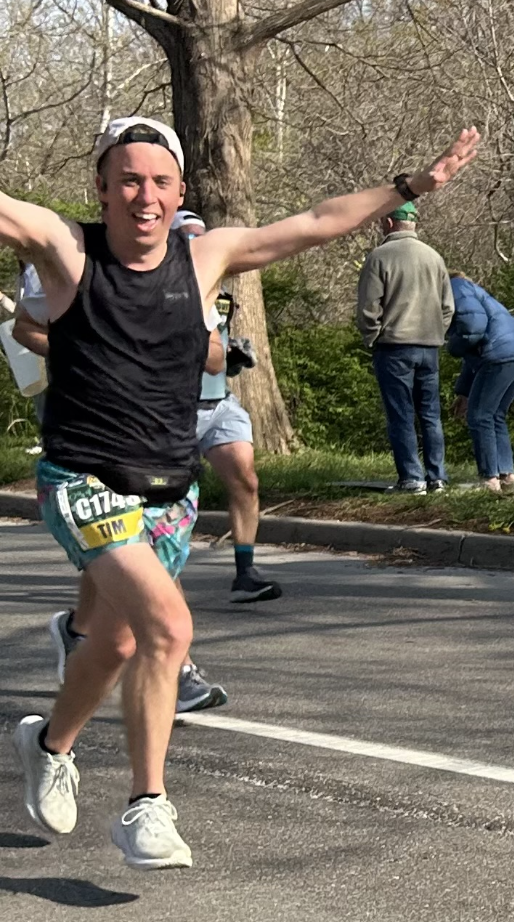
For Tim Lapping, a resident of Kansas City, the decision to participate in Grandma’s Marathon was driven by a unique synthesis of his professional life and a family crisis. Lapping has spent more than a decade working within the sphere of clinical research, a field dedicated to the rigorous testing of new medical treatments before they reach the general public. His career included significant time spent managing oncology studies at a local children’s hospital, where he observed the complexities of pediatric cancer treatment firsthand.
Lapping’s professional understanding of the medical landscape provided him with a clear view of how donor-funded research functions as a lifeline for families. In the United States, pediatric cancer research often relies heavily on private donations because federal funding from the National Cancer Institute (NCI) is largely directed toward adult cancers, which affect a larger portion of the population. Lapping noted that without the influx of private capital, many of the clinical trials he managed would never have moved past the conceptual stage.
The abstract nature of his work became intensely personal when his four-year-old nephew was diagnosed with leukemia. The diagnosis forced Lapping to see the clinical environment from the perspective of a grieving family member rather than a researcher. His nephew underwent an arduous treatment regimen, a process that is often as taxing on the body as the disease itself. Today, Lapping’s nephew has been cancer-free for approximately two years. Lapping attributes this outcome directly to the decades of incremental progress made through research—progress that is only possible when funding is consistent and robust.
As he prepares for his first-ever marathon, Lapping has integrated his training into a broader family narrative. Accompanied by his wife, Sophie, and their sons, Freddie and Beau, the trip to Duluth serves as both a personal milestone and a mission of advocacy. Training four days a week in the humid climate of the Midwest, Lapping maintains that the philanthropic component of his run is what sustains his motivation during the most grueling miles. By turning his personal challenge into a fundraising vehicle, he aims to ensure that future families have access to the same lifesaving breakthroughs that saved his nephew.
Tami Swenson: Running Through Grief and Toward Hope
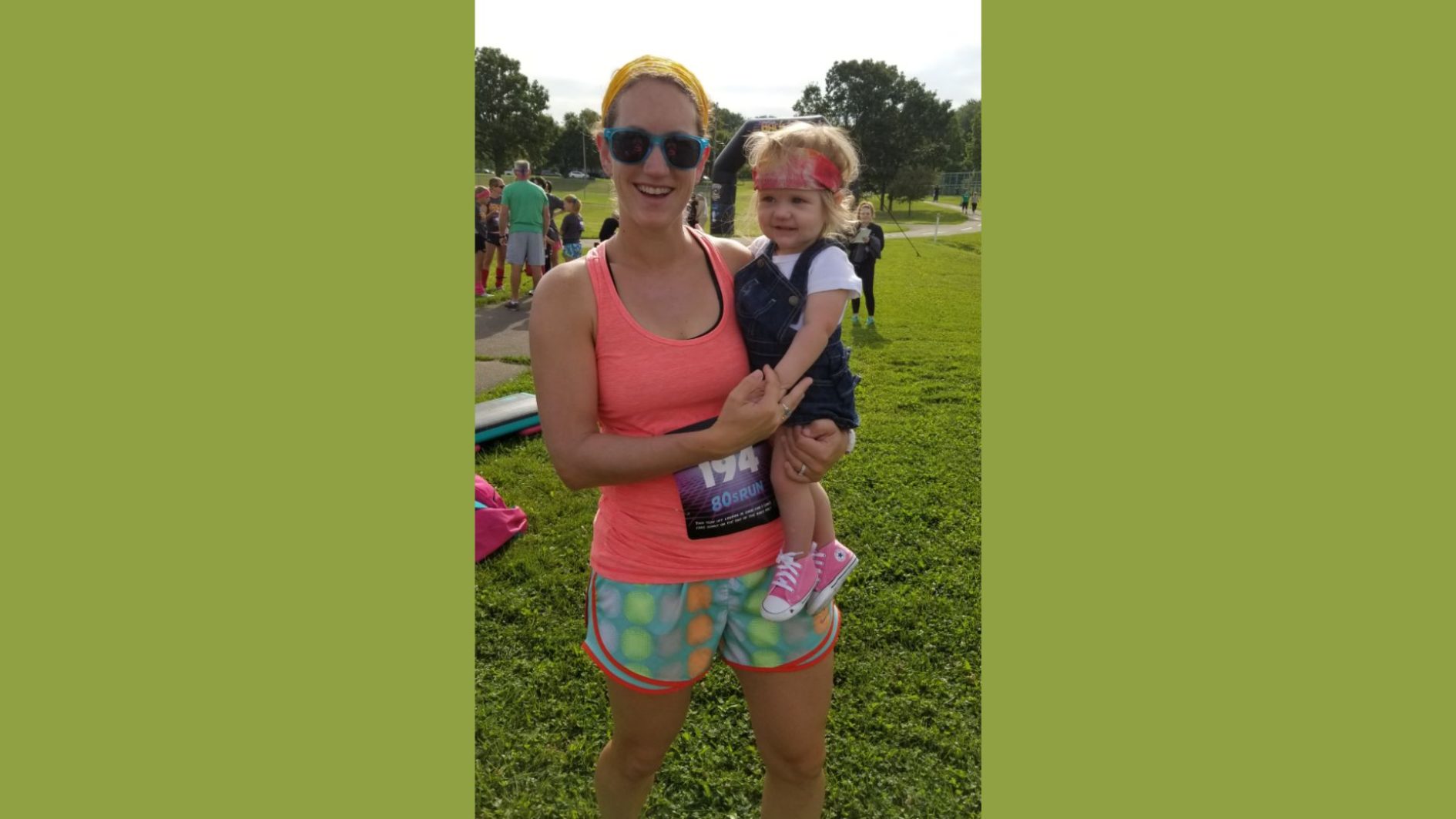
While Tim Lapping runs to celebrate a survival story, Tami Swenson runs to honor a legacy. Swenson, an experienced marathoner who has completed over 15 races across California, is joining Team CCRF following the loss of her daughter, Ada. In 2023, five-year-old Ada passed away after a 15-month battle with leukemia. Her journey through the medical system was exhaustive, encompassing multiple rounds of chemotherapy, a bone marrow transplant, and participation in two separate clinical trials.
Leukemia remains the most common form of cancer in children and adolescents, accounting for nearly one out of every three cancer cases in minors. Despite high survival rates for some forms of the disease, like Acute Lymphoblastic Leukemia (ALL), other variations and relapsed cases remain incredibly difficult to treat. Ada’s experience underscores the limitations of current medical technology and the urgent need for "next-generation" therapies that are more effective and less toxic to developing bodies.
Throughout her treatment, Ada became a symbol of resilience within her community and the hospital. Her family recalls her riding a bicycle through the sterile hallways of the oncology ward, often clutching a "C.C. Bear," a signature plush toy provided by the Children’s Cancer Research Fund to provide comfort to young patients. For Tami Swenson, the decision to run Grandma’s Marathon—a race she had long admired from afar—was a way to channel her grief into a productive force.
The transition from the coastal routes of California to the North Shore of Minnesota represents a new chapter in Swenson’s running career. She has noted that when the physical toll of marathon training becomes overwhelming, she draws strength from the memory of her daughter’s resilience. Swenson’s participation serves as a poignant reminder that for many families, the fight against cancer does not end when a patient is lost; it evolves into a commitment to ensure other families do not endure the same outcome.
The Critical Role of Donor-Funded Research
The stories of Lapping and Swenson are set against a backdrop of a challenging funding environment for pediatric oncology. According to data from the American Cancer Society, while cancer death rates for children have declined by more than 50% since the 1970s, cancer remains the leading cause of death by disease in children in the United States.
The disparity in research funding is a central concern for organizations like the Children’s Cancer Research Fund. Many pharmaceutical companies are hesitant to invest in pediatric-specific drugs because the market is significantly smaller than that for adult cancers, such as lung, breast, or prostate cancer. This "market failure" means that many pediatric treatments are actually off-label uses of adult medications, which can lead to severe long-term side effects for children, including heart damage, secondary cancers, and developmental delays.
Philanthropic organizations fill this gap by funding "seed grants." These are initial investments in high-risk, high-reward research projects that might be considered too speculative for federal funding. Once a researcher uses a seed grant to prove a concept, they are much more likely to secure larger federal grants from the NCI. By participating in events like Grandma’s Marathon, Team CCRF members are essentially providing the venture capital needed for the next breakthrough in immunotherapy or genomic sequencing.
The Economic and Social Impact of Grandma’s Marathon
Grandma’s Marathon is more than just a race; it is a significant economic engine for the city of Duluth and the surrounding St. Louis County. It is estimated that the race weekend generates over $20 million in economic impact for the region. Hotels, restaurants, and local businesses see a surge in activity as runners and their families travel from all 50 states and dozens of countries.
However, the social impact of the race is perhaps even more profound. The event fosters a sense of community and collective purpose. For the city of Duluth, hosting the marathon is a point of pride, showcasing the natural beauty of the area while supporting various charitable causes. The inclusion of Team CCRF adds a layer of moral significance to the weekend, transforming a sporting event into a massive public health advocacy campaign.
The logistics of the race are a feat of coordination. Hundreds of volunteers man water stations, medical tents, and finish line festivities. For the charity runners, the support of the Duluth community is a vital part of the experience. The cheers from spectators along London Road and through Canal Park provide a psychological boost that is especially meaningful for those running in memory of a loved one or in support of a child currently in treatment.
Analysis of Implications: The Future of Pediatric Oncology
The participation of athletes in high-profile marathons for health-related causes reflects a broader trend in "endurance philanthropy." This model of fundraising is particularly effective because it mirrors the journey of a cancer patient: it requires long-term commitment, the ability to endure pain, and a reliance on a support network to reach the finish line.
As research continues to evolve, the focus is shifting toward precision medicine. This involves tailoring treatments to the specific genetic makeup of a child’s tumor. Such advancements require massive amounts of data and sophisticated laboratory equipment, both of which are expensive. The funds raised by Tim Lapping, Tami Swenson, and their teammates are directly funneled into these cutting-edge areas of study.
Furthermore, the involvement of professionals like Lapping highlights the importance of "research literacy" among the general public. When participants can explain the mechanics of a clinical trial or the impact of a specific grant, the fundraising becomes more than just an emotional appeal—it becomes an informed investment in the future of medicine.
A Starting Line with Purpose
As the sun rises over the North Shore on race day, the atmosphere in Two Harbors will be one of anticipation and solemnity. For the members of Team CCRF, the race is the culmination of months of training and years of personal history. The miles between the start line and the finish at Canal Park represent a journey of hope, remembrance, and the unwavering belief that childhood cancer can be defeated through science and solidarity.
The Children’s Cancer Research Fund continues to invite athletes of all levels—whether they are tackling the full marathon, the half, or the shorter 5K and 10K distances—to join their mission. By providing a platform for runners to share their stories and raise funds, CCRF ensures that the legacy of children like Ada and the success stories of survivors like Tim’s nephew are woven into the fabric of one of America’s greatest races. When the runners of Team CCRF cross the finish line in Duluth, they will have achieved a personal milestone, but more importantly, they will have moved the needle closer to a world where every child can grow up cancer-free.
