
 By admin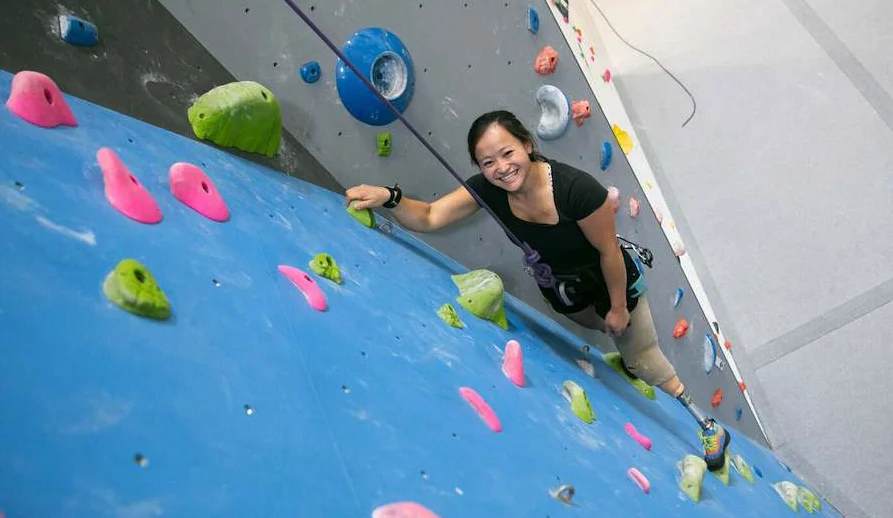
For the modern childhood cancer survivor, the ringing of the bell that signifies the end of active treatment is no longer viewed by the medical community as a final destination. Instead, it marks the threshold of a complex, lifelong health trajectory that requires specialized, ongoing management. Despite the clinical success in raising the five-year survival rate for pediatric cancers to over 85%, a significant disparity remains in the long-term care of these individuals as they transition into adulthood. Recent data indicates that only a small fraction of childhood cancer survivors receive the recommended follow-up care once they reach maturity, leaving them vulnerable to a host of "late effects" including secondary cancers, cardiovascular disease, and metabolic disorders.
Dr. Karim Sadak, the Director of the Childhood Cancer Survivor Program at the University of Minnesota, is currently spearheading a research initiative designed to bridge this critical gap. Supported by the Children’s Cancer Research Fund (CCRF) and its corporate partner Ascentek, Dr. Sadak’s team is investigating the intersection of behavioral science and clinical survivorship. The primary objective is to move beyond the theoretical knowledge of what constitutes healthy behavior and identify the practical, real-world factors that motivate survivors to maintain their physical health. By understanding the psychological and environmental barriers to activity, the research aims to transform clinical guidelines into sustainable lifestyle habits for a population that is often "lost to follow-up" within the traditional healthcare system.
The Survivorship Gap and the Evolution of Post-Treatment Care
The history of pediatric oncology has been defined by a relentless drive toward curative treatments. However, as the population of survivors grows—now estimated at over 500,000 in the United States alone—the medical focus has shifted toward the quality of life and long-term morbidity. Research from the Childhood Cancer Survivor Study (CCSS) has shown that by the age of 45, more than 80% of survivors will have developed at least one chronic health condition, and 56% will face a severe or life-threatening complication.
Physical activity is widely recognized as one of the most effective non-pharmacological interventions to mitigate these risks. Regular exercise can combat the cardiotoxicity caused by certain chemotherapies, improve bone density after radiation, and alleviate the chronic fatigue often reported by survivors. Yet, survivors of childhood cancer are statistically less likely to meet national physical activity guidelines than their peers who did not have cancer. The challenge for clinicians like Dr. Sadak is not simply telling patients to exercise, but understanding the unique barriers—both physical and psychological—that prevent them from doing so.
Methodology: Tracking the Real-Time Realities of Survivors
To address these behavioral hurdles, Dr. Sadak collaborated with Alicia Kunin-Batson, PhD, LP, from the Department of Pediatrics, and Kelvin O. Lim, MD, from the Department of Psychiatry and Behavioral Sciences. Together, they launched a study focusing on a particularly vulnerable demographic: adolescents and young adults (AYAs) between the ages of 15 and 25. This age range is considered a "high-risk" period for healthcare attrition, as individuals often move away from home, change insurance providers, and transition from pediatric to adult medical care.
The study utilized a cohort of nearly 40 participants who were asked to wear fitness trackers for 21 consecutive days. Unlike traditional studies that rely on retrospective self-reporting—which is often subject to memory bias—this research employed a method known as Ecological Momentary Assessment (EMA). Participants completed short, real-time online surveys delivered via their mobile devices multiple times a day. These surveys captured data on social cognitive factors, including current mood, levels of fatigue, motivation, and social connectivity.
By syncing the fitness tracker data with the survey responses, the research team was able to map how internal states influence physical behavior in the moment. For instance, the study sought to determine if a survivor’s sedentary behavior on a Tuesday afternoon was a result of physical exhaustion related to past treatments, a lack of social support, or a psychological dip in motivation. This granular level of data allows researchers to see the "why" behind the activity levels, providing a more nuanced view of the survivor experience than a once-a-year clinical visit could ever offer.
The Role of Remote Monitoring in Modern Oncology
One of the most innovative aspects of Dr. Sadak’s research is its reliance on a largely remote, technology-driven approach. For many childhood cancer survivors, the geographical distance from specialized survivorship clinics is a major barrier to care. Many survivors only visit a specialist once a year, or even less frequently, depending on their location and socioeconomic status.
The use of wearable technology and mobile surveys allows the multidisciplinary team to "meet survivors where they are." This model of decentralized research is particularly relevant for the AYA population, which is generally tech-savvy and more likely to engage with health interventions that are integrated into their existing digital lives. By utilizing Ascentek’s support and technology, the study demonstrates how the healthcare industry can leverage consumer electronics to provide continuous, rather than episodic, care monitoring.
Chronology of the Initiative and Preliminary Findings
The development of this study followed a structured timeline designed to ensure both scientific rigor and patient safety.
- Phase 1: Funding and Conceptualization: The partnership between the University of Minnesota and the Children’s Cancer Research Fund was solidified, with Ascentek providing the necessary resources to implement the tracking technology.
- Phase 2: Recruitment and Enrollment: The team identified a diverse group of survivors aged 15-25, ensuring that the participants represented various cancer types and treatment backgrounds.
- Phase 3: Data Collection: Over the course of the 21-day observation periods, thousands of data points were collected, ranging from heart rate and step counts to subjective reports of emotional well-being.
- Phase 4: Analysis: With data collection now complete, the team is currently in the process of synthesizing the information to identify patterns.
While full results are pending publication, the preliminary focus remains on the "translation" of health knowledge. The research team is looking for the "tipping points" where motivation turns into action and where fatigue becomes a barrier that requires clinical intervention. The goal is to move toward a future where a survivor’s smartwatch could potentially alert them—or their care team—when their activity levels drop below a certain threshold, triggering a personalized motivational prompt or a check-in from a health coach.
Broader Implications for the Healthcare System
The implications of Dr. Sadak’s work extend far beyond the University of Minnesota. If the study successfully identifies the key drivers of physical activity in survivors, it could lead to a paradigm shift in how survivorship care is delivered globally. The ultimate goal, as stated by the research team, is to launch a larger, multi-center trial. This would involve expanding the study to include hundreds, if not thousands, of survivors across different geographic and demographic backgrounds.
From a policy perspective, this research supports the argument for integrated behavioral health in oncology. It suggests that survivorship care must be a multidisciplinary effort involving oncologists, psychologists, and exercise physiologists. Furthermore, it highlights the need for insurance providers to recognize and reimburse remote monitoring and behavioral interventions as essential components of long-term cancer care.

The economic impact of improved survivorship care is also significant. By preventing or delaying the onset of chronic conditions through better lifestyle management, the healthcare system can reduce the long-term costs associated with treating heart failure, diabetes, and secondary malignancies in the survivor population.
Institutional and Donor Support: The Engine of Research
The progress made by Dr. Sadak, Dr. Kunin-Batson, and Dr. Lim underscores the vital role of philanthropic and corporate partnerships in medical advancement. The Children’s Cancer Research Fund has been a cornerstone of pediatric oncology funding, recognizing that "curing" cancer involves more than just eliminating tumors; it involves ensuring that survivors can lead full, healthy lives.
The involvement of Ascentek represents a growing trend of corporate responsibility in the health tech sector. By providing the tools necessary for high-level data collection, such partners enable researchers to conduct studies that would otherwise be cost-prohibitive. As the team moves toward the next phase of their research, the continued investment from donors will be the deciding factor in how quickly these insights can be turned into clinical practice.
Conclusion: A Future of Thriving, Not Just Surviving
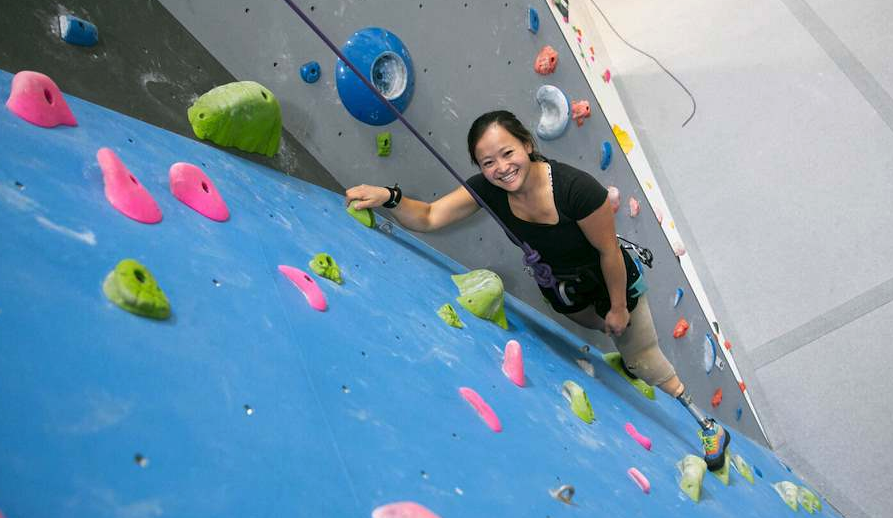
When evaluating the success of cancer treatment, the medical community is increasingly looking at the "long game." The work being conducted at the University of Minnesota is a testament to the fact that for survivors like Larissa and Max—whose images serve as reminders of the individuals behind the data—health is a daily, active pursuit.
By focusing on the internal factors and real-life environments that shape daily decisions, Dr. Sadak and his colleagues are providing a roadmap for the next generation of survivorship care. The transition from a "patient" to a "thriving adult" is fraught with challenges, but through the integration of technology, behavioral science, and dedicated research, those challenges are becoming more manageable. The goal remains clear: to ensure that every childhood cancer survivor has the tools, the motivation, and the support system necessary to navigate adulthood with confidence and vitality. Through this research, the medical community moves one step closer to a future where the end of treatment is truly the start of a healthy, lifelong journey.
