
 By Gilang Cahya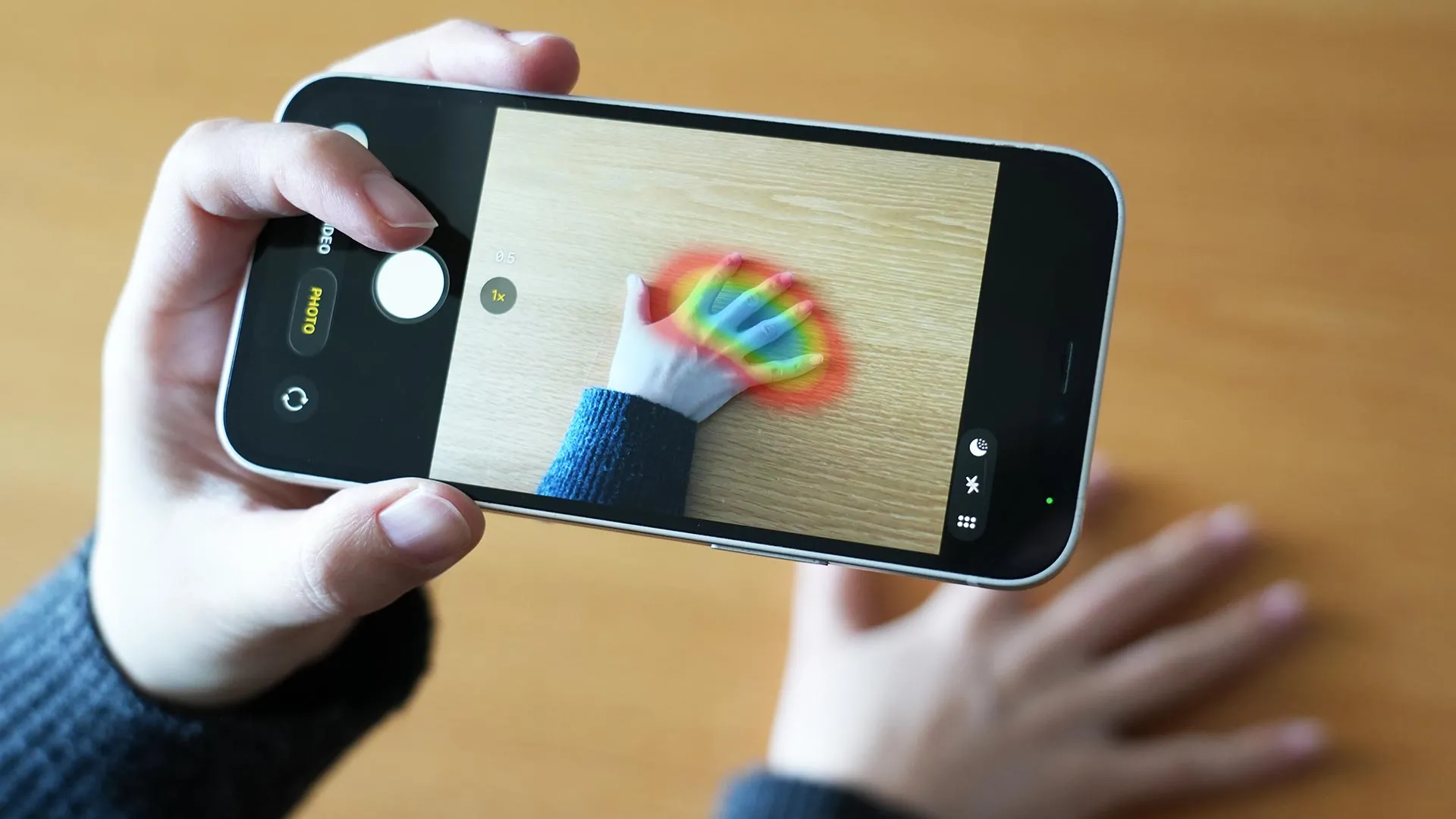
Researchers at Kobe University have pioneered an innovative artificial intelligence system capable of identifying the rare endocrine disorder acromegaly through the analysis of photographs of the back of the hand and a clenched fist. This novel approach deliberately bypasses the use of facial images, thereby significantly enhancing patient privacy while simultaneously achieving a remarkable level of diagnostic accuracy. Experts suggest this technology holds immense potential to expedite specialist referrals for affected individuals and broaden access to essential medical care, particularly in geographically underserved regions.
Unveiling Acromegaly: A Silent Threat
Acromegaly, the target of this advanced AI, is an uncommon condition typically manifesting in middle age. It stems from an overproduction of growth hormone by the pituitary gland. This hormonal imbalance triggers a cascade of physiological changes, including the gradual enlargement of hands and feet, alterations in facial features, and abnormal growth of bones and internal organs. The insidious nature of acromegaly lies in its slow progression, often spanning many years, making early recognition a formidable challenge for even experienced clinicians.
The consequences of untreated acromegaly are severe, leading to a host of serious health complications and a significantly reduced life expectancy, estimated to be around 10 years shorter than that of the general population. Dr. Hidenori Fukuoka, an endocrinologist at Kobe University and a lead researcher on the project, highlighted the diagnostic lag: "Because the condition progresses so slowly, and because it is a rare disease, it is not uncommon to take up to a decade for it to be diagnosed." He further elaborated on previous attempts to leverage technology, noting, "With the progress of AI tools, there have been attempts to use photographs for early detection, but they have not been adopted in clinical practice." This statement underscores the unique contribution of the Kobe University team’s privacy-centric methodology.
A Paradigm Shift in Diagnostic AI: Prioritizing Privacy
The genesis of this breakthrough lies in the research team’s meticulous review of existing AI diagnostic systems. They observed a prevalent reliance on facial imagery for disease identification. However, this approach invariably raises significant privacy concerns for patients, a factor that often impedes widespread adoption in clinical settings. Recognizing this critical limitation, the Kobe University scientists embarked on a mission to develop an alternative strategy that prioritized patient confidentiality without compromising diagnostic efficacy.
Yuka Ohmachi, a graduate student at Kobe University and a key member of the research team, articulated their strategic pivot: "Trying to address this concern, we decided to focus on the hands, a body part we routinely examine alongside the face in clinical practice for diagnostic purposes, particularly because acromegaly often manifests changes in the hands." This choice was not arbitrary; the hands are a well-documented site for the physical manifestations of acromegaly, offering a rich source of diagnostic clues.
To further fortify privacy protections, the researchers implemented a strict protocol for image acquisition. Their focus was exclusively on the dorsal aspect of the hand (the back) and the visual representation of a clenched fist. This deliberate exclusion of palm images was a critical decision, as palm line patterns are highly individualized and could potentially lead to the inadvertent identification of individuals, thereby undermining the privacy safeguards. This meticulously crafted approach proved instrumental in facilitating the recruitment of a substantial participant cohort. Ultimately, the study amassed over 11,000 images contributed by 725 patients across 15 diverse medical institutions throughout Japan. These extensive datasets were then employed to rigorously train and validate the AI model.
AI Surpasses Human Expertise in Acromegaly Detection
The findings of this pioneering research were recently published in the prestigious Journal of Clinical Endocrinology & Metabolism. The AI model demonstrated exceptional performance, exhibiting remarkably high sensitivity and specificity in its ability to identify acromegaly based solely on the provided hand images. In a direct and compelling comparison, the AI system even outperformed experienced endocrinologists who were tasked with evaluating the same set of photographs. This is a significant development, as it suggests that AI, when trained on appropriate data and designed with careful consideration for diagnostic markers, can rival or even exceed human diagnostic capabilities in specific contexts.
Ohmachi expressed her surprise and optimism regarding the results: "Frankly, I was surprised that the diagnostic accuracy reached such a high level using only photographs of the back of the hand and the clenched fist. What struck me as particularly significant was achieving this level of performance without facial features, which makes this approach a great deal more practical for disease screening." This sentiment underscores the transformative potential of the technology, particularly in resource-limited settings where access to specialist dermatologists or endocrinologists might be scarce.
Expanding the Horizon: Medical AI for a Spectrum of Conditions
The success in identifying acromegaly has ignited ambitions within the Kobe University research team to broaden the application of their AI system. They envision adapting the technology to detect a wider array of medical conditions that exhibit discernible changes in the hands. Promising avenues for future research include the early detection of conditions such as rheumatoid arthritis, anemia, and finger clubbing. Ohmachi further elaborated on this expansive vision, stating, "This result could be the entry point for expanding the potential of medical AI."
The implications of such an expansion are profound. Conditions like rheumatoid arthritis, for instance, often present with visible deformities and swelling in the hands, making them prime candidates for AI-driven analysis. Early detection of anemia through subtle changes in skin color or texture of the hands could also be facilitated. Finger clubbing, a condition often associated with chronic lung or heart disease, could also be identified with greater efficiency. This multi-condition diagnostic capability would represent a significant leap forward in non-invasive, accessible medical screening.
Empowering Clinicians and Bridging Healthcare Gaps
It is crucial to contextualize the role of this AI tool within the broader spectrum of clinical practice. In real-world medical settings, diagnosis is a complex, multi-faceted process that involves a holistic evaluation of the patient. Medical history, laboratory tests, and comprehensive physical examinations remain indispensable components. The Kobe University researchers are keenly aware of this reality and envision their AI system as a powerful assistive tool for physicians, rather than a replacement. Their study frames the technology as a means to "complement clinical expertise, reduce diagnostic oversight and enable earlier intervention."
Dr. Fukuoka articulated this vision of collaborative intelligence: "We believe that, by further developing this technology, it could lead to creating a medical infrastructure during comprehensive health check-ups to connect suspected cases of hand-related disorders to specialists. Furthermore, it could support non-specialist physicians in regional healthcare settings, thus contributing to a reduction of healthcare disparities there." This statement highlights the dual benefit of the technology: enhancing the diagnostic capabilities of primary care physicians and facilitating timely referrals to specialists, thereby mitigating the geographical and economic barriers that often impede access to advanced medical care.
The potential impact on underserved areas is particularly significant. In remote or rural regions where specialist physicians are scarce, a readily deployable AI system that can flag potential cases of acromegaly or other hand-related disorders could be transformative. Non-specialist healthcare providers could utilize the AI as a screening tool, enabling them to identify individuals who require further evaluation by a specialist, even if that specialist is geographically distant. This could dramatically reduce the diagnostic odyssey many patients currently endure and lead to earlier, more effective treatment.
A Collaborative Endeavor for Advancing Medical AI
The research that culminated in this groundbreaking AI system was a testament to extensive collaboration and received crucial financial support. Funding was provided by the Hyogo Foundation for Science Technology, a key contributor to scientific innovation in the region. The project also benefited from the intellectual contributions and expertise of a broad network of collaborators from numerous esteemed institutions across Japan, including Fukuoka University, Hyogo Medical University, Nagoya University, Hiroshima University, Toranomon Hospital, Nippon Medical School, Kagoshima University, Tottori University, Yamagata University, Okayama University, Hyogo Prefectural Kakogawa Medical Center, Hokkaido University, International University of Health and Welfare, Moriyama Memorial Hospital, and Konan Women’s University.
This multi-institutional collaboration underscores the complexity and ambition of the project, bringing together diverse perspectives and resources to achieve a common goal. The successful integration of data and expertise from so many entities speaks to the growing trend of collaborative research in tackling complex medical challenges.
Future Trajectory and Societal Impact
The development of this AI system represents a significant stride in the field of medical diagnostics, particularly in its innovative approach to patient privacy. By demonstrating high diagnostic accuracy using non-facial imagery, the Kobe University researchers have paved the way for a new generation of AI-powered diagnostic tools that are both effective and ethically responsible.
The implications extend beyond acromegaly. The ability to reliably screen for a range of conditions using simple photographic data has the potential to revolutionize preventive healthcare. Imagine routine health check-ups incorporating a quick scan of a patient’s hands, flagging potential issues that might otherwise go unnoticed for years. This proactive approach could lead to earlier interventions, better treatment outcomes, and ultimately, a healthier population.
Furthermore, the democratization of diagnostic capabilities is a key societal benefit. As AI tools become more sophisticated and accessible, they can empower healthcare providers in resource-limited settings to offer a higher standard of care. This could be particularly impactful in developing nations where access to advanced medical technology and specialist expertise is often a significant challenge.
The research team’s commitment to developing a system that complements rather than replaces human clinicians is also a crucial aspect of its potential success. By providing physicians with an advanced decision-support tool, the AI can augment their expertise, reduce the likelihood of diagnostic errors, and free up their time to focus on patient care and complex cases. The journey from laboratory innovation to widespread clinical adoption is often a long one, but the foundation laid by the Kobe University researchers offers a compelling glimpse into a future where AI plays an integral, privacy-respecting role in improving global health.
