
 By admin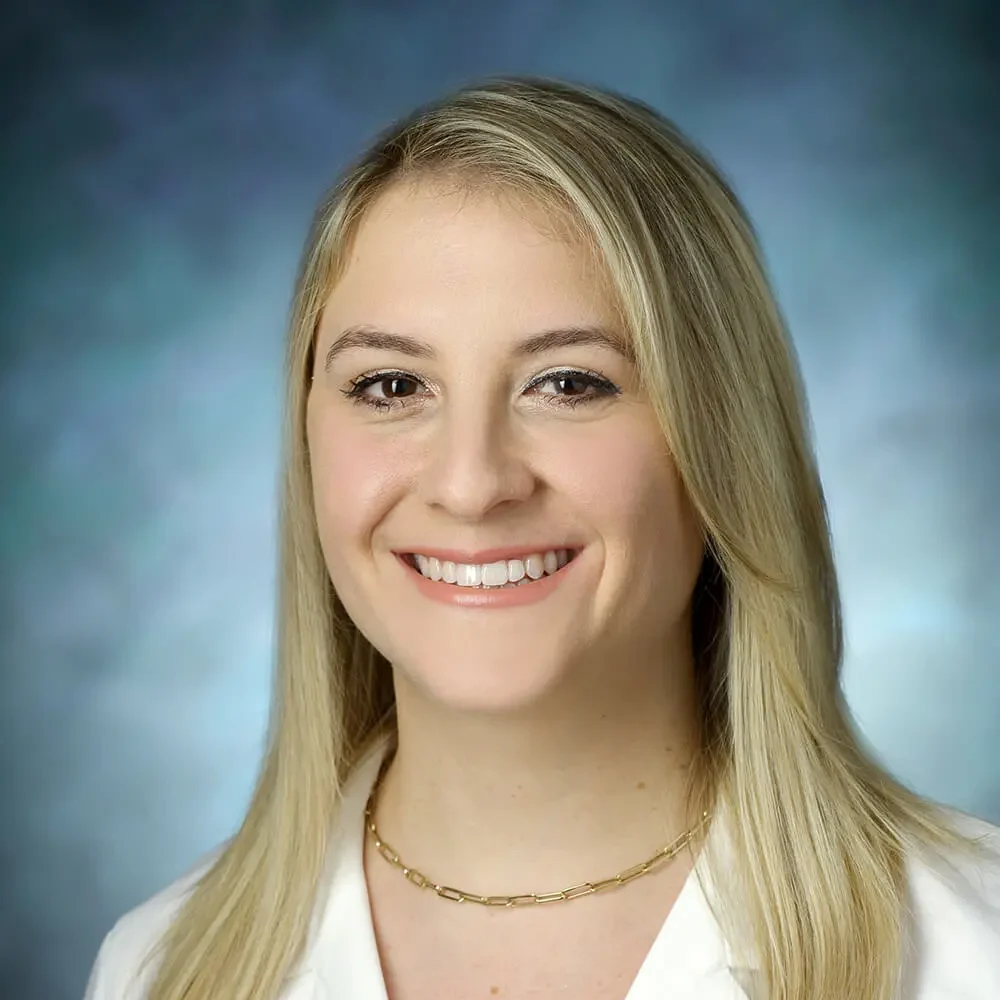
The landscape of cancer therapy is undergoing a profound transformation, moving decisively from a generalized, "one-size-fits-all" approach to highly personalized medicine. This monumental shift, driven by advancements in genomics, immunology, and computational science, aims to tailor treatments to the unique biological signature of each patient’s tumor. At the forefront of this critical evolution is Dr. Julie Deutsch, a distinguished physician-scientist and pathologist at Johns Hopkins University, whose groundbreaking research is dedicated to developing the next generation of tissue-based biomarkers designed to precisely guide cancer treatment decisions. Her innovative work, recently bolstered by a prestigious Cancer Research Institute (CRI) STAR award, promises to unlock a wealth of previously hidden information within routinely collected tissue samples, ultimately ensuring that patients receive the most effective therapies with minimal unnecessary toxicity.
The Paradigm Shift: From Aggregate Efficacy to Individualized Response
For decades, cancer treatment decisions were largely based on population-level data – whether a therapy demonstrated efficacy in a large cohort of patients. While this approach has saved countless lives and significantly improved outcomes for many, it inherently carries limitations. A substantial number of patients receive treatments that, despite being effective for a statistical aggregate, may not work for their specific disease, leading to avoidable side effects, delayed access to more suitable therapies, and considerable emotional and financial burden. The future of oncology, as articulated by leading experts, "is no longer about whether a therapy worked in aggregate. It’s now about whether a therapy is working for a specific patient." This philosophical and practical pivot underscores the urgent need for tools that can predict individual patient response with high accuracy.
The global cancer burden is immense, with millions of new cases diagnosed annually and cancer remaining a leading cause of mortality worldwide. Despite significant strides in therapeutic development, challenges persist. For instance, while immunotherapies have revolutionized treatment for several cancer types, a substantial proportion of patients do not respond, or eventually develop resistance. Similarly, targeted therapies, while highly effective for specific molecular alterations, are only applicable to a subset of patients and resistance mechanisms often emerge. The economic impact of ineffective treatments is also staggering, encompassing the direct costs of drugs, hospitalizations, and managing adverse events, alongside the indirect costs of lost productivity and diminished quality of life. This pressing need for more precise therapeutic stratification has fueled the rapid growth of precision oncology, a field projected to expand significantly as technologies mature and clinical integration increases.
Dr. Julie Deutsch: A Visionary Pathologist Redefining Tissue Diagnostics
Dr. Deutsch, with her dual expertise as a physician-scientist and pathologist, brings a unique perspective to this challenge. Her daily work involves meticulously examining tissue samples under a microscope, a fundamental practice in cancer diagnosis and staging. However, where others might perceive a standard pathology slide, Dr. Deutsch envisions "an enormous source of information – one that could help clinicians better understand an individual patient’s cancer and determine which treatments are most likely to work." This keen insight into the diagnostic potential of tissue biopsies positions her at a critical juncture, bridging traditional histopathology with cutting-edge computational science.
Pathology has historically served as the cornerstone of cancer diagnosis, providing morphological insights into tumor characteristics. Over time, its role has expanded to include immunohistochemistry and molecular diagnostics, identifying specific proteins or genetic mutations that can inform treatment. Dr. Deutsch’s research represents the next evolutionary step: extracting an unprecedented depth of information from these same tissue samples, not just for diagnosis, but for dynamic prediction of therapeutic response and resistance.
"I’ve seen the power of having the pathology specimen and what information we can glean from it make a real difference for patients," Dr. Deutsch stated, emphasizing the tangible impact of her work. "Not only in prognosticating them, but also in giving clinicians an opportunity to make decisions based on the pathology that these patients have." This perspective highlights the practical utility of her research, moving beyond mere descriptive pathology to predictive and prescriptive insights crucial for guiding clinical choices.
The CRI STAR Award: Catalyzing Interdisciplinary Innovation
Dr. Deutsch’s ambitious plans are significantly propelled by her recently awarded Cancer Research Institute (CRI) STAR award. The CRI, a global non-profit organization dedicated to advancing immunotherapy to conquer all cancers, established the STAR (STarting A Revolution in Cancer Immunotherapy) program to invest in exceptional early-to-mid-career scientists with the potential to make transformative contributions. Unlike traditional grants that often fund narrowly defined projects, the STAR award is designed to support the researcher themselves, providing the flexibility and sustained funding necessary for ambitious, high-risk, high-reward endeavors. This approach recognizes that groundbreaking discoveries often emerge from iterative exploration and adaptation, rather than rigid, pre-defined pathways.
With this substantial support, Dr. Deutsch intends to fuse classical pathology with advanced computational methodologies, most notably machine learning. Her objective is to unearth novel biomarkers from the intricate patterns and cellular features embedded within tissue samples, data that is currently collected from patients as part of routine care but often remains underutilized for predictive purposes. This approach capitalizes on existing clinical infrastructure, making her research inherently practical and scalable.
The flexibility inherent in the CRI STAR program proved instrumental in the evolution of Dr. Deutsch’s research trajectory. Machine learning, now a core component of her methodology, was not initially part of her envisioned path as a pathologist. However, through interdisciplinary collaborations and by diligently "following the science," she embraced computational tools as a powerful means to address the complex questions she sought to answer. This adaptability is a hallmark of truly innovative research. "The ability to be in the right space and have access to samples and come up with new ideas, and that ability to sort of adapt in real time to the changing needs of science and of medicine is really amazing," she reflected, underscoring the value of an environment that fosters intellectual freedom and scientific agility. "I’m excited to see where the journey takes me."
Precision Oncology: Matching the Right Patient with the Right Therapy
The ultimate goal of Dr. Deutsch’s research is to achieve precision oncology at its most impactful level: developing biomarkers that can dynamically reveal how an individual patient is responding to therapy, identifying early signs of response or, crucially, resistance. This information would empower clinicians to make timely, informed decisions, optimizing treatment regimens and improving patient outcomes.
The rationale is clear and compelling. "You don’t want to expose patients to a therapy that they’re not going to benefit from, and they’re just going to have toxicity," Dr. Deutsch emphasized. "Really trying to match the right patient with the right therapy is so critically important." The adverse effects of cancer treatments, from debilitating fatigue and nausea to severe organ damage and immune-related complications, can significantly diminish a patient’s quality of life and even necessitate treatment discontinuation. By accurately predicting who will benefit and who will not, Dr. Deutsch’s work aims to spare patients from unnecessary suffering, conserve healthcare resources, and accelerate access to more effective alternatives.
The challenge, however, extends beyond merely discovering a promising biomarker. Many brilliant scientific discoveries languish in laboratories, failing to make the leap into routine clinical practice. This gap, often referred to as the "valley of death" in translational research, is precisely where Dr. Deutsch’s research distinguishes itself.
The Crucial Bridge: From Lab to Clinic (Implementation Research)
A defining and pragmatic focus of Dr. Deutsch’s work is implementation. She is not just interested in identifying novel biomarkers but in devising strategies to make them clinically useful for patients in real time. This means developing approaches that are not only effective in the highly specialized environment of major academic medical centers, with their state-of-the-art technology and extensive expertise, but also scalable and adaptable for broader adoption. The ultimate vision is a system where these advanced diagnostic tools can benefit a wide patient population, regardless of their access to highly specialized institutions.
"You can have the best biomarker in the world, but if it doesn’t get to patients and doesn’t help them in real time, then it’s useless," she stated unequivocally. This commitment to practical utility addresses a significant bottleneck in translational science. Developing a biomarker that requires prohibitively expensive equipment, highly specialized personnel, or lengthy processing times will struggle to achieve widespread clinical integration. Dr. Deutsch’s emphasis on utilizing routinely collected tissue samples and integrating computational tools into existing pathology workflows is a testament to her dedication to creating truly actionable and implementable solutions.
The Interdisciplinary Frontier: Machine Learning in Pathology
The integration of machine learning into pathology represents a significant leap forward. Traditionally, pathologists rely on their extensive training and experience to visually interpret tissue features. While highly skilled, human observation can be subjective and limited in its ability to discern subtle, complex patterns across vast datasets. Machine learning algorithms, conversely, can analyze enormous volumes of digital pathology images, identifying intricate correlations and microscopic features that might be imperceptible to the human eye. These algorithms can quantify cellular morphology, spatial relationships between different cell types, and even infer molecular characteristics from tissue architecture, providing a deeper, more objective, and quantitative understanding of the tumor microenvironment.
For Dr. Deutsch, this technological synergy allows her to unlock the "hidden information" within pathology slides. By training algorithms on large datasets of patient outcomes and corresponding tissue images, her team can develop predictive models that associate specific visual patterns with therapeutic response or resistance. This interdisciplinary approach is a hallmark of modern biomedical research, where the convergence of fields like medicine, computer science, and statistics is yielding unprecedented insights.
Supporting the Next Generation: The Indispensable Role of Foundations
The journey of an early-career researcher is often fraught with challenges, particularly in securing funding for innovative yet high-risk projects that may not fit neatly into traditional grant categories. Implementation research, which bridges the gap between discovery and clinical application, is notoriously difficult to fund through conventional channels, which often prioritize basic discovery science.
The CRI STAR award arrives at a particularly consequential moment for scientists like Dr. Deutsch, providing crucial support during a vulnerable yet highly productive stage of their careers. "As an early-stage researcher, my career goals and ability to conduct research would not be possible without foundations like this," Dr. Deutsch acknowledged, highlighting the vital role played by philanthropic organizations. "It’s foundations like CRI that make that possible." Such awards are essential for cultivating the next generation of scientific leaders and ensuring that groundbreaking ideas, particularly those with a strong translational focus, receive the necessary resources to mature and impact patient care.
Broader Implications and the Future of Cancer Care
Dr. Deutsch’s research holds profound implications for the future of cancer care. By transforming the way clinicians interpret pathology specimens, her work promises to usher in an era of truly personalized treatment decisions.
- For Patients: This research offers the promise of reduced exposure to ineffective and toxic treatments, faster identification of optimal therapies, improved quality of life, and ultimately, enhanced survival rates. It empowers patients with the knowledge that their treatment plan is specifically tailored to their unique disease biology.
- For Clinicians: Armed with more precise predictive biomarkers, oncologists will gain greater confidence in their treatment choices, leading to more effective and efficient patient management. This data-driven approach will refine clinical algorithms and enhance therapeutic stewardship.
- For Healthcare Systems: By avoiding futile treatments, healthcare systems can realize significant cost savings, optimize resource allocation, and improve overall efficiency. The ability to predict non-response upfront can redirect resources towards therapies with a higher probability of success.
- For Research: Dr. Deutsch’s work serves as a compelling model for interdisciplinary research, demonstrating the immense potential of combining traditional medical disciplines with advanced computational techniques. It also underscores the critical need for robust implementation science to ensure that scientific discoveries translate into real-world patient benefit.
Ultimately, every facet of Dr. Deutsch’s research traces back to the patient. Her innovative approach to uncovering new information from existing tissue samples – and, critically, developing practical methods to apply that information – is poised to revolutionize how clinicians make treatment decisions for individual patients. "Without that information, you’re sort of just flying blind," she observed, underscoring the current limitations. "And that’s not good enough for patients."
From unearthing novel answers hidden within familiar pathology slides to meticulously ensuring those answers reach the patients who need them most, Dr. Julie Deutsch embodies the bold, patient-centered thinking that the CRI STAR program was specifically created to support. The Cancer Research Institute is immensely proud to invest in her vision and, by extension, in a future where increasingly precise biomarkers make cancer treatment more personal, more informed, and unequivocally more effective for every individual battling this complex disease. Her work represents a beacon of hope for a future where every patient receives the exact treatment they need, precisely when they need it.
