
 By Budi Oetomo Narendra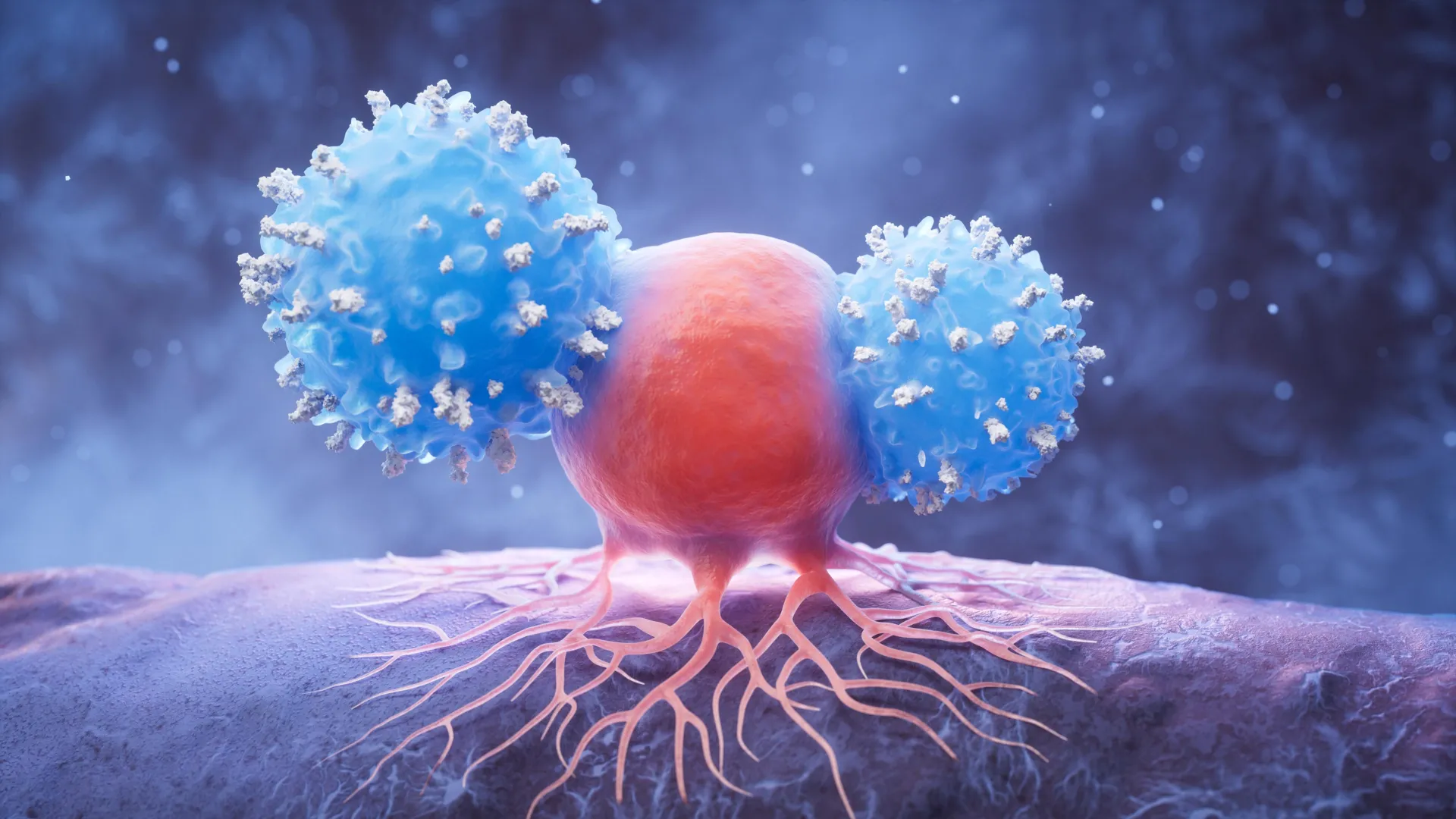
People who achieve exceptionally old ages, specifically those reaching 110 years or older, appear to possess an immune system that continues to adapt vigorously to new threats, challenging long-held assumptions about age-related immune decline. New research indicates that these remarkable individuals, known as supercentenarians, exhibit unusually elevated levels of specialized immune cells called CD4 cytotoxic T lymphocytes (CD4 CTLs). This discovery offers a compelling perspective on the mechanisms underpinning extreme longevity and suggests that the immune system, even in its most advanced stages, is capable of remarkable resilience and adaptation, rather than simply succumbing to a uniform decline.
The study, published on August 19 in the esteemed Cell Press journal Cell Reports, highlights that these particular immune cells have previously demonstrated their capacity to eliminate tumor cells in certain cancers. Beyond their anti-cancer properties, CD4 CTLs are known for their ability to rapidly multiply through a process termed clonal expansion when the body confronts an illness, thereby enhancing the immune system’s response to infections. The recent findings strongly suggest that this specific type of robust immune activity is not merely coincidental but may be intrinsically linked to the phenomenon of healthy aging observed in individuals who surpass the age of 110. This revelation prompts a significant re-evaluation of how immune systems function in the oldest-old population, suggesting a more nuanced and dynamic process than previously understood.
Dr. Kosuke Hashimoto, an associate professor at the University of Osaka in Japan and the first author of this pivotal study, emphasized the evolving understanding of immune aging. "Immune aging is not simply a process of decline," Dr. Hashimoto stated, directly challenging the prevailing narrative of immunosenescence. He further elaborated, "The selective expansion of certain T cells suggests that, even in extreme old age, the immune system may continue to adapt to age-related challenges." This statement encapsulates the paradigm shift proposed by the research, moving away from a purely degenerative view of the aged immune system towards one that acknowledges its dynamic adaptive capabilities, particularly in those who achieve exceptional longevity.
Challenging the Conventional Wisdom of Immunosenescence
The human immune system is a complex and highly coordinated network designed to protect the body from a vast array of pathogens, abnormal cells, and environmental threats. However, as individuals age, the immune system typically undergoes a well-documented process known as immunosenescence, characterized by a general decline in its effectiveness. This decline often manifests as reduced vaccine efficacy, increased susceptibility to infectious diseases (such as influenza and pneumonia), and a higher incidence of age-related inflammatory conditions, autoimmune disorders, and various cancers.
Key biological features associated with immunosenescence include thymic involution, where the thymus gland—crucial for the maturation of T cells—shrinks considerably, leading to a reduced output of new, "naïve" T cells. Concurrently, there is an accumulation of senescent immune cells that contribute to chronic low-grade inflammation, often referred to as "inflammaging." The repertoire of T cell receptors, which recognize specific threats, also tends to narrow, making the aged immune system less agile in responding to novel pathogens. Given this widely accepted framework of immune decline, the robust and adaptive immune profiles observed in supercentenarians present a fascinating anomaly that demands deeper investigation and could hold keys to mitigating age-related health challenges.
Supercentenarians, defined as individuals aged 110 years or older, represent an exceedingly rare demographic. Their existence challenges the biological limits of human lifespan and offers a unique opportunity to study the genetic, environmental, and physiological factors that contribute to exceptional longevity. With only an estimated one in five million people reaching this age globally, these individuals are invaluable subjects for understanding the mechanisms of healthy aging and disease resistance. Their remarkable survival often comes with an extended period of good health, or a compression of morbidity, suggesting an underlying biological resilience that effectively mitigates the common ailments of advanced age for much longer than the average population. The study of their unique biological traits could unlock new strategies for promoting healthspan in the broader population.
The Distinctive Rise of Killer T Cells in the Oldest-Old
A central and striking finding of the new study is the marked prominence of CD4 CTLs in supercentenarians. These cells, typically considered an atypical and relatively rare subset of T lymphocytes, are becoming recognized as a distinctive cellular hallmark of extreme longevity. T cells, a type of white blood cell, are crucial components of adaptive immunity, responsible for recognizing and targeting specific threats. While CD8 T cells are traditionally known as "killer T cells" due to their direct cytotoxic functions against infected or cancerous cells, CD4 T cells typically function as "helper" cells, coordinating broader immune responses by secreting signaling molecules (cytokines). The discovery of a significant and sustained increase in cytotoxic CD4 T cells in the oldest-old population suggests a specialized and critical role for these cells in maintaining health at profoundly advanced ages. This challenges the traditional division of labor within the T cell compartment and highlights a previously underappreciated adaptive mechanism in extreme longevity.
The research team meticulously examined blood samples collected from 28 adults, strategically categorized into three distinct age groups to capture a broad spectrum of older age: a group aged 70 to 99 years, a group of centenarians aged 100 to 109 years, and the supercentenarian group comprising individuals aged 110 years and older. The analysis revealed a clear and compelling trend: the median proportion of CD4 CTLs escalated steadily across these groups. In the youngest cohort (70-99 years), CD4 CTLs constituted approximately 4% of the total T cell population. This proportion more than doubled to 9.6% among centenarians aged 100 to 109. Most strikingly, in the supercentenarian group (110 years and older), CD4 CTLs represented an impressive 17.6% of T cells. This progressive and significant increase strongly indicates that the expansion of these specialized cells is not merely a late-life phenomenon but a dynamic process that intensifies with exceptional longevity, potentially becoming a critical factor around the age of 100.
Dr. Hashimoto underscored the significance of this observation: "CD4 CTLs are an atypical and relatively rare T cell population. So, their marked increase in supercentenarians may provide important clues as to how the immune system is maintained in extreme old age." This statement highlights the potential of CD4 CTLs as both biomarkers for exceptional longevity and as potential therapeutic targets for understanding and promoting healthy aging in the wider population. While the pattern was particularly pronounced in centenarians and supercentenarians, the study also noted an intriguing exception: one participant younger than 100 years old exhibited the highest proportion of CD4 CTLs observed across the entire study. This suggests that while this unique immune profile is more commonly found in the oldest-old, it is not exclusively tied to reaching triple digits and may indicate a predisposition for exceptional health and longevity even earlier in life.
Clonal Expansion: A Battle Against Persistent Threats
To delve deeper into the reasons behind the remarkable abundance of CD4 CTLs in the study participants, particularly the supercentenarians, the researchers conducted an in-depth analysis of their T cell receptors. T cell receptors are unique proteins on the surface of T cells that recognize specific antigens—molecular patterns associated with threats like pathogens, abnormal cells, or foreign substances. The analysis unequivocally pointed to clonal expansion as a pivotal mechanism driving the increased numbers of these specialized cells.
Clonal expansion is a fundamental process in adaptive immunity, representing the immune system’s ability to rapidly respond to a recognized threat. When an immune cell, such as a CD4 CTL, encounters an antigen it recognizes, it undergoes rapid proliferation, creating numerous genetically identical copies, or "clones," of itself. This rapid multiplication generates a large army of effector cells specifically tailored to combat the identified threat. In the context of the study, the presence of large, expanded clones of CD4 CTLs strongly suggests that these individuals’ immune systems have mounted sustained and robust responses to ongoing immune challenges throughout their lives, or perhaps more intensely in their later years. This continuous immune surveillance and response could be a defining characteristic of exceptional longevity.
The findings were particularly striking in the analysis of individual clones. Across all study participants, the largest individual clone of CD4 CTLs accounted for an average of 33.3% of the total CD4 CTL population. This significant concentration implies that a substantial portion of the CD4 CTL repertoire is dedicated to responding to specific, persistent threats. Even more remarkably, in one centenarian’s blood sample, a single clone constituted an astounding 53.8% of all CD4 CTLs. Such a dominant clone is highly indicative of a powerful, long-term immune response against a specific antigen, suggesting that these individuals are continuously battling or have successfully neutralized significant immune adversaries. This robust clonal expansion could be a critical factor in their ability to ward off age-related diseases that typically overwhelm less adaptable immune systems.
A Possible Link to Cancer Resistance and Beyond
The researchers further pursued the mystery of what these highly expanded CD4 CTL clones were targeting. They compared the receptor sequences from each participant’s dominant CD4 CTL clone with sequences stored in a vast public database of T cell receptor sequences. This comparative analysis yielded a compelling and potentially groundbreaking insight: nearly three dozen matches were identified with sequences from individuals previously diagnosed with various cancers, specifically lung, breast, and liver cancers.
Crucially, none of the centenarians or supercentenarians involved in the study had been diagnosed with these particular cancers. This observation led the research team to propose an intriguing hypothesis: the expansion of these specialized immune cells in exceptionally long-lived individuals might reflect early, effective immune responses to abnormal or potentially cancer-related targets before these abnormal cells can develop into full-blown malignancies. In essence, these supercentenarians’ immune systems might be exceptionally adept at "immune surveillance," capable of detecting and eliminating nascent cancer cells or precancerous lesions, effectively "nipping cancer in the bud" and preventing its progression.
Dr. Hashimoto acknowledged the tantalizing nature of this connection, stating, "Some CD4 CTLs may recognize cancer-related targets, although their exact targets remain unknown." This points to a significant avenue for future research. While the study does not definitively establish a causal link between high levels of CD4 CTLs and protection against cancer or extended lifespan, it provides strong correlational evidence that warrants further investigation into the precise antigens these cells recognize and the mechanisms by which they confer protection. It suggests that the sustained immune challenges leading to clonal expansion might include the continuous detection and elimination of nascent cancerous cells, a process vital for maintaining health over many decades. Beyond cancer, these highly adapted CD4 CTLs could also be critical in combating chronic viral infections (e.g., cytomegalovirus, Epstein-Barr virus) or other persistent low-grade inflammatory threats that often contribute to age-related decline. The ability to mount effective, sustained responses to such challenges could be a key differentiator for individuals achieving exceptional longevity.
Broader Implications for Healthy Aging and Future Research Directions
The findings from this study mark a significant contribution to the field of gerontology and immunology, challenging the conventional wisdom that immune function universally declines with age. Instead, it posits that in the context of exceptional longevity, the immune system undergoes a unique adaptation, characterized by the expansion of specific cell populations capable of mounting robust and sustained responses to diverse threats. This perspective shifts the narrative from one of inevitable decay to one of remarkable resilience and adaptability, suggesting that successful aging might involve an active, dynamic immune response rather than a passive decline.
However, the researchers also emphasized the current limitations and the vast scope for future inquiry. The study primarily examined T cells circulating in the blood, and the precise activities of these cells in various human tissues and organs remain largely unknown. The immune system operates not just in the bloodstream but within a complex tissue microenvironment, where interactions with other cells and local factors play crucial roles. Understanding how these highly expanded CD4 CTLs behave within specific tissues, such as lymph nodes, spleen, bone marrow, or even potential tumor sites, is the next critical step. This deeper understanding could reveal the full spectrum of their protective functions.
"As we age, abnormal cells, including senescent and cancerous cells, become more common," Dr. Hashimoto noted, highlighting the constant cellular challenges faced by an aging body. He concluded, "Our findings suggest that immune adaptation to these changes may contribute to exceptional longevity." This implies that the presence and activity of CD4 CTLs might be a biological mechanism by which supercentenarians effectively manage the increased burden of cellular abnormalities associated with advanced age, preventing them from progressing into overt disease.
Future research will undoubtedly focus on several key areas. Firstly, functional studies are needed to confirm the cytotoxic potential of these expanded CD4 CTLs in supercentenarians and to identify the specific antigens they target. This could involve in vitro assays or more advanced in vivo models, if ethically and practically feasible. Secondly, longitudinal studies tracking individuals over time could help determine if the expansion of CD4 CTLs is a cause or a consequence of healthy aging, and at what point in life this expansion becomes critical for exceptional longevity. Thirdly, investigating the genetic and environmental factors that predispose individuals to develop such robust CD4 CTL responses could uncover new avenues for intervention. Are there specific genetic variants linked to enhanced CD4 CTL function? Do particular lifestyle factors or exposures contribute to this unique immune profile?
The potential therapeutic implications are also immense. If these CD4 CTLs are indeed crucial for maintaining health and preventing age-related diseases, researchers might explore strategies to enhance their function or numbers in the general aging population. This could involve novel immunotherapies, personalized vaccine strategies, or even pharmacological interventions aimed at modulating T cell populations. For instance, understanding the specific cytokines or signaling pathways that promote CD4 CTL expansion could lead to novel treatments for boosting immune resilience in older adults, potentially reducing the burden of infections, cancer, and chronic inflammatory conditions. This study thus lays foundational groundwork for developing interventions that could extend not just lifespan, but crucially, healthspan, allowing more people to experience robust health well into advanced age.
In conclusion, the study from the University of Osaka provides a compelling glimpse into the extraordinary immunological fortitude of supercentenarians. It not only challenges our understanding of immune aging but also opens new frontiers in longevity research, offering hope that the secrets to healthy aging and resistance to age-related diseases may lie within the adaptive capabilities of our own immune systems. The journey to unlock these secrets has just begun, with CD4 CTLs emerging as a fascinating focal point in the quest for extended human healthspan and a deeper understanding of the biological underpinnings of extreme longevity.
This work was supported by Japan Society for the Promotion of Science KAKENHI grants, the Promotion Program for Frontier Protein Research from the Institute for Protein Research, the University of Osaka, the Takeda Science Foundation, the Mochida Memorial Foundation for Medical and Pharmaceutical Research, research grants for Keio University Global Initiative Research Projects, and a research grant from the Ministry of Education, Culture, Sports, Science and Technology to the RIKEN Center for Integrative Medical Sciences.
