
 By admin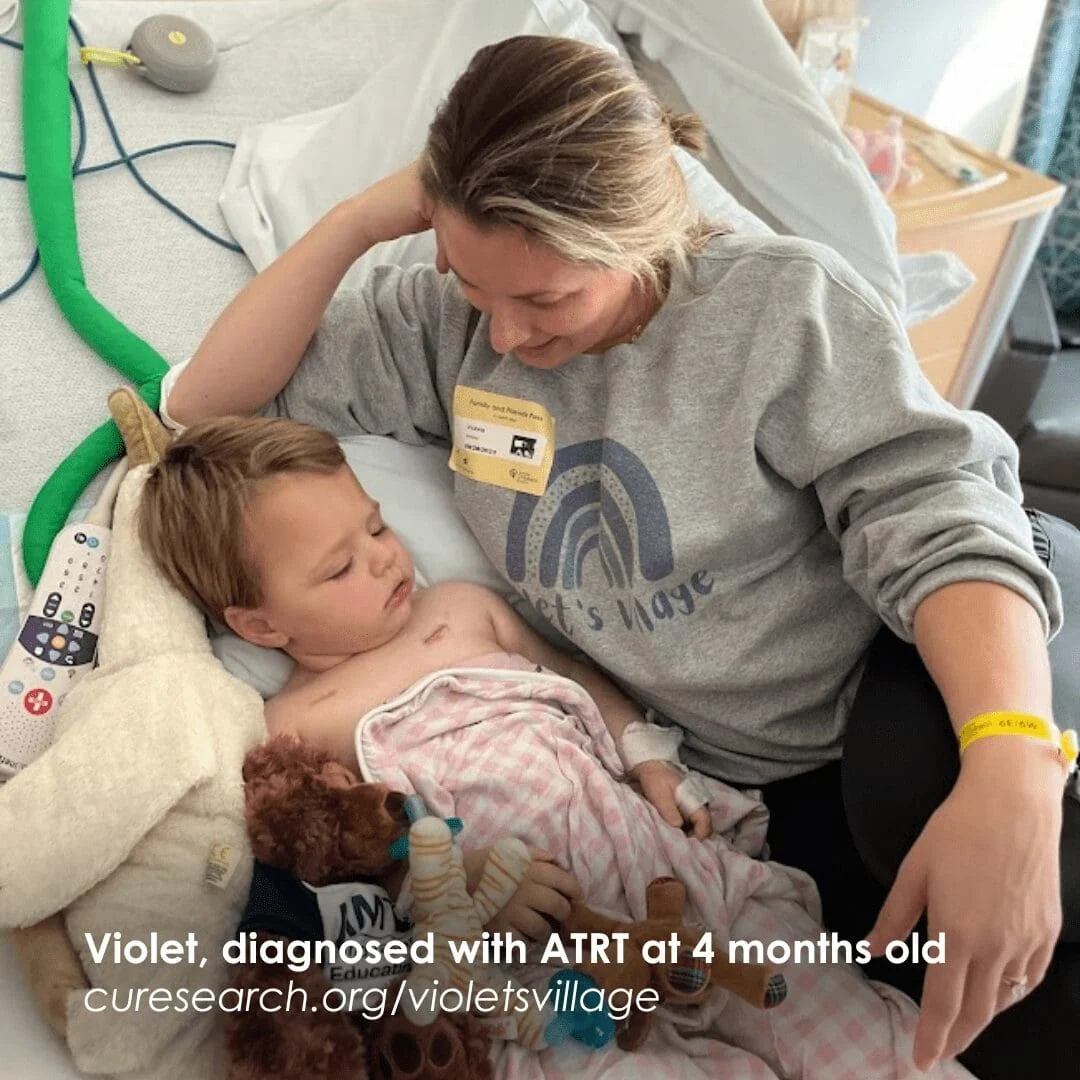
The landscape of pediatric oncology is undergoing a transformative shift as researchers move beyond traditional genetic models to explore the "dark matter" of the human genome. At the forefront of this movement is Dr. John Prensner of the University of Michigan, who has been named the recipient of the 2025 CureSearch Young Investigator Award. This prestigious grant will facilitate a deep-dive investigation into Atypical Teratoid Rhabdoid Tumor (ATRT), one of the most aggressive and lethal forms of brain cancer affecting infants and toddlers. By focusing on previously overlooked segments of DNA known as small open reading frames (sORFs), Dr. Prensner aims to identify new therapeutic targets for a disease that has long eluded the success seen in other areas of pediatric cancer research.
The Clinical Challenge of Atypical Teratoid Rhabdoid Tumor
Atypical Teratoid Rhabdoid Tumor is a rare, fast-growing tumor that typically develops in the cerebellum or the brainstem. These areas are vital for motor control, balance, and autonomic functions like breathing and heart rate regulation. While ATRT accounts for approximately 1% to 2% of all pediatric brain tumors, it represents a significantly higher proportion of brain tumors in children under the age of three.
For decades, the prognosis for ATRT has remained sobering. Unlike many adult cancers that are driven by a multitude of genetic mutations, ATRT is characterized by a remarkably simple genetic profile, typically involving the loss of the SMARCB1 (or rarely SMARCA4) gene. This simplicity, paradoxically, has made the cancer harder to treat because there are few obvious "targets" for traditional precision medicine. Current standard-of-care treatments involve a combination of radical surgery, high-dose chemotherapy, and occasionally radiation. However, radiation is often avoided in infants due to the devastating impact on developing brain tissue, leaving these young patients with limited options when initial treatments fail.
Dr. Paisley Myers, Director of Research and Programs at CureSearch, emphasized the disparity in treatment progress during the award announcement. She noted that while children with leukemia or certain types of lymphoma have seen survival rates climb to over 90% due to targeted therapies, children diagnosed with ATRT remain trapped in a paradigm of toxic, broad-spectrum treatments that offer inconsistent results.
Chronology of Research and the Emergence of sORFs
The scientific understanding of ATRT has evolved significantly since the tumor was first characterized in 1987. For years, the scientific community focused almost exclusively on the SMARCB1 mutation. While this provided a diagnostic marker, it did not immediately lead to effective drugs. By the early 2010s, genomic sequencing allowed researchers to categorize ATRT into three distinct molecular subgroups—ATRT-SHH, ATRT-TYR, and ATRT-MYC—each with different clinical behaviors.
Despite these classifications, the "druggable" landscape remained barren. This led researchers like Dr. Prensner to look beyond traditional genes. For years, a vast majority of the human genome was dismissed as "junk DNA" because it did not appear to code for the large proteins that drive cell function. However, recent technological advancements have revealed that these "non-coding" regions are teeming with activity.
Dr. Prensner’s research focuses on sORFs, which are tiny sequences of DNA that produce microproteins. These microproteins are often invisible to standard laboratory tests because of their size, yet they can have profound effects on how a cell grows, divides, and resists treatment. The 2025 Young Investigator Award serves as a bridge, allowing Dr. Prensner to transition these complex genomic theories into tangible laboratory models that could eventually lead to Phase I clinical trials.
The Role of the CureSearch Young Investigator Award
The CureSearch Young Investigator Award is a strategic intervention in the medical research field. Statistics from the National Institutes of Health (NIH) and various oncology societies suggest a "leaky pipeline" in pediatric research, where talented scientists at the start of their careers often migrate to adult cancer research or private industry due to a lack of stable funding for rare childhood diseases.
By providing multi-year financial support, CureSearch ensures that promising investigators like Dr. Prensner can maintain their focus on pediatric-specific problems. The 2025 award is part of a sophisticated co-funding model that leverages the resources of multiple philanthropic entities. This year, the project receives significant backing from the Jeff Gordon Children’s Foundation (JGCF) and Violet’s Village: The Violet Kenney Legacy Fund.
The involvement of the Jeff Gordon Children’s Foundation brings a high-profile spotlight to the cause. Susan Robinson, Executive Director of JGCF, highlighted the urgency of the mission, stating that brain tumors remain the leading cause of cancer-related death in children. The foundation’s partnership with CureSearch is designed to accelerate the pace of discovery, moving from basic science to "bedside" applications more rapidly than traditional funding cycles allow.
Technical Analysis: How sORFs May Revolutionize Treatment
The technical merit of Dr. Prensner’s project lies in its potential to redefine the ATRT genome. In his laboratory at the University of Michigan, Prensner utilizes advanced techniques such as ribosome profiling and mass spectrometry to "map" the microproteins present in ATRT cells.
If a specific microprotein is found to be essential for the survival of ATRT cells but absent in healthy brain cells, it becomes an ideal target for drug development. This could take the form of a small molecule inhibitor or an immunotherapy approach where the body’s immune system is trained to recognize and attack that specific microprotein.
"My hope is that this work will lead to the discovery of new genes that inform the next phase of drug development for ATRT," Dr. Prensner explained. This shift is critical because ATRT cells are notorious for their plasticity—their ability to change their internal signaling to bypass the effects of chemotherapy. By targeting the fundamental micro-scaffolding of the cell (the sORFs), researchers may be able to prevent the tumor from developing resistance.
Support Systems: Violet’s Village and the Legacy of Patients
The funding for this research is also deeply personal. Violet’s Village was established in memory of Violet Kenney, a young girl who battled ATRT. The legacy fund serves as a reminder of the human cost of scientific delays. For families within the ATRT community, the funding of Dr. Prensner’s work represents a shift from reactive treatment to proactive innovation.
Philanthropic partnerships like the one between CureSearch and Violet’s Village are increasingly vital as federal funding for pediatric cancer research often lags behind adult cancer funding. While the National Cancer Institute (NCI) allocates a portion of its budget to pediatrics, the "rarity" of diseases like ATRT often makes it difficult for researchers to secure the large-scale R01 grants necessary for sustained study. Private awards fill this gap, providing the "seed corn" for breakthroughs that eventually attract larger federal interest.
Broader Implications for the Field of Pediatric Oncology
The implications of Dr. Prensner’s work extend far beyond ATRT. If sORFs are proven to be drivers of ATRT, it is highly probable that they play similar roles in other "genetically quiet" pediatric tumors, such as Ewing sarcoma or certain types of neuroblastoma.
Furthermore, this research contributes to the global effort to reduce the long-term morbidity associated with cancer treatment. Currently, survivors of infant brain tumors often face lifelong challenges, including cognitive impairments, hearing loss, and secondary malignancies caused by the very treatments that saved their lives. Targeted therapies derived from sORF research would theoretically be less toxic, as they would focus specifically on the machinery of the cancer cell while sparing the healthy, developing neurons of the child’s brain.
Future Outlook and Timeline
As Dr. Prensner begins the 2025 grant cycle, the immediate focus will be on validating the microproteins identified in preliminary screens. This "validation phase" is expected to take eighteen to twenty-four months, during which the team will use CRISPR-based gene editing to "knock out" specific sORFs to observe the impact on tumor growth.
Should these laboratory phases prove successful, the next step would involve collaborating with pharmaceutical partners to design compounds capable of inhibiting these targets. While the path to a frontline treatment is long—often spanning a decade or more—the identification of these novel genetic components is the essential first step.
The 2025 CureSearch Young Investigator Award does more than fund a lab; it provides a sense of momentum to a field that has historically been defined by its obstacles. Through the combined efforts of the University of Michigan, CureSearch, the Jeff Gordon Children’s Foundation, and Violet’s Village, the scientific community is sending a clear message: the "hidden" mechanisms of ATRT will remain hidden no longer. For the families of children diagnosed with this aggressive tumor, this research represents the most tangible hope for a future where an ATRT diagnosis is no longer a sentence of uncertainty, but a manageable and curable condition.
