
 By admin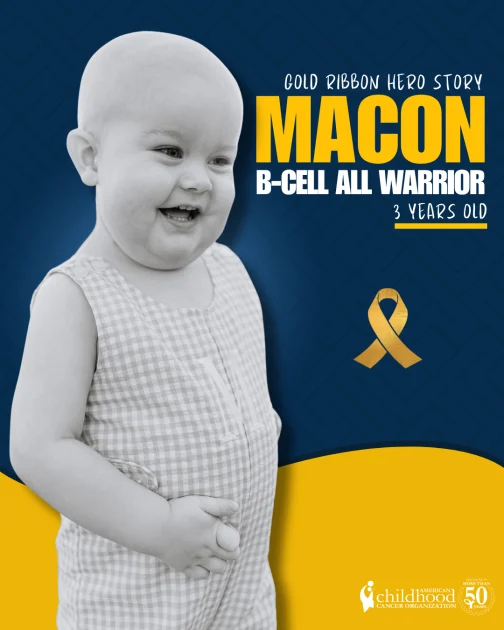
The Clinical Discovery and Initial Diagnosis
In the realm of pediatric oncology, B-Cell Acute Lymphoblastic Leukemia is the most common form of childhood cancer, yet its onset can be deceptively subtle. In Macon’s case, his mother, Madeline, noted that he appeared "perfectly healthy" and was entirely asymptomatic prior to the blood test. This lack of physical symptoms is not uncommon in the early stages of ALL, where the overproduction of immature white blood cells (lymphoblasts) in the bone marrow has not yet reached the threshold of causing overt physical distress such as extreme lethargy, bruising, or persistent fever.
Upon his arrival at the emergency department following the pediatrician’s referral, Macon underwent a battery of diagnostic tests. These typically include comprehensive blood panels, peripheral blood smears, and eventually, bone marrow aspiration and biopsy. The confirmation of leukemia transformed the family’s reality within hours. "We went in expecting a normal well visit and left facing a life-changing diagnosis," Madeline stated, reflecting on the shock and disbelief that often accompany such a sudden shift from wellness to critical illness.
Understanding B-Cell Acute Lymphoblastic Leukemia (ALL)
B-Cell ALL is a type of cancer in which the bone marrow makes too many B-lymphocytes, a type of white blood cell that normally helps the body fight infection. According to the American Cancer Society, leukemia accounts for nearly one out of every three cancers in children and adolescents. B-cell ALL specifically involves the malignant transformation of B-cell precursors.
While the diagnosis is harrowing, the prognosis for pediatric ALL has improved dramatically over the last several decades. In the 1960s, the five-year survival rate was less than 10%; today, due to advancements in chemotherapy protocols and precision medicine, the five-year survival rate for children with ALL is approximately 90%. However, the path to reaching "remission" and eventually "cure" is arduous, requiring years of intensive and maintenance-level therapy.
A Chronology of Treatment and Medical Complications
Macon’s treatment protocol began almost immediately after his diagnosis. The standard of care for ALL usually involves several distinct phases: induction, consolidation (intensification), and maintenance. Macon is currently navigating these phases, but his journey has been complicated by secondary health challenges.
One of the primary tools in pediatric oncology is the "port"—an implanted device under the skin that allows easy access to the bloodstream for chemotherapy and blood draws. For Macon, this process was hindered by a serious staph (Staphylococcus) infection in his blood. Staph infections are a significant risk for pediatric oncology patients, as chemotherapy suppresses the immune system (neutropenia), making the body less capable of fighting off common bacteria. Because of the infection, Macon’s port had to be replaced twice, a procedure that requires surgical intervention.
In addition to the port placements and intravenous chemotherapy, Macon’s clinical regimen has included:
- Lumbar Punctures: Also known as spinal taps, these procedures are performed every six weeks. They serve a dual purpose: to check for the presence of leukemia cells in the cerebrospinal fluid and to administer intrathecal chemotherapy directly into the central nervous system to prevent the cancer from spreading to the brain or spinal cord.
- Bone Marrow Biopsies: These are invasive procedures used to monitor the "leukemia load" or the presence of minimal residual disease (MRD) within the bone marrow, providing the oncology team with data on how effectively the chemotherapy is eradicating the cancer cells at their source.
The Resilience of the Pediatric Patient
Despite the physiological toll of chemotherapy and the psychological stress of repeated hospitalizations, Macon has maintained the developmental milestones of a typical three-year-old. His family describes him as a playful child who enjoys outdoor activities, interacting with his sister, and riding toys. This phenomenon—where pediatric patients continue to seek play and joy despite intensive medical intervention—is a frequent observation in children’s hospitals and is often cited as a key factor in the family’s ability to cope with the diagnosis.
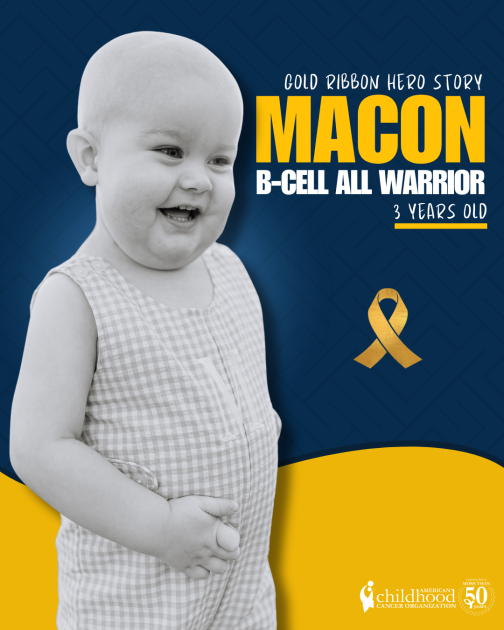
Madeline reported that Macon has completed his first full year of treatment. "He has handled chemotherapy incredibly well," she noted. "His weekly blood work continues to show no circulating leukemia cells, and his treatment is working as expected." This milestone is significant, as the first year of treatment often includes the most intensive "induction" and "consolidation" phases, which are designed to bring the patient into a state of complete remission.
The Long-Term Treatment Horizon and "Ringing the Bell"
While Macon is currently showing no signs of active leukemia, the protocol for B-cell ALL requires a long-term commitment to ensure that no dormant cancer cells remain. His chemotherapy regimen is scheduled to span a total of two and a half years. This "maintenance" phase is crucial for preventing relapse, which is the primary concern for oncologists during the first few years following a diagnosis.
If his progress continues on its current trajectory, Macon is expected to complete his active therapy in May 2027. In the oncology community, the completion of treatment is often marked by a ceremony known as "ringing the bell." This tradition serves as a symbolic victory for the patient and their family, signaling the transition from "active patient" to "survivor." For Macon’s family, the May 2027 date represents the light at the end of a long clinical tunnel.
Broader Implications: The Importance of Routine Screening
Macon’s story serves as a potent case study for the efficacy of routine pediatric wellness visits. Many parents view the two-year checkup as a formality for growth tracking and vaccinations. However, the inclusion of basic blood screenings can identify abnormalities before physical symptoms manifest.
Medical analysts point out that early detection in leukemia, while not always altering the stage of the disease (as leukemia is considered systemic from the start), does allow for the immediate stabilization of the patient. High white blood cell counts can lead to complications such as hyperviscosity syndrome or organ dysfunction if left unmanaged. By catching Macon’s elevated counts during a routine visit, his medical team was able to intervene before he suffered an acute health crisis.
Supporting the Fight Against Childhood Cancer
The financial and emotional burden on families facing a two-to-three-year treatment plan is substantial. Organizations like the American Childhood Cancer Organization (ACCO) emphasize that "kids can’t fight cancer alone." The support systems required involve not just medical staff, but also community resources that provide assistance for the "hidden costs" of cancer—travel to specialty hospitals, lost wages for parents, and the psychological support needed for siblings and caregivers.
As Macon continues his journey toward May 2027, his case remains a testament to the advancements in modern pediatric oncology. While the diagnosis of B-Cell ALL remains a terrifying prospect for any parent, the high success rates of current protocols and the resilience of young "warriors" like Macon provide a narrative of hope. The focus for his medical team remains on the diligent monitoring of his blood work and the careful administration of maintenance therapy, ensuring that he remains on the path to a full and healthy life beyond the hospital walls.
Conclusion: A Future Defined by Survival
Macon’s journey from a routine checkup to a three-year chemotherapy protocol illustrates the unpredictable nature of pediatric health. However, it also highlights the strength of the current medical infrastructure in identifying and treating childhood malignancies. With his first year of treatment successfully concluded and a clear timeline for the completion of his therapy, Macon stands as a representative of the thousands of children who, through a combination of early detection and rigorous medical science, are reclaiming their childhoods from cancer. The ongoing monitoring and support from both his medical team and the community will be the pillars that carry him toward the ringing of the bell in 2027.
