
 By admin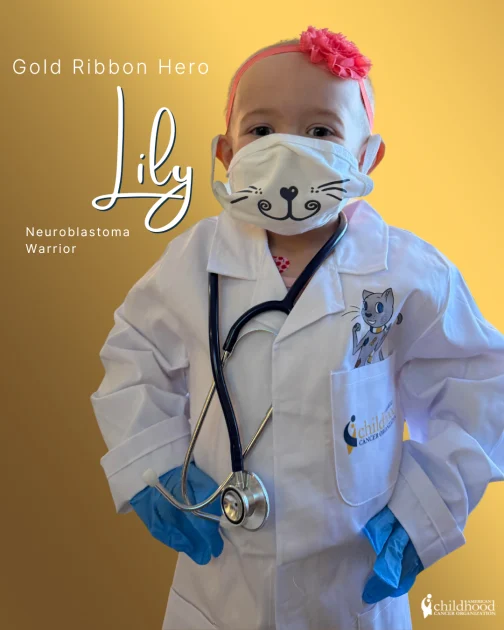
The medical journey of two-year-old Lily, a patient twice diagnosed with neuroblastoma, highlights the profound challenges and clinical complexities inherent in treating high-risk pediatric cancers. At the age of 18 months, a period typically characterized by rapid developmental milestones, Lily’s health took a critical turn when persistent abdominal pain led her family to seek emergency medical intervention. While initial symptoms suggested common pediatric constipation, diagnostic imaging revealed a significant abdominal mass, fundamentally altering the trajectory of her early childhood and necessitating an immediate transition into intensive oncological care.
Neuroblastoma is a rare cancer of the sympathetic nervous system, most commonly arising in the adrenal glands, though it can develop in nerve tissue along the neck, chest, abdomen, or spine. It remains the most common extracranial solid tumor in childhood, accounting for approximately 7% to 10% of all pediatric cancer cases and nearly 15% of pediatric cancer-related deaths. Lily’s diagnosis at 18 months placed her in a demographic where the disease is often aggressive, requiring a multimodal therapeutic approach to achieve remission.
The Multimodal Treatment Strategy and Initial Remission
Upon the discovery of the abdominal mass, Lily’s clinical team initiated a rigorous treatment protocol designed to eradicate the primary tumor and any metastatic cells. The standard of care for high-risk neuroblastoma is among the most intensive in pediatric medicine, involving a five-pillar strategy: induction chemotherapy, surgical resection, consolidation therapy via bone marrow transplants, radiation, and immunotherapy.
During the induction phase, high-dose chemotherapy is utilized to shrink the tumor and treat systemic disease. For Lily, this was followed by a complex surgical procedure to remove the primary abdominal mass. The consolidation phase typically involves autologous stem cell transplants—often referred to as bone marrow transplants—where the patient’s own healthy stem cells are harvested and later reinfused to rescue the bone marrow after lethal doses of chemotherapy. Following these procedures, Lily underwent targeted radiation to the site of the original tumor and immunotherapy, a relatively modern advancement that uses the body’s immune system to identify and destroy remaining cancer cells by targeting specific proteins on the surface of neuroblastoma cells.
Throughout 2024 and much of 2025, Lily demonstrated remarkable resilience, navigating the debilitating side effects of treatment, including nausea, immunosuppression, and extended hospitalizations. In September 2025, after a grueling year of clinical intervention, her medical team declared her in remission. This milestone represented a significant victory for the family and the medical staff, offering a period of reprieve and the hope of a cancer-free future.
The Challenge of Central Nervous System Relapse
The period of stability was tragically brief. In November 2025, only two months after being declared cancer-free, Lily began experiencing persistent headaches. Her parents, sensitized to the subtle signs of medical distress, acted with urgency. Subsequent diagnostic evaluations led to the discovery that the neuroblastoma had returned, this time manifesting as a relapse in the brain.
Central Nervous System (CNS) relapse in neuroblastoma presents a unique and formidable clinical challenge. Historically, the blood-brain barrier—a protective layer of cells that prevents harmful substances from entering the brain—also serves to protect cancer cells from many standard chemotherapy agents. Consequently, while systemic treatment may successfully clear the body of the disease, "sanctuary sites" like the brain can harbor microscopic cells that eventually lead to recurrence.
The discovery of the brain relapse necessitated immediate neurosurgery to remove the new growth. Following the successful surgery, Lily has returned to an aggressive regimen of second-line chemotherapy, immunotherapy, and cranial radiation. This secondary battle is often more difficult than the first, as the patient’s body has already been weakened by previous treatments, and the cancer cells involved in a relapse may have developed resistance to earlier therapeutic agents.
Statistical Landscape and Pediatric Cancer Data
The incidence of neuroblastoma remains steady, with approximately 700 to 800 new cases diagnosed annually in the United States. According to data from the American Cancer Society and the National Cancer Institute (NCI), the five-year survival rate for neuroblastoma has improved significantly over the last several decades, rising from roughly 50% in the 1970s to approximately 80% today. However, these statistics vary wildly based on the risk category. For high-risk patients, the five-year survival rate remains closer to 40% to 50%.
Relapse occurs in nearly half of all high-risk neuroblastoma cases. When the disease returns in the CNS, the prognosis becomes increasingly complex. Research published in the Journal of Clinical Oncology indicates that while CNS relapses were once considered universally fatal, advancements in localized radiation and specialized immunotherapy are beginning to improve outcomes. However, the need for pediatric-specific research remains critical. Currently, pediatric cancer research receives only about 4% of the National Cancer Institute’s annual federal budget, a statistic frequently cited by advocacy groups like the American Childhood Cancer Organization (ACCO) as a primary barrier to developing less toxic and more effective treatments.
The Psychological and Social Impact on the Family Unit
The recurring nature of Lily’s illness underscores the emotional and economic volatility faced by families of pediatric cancer patients. Lily’s mother describes her daughter as "playful, loving, and spicy," a testament to the child’s enduring personality despite the physical toll of her treatment. This "spiciness" or spirited nature is often noted by pediatric oncology nurses as a vital component of a child’s psychological coping mechanism during prolonged hospital stays.
For the family, a relapse often carries a heavier psychological burden than the initial diagnosis. The "relapse trauma" involves the sudden loss of the hard-won sense of security that comes with remission. Furthermore, the logistical demands of specialized care—often requiring travel to major pediatric research hospitals—can lead to significant financial strain, career interruptions, and the exhaustion of local support systems. Organizations like the ACCO provide essential resources, including educational materials and peer support, to help families navigate the complexities of a "two-time warrior" journey.
Future Implications and the Path Forward in Research
Lily’s ongoing treatment with chemotherapy, immunotherapy, and radiation reflects the current "state-of-the-art" approach to relapsed neuroblastoma. Medical researchers are currently investigating several promising avenues to prevent and treat such relapses. These include:
- Liquid Biopsies: Developing blood tests that can detect circulating tumor DNA (ctDNA) to identify a relapse months before it appears on a traditional MRI or CT scan.
- CAR T-Cell Therapy: Engineering a patient’s own T-cells to specifically target neuroblastoma cells, a method that has shown success in leukemia and is being adapted for solid tumors.
- Targeted Inhibitors: Drugs that target specific genetic mutations, such as the ALK gene, which is found in a subset of neuroblastoma cases.
- Enhanced Immunotherapy: Utilizing antibodies that can better penetrate the blood-brain barrier to treat CNS involvement more effectively.
The implications of Lily’s case extend beyond her individual recovery. Her journey serves as a case study in the necessity of vigilant post-remission monitoring. The fact that her relapse was caught quickly due to her parents’ responsiveness to her headaches highlights the critical role of caregiver education in oncological outcomes.
As Lily continues her second battle against neuroblastoma, her story remains a poignant reminder of the "kids can’t fight cancer alone" mantra. The intersection of clinical expertise, parental advocacy, and community support forms the foundation of pediatric oncology. While the road ahead for Lily involves significant medical uncertainty, the integration of new therapeutic modalities and the dedication of her clinical team provide a pathway toward a potential second remission.
The broader scientific community continues to monitor cases like Lily’s to refine treatment protocols and improve the quality of life for survivors. In the high-stakes environment of pediatric oncology, every case contributes to a growing body of knowledge that aims to one day render neuroblastoma a manageable, rather than life-threatening, condition. For now, the focus remains on Lily’s immediate recovery and the ongoing support of a family navigating the most difficult of circumstances.
