
 By Suherman Candra Maholtra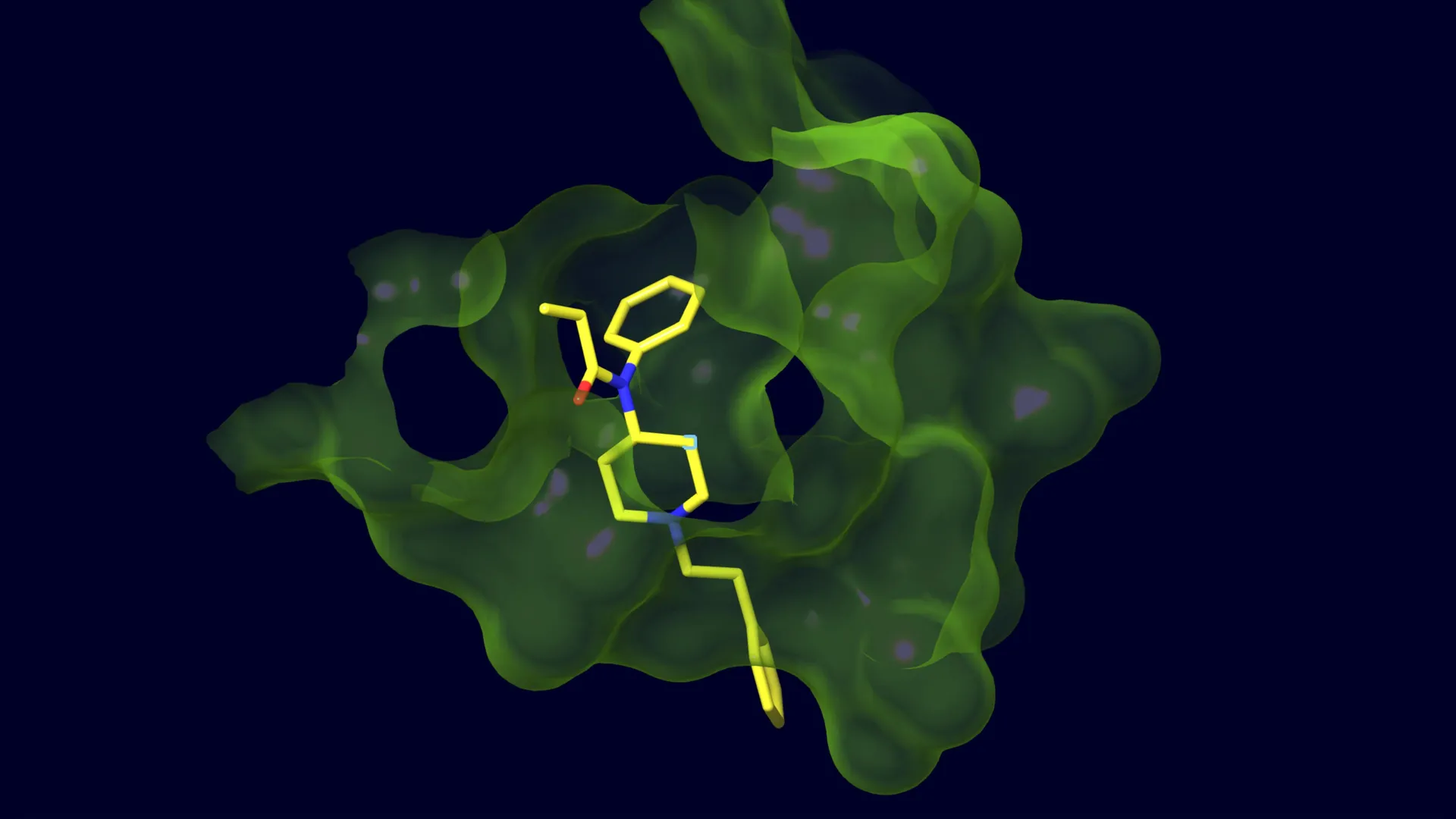
The United States is currently grappling with a public health emergency of unprecedented proportions, driven largely by the proliferation of fentanyl and its synthetic derivatives. According to the Centers for Disease Control and Prevention (CDC), synthetic opioids are now the primary driver of drug overdose deaths, claiming more lives annually than motor vehicle accidents and firearm-related incidents combined. In high doses, these substances disrupt the central nervous system, suppressing the respiratory signals that control breathing and leading to rapid, often fatal, hypoxia. While emergency interventions like naloxone (Narcan) can reverse an overdose by displacing opioids from brain receptors, they are reactive measures that must be administered within a very narrow window of time to be effective.
In a significant shift from reactive treatment to proactive prevention, researchers at Scripps Research have unveiled a groundbreaking experimental vaccine designed to intercept fentanyl before it can ever cross the blood-brain barrier. The study, recently published in the Journal of Medicinal Chemistry, suggests a paradigm shift in how science approaches addiction and overdose. By training the immune system to recognize the broader chemical signature of the fentanyl class, the vaccine offers potential protection not only against the base drug but also against a rapidly evolving array of "designer drugs" that have historically stayed one step ahead of law enforcement and medical countermeasures.
The Evolution of the Synthetic Opioid Crisis
To understand the significance of the Scripps Research discovery, one must look at the trajectory of the opioid epidemic. Public health experts often describe the crisis in three distinct waves: the first beginning in the 1990s with the over-prescription of pharmaceutical opioids; the second in 2010 with a surge in heroin use; and the third, which began around 2013, characterized by the explosion of illicitly manufactured fentanyl.
Fentanyl is a synthetic opioid that is 50 to 100 times more potent than morphine. Because it is cheap to produce and easy to transport, illicit manufacturers often mix it into other drugs—such as cocaine, methamphetamine, and counterfeit pills—frequently without the user’s knowledge. This contamination has led to a surge in "accidental" overdoses among populations not traditionally considered high-risk opioid users.
Furthermore, clandestine laboratories have become adept at modifying the fentanyl molecule. By altering minor parts of its chemical structure, they create "analogs" or designer drugs like carfentanil—which is 10,000 times more potent than morphine—and others like acetylfentanyl or furanylfentanyl. These variations are often designed specifically to circumvent legal regulations and to evade detection in standard toxicology screenings. This "cat-and-mouse" game has made it nearly impossible for public health officials to maintain effective countermeasures, as a new variant can emerge the moment an old one is banned.
A Novel Immunological Approach
For decades, the laboratory of Kim Janda, PhD, the Ely R. Callaway, Jr. Professor of Chemistry at Scripps Research, has been at the forefront of developing "immunopharmacotherapies." These are vaccines that do not target a virus or bacteria, but rather a specific drug molecule. The goal is to stimulate the production of antibodies that bind to the drug in the bloodstream. Once bound, the drug-antibody complex becomes too large to pass through the blood-brain barrier, effectively sequestering the toxin in the blood where it can be neutralized and eventually cleared by the body.
Historically, developing these vaccines has been fraught with difficulty. Most traditional vaccine designs use the drug itself—or a very close structural mimic—as the "hapten" (the small molecule that triggers an immune response when attached to a carrier protein). This approach has two primary flaws. First, using highly regulated substances like fentanyl as a research base creates significant bureaucratic and safety hurdles. Second, the resulting immune response is often too specific; an antibody trained to recognize fentanyl might ignore a slightly modified version like sufentanil or a new designer analog.
"The way the fentanyl landscape is evolving, the black-market drug makers are constantly coming up with new versions to skirt regulations and avoid detection in standard screenings," says Janda. "We need countermeasures that are going to work against all these future variants at once, not just one at a time."
Breaking the Mold: The Unconventional Vaccine Design
The Scripps team decided to challenge the conventional wisdom of vaccine design. Instead of using a molecule that looked exactly like fentanyl, they utilized a radically reconfigured molecular architecture. This molecule shared some fundamental characteristics with the fentanyl class but possessed a different core structure.
Arran Stewart, a research associate in the Janda lab and the study’s first author, noted the uncertainty involved in this strategy. "When we started testing this molecule as a vaccine component, we honestly didn’t know if it would work," Stewart explains. "The conventional wisdom says that to get the immune system to recognize fentanyl, you have to use something that looks like fentanyl. We were doing the opposite."
The researchers attached this modified molecule to a carrier protein and administered four doses to murine models (mice) over an eight-week period. The results were unexpected and highly promising. Rather than producing a narrow response, the mice’s immune systems generated "cross-reactive" antibodies. These antibodies were trained to recognize a broad molecular signature—a common denominator shared by the entire fentanyl class.
Quantitative Success in Animal Trials
The efficacy of the vaccine was measured through several rigorous metrics. When the scientists introduced various fentanyl analogs to the vaccinated mice, the results showed a broad spectrum of protection. The antibodies successfully bound to and neutralized:
- Fentanyl: The primary target.
- Carfentanil: An extremely potent analog used as a large-animal sedative.
- "China White" (α-methylfentanyl): A common illicit variant.
- Acetylfentanyl and Furanylfentanyl: Two of the most common designer variants found in street samples.
Crucially, the vaccine demonstrated a high level of selectivity. The antibodies did not bind to other opioids used in legitimate medical settings, such as morphine, oxycodone, remifentanil, or alfentanil. This is a vital distinction, as it ensures that a vaccinated individual could still receive standard pain management or anesthesia in a hospital setting without the vaccine interfering with those treatments.
In behavioral and physiological testing, the results were equally stark. Mice that had been vaccinated maintained nearly normal respiratory rates even when administered doses of fentanyl that would typically induce severe respiratory depression or death. Furthermore, biochemical analysis revealed that fentanyl levels in the brains of vaccinated mice were approximately 70% lower than those in the control group. This reduction is significant enough to prevent the "high" associated with the drug and, more importantly, the fatal suppression of the brain’s breathing centers.
Timeline and Path to Human Application
The development of this vaccine follows years of iterative research within the Janda lab, which has previously explored vaccine candidates for heroin and nicotine. The current study represents a culmination of efforts to address the specific volatility of the synthetic opioid market.
While the animal trial results are a major milestone, the transition to human clinical trials is the next critical phase. This process typically involves:
- Phase I: Testing for safety and dosage in a small group of healthy volunteers.
- Phase II: Expanding the study to evaluate efficacy and side effects in a larger group, likely those in recovery programs.
- Phase III: Large-scale testing to confirm effectiveness and monitor for rare adverse reactions.
Given the severity of the opioid crisis, there is significant interest from both private foundations and government agencies in accelerating these types of "breakthrough" therapies. The Scripps Research study was supported by the Shadek Family Foundation, highlighting the role of philanthropic investment in addressing public health crises that are often stigmatized or overlooked by traditional pharmaceutical pipelines.
Broader Impact and Public Health Implications
The implications of a broad-spectrum fentanyl vaccine are far-reaching. If proven safe and effective in humans, this vaccine could serve several high-risk populations. First and foremost, it could provide a "safety net" for individuals in substance abuse recovery programs. For those struggling with addiction, the risk of relapse is high, and in the age of fentanyl, a single lapse in judgment is often fatal. A vaccine could provide months of protection, ensuring that a relapse does not result in a lethal overdose.
Secondly, the vaccine could be offered to first responders, including police, EMTs, and fire department personnel, who are frequently exposed to unknown substances in the line of duty. Incidental exposure to high-potency analogs like carfentanil through skin contact or inhalation has been a growing concern for law enforcement agencies.
From a policy perspective, this research changes the "arms race" between chemists and traffickers. "What this research shows us is that we don’t have to keep playing catch-up with every new synthetic designer drug that emerges," Janda emphasizes. "By training the immune system to recognize the entire fentanyl class—not just individual structures—we can stay ahead of illicit drug traffickers."
Conclusion: A New Frontier in Chemical Defense
The work of Janda, Stewart, and their colleagues at Scripps Research represents more than just a new medical treatment; it is a fundamental rethinking of how the human body can be defended against synthetic toxins. By moving away from the "one drug, one vaccine" model, the team has opened the door to a more generalized form of chemical immunity.
As the study concludes, the public health potential is significant, but the scientific lesson is equally vital. The ability to design vaccines that recognize an entire class of drugs based on a reconfigured molecular architecture provides a blueprint for future countermeasures against other emerging chemical threats. While the road to FDA approval remains long, the Scripps Research vaccine offers a glimmer of hope in a crisis that has, for too long, seemed insurmountable. The transition from reactive naloxone to proactive vaccination could eventually save tens of thousands of lives every year, turning the tide in the nation’s deadliest drug epidemic.
