
 By admin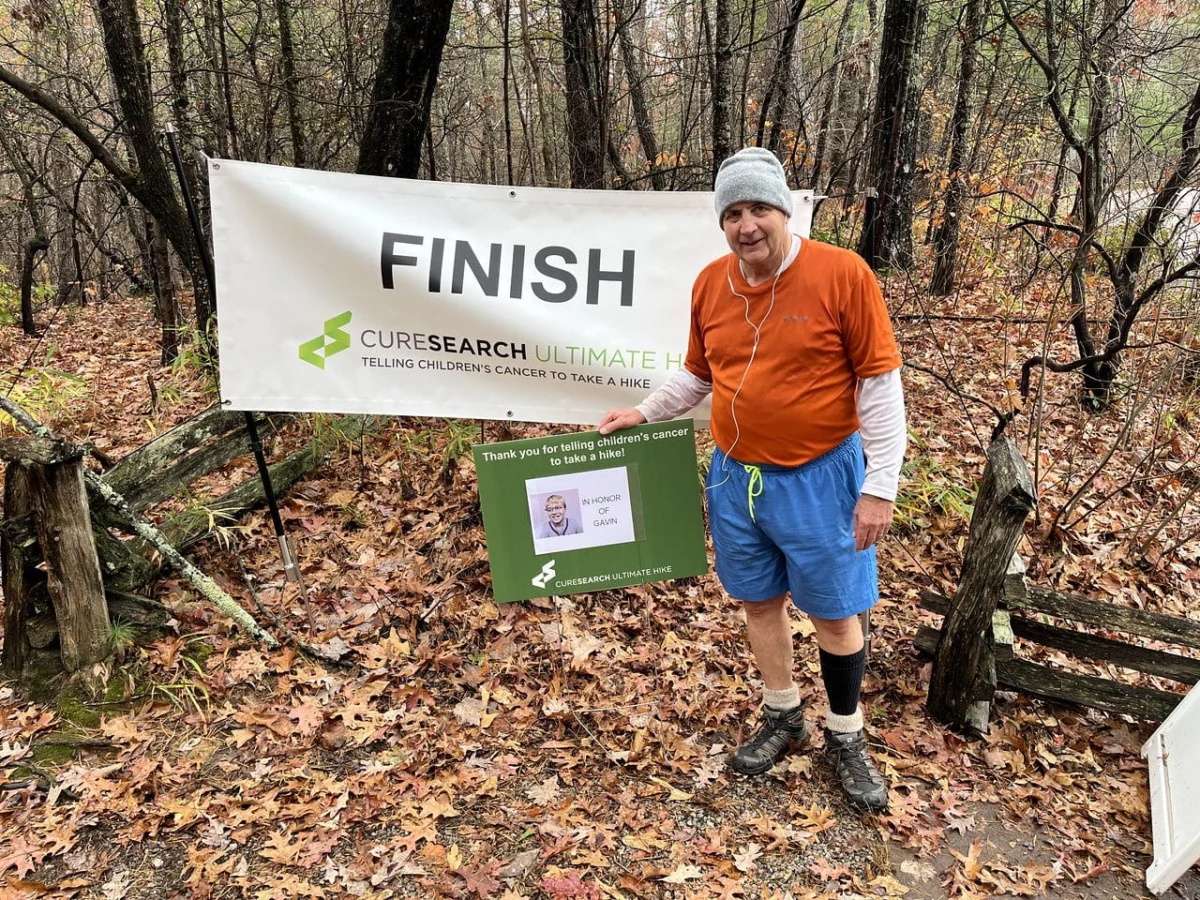
The significance of this milestone extends beyond the monetary value, highlighting the critical role that individual grassroots efforts play in the landscape of medical research funding. For Mr. Gioscia, the journey began in 2011, sparked by a chance encounter with a promotional flyer and galvanized by the diagnosis of a six-year-old family friend, Gavin. Since that time, his commitment has transformed from a personal fitness challenge into a mission-critical support system for researchers working to solve the unique challenges of childhood cancer, a field that historically receives a disproportionately small share of federal and private pharmaceutical funding compared to adult cancers.
The Genesis of a Decadelong Commitment to Pediatric Oncology
The trajectory of Frank Gioscia’s involvement with Ultimate Hike provides a case study in the power of sustained community engagement. In 2011, after attending an introductory meeting, Mr. Gioscia committed to his first hike. The motivation became deeply personal shortly thereafter when Gavin, a child close to his family, was diagnosed with cancer. This diagnosis served as a catalyst, transforming the physical act of hiking into a symbolic and financial lifeline for children facing similar battles.
Over the past 13 years, Mr. Gioscia has traversed hundreds of miles across various terrains in multiple Ultimate Hike events nationwide. His training regimen is rigorous, facilitated by his proximity to the Great Smoky Mountains National Park, where he maintains his physical condition year-round. At 73, his ability to complete these high-endurance treks—which often involve hiking nearly 30 miles in a single day—serves as a testament to his personal resilience and his dedication to the cause.
The "Everest Award" system utilized by Ultimate Hike is designed to mirror the monumental nature of the fundraising task. By reaching the $500,000 mark, Mr. Gioscia has effectively "climbed" the equivalent of ten Everest summits in terms of financial impact. Each $50,000 increment represents a significant contribution to the CureSearch mission, which focuses on funding "translational" research—studies that move promising treatments out of the laboratory and into clinical trials for young patients.
Supporting Data: The Funding Gap in Childhood Cancer Research
The urgency behind Mr. Gioscia’s fundraising is underscored by the current state of pediatric cancer research funding in the United States. While survival rates for some forms of childhood cancer have improved significantly over the last several decades, others remain nearly 100% fatal. Furthermore, the treatments currently available—often developed for adults—can be devastatingly toxic to a child’s developing body.
According to data from the National Cancer Institute (NCI), pediatric cancer research generally receives only about 4% of the NCI’s annual budget. This funding gap means that the development of new, age-appropriate drugs often lags behind adult oncology. Furthermore, because childhood cancers are considered "rare" in comparison to adult diseases like lung or breast cancer, private pharmaceutical companies have less financial incentive to invest in pediatric-specific drug development.
This is where the funds raised by Ultimate Hikers like Mr. Gioscia become essential. The $500,000 raised by a single individual can fund significant portions of early-phase clinical trials or provide the necessary data for a researcher to qualify for larger federal grants. CureSearch focuses specifically on research that addresses "late effects," which are the chronic health problems—including heart disease, secondary cancers, and cognitive impairments—that many childhood cancer survivors face due to the harshness of traditional chemotherapy and radiation.
Chronology of an Ultimate Hiker’s Path
The timeline of Mr. Gioscia’s journey reflects a steady upward trajectory in both physical effort and community mobilization:
- 2011: Frank Gioscia joins Ultimate Hike after discovering a flyer and attending an informational session. He begins fundraising and training for his first event.
- 2012–2015: As Gavin’s battle with cancer continues, Gioscia expands his network, involving family, friends, and local community members in his fundraising efforts. He becomes a regular fixture at regional hikes.
- 2016–2020: Gioscia reaches multiple "Everest" milestones ($50,000 each). Despite the challenges posed by the global pandemic in 2020, he maintains his training and continues to solicit donations for pediatric research.
- 2021–2023: Gioscia enters his 70s, continuing to hike the Great Smoky Mountains and participating in multiple national events. His lifetime total begins to approach the unprecedented half-million-dollar mark.
- Late 2024: Mr. Gioscia officially surpasses $500,000 in lifetime fundraising, earning the first-ever 10X Everest Award.
- November 2, 2024: Gioscia participates in the Foothills Fall Ultimate Hike, marking the conclusion of a record-breaking season for the organization.
The 2024 Foothills Fall Ultimate Hike and Season Finale
The most recent chapter in Mr. Gioscia’s journey took place on Saturday, November 2, 2024, during the Foothills Fall Ultimate Hike. This event, held on the scenic Foothills Trail, serves as the season finale for the 2024 Ultimate Hike calendar. The trail is renowned for its technical challenges as well as its panoramic autumnal views, providing a rigorous backdrop for the year’s final major fundraising push.
The 2024 season has been characterized as "record-breaking" by CureSearch officials, with participation across various age groups and fitness levels. The program is designed to be inclusive, offering training support and fundraising mentorship to participants, whether they are seasoned hikers or novices. However, it is the veteran hikers like Mr. Gioscia who provide the foundational leadership for the community. By carrying the honor of the 10X Everest Award during the Foothills trek, Gioscia served as a visible symbol of what long-term dedication can achieve.
The funds raised during this specific event contribute to the broader 2024 goal of accelerating the delivery of new treatments to children who have exhausted standard-of-care options. For the families of children currently in treatment, the sight of hikers like Mr. Gioscia crossing the finish line offers more than just financial hope; it provides a sense of solidarity and proof that their struggle is not forgotten by the public.
Institutional Impact and the Role of Philanthropy
From a journalistic and analytical perspective, the achievement of Mr. Gioscia highlights a shift in how medical research is being funded in the 21st century. As the costs of clinical trials rise, non-profit organizations like CureSearch have had to become increasingly sophisticated in their fundraising models. Endurance events like Ultimate Hike tap into the "experience economy," allowing donors to connect a physical accomplishment with a philanthropic outcome.
The $500,000 milestone is significant because it represents a "high-value individual" contribution achieved through "peer-to-peer" fundraising rather than a single large corporate grant. This model is often more sustainable, as it builds a broad base of donors who become educated about the cause. The impact of these funds is direct: they are utilized to overcome the "Valley of Death," a term used in the medical industry to describe the gap between a laboratory discovery and its application in a clinical setting.
CureSearch’s strategy involves rigorous vetting of research projects by a Scientific Advisory Board, ensuring that the dollars raised by hikers are directed toward the most promising and scientifically sound initiatives. By focusing on "safer" treatments, the organization acknowledges that for children, surviving cancer is only the first step; the quality of life in the decades following treatment is equally paramount.
Implications for Future Advocacy
Frank Gioscia’s journey provides a blueprint for individual advocacy in the non-profit sector. His success is attributed to a combination of personal passion, consistency, and the ability to leverage his own physical health for the benefit of those who are unwell. His statement—"I hike for all children with cancer"—underscores the universal nature of the mission, moving beyond his initial motivation of a single family friend to encompass a global health crisis.
As the 2024 season concludes, the focus shifts to the next generation of hikers and donors. The 10X Everest Award sets a new benchmark for what is possible within the Ultimate Hike program. For CureSearch, the challenge remains to find more advocates who can match Gioscia’s longevity and fervor. The organization continues to emphasize that every mile hiked and every dollar raised brings the medical community closer to a future where childhood cancer is no longer a life-threatening or life-altering diagnosis.
In the broader context of healthcare, the story of Frank Gioscia serves as a reminder of the gaps that still exist in our medical infrastructure and the degree to which we rely on the extraordinary efforts of ordinary citizens to fill them. As he continues to traverse the trails of the Great Smoky Mountains, his legacy is not just the miles he has walked, but the potential lives he has helped to save through his relentless pursuit of a cure.
