
 By admin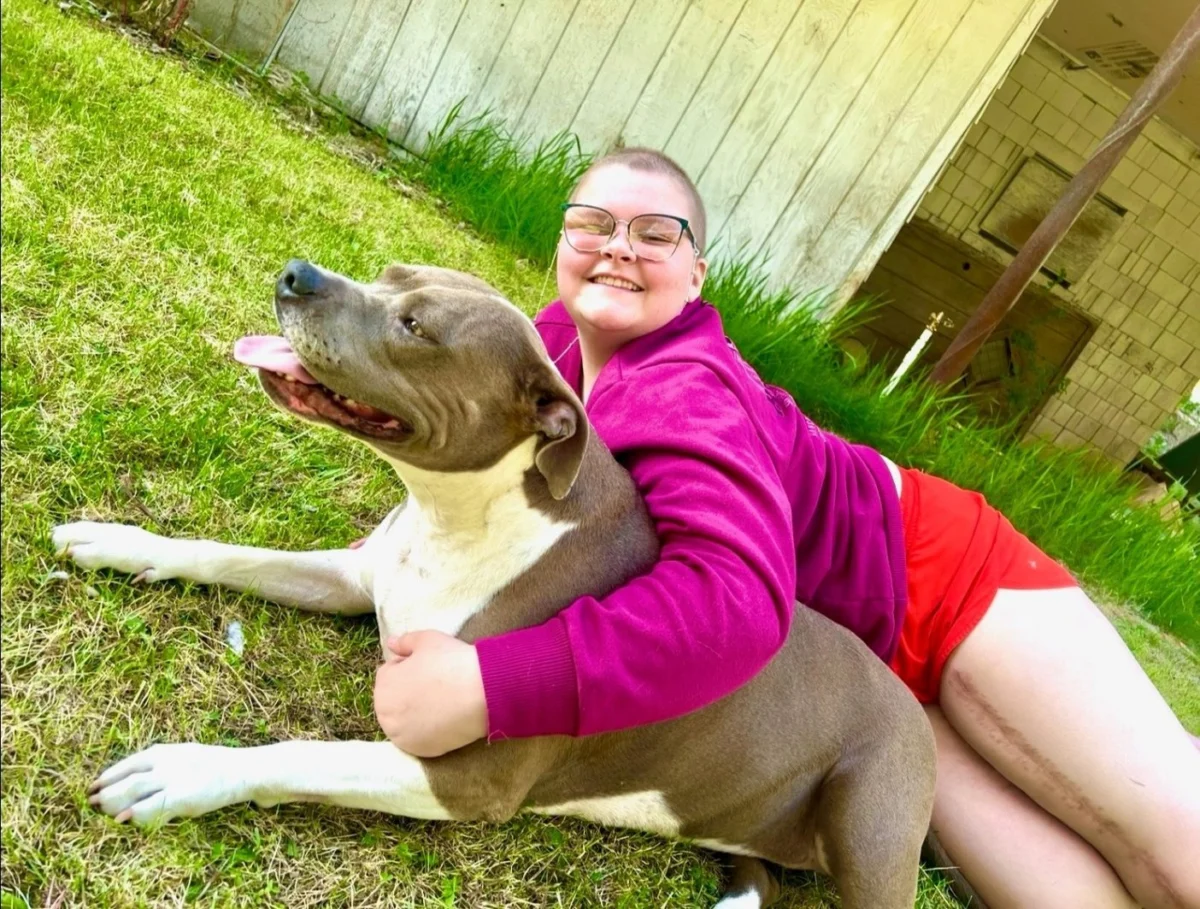
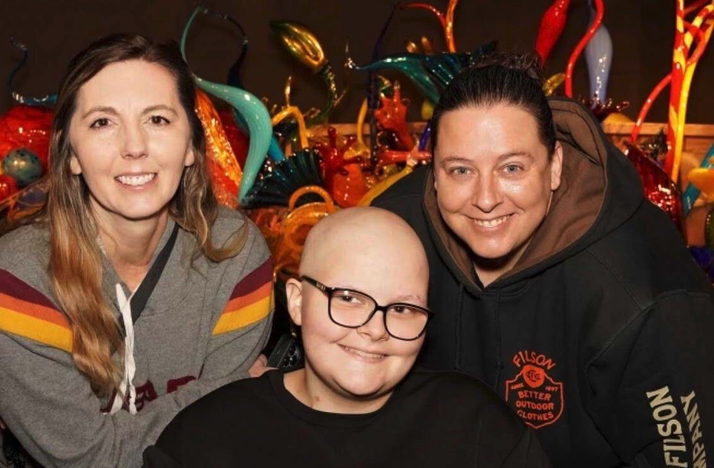
The final milliliter of chemotherapy entered 14-year-old Madelyn’s bloodstream in a sterile hospital room, marking the conclusion of a grueling medical regimen that had defined her life for nearly two years. As the intravenous line was cleared, the teenager immediately transitioned from a patient confined by illness to a survivor celebrating a hard-won milestone. Embracing her mother, Toni, and a family friend, Madelyn’s immediate reaction—jumping and dancing despite months of physical trauma—signaled the end of active treatment. For many observers, this "ringing of the bell" represents the finish line of a cancer journey. However, for Madelyn and thousands of adolescent cancer survivors like her, the cessation of chemotherapy is merely the transition into a complex, often isolating phase of long-term recovery and psychosocial reintegration.
Clinical Background and Initial Diagnosis
The trajectory of Madelyn’s illness began in the summer of 2024, a period typically characterized by athletic development and social engagement for teenagers. While participating in softball practice and learning sliding techniques, Madelyn began experiencing persistent pain in her leg. Initial assessments by the family attributed the discomfort to a standard musculoskeletal strain or pulled muscle, a common occurrence in youth sports. However, when the pain intensified to a debilitating level a month later, clinical intervention became necessary.
Diagnostic imaging via X-ray revealed a significant tumor that had breached the cortex of the femur, the body’s longest and strongest bone. Subsequent biopsies confirmed a diagnosis of osteosarcoma, a primary bone malignancy that most frequently affects children, adolescents, and young adults. According to the American Cancer Society, osteosarcoma accounts for about 2% of childhood cancers, but it represents a significant portion of bone cancers in the teenage demographic, often occurring during growth spurts.
The Therapeutic Regimen and Surgical Complications
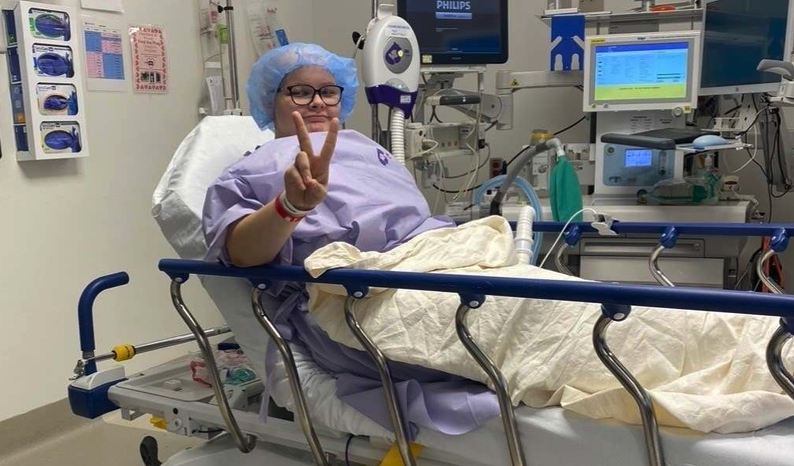
Madelyn’s treatment plan was intensive, involving 30 rounds of systemic chemotherapy designed to eradicate micrometastatic disease and shrink the primary tumor. The side effects were profound, including severe nausea and alopecia. Beyond the systemic treatment, the location and size of the tumor necessitated radical surgical intervention. Surgeons performed a limb-salvage procedure, which involved the resection of the diseased portion of the femur and the knee joint, replacing them with titanium prosthetics.
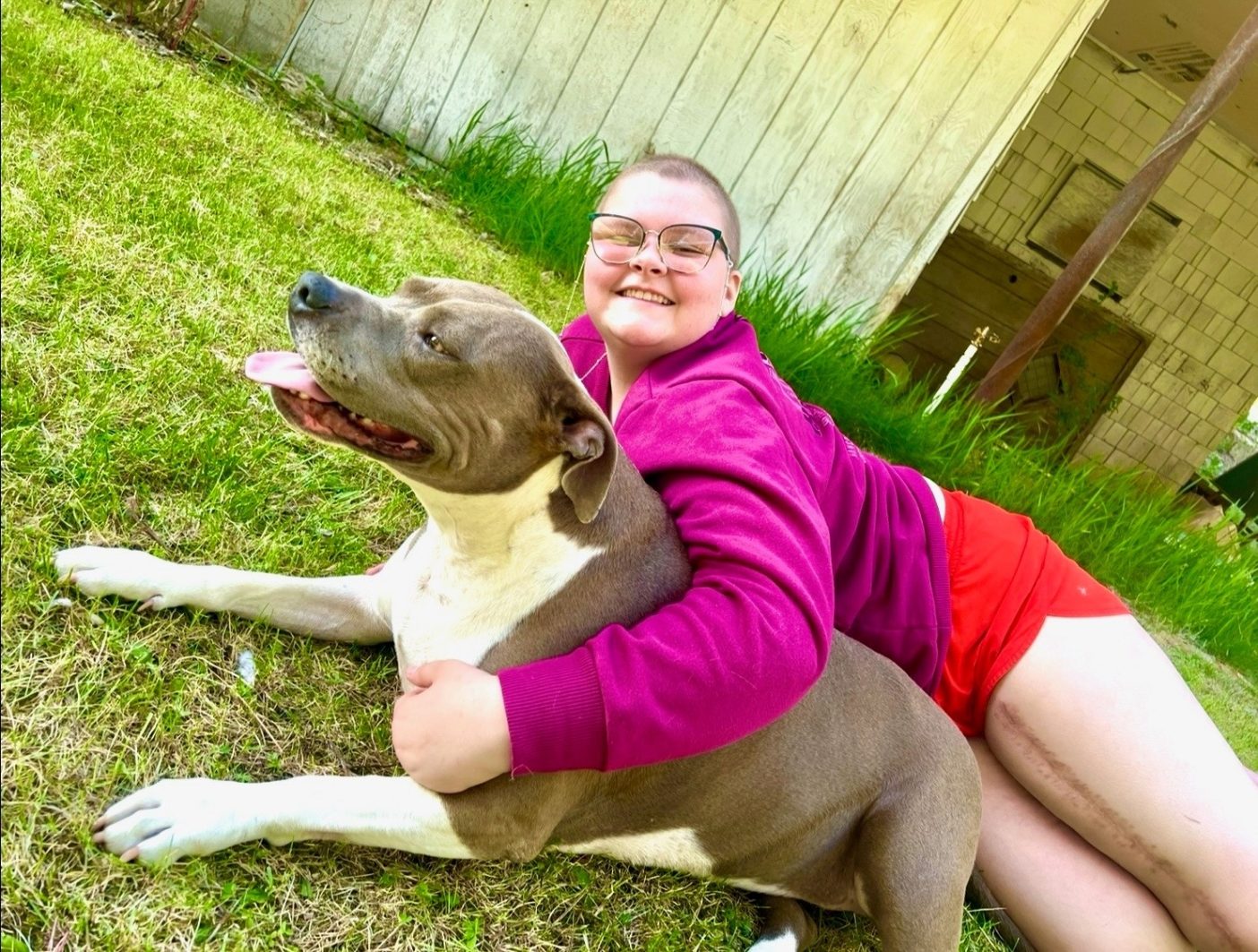
The recovery process was severely hindered by mechanical failures of the initial implants. Madelyn remained unable to walk for ten months as multiple prosthetic prototypes failed during the production and testing phases. "You have to order these pieces and wait forever for them to be made, tested, and delivered," Toni explained, noting that three different prototypes failed pressure testing before a viable solution was found. In total, Madelyn underwent four major surgeries. Her current physical structure includes a titanium femur, a titanium knee replacement, and a titanium component integrated into her hip.
By March 2026, Madelyn reached the milestone of being one year cancer-free. While the physical presence of the disease had been neutralized, the structural changes to her body necessitated an arduous period of physical therapy. She spent months relearning how to ambulate using her left leg, eventually transitioning from a wheelchair to a crutch.
The Psychosocial Impact of Adolescent Survivorship
While the physical challenges of osteosarcoma are visible, the psychological toll of the "post-cancer" life often proves more difficult to navigate. Madelyn has reported significant feelings of isolation, describing a sense of being an "alien" in her former life. This phenomenon is well-documented in pediatric oncology; survivors often return to social circles where their peers lack the life experience to relate to the trauma of a life-threatening illness.
Toni observed that the experience forced an accelerated maturity upon her daughter. "None of her friends at school get it," Toni stated. "She was a mature kid before, but now she’s just way more mature than her friends and classmates, and that’s been hard for her." This maturity gap often leads to social withdrawal. Madelyn has exhibited signs of heightened anxiety and a preference for remaining at home, a space she perceives as the only environment where safety is guaranteed. This "homebody" behavior is often a manifestation of post-traumatic stress, where the survivor fears that leaving their safe zone could result in further medical crises for themselves or their caregivers.
The anxiety extends to the well-being of her support system. Madelyn has expressed concern regarding her mother’s safety, fearing that if a mishap were to occur to Toni, Madelyn would be left vulnerable should her cancer return. This hyper-vigilance is a common psychological byproduct of long-term medical trauma, affecting both the patient and the primary caregiver.
Shifts in Caregiver Dynamics and Re-entry Challenges
The transition from "fight mode" to "recovery mode" presents a unique set of challenges for parents. Toni noted that the hardest part of the experience occurred after the clinical treatment ended. The expectation of returning to a "normal life" was met with the reality that their previous version of normalcy no longer existed.
"When it’s over, that’s the hardest part, because it’s like, now what?" Toni said. She highlighted a disconnect between the family’s internal reality and public perception. While colleagues and acquaintances often assume that the end of treatment signifies a total return to health, the emotional exhaustion often peaks once the immediate crisis has passed. Toni reported that the emotional burden occasionally required her to leave work, as the weight of the previous two years became overwhelming in a professional setting that expected full productivity.
This experience has fundamentally altered the mother-daughter dynamic. Toni described a newfound patience, acknowledging that Madelyn’s experiences have earned her the right to be impatient with the pace of her recovery. "Given what she went through, she understands that tomorrow isn’t promised," Toni said, explaining her reduced tendency toward frustration or irritation regarding Madelyn’s desire to move forward quickly.
Statistical Context and the Role of Survivorship Research
Madelyn’s story mirrors the broader statistics of childhood cancer survivorship. Data from the Children’s Cancer Research Fund (CCRF) indicates that while survival rates for many pediatric cancers have improved significantly over the last several decades, the long-term health outcomes remain a concern. Survivors of childhood cancer are at a higher risk for secondary malignancies, cardiovascular issues, and chronic psychological conditions including depression and PTSD.
Research into survivorship is a growing field within oncology. Organizations like the CCRF are increasingly focusing on "late effects" research, which aims to mitigate the long-term physical and mental health consequences of toxic treatments. For adolescent survivors, the focus is often on building resilience and providing the tools necessary for social and educational reintegration. The goal is to ensure that survivors do not merely exist in the aftermath of their disease but are equipped to build fulfilling, independent lives.
Current Status and Future Outlook
Now 15 years old, Madelyn is actively working to reclaim her adolescence within the parameters of her new physical reality. She has returned to her school’s marching band, serving as the drum major. Initially leading from a wheelchair, she now participates in school theater productions, navigating the stage with the assistance of a crutch. Her resilience has earned the respect of her educators and peers; her bandmates even attended her "end of treatment" bell-ringing ceremony virtually to provide a support network.
In addition to her school activities, Madelyn has embraced creative outlets, including a food vlog and experimenting with her personal style through various hair colors. These activities represent a drive to make up for the time lost during her ten months of immobility and thirty rounds of chemotherapy.
Despite her "cancer-free" status, the medical journey is ongoing. Madelyn must undergo regular diagnostic scans to monitor for recurrence. In the clinical world of oncology, a patient is typically not considered "cured" until they have maintained a cancer-free status for five years. Until that milestone is reached, the shadow of the disease remains a factor in her daily life.
The case of Madelyn serves as a poignant reminder that the end of medical treatment is not the end of the cancer experience. It is the beginning of a lifelong process of adaptation. As Madelyn continues her recovery, her story highlights the critical need for continued support systems that address the "unseen" side of survivorship—the mental health struggles, the social hurdles, and the persistent resilience required to move forward when the world assumes the battle is already won. Through her leadership in the band and her presence on stage, Madelyn is redefining what it means to be a survivor, proving that while the "longest bone in the body" may now be made of titanium, her resolve remains entirely her own.
