
 By admin
The annual Grandma’s Marathon in Duluth, Minnesota, has long been recognized as a premier event in the American distance running circuit, drawing thousands of participants to the scenic North Shore of Lake Superior. While the race is renowned for its fast course and breathtaking views, the 2024 iteration features a dedicated cohort of runners for whom the finish line represents more than a personal best. Among the participants are members of Team CCRF, a fundraising initiative of the Children’s Cancer Research Fund (CCRF), who are leveraging the platform to raise critical funds and awareness for pediatric oncology research. This year, the stories of Tim Lapping and Tami Swenson highlight the intersection of personal resilience, professional expertise, and the urgent need for advancements in childhood cancer treatment.
The Heritage and Impact of Grandma’s Marathon
Established in 1977, Grandma’s Marathon began as a local event with just 150 participants. Named after the first major sponsor, Grandma’s Saloon & Grill, the race has grown into one of the largest and most prestigious marathons in the United States. The course stretches from Two Harbors to Duluth, following the undulating terrain of Highway 61. For the city of Duluth, the marathon weekend is an economic cornerstone, contributing millions of dollars to the local economy and attracting an international field of athletes.
However, beyond the economic and athletic prestige, Grandma’s Marathon has become a vital venue for charitable organizations. Charity running has evolved into a multi-million dollar industry, allowing non-profits to tap into the endurance sports community to fund various causes. For the Children’s Cancer Research Fund, an organization based in Minneapolis, the marathon serves as a high-visibility opportunity to engage the public in the fight against pediatric cancer—a disease that remains the leading cause of death by disease for children in the United States.
Tim Lapping: Bridging Clinical Research and Personal Advocacy
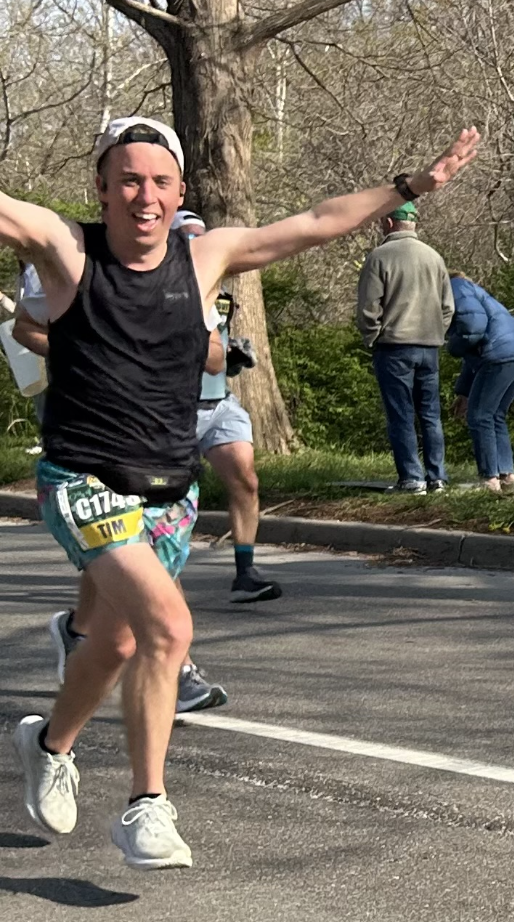
For Tim Lapping, a resident of Kansas City, the decision to participate in Grandma’s Marathon was driven by a unique synthesis of his professional background and a deeply personal family experience. Lapping has spent over a decade working within the clinical research sector, specifically focusing on oncology studies at a local children’s hospital. This professional vantage point provided him with a clear understanding of the mechanics of medical progress: without rigorous clinical trials and the funding to support them, the development of lifesaving treatments remains stagnant.
Lapping’s professional awareness took on a personal dimension when his four-year-old nephew was diagnosed with leukemia. The diagnosis forced Lapping to see the clinical world through the eyes of a family member, navigating the complexities of treatment protocols and the uncertainty of a pediatric cancer diagnosis. His nephew has now been cancer-free for approximately two years, a milestone Lapping attributes directly to the decades of scientific inquiry that preceded the diagnosis.
"He’s been cancer-free for about two years now, and I know that wouldn’t have been possible without years and years of research," Lapping stated. His participation in Grandma’s Marathon—his first-ever full marathon—is a tribute to that research and an effort to ensure other families have access to similar outcomes. Training four days a week while balancing professional responsibilities and family life with his wife, Sophie, and sons, Freddie and Beau, Lapping views the 26.2-mile challenge as a metaphor for the long-term commitment required in the laboratory. By turning the race into a family trip, he aims to emphasize the importance of community support in the face of medical adversity.
Tami Swenson: Running in the Legacy of Ada
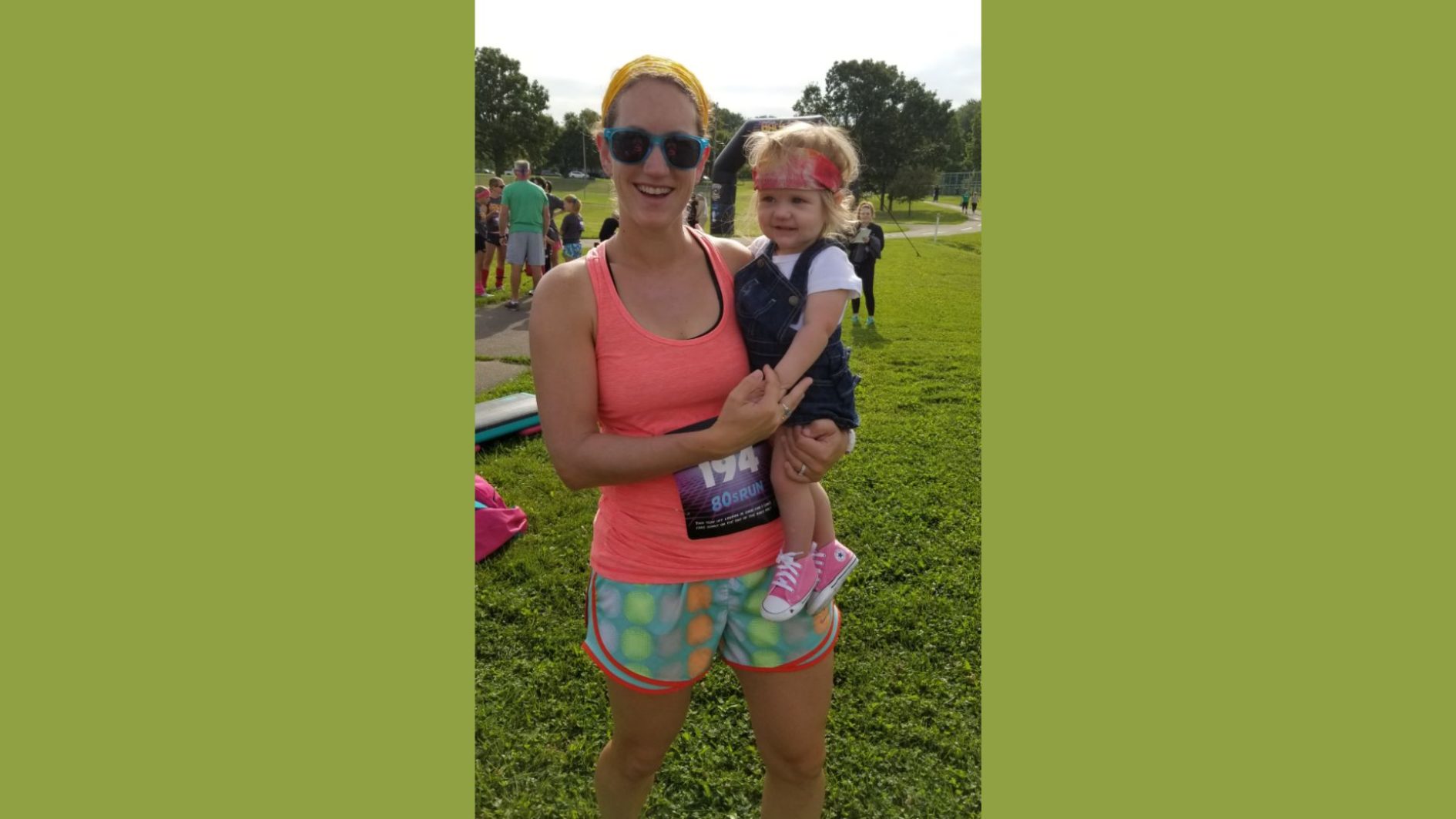
While Lapping represents the hope of recovery, Tami Swenson represents the profound resilience of those who have faced the ultimate loss. Swenson, a seasoned marathoner with more than 15 races across California under her belt, is joining Team CCRF to honor her daughter, Ada. In 2023, five-year-old Ada passed away following a 15-month battle with leukemia. Her treatment was exhaustive, encompassing chemotherapy, a bone marrow transplant, and participation in two separate clinical trials.
Throughout her illness, Ada became a symbol of spirit within the hospital walls, often seen riding her bike through the hallways and carrying her "C.C. Bear," a signature stuffed animal provided by the Children’s Cancer Research Fund to children undergoing treatment. Swenson’s decision to run Grandma’s Marathon is a fulfillment of a long-held goal, but the motivation has shifted from athletic achievement to a mission of remembrance and advocacy.
"When I’m having a tough time training, thinking about why I’m doing it gets me through the miles," Swenson shared. For Swenson, the miles run along the North Shore are a continuation of the journey she began with Ada. Her participation highlights a critical aspect of the CCRF mission: supporting families through the entire spectrum of the cancer experience, from diagnosis through treatment and, in some cases, bereavement.
The Critical Need for Pediatric Cancer Funding
The efforts of runners like Lapping and Swenson are set against a backdrop of significant funding disparities in the medical community. According to data from the National Cancer Institute (NCI), only about 4% of federal funding for cancer research is directed toward pediatric cancers. This "4% gap" means that the vast majority of advancements in childhood oncology must be supported by private donations and organizations like the Children’s Cancer Research Fund.
Childhood cancers are biologically distinct from adult cancers, meaning that treatments developed for adults are often ineffective or overly toxic for developing bodies. Leukemia, the most common type of childhood cancer, has seen significant improvements in survival rates—rising from less than 10% in the 1960s to over 90% today for certain types like Acute Lymphoblastic Leukemia (ALL). However, for high-risk cases or relapsed patients, the prognosis remains guarded, and survivors often face lifelong "late effects" from the harsh treatments.
Philanthropy-driven research focuses on several key areas:
- Development of Targeted Therapies: Moving away from broad-spectrum chemotherapy toward drugs that target specific genetic mutations in cancer cells.
- Immunotherapy: Harnessing the body’s own immune system to identify and destroy cancer cells, a field that has shown immense promise in treating pediatric leukemia.
- Quality of Life Research: Investigating ways to reduce the long-term side effects of treatment, such as heart damage, secondary cancers, and cognitive impairments.
The Role of Team CCRF in Scientific Advancement
Team CCRF serves as a bridge between the athletic community and the scientific community. By participating in major endurance events, the team raises funds that are channeled into "seed grants." These grants allow researchers to pursue innovative, high-risk ideas that might not yet qualify for federal funding. Once a researcher has gathered enough preliminary data through a CCRF grant, they are significantly more likely to secure larger grants from the National Institutes of Health (NCI/NIH).
The impact of this funding model is measurable. Since its inception, CCRF has contributed over $200 million to childhood cancer research. This funding has supported the work of world-renowned researchers at the University of Minnesota and other leading institutions, contributing to breakthroughs in bone marrow transplantation and gene therapy.
Broader Implications of Charity Endurance Sports
The participation of Lapping and Swenson in Grandma’s Marathon underscores a broader trend in the "social impact" of sports. Marathon running, once a solitary pursuit of physical excellence, has become a collective endeavor of social responsibility. The "noble cause" Lapping refers to provides a psychological framework that helps athletes endure the rigors of training and the physical pain of the race itself.
From a journalistic perspective, the integration of charitable missions into major sporting events creates a multifaceted narrative. It transforms a local sporting event into a national conversation about healthcare priorities. When thousands of spectators line the streets of Duluth, they are not just seeing athletes; they are seeing moving billboards for causes that demand public attention.
Chronology of the 2024 Grandma’s Marathon Weekend
The 48th annual Grandma’s Marathon weekend is structured to maximize community engagement and fundraising potential:
- Thursday & Friday: The Essentia Health Fitness Expo at the Duluth Entertainment Convention Center (DECC) serves as the hub for packet pickup and charitable networking. Team CCRF members use this time to share their stories with fellow runners.
- Friday Evening: The William A. Irvin 5K provides a shorter-distance option for supporters and family members.
- Saturday Morning: The Garry Bjorklund Half Marathon begins at 6:00 AM, followed by the full Grandma’s Marathon at 7:45 AM.
- Post-Race: The "Rock the Big Top" celebration allows runners to commemorate their achievements, with a significant portion of the focus remaining on the funds raised for childhood cancer research.
Conclusion: The Road Ahead
As Tim Lapping and Tami Swenson prepare for the starting line in Two Harbors, their journey represents the dual nature of the fight against childhood cancer: the celebration of survival and the solemn remembrance of those lost. The funds raised through their participation in Grandma’s Marathon will directly contribute to the next generation of clinical trials—the same types of trials that saved Lapping’s nephew and provided hope for Swenson’s daughter.
The broader implication for the public is clear: while medical progress is often viewed as a series of abstract scientific breakthroughs, it is fueled by the tangible, physical efforts of individuals. Through the endurance of the human spirit—manifested both in the laboratory and on the 26.2-mile course to Duluth—the goal of a world without childhood cancer moves one step closer to reality. For those interested in supporting this mission, the Children’s Cancer Research Fund continues to offer opportunities for athletes of all levels to join Team CCRF, ensuring that every mile run is a mile toward a cure.
