
 By admin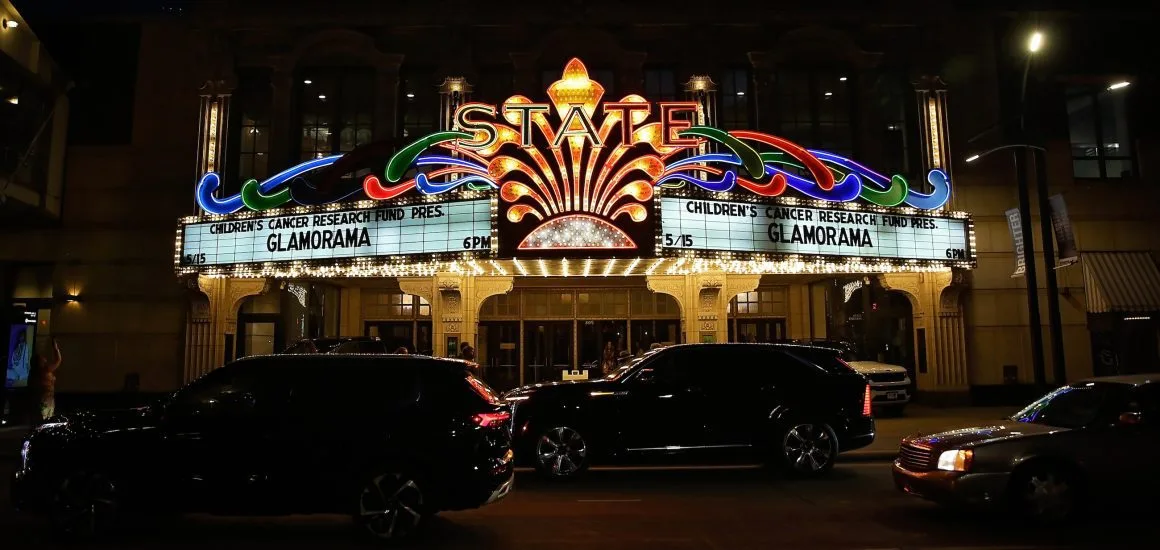
The bright lights of high fashion and the rhythmic pulse of house music returned to the heart of Minneapolis as Glamorama made its long-awaited comeback after a twelve-year hiatus. Transforming the historic State Theatre into a multi-sensory landscape of couture and choreography, the event served as a major fundraising vehicle for the Children’s Cancer Research Fund (CCRF). The evening marked a significant milestone for the Twin Cities social and philanthropic calendar, signaling the revival of a tradition that once defined the intersection of Midwestern retail culture and national fashion trends.
Originally established during the era of Dayton’s department stores and later carried on by Marshall Field’s and Macy’s, Glamorama was once the premier fashion event in the region, drawing thousands of attendees and featuring top-tier musical acts and international designers. Its return in 2024, however, shifted the focus toward a more intimate yet highly immersive experience, deeply rooted in the personal stories of those affected by pediatric cancer. The reimagined event was not merely a runway show but a sophisticated narrative journey designed to bridge the gap between artistic expression and medical necessity.
A Vision Rooted in Childhood Imagination
At the core of the evening’s creative direction was the "imagination of children." The production was inspired by five specific pediatric cancer patients and survivors: Fritz, Isaac, Valerie, Anikah, and Alice. These children served as the "visionaries" for the night’s aesthetic, with their dreams and worlds brought to life through the creative direction of Grant Whittaker. Whittaker, a longtime champion of both Glamorama and CCRF, worked to translate the abstract ideas of childhood wonder into tangible fashion segments characterized by vibrant colors, rich textures, and avant-garde styling.
Kenna Dooley, the Chief Development Officer of the Children’s Cancer Research Fund, emphasized during her opening remarks that the event was built upon these individual stories. By centering the production on the perspectives of the children, the organizers aimed to humanize the statistics surrounding pediatric cancer. The resulting atmosphere was one of "immersive fashion," where guests did not just watch a show but moved through a curated environment that reflected the resilience and creativity of the youth the organization serves.
The Evolution of Glamorama: From Department Store Spectacle to Philanthropic Powerhouse
To understand the weight of Glamorama’s return, one must look at its historical trajectory. For over three decades, Glamorama was a cornerstone of the Minneapolis fashion scene. It began as a way for the Dayton’s department store to showcase its fall collections, eventually evolving into a massive production that toured several major U.S. cities, including Chicago, Detroit, and San Francisco. At its peak, the event featured performances by stars such as Prince, Cyndi Lauper, and Sheryl Crow.
When the event was discontinued over a decade ago, it left a void in the local philanthropic landscape. The 2024 revival represents a strategic pivot. While the original iterations were heavily tied to corporate retail interests, the new Glamorama is a mission-driven endeavor led by CCRF. This shift ensures that the glamour of the evening is directly tethered to the fundraising goals required to advance treatments for childhood diseases.
The choice of the State Theatre as the venue provided a nostalgic nod to the event’s roots while offering an acoustically and visually superior setting for the evening’s modern interpretation. The theatre’s Italian Renaissance style, with its ornate carvings and gilded details, provided a stark and beautiful contrast to the high-energy house music and contemporary fashion on display.
Musical Legends and the Atmosphere of Giving
The energy of the night was amplified by a lineup of house music icons whose hits defined the dance floors of the 1990s. CeCe Peniston, Crystal Waters, and Robin S. delivered electrifying performances that bridged the gap between the event’s nostalgic past and its forward-looking mission. Peniston’s "Finally," Waters’ "Gypsy Woman (She’s Homeless)," and Robin S.’s "Show Me Love" provided a high-octane soundtrack that resonated with the audience, many of whom had attended Glamorama in its earlier decades.
These performances were not merely entertainment; they were integrated into the fashion segments, with models moving to the choreography in a way that blended concert-style energy with runway precision. The inclusion of these artists underscored the theme of "nostalgic nods," paying homage to the era when Glamorama first rose to prominence while maintaining a contemporary relevance.
The Critical Need for Pediatric Cancer Research Funding
While the evening was a celebration of style, the underlying data regarding pediatric cancer provided a sobering reminder of the event’s purpose. According to data from the National Cancer Institute, childhood cancer research receives only about 4% of the total federal funding allocated for cancer research. This disparity leaves a significant gap that must be filled by private organizations like the Children’s Cancer Research Fund.
CCRF CEO Elizabeth Allen highlighted this reality in her address to the attendees. "Only through bold support can we change what’s possible for kids and families facing cancer," Allen stated. She noted that Glamorama serves as a critical entry point for the community to engage with the organization’s mission. The funds raised during the event are directed toward several key areas:
- Innovative Research: Funding Phase I clinical trials that test new treatments for children who have exhausted standard care options.
- Survivorship Programs: Supporting research into the long-term side effects of cancer treatments, which can affect survivors for decades.
- Family Support: Providing resources for families navigating the emotional and financial toll of a cancer diagnosis.
The "meaningful connections" sparked by the event are intended to build lasting momentum. By bringing together donors, researchers, and families in a shared space, CCRF aims to foster a community of advocates dedicated to increasing the survival rates and quality of life for children with cancer.
Corporate and Community Synergy
The success of Glamorama’s return was bolstered by a diverse array of sponsors and local business partners. The involvement of Twin Cities staples such as 50th and France, Grethen House, and Fashion Avenue demonstrated a strong local commitment to the cause. High-end retailers like MartinPatrick3 and Martha Dayton Design contributed to the event’s aesthetic standards, ensuring that the fashion presented was of a caliber worthy of the Glamorama name.
Other notable sponsors included:
- Kowalski’s Markets: A long-standing supporter of local community initiatives.
- Landscape Structures: Bringing a focus on play and childhood development.
- Park Chrysler Jeep: Providing logistical and financial backing.
- Odele and Opitz: Contributing to the beauty and retail components of the production.
This collaborative effort extended to the behind-the-scenes work of designers, volunteers, crew members, and talent. The logistical feat of transforming a historic theatre into a modern runway required months of planning and the coordination of hundreds of individuals, all of whom contributed their time and expertise to ensure the event’s success.
Broader Implications for the Twin Cities Arts and Philanthropy Scene
The return of Glamorama is a bellwether for the Minneapolis event industry. In the post-pandemic era, there has been a significant push to revitalize the downtown core through arts and culture. A large-scale, high-profile event like Glamorama brings foot traffic to the Hennepin Theatre District and reinforces the city’s reputation as a hub for creative philanthropy.
Furthermore, the event’s focus on "immersive experiences" reflects a broader trend in the gala and fundraising industry. Modern donors are increasingly looking for engagement beyond a traditional sit-down dinner. By offering a high-concept production that combines music, fashion, and storytelling, CCRF has set a new standard for how non-profits in the region can approach major donor cultivation.
The impact of the night extends far beyond the final curtain call. The awareness raised for the five "visionary" children and the thousands of others like them serves to humanize the scientific pursuit of a cure. As the fashion industry continues to evolve, the fusion of "couture and cause" seen at Glamorama provides a model for how luxury and social responsibility can coexist to drive tangible progress in medical research.
Conclusion: A New Chapter for a Storied Tradition
As the night concluded, the sentiment among attendees and organizers was one of profound gratitude and renewed purpose. Glamorama’s return was more than a revival of a brand; it was a reaffirmation of the community’s commitment to its most vulnerable members. Through the visionary direction of Grant Whittaker and the steadfast leadership of the Children’s Cancer Research Fund, the event successfully honored its iconic past while forging a new path forward.
The momentum generated by the evening is expected to carry through to CCRF’s upcoming research cycles. With the "bold support" of the Twin Cities community, the organization remains poised to continue its work in changing the landscape of pediatric oncology. Glamorama has returned, and with it, a powerful reminder that fashion, when paired with a mission, has the power to transform lives and inspire hope for a future where childhood cancer is a thing of the past.
