
 By Nana O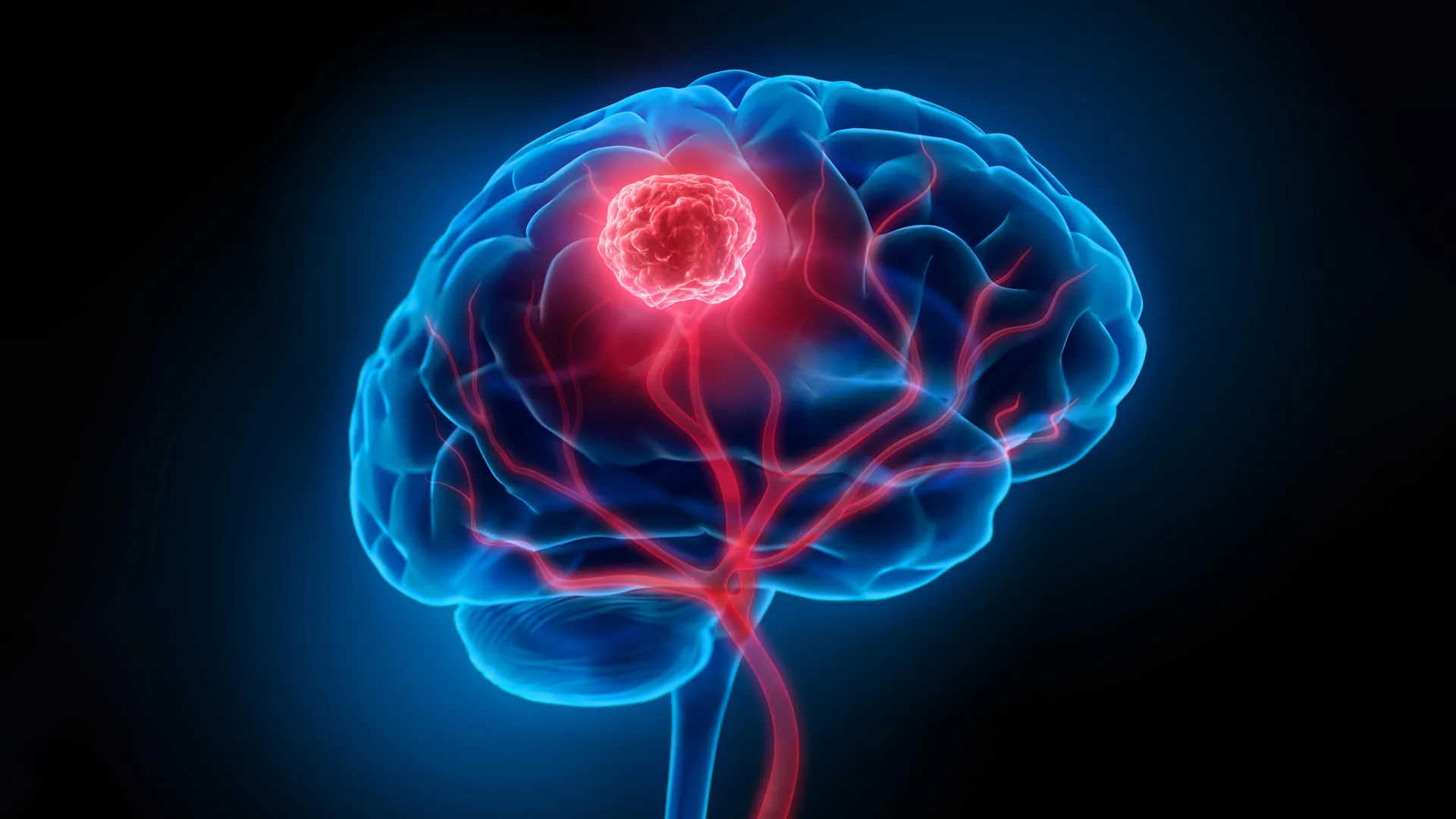
Glioblastoma, a relentlessly aggressive form of brain cancer, has long presented a formidable challenge to medical science. Its insidious nature, characterized by diffuse infiltration into surrounding healthy brain tissue, makes complete surgical resection exceedingly difficult. This inherent characteristic, coupled with the formidable barrier imposed by the blood-brain barrier—a biological shield that severely limits the efficacy of drug delivery and radiotherapy—contributes to the grim reality of a five-year survival rate hovering around a mere 7 percent. However, a groundbreaking advancement from a collaborative team of researchers at the University of Technology Sydney (UTS), Harvard University, and Henan University offers a beacon of hope. Their development of a novel "double-punch" nanozyme platform, detailed in the prestigious journal Science Translational Medicine, promises a dual-action approach to simultaneously tackle these critical treatment obstacles using a single, intelligent nanoparticle system.
A Dual-Action Nanoparticle: The Core of the Innovation
At the heart of this transformative technology lies an intricately engineered, ultra-thin, two-dimensional sheet. This material, composed of individual atoms meticulously placed using techniques adapted from advanced semiconductor manufacturing processes, possesses the remarkable ability to dynamically switch between two crucial functions. This sequential capability allows the nanoparticles to act as a precise guide for surgeons during an operation and subsequently transition into a targeted therapeutic agent for residual cancer cells. The ingenious aspect of this system is that both of these critical functions are activated by the same wavelength of near-infrared light, a spectrum invisible to the human eye but readily penetrable by biological tissues.
Dr. Bingyang Shi, Chair Professor of nanomedicine at UTS’s School of Electrical, Mechanical and Biomedical Engineering, articulated the significance of this dual-purpose design. "We’ve engineered a single material that does two jobs in sequence," Dr. Shi explained. "It’s a precise guide for the surgeon during the operation, and then a targeted clean-up treatment afterward." This sequential activation streamlines the treatment process, potentially reducing the need for multiple interventions and improving the overall patient experience.
Illuminating the Unseen: Enhanced Surgical Precision
The initial function of this nanoparticle platform is to revolutionize surgical visualization. During glioblastoma surgery, where millimeters can mean the difference between complete tumor removal and leaving behind dangerous microscopic remnants, the nanoparticles act as a highly sensitive imaging agent. When illuminated with near-infrared light, a fluorescent dye meticulously integrated onto the nanoparticle sheet emits a glow. This luminescence allows surgeons to discern even minuscule tumor cell clusters, as small as 44 micrometers in size. This level of resolution far surpasses the capabilities of current clinical imaging tools, offering surgeons an unprecedented view into the intricate landscape of the tumor.
Furthermore, the nanoparticles are engineered with specific targeting molecules. These molecules are designed to actively cross the formidable blood-brain barrier, a feat that significantly impedes conventional treatments, and then selectively accumulate within glioma cells. This targeted accumulation ensures that the imaging signal is concentrated where it is needed most, minimizing background noise and maximizing the accuracy of tumor delineation. By providing surgeons with this enhanced visibility, the platform aims to facilitate more aggressive and complete resection of the visible tumor mass, a critical first step in improving patient outcomes.
Targeted Post-Operative Therapy: Eradicating Residual Disease
Once the visible tumor has been surgically excised, the same nanoparticle material is deployed within the surgical cavity. Upon reactivation with the identical wavelength of near-infrared light, the nanoparticles initiate their therapeutic phase. This phase is designed to combat the insidious threat of microscopic cancer cells that inevitably escape the surgeon’s scalpel, often residing in areas too small or too close to critical brain structures to be safely removed.
The therapeutic mechanism is a sophisticated two-pronged attack. Firstly, the platinum atoms embedded within the nanoparticle structure catalyze a reaction that converts the tumor’s inherent hydrogen peroxide into oxygen. This process is crucial because glioblastoma tumors often create a hypoxic (low-oxygen) microenvironment, which paradoxically shields cancer cells from treatment by rendering them less susceptible to therapies like radiotherapy. By increasing oxygen levels, the nanoparticles counteract this protective mechanism, making the residual cancer cells more vulnerable. Simultaneously, the near-infrared light triggers the generation of heat and reactive oxygen species. These agents are highly cytotoxic, effectively destroying any remaining microscopic cancer cells that could otherwise lead to tumor recurrence.
Addressing the Scourge of Recurrence
The specter of glioblastoma recurrence looms large over patients and clinicians alike. Even with meticulous surgery, the diffuse nature of the cancer means that microscopic infiltrations are a common occurrence. These lingering cancer cells, often undetectable by current imaging methods, can lie dormant before initiating a new wave of tumor growth, significantly diminishing the long-term prognosis. The dual-function nanoparticle platform is specifically engineered to address this critical unmet need.
Pre-Clinical Validation: Promising Results in Animal Models
The efficacy of this innovative nanoparticle approach has been rigorously tested in preclinical studies using mouse models of glioblastoma. The results have been profoundly encouraging. In mice that underwent surgery followed by the nanoparticle-based treatment, tumor recurrence was significantly reduced. Remarkably, all treated mice remained alive at the 60-day mark. In stark contrast, mice that received surgery alone had a median survival of only 42 days. Furthermore, comprehensive follow-up assessments revealed no detectable neurological or motor impairments associated with the nanoparticle treatment, suggesting a favorable safety profile in these animal models.
These findings represent a significant leap forward in the quest for more effective glioblastoma therapies. The ability to not only improve surgical precision but also to actively target and eliminate residual disease offers a new paradigm in the fight against this devastating cancer.
Looking Ahead: The Path from Bench to Bedside
Despite the overwhelmingly positive preclinical data, the researchers are keen to emphasize that this is still an early-stage research endeavor. "The results are very encouraging, but this is still early-stage research carried out in mouse models, not in people—and that distinction is important," Professor Shi cautioned. The next crucial steps involve scaling up the technology and validating its performance in the context of the human brain. The complexities of the human anatomy and the vastly larger scale of a human brain will necessitate further extensive testing and optimization.
The research team’s ultimate aspiration is to translate this laboratory success into a tangible clinical benefit for patients. If the technology continues to demonstrate efficacy and safety through rigorous human clinical trials, the hope is that surgeons will, in the not-too-distant future, be empowered with the ability to see more of the tumor during an operation and to effectively treat the microscopic remnants that are currently the primary driver of treatment failure. This advancement could represent a meaningful stride towards significantly reducing recurrence rates, a challenge that continues to define the grim reality for individuals diagnosed with glioblastoma.
Broader Implications and the Future of Brain Cancer Treatment
The development of this dual-function nanozyme platform has far-reaching implications beyond glioblastoma. The principles of targeted drug delivery, enhanced surgical visualization, and sequential therapeutic activation could potentially be adapted for a wide range of other challenging cancers and neurological conditions. The ability to precisely target diseased cells while navigating the blood-brain barrier opens up new avenues for treating conditions previously considered intractable.
The collaborative nature of this research, bringing together expertise from diverse fields such as materials science, nanomedicine, and surgical oncology, underscores the power of interdisciplinary approaches in tackling complex medical problems. The successful integration of advanced semiconductor manufacturing techniques with biological applications highlights the growing convergence of engineering and medicine.
While the journey from animal models to widespread clinical application is often long and fraught with challenges, the promising results from this UTS-led initiative offer a renewed sense of optimism. It represents a significant scientific achievement and a tangible step towards a future where aggressive brain cancers like glioblastoma can be managed with greater precision, efficacy, and ultimately, with improved survival rates and quality of life for patients. The ongoing research and development in this area will be closely watched by the global medical community, as it holds the potential to redefine the landscape of neuro-oncology.
