
 By admin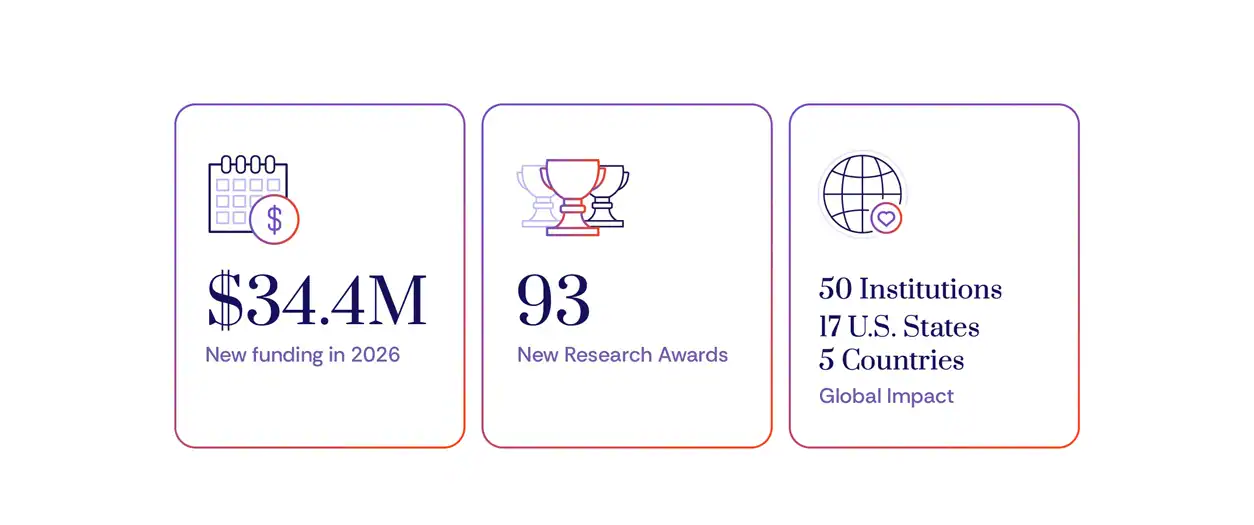
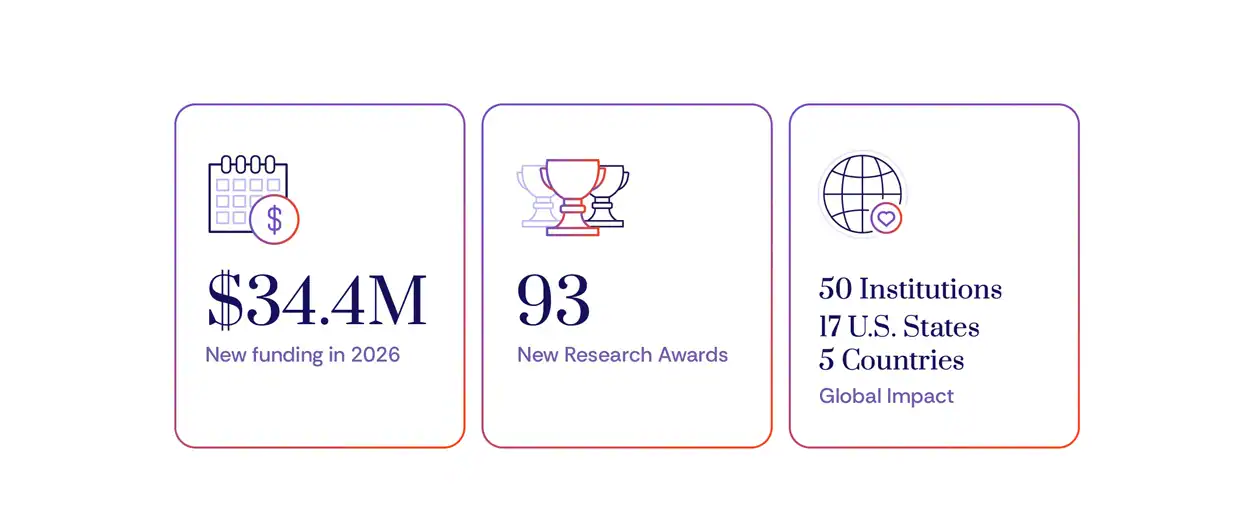
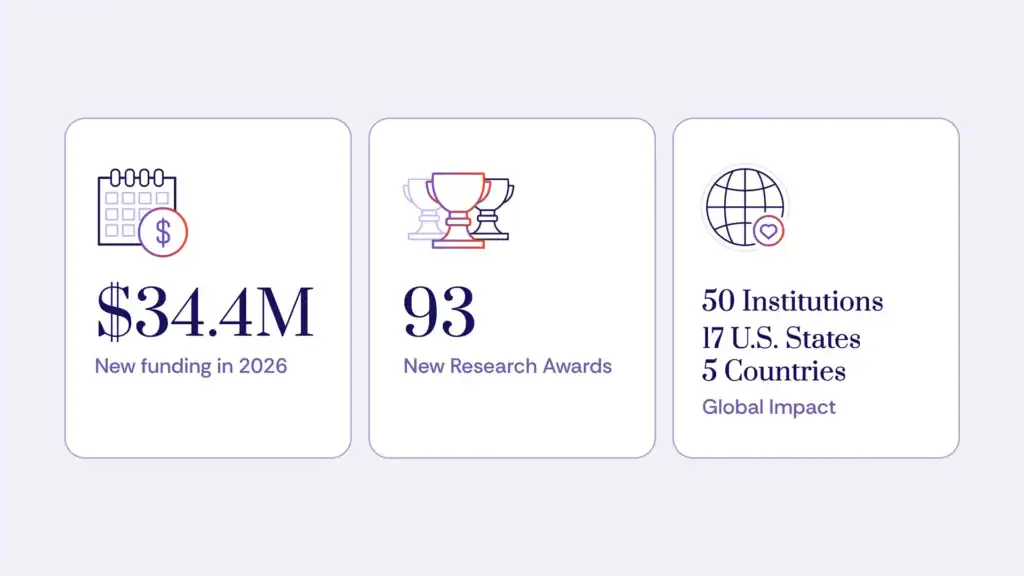
In a period marked by widespread funding reductions and an increasingly precarious landscape for scientific inquiry across the globe, the Cancer Research Institute (CRI) has demonstrated an unwavering commitment to its core mission, announcing a historic $34.4 million in new grant funding during fiscal year 2025-26. This unprecedented investment, distributed across 93 awards, represents CRI’s largest grantmaking year to date, reaching scientists at 50 institutions spanning five countries and 17 U.S. states. The strategic decision to "keep science moving forward" underscores CRI’s role as a pivotal force in accelerating the development of immunotherapies, even as other research avenues face significant headwinds.
Navigating a Challenging Research Environment
The global scientific community has faced substantial challenges in recent years, with economic uncertainties and shifting governmental priorities leading to significant funding shortfalls for critical research initiatives. Reports from major funding bodies have indicated a tightening of grant availability, particularly for early-career researchers, creating what many in the scientific community refer to as a "valley of death" – a perilous stage where promising postdoctoral fellows struggle to secure the initial funding required to establish independent laboratories and pursue their innovative ideas. This environment has amplified the pressure on philanthropic organizations like CRI to step in and provide the crucial support necessary to prevent a slowdown in scientific progress, especially in high-stakes fields such as cancer research, where every delay can have profound implications for patient outcomes.
The costs associated with groundbreaking research continue to escalate, from sophisticated laboratory equipment and specialized reagents to the recruitment of highly skilled personnel. Furthermore, the increasing complexity of biological systems, particularly in oncology, demands more intensive and sustained investigation. Against this backdrop, CRI’s record investment is not merely an increase in volume but a strategic declaration of intent: to act as a steadfast patron of scientific innovation, ensuring that brilliant minds and audacious ideas are not stifled by financial constraints or systemic uncertainty. This counter-cyclical funding approach stands in stark contrast to the prevailing trend, offering a lifeline to researchers whose work holds the potential to redefine cancer treatment paradigms.
A Legacy of Sustained Investment: 70 Years of Driving Immunotherapy
For over seven decades, the Cancer Research Institute has been at the forefront of cancer immunotherapy research, a field that has transitioned from a fringe concept to a cornerstone of modern oncology. Established in 1953, CRI’s mission has consistently focused on funding the most promising research into the immune system’s role in fighting cancer. This long-term vision has allowed CRI to support exceptional scientists at critical junctures in their careers, often before their most impactful discoveries have come to fruition. This philosophy of investing in potential, rather than solely established track records, has been instrumental in fostering the foundational breakthroughs that paved the way for today’s life-saving immunotherapies.
CRI’s funding model is built on a continuum of support, designed to nurture scientific talent through various stages of professional development. Early investments through postdoctoral fellowships have launched countless research careers, providing essential training and resources for scientists to delve into complex immunological questions. As these fellows mature, programs like the new IGNITE Award become crucial, bridging the often-precarious gap between mentored research and independent leadership. Further up the career ladder, the prestigious CRI Lloyd J. Old STAR Awards offer established investigators the unparalleled freedom and resources to pursue high-risk, high-impact ideas that might not fit conventional funding mechanisms but hold the promise of transformative discoveries. This layered approach ensures that promising scientists receive targeted support precisely when they need it most, fostering an environment where innovation can flourish without undue pressure to conform to immediate, short-term outcomes.
Introducing the IGNITE Award: Fueling Independent Research
A cornerstone of CRI’s recent grantmaking expansion is the launch of the new IGNITE Award, an acronym for "Inspiring Growth and Nurturing Independence Through Excellence." This award directly addresses one of the most significant bottlenecks in a scientist’s professional journey: the transition from postdoctoral training to establishing an independent research laboratory. This period is characterized by immense pressure to secure initial funding, define an original area of investigation, and generate sufficient preliminary data to compete for larger, long-term grants from national bodies such as the National Institutes of Health (NIH). Without adequate support during this critical phase, many promising ideas and talented individuals can falter, not due to a lack of scientific merit but because the resources required to pursue ambitious, yet nascent, research programs are notoriously difficult to obtain.
The IGNITE Award provides critical, flexible funding precisely at this inflection point. It empowers early-career scientists to build their own research teams, acquire necessary equipment, and conduct pilot studies that are essential for validating novel hypotheses. By offering this strategic support, CRI aims to mitigate the risks associated with scientific exploration and enable researchers to pursue bold, unconventional questions that might otherwise be overlooked by more conservative funding avenues. The award fosters an environment of intellectual freedom, allowing scientists to take the calculated risks that are often prerequisites for paradigm-shifting discoveries in the complex field of cancer immunology. This targeted intervention is expected to significantly accelerate the progression of innovative concepts from early-stage investigation to more mature, fundable research programs, ultimately enriching the pipeline of potential new immunotherapies.
Dr. Simone Park: A Testament to Sustained Investment
The impact of CRI’s sustained investment strategy is vividly exemplified by Dr. Simone Park, an inaugural recipient of the IGNITE Award at the University of Pennsylvania. Dr. Park’s journey with CRI began during her postdoctoral fellowship, where she received early support that enabled her to delve into fundamental questions of immunology. Today, the IGNITE Award is propelling her into the next phase of her career, providing the essential resources to establish her independent research program. Her work focuses on tissue-resident memory T cells (TRM cells), specialized immune cells that establish long-term residency in various tissues throughout the body, including those where tumors may have once been present. These TRM cells are hypothesized to play a crucial role in providing lasting protection against cancer recurrence, acting as a vigilant surveillance system.
Dr. Park’s research specifically investigates the mechanisms that enable these TRM cells to persist within tissues and maintain their potent anti-tumor capabilities over extended periods. By dissecting the intricate biology governing their durability and function, she aims to uncover novel strategies for enhancing and prolonging the immune system’s protective responses against cancer. Understanding how to sustain these cellular defenders could lead to the development of more robust and enduring immunotherapies, potentially preventing relapse in patients who have achieved remission. Her groundbreaking work holds significant promise for improving the long-term efficacy of cancer treatments and underscores the value of investing in individuals and ideas that push the boundaries of current scientific understanding. Dr. Park’s progression from a CRI-supported postdoc to an independent IGNITE awardee is a compelling narrative of how consistent, strategic funding can cultivate scientific leaders and translate fundamental research into potentially life-changing clinical applications.
A Holistic Ecosystem for Advancing Cancer Immunotherapy
CRI’s commitment to advancing cancer research extends far beyond individual grant awards. The organization cultivates a comprehensive ecosystem designed to accelerate discovery and facilitate the translation of complex biological insights into tangible patient benefits. This includes actively supporting cutting-edge clinical studies that test novel immunotherapeutic approaches in patients, providing crucial data that bridges the gap between laboratory findings and clinical practice. Furthermore, CRI invests in the development of sophisticated data programs and shared resources, which enable researchers worldwide to access and analyze vast datasets, fostering collaboration and accelerating insights into immune responses to cancer.
Recognizing the increasingly computational nature of modern biology, CRI also equips scientists with advanced computational skills, empowering them to leverage bioinformatics and artificial intelligence to decipher complex immunological data. This emphasis on interdisciplinary training ensures that the next generation of researchers is well-prepared to tackle the challenges of precision medicine. Beyond the scientific community, CRI plays a vital role in supporting patients and caregivers by providing trusted information and navigation services related to cancer immunotherapy. This multi-faceted approach ensures that every investment, whether in a laboratory, a clinical trial, or a patient support program, contributes synergistically to a broader mission: to harness the power of the immune system to conquer all cancers.
Official Statements and Future Outlook

Reflecting on the record-setting year, Dr. Jill O’Donnell-Tormey, CEO and Director of Scientific Affairs at the Cancer Research Institute, commented, "In a year fraught with uncertainty and widespread funding challenges, our decision was clear: we must not falter in our pursuit of a future free from cancer. This unprecedented investment of $34.4 million is a testament to our unwavering belief in the power of science and the brilliance of the researchers we support. It is a strategic deployment of resources to ensure that the most promising immunotherapy research continues its relentless march forward."
Dr. Park, speaking about the impact of the IGNITE Award, stated, "The IGNITE Award has been truly transformative. It has provided me with the crucial independence and resources needed to establish my lab and pursue ambitious questions about tissue-resident memory T cells. This support at such a vulnerable career stage is invaluable, allowing me to focus on the science and build a foundation for long-term discoveries that I believe will profoundly impact how we prevent cancer recurrence."
The 2026 Annual Impact Report, which details these extraordinary achievements, serves as a powerful record of promises kept – promises made to the scientists whose innovative ideas deserve every opportunity to flourish, to the patients eagerly awaiting new treatment possibilities, and to the dedicated supporters who believe implicitly in the transformative power of research. As the scientific landscape continues to evolve, punctuated by both challenges and unprecedented opportunities, CRI remains steadfast in its mission. While external uncertainties may reshape the environment in which science progresses, the fundamental requirements for progress endure: exceptional people, bold ideas, and the sustained, strategic support to bring them together. The Cancer Research Institute acknowledges the extraordinary work still ahead in the fight against cancer, and with this record investment, it is clear that they are just getting started.
