
 By admin
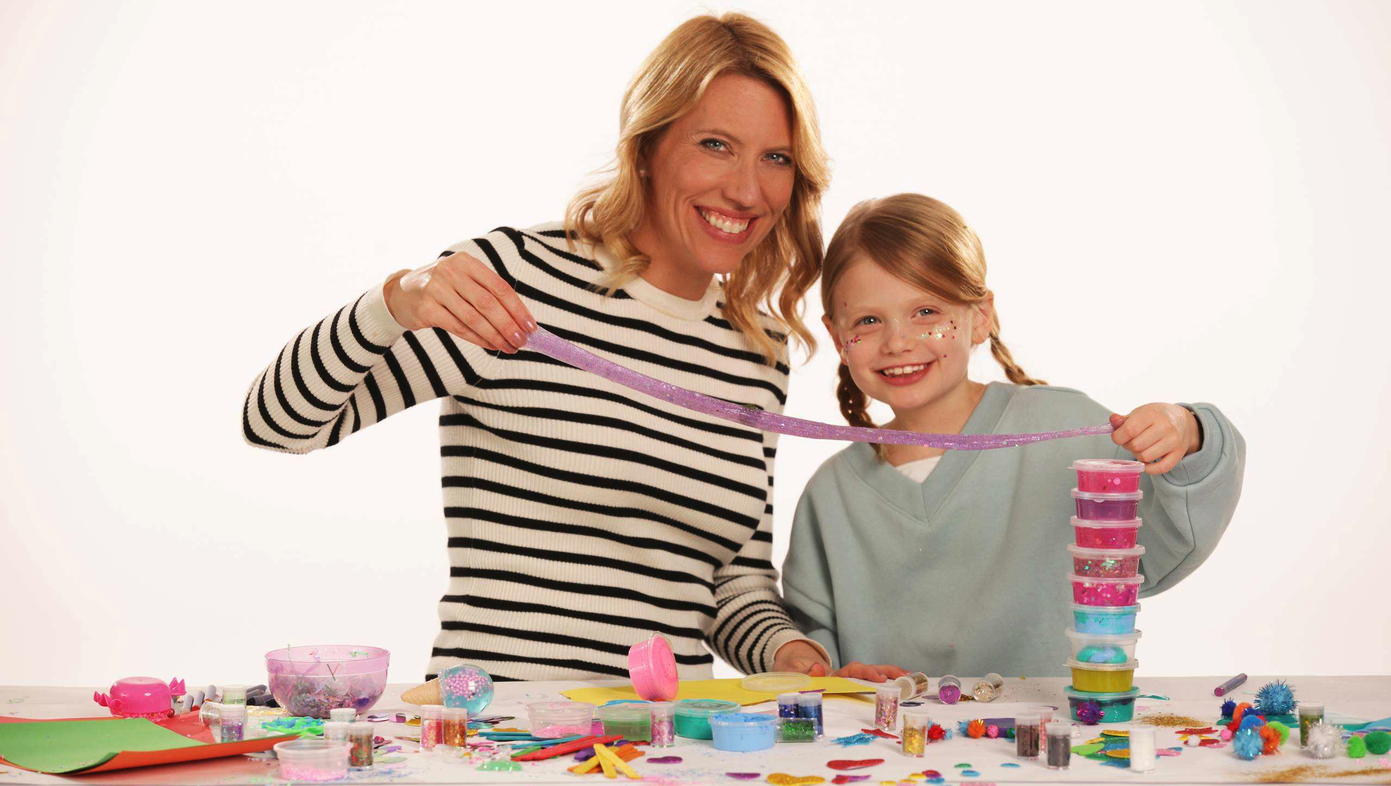
September marks a pivotal period in the medical and philanthropic calendar as Childhood Cancer Awareness Month (CCAM) brings global attention to the leading cause of death by disease for children in the United States. This annual observance is designed to go beyond mere visibility, focusing instead on the tangible "moments that matter"—the everyday experiences of childhood that are often stolen by a cancer diagnosis. For families navigating the complexities of pediatric oncology, the ultimate goal is a return to normalcy: the simple joy of playing outside, attending school, and participating in the mundane activities that define a healthy upbringing. These milestones, ranging from muddy pants after a day of play to the glitter-covered tables of a craft project, are the primary drivers behind the Children’s Cancer Research Fund (CCRF) and its network of community partners.
The transition from a hospital room back to the ballfield or a swim meet is not a matter of chance but the result of decades of rigorous scientific inquiry and medical advancement. Research into pediatric-specific treatments has significantly increased survival rates over the last half-century, yet the mission remains incomplete. Organizations like the CCRF emphasize that "better is possible," pushing for treatments that are not only more effective at curing the disease but also less toxic to the developing bodies of young patients. This September, the call to action is centered on community engagement, offering various avenues for individuals and businesses to contribute to the next generation of medical breakthroughs.
The Evolution and Significance of Childhood Cancer Awareness Month
The history of Childhood Cancer Awareness Month is rooted in a decades-long effort to prioritize pediatric health on the national stage. While cancer is often associated with the elderly, the biological reality of pediatric cancer is vastly different. Childhood cancers are not typically the result of lifestyle or environmental factors but are often linked to DNA changes that occur early in life. This distinction necessitates a specialized approach to research, funding, and treatment.
Since the first official proclamations in the 1990s, September has served as a rallying point for advocates to wear gold—the official color of childhood cancer—and to lobby for increased research funding. Historically, pediatric cancer research has faced a significant "funding gap." According to data from the National Cancer Institute (NCI), only about 4% of federal funding for cancer research is directed specifically toward childhood cancers. This disparity places a heavy burden on private non-profits and community-led initiatives to bridge the financial divide. The CCRF, headquartered in the Twin Cities, has become a national leader in this space, channeling millions of dollars into innovative trials and family support programs.
Strategic Avenues for Community Participation
To maximize the impact of CCAM, the CCRF has outlined several distinct ways for the public to engage with the cause. These initiatives are designed to be accessible, allowing supporters to contribute according to their personal interests and resources.
Peer-to-Peer and "DIY" Fundraising
One of the most effective methods for generating sustainable research funding is the "do-it-yourself" (DIY) fundraising model. This approach empowers individuals to turn their personal hobbies or life events into philanthropic engines. Common examples include golf tournaments, neighborhood lemonade stands, and workplace giving campaigns. In the digital age, birthday fundraisers have become particularly prevalent, with individuals asking for donations to the CCRF in lieu of traditional gifts. This model not only raises money but also expands the network of awareness, as each fundraiser introduces the cause to a new circle of potential supporters.
Meaningful Seasonal Engagement
As the calendar turns toward October, the CCRF encourages supporters to integrate philanthropy into seasonal traditions. "Making Halloween More Meaningful" is a campaign that suggests transforming the traditional trick-or-treating experience into an opportunity for giving. Strategies include collecting small monetary donations alongside candy, displaying QR codes on doorsteps for easy digital giving, or hosting "party for a cause" events. These small, community-level actions aggregate into significant financial support for clinical trials and hospital-based programs.
Honor Pages and Tribute Giving
For many, the fight against childhood cancer is deeply personal. Honor Pages serve as a digital space to celebrate the stories of children currently in treatment, survivors who have completed their journey, and the caregivers who support them. These pages act as both a memorial and a beacon of hope, allowing friends and family to donate in the name of a loved one. The funds raised through these tributes are often directed toward critical research and family support programs that provide financial assistance to households struggling with the high costs of cancer care.
Twin Cities Business Partnerships: A Model of Local Impact
In the Twin Cities region, several prominent businesses have stepped forward this September to integrate charitable giving into their commercial operations. These partnerships demonstrate how local economies can be leveraged to support global health initiatives.
R.F. Moeller: Timing a Cure
R.F. Moeller, a respected name in the Minnesota jewelry industry, has committed to a unique campaign throughout the month of September. The company is donating 100% of its watch battery sales to the Children’s Cancer Research Fund. By visiting either of their two Minnesota locations, customers are not only maintaining their timepieces but are also contributing directly to the gift of "more time" for children facing life-threatening diagnoses. This initiative highlights a creative way for a specialty retailer to align its services with a philanthropic mission.
Punch Pizza: Slices for Research
From September 21 to September 25, Punch Pizza will participate in the CCAM efforts by donating 10% of all pizza sales to the CCRF. This initiative spans all of their Twin Cities locations, inviting the community to support pediatric research through their dining choices. Such "percentage-of-sales" events are vital for non-profits, as they provide a surge of unrestricted funding while boosting the visibility of the cause among a broad demographic of consumers.
Spoon & Stable: The Julian’s Manhattan
In the culinary sector, Spoon & Stable—a flagship of the Minneapolis dining scene—has introduced a dedicated cocktail for the month. The "Julian’s Manhattan" is more than a seasonal offering; 20% of the proceeds from this specific drink are donated to the CCRF. Named in honor of a child’s journey, the drink serves as a conversation starter and a direct financial contributor to the cause. This partnership underscores the role of the hospitality industry in fostering a culture of giving.
Blaze Credit Union: Community Solidarity
Blaze Credit Union has also been recognized for its role in the CCAM ecosystem. As a financial institution, its involvement emphasizes the importance of corporate social responsibility. By supporting the CCRF’s infrastructure and outreach, Blaze Credit Union helps ensure that the message of Childhood Cancer Awareness Month reaches a wider audience of professionals and families.
Data and Implications: The Realities of Pediatric Oncology
The urgency behind these fundraising efforts is underscored by sobering statistics regarding the state of pediatric cancer in the 21st century. While the overall five-year survival rate for childhood cancer has risen to about 85%, this figure is misleading when applied to specific, high-risk subtypes. For some forms of brain cancer and certain leukemias, the prognosis remains grim.
Furthermore, survival is often just the beginning of a lifelong challenge. Data suggests that approximately 60% of childhood cancer survivors will experience at least one chronic health condition as a result of the intensive treatments they received, such as chemotherapy and radiation. These "late effects" can include heart disease, secondary cancers, and cognitive impairments. This reality is what drives the CCRF’s focus on "better" treatments—innovations like immunotherapy and precision medicine that target cancer cells with surgical accuracy while sparing healthy tissue.
The economic implications of childhood cancer are also profound. A diagnosis often requires one parent to leave the workforce to manage the child’s care, leading to a significant loss of household income. When combined with the high cost of specialized medications and travel to treatment centers, many families face "financial toxicity." Programs funded by the CCRF and its partners help mitigate these burdens, providing a safety net for families in crisis.
Analysis of the Philanthropic Landscape
The success of Childhood Cancer Awareness Month reflects a broader shift in the philanthropic landscape toward "participatory giving." In the past, major medical research was largely dependent on large-scale government grants and a few wealthy benefactors. Today, the model has decentralized. By offering diverse ways to "show up"—whether through a watch battery purchase, a pizza dinner, or a digital honor page—organizations like the CCRF are democratizing the fight against cancer.
This community-centric approach has several benefits:
- Diversification of Funding: By tapping into small-dollar donations from a large number of people, non-profits become more resilient to economic fluctuations.
- Education: Each local partnership serves as an educational touchpoint, informing the public about the specific needs of pediatric patients.
- Psychological Support: For families in the midst of a cancer battle, seeing their local community "turn gold" provides a powerful sense of solidarity and emotional support.
Looking Forward: From Awareness to Action
As September concludes, the objective of the Children’s Cancer Research Fund is to ensure that the momentum generated during Childhood Cancer Awareness Month carries into the final quarter of the year. The transition from awareness to research, and from research to a "return to childhood," is a continuous cycle.

The long-term impact of these efforts is measured in the lives of children who are able to leave the oncology ward and return to the playground. Every dollar raised contributes to the infrastructure of clinical trials, the salaries of specialized researchers, and the development of support systems that keep families whole during their most difficult moments. Through the combined efforts of local businesses, individual donors, and dedicated scientists, the hope is that one day, the extraordinary moments of a healthy childhood will no longer be the exception for cancer patients, but the standard.
The CCRF continues to invite the public to "Show Up Your Way," reinforcing the idea that no contribution is too small to make a difference. Whether through a specialized fundraiser or a simple purchase at a local business, the community’s collective action remains the most powerful tool in the ongoing effort to eradicate childhood cancer.
