
 By Gabriel Paijo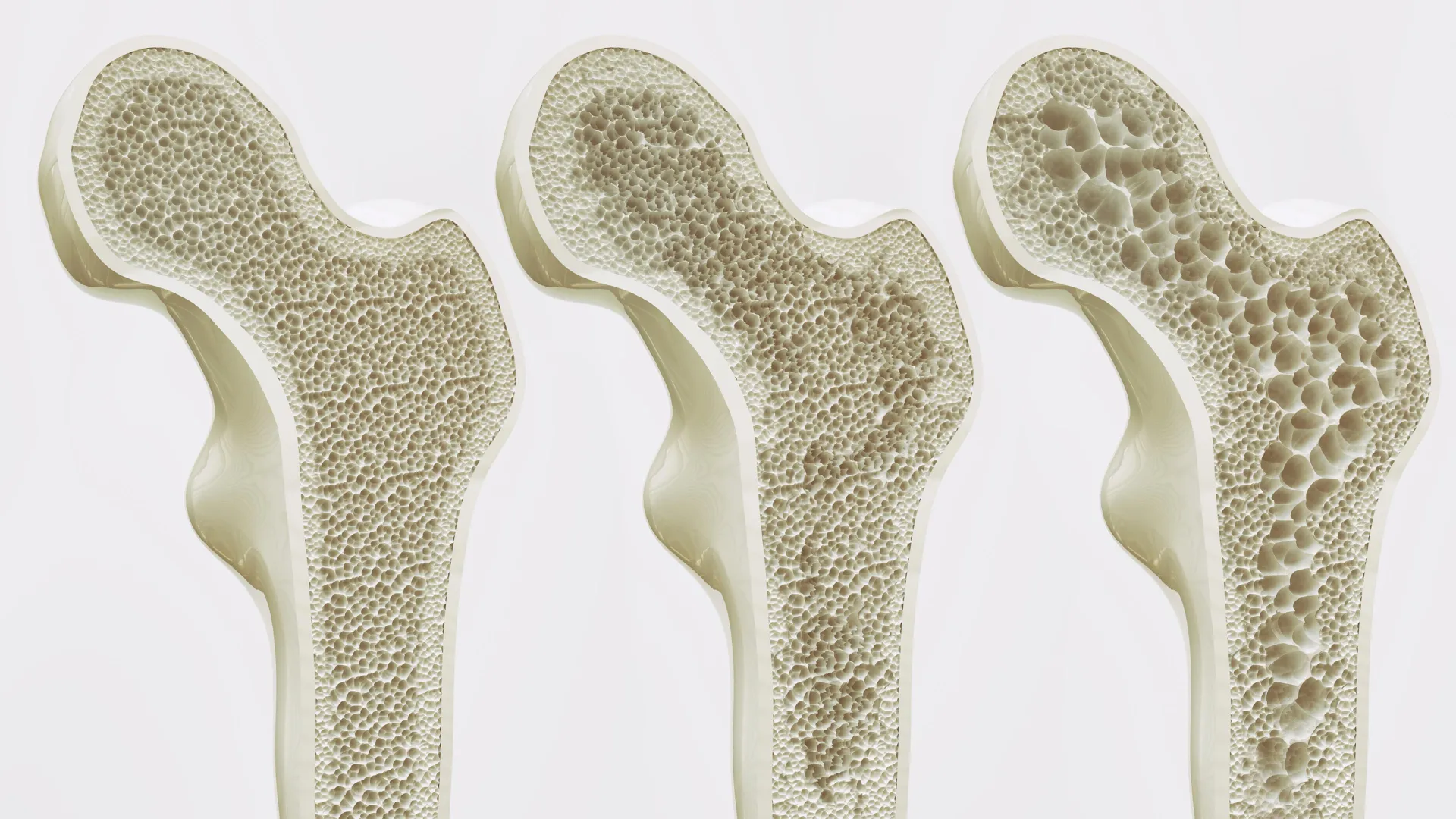
A comprehensive systematic review and meta-analysis published in The BMJ has cast significant doubt on the long-held medical consensus regarding bone health supplementation for the elderly. The study, which synthesized data from tens of thousands of participants, concludes that for the vast majority of older adults, routine supplementation with calcium, vitamin D, or a combination of both provides little to no clinically meaningful protection against fractures or falls. This finding challenges decades of clinical practice and public health guidelines that have promoted these supplements as a primary defense against the skeletal vulnerabilities associated with aging.
The Scale of the Study and Primary Findings
The research, led by a team of experts in Canada, represents one of the most exhaustive examinations of bone health interventions to date. The investigators conducted a systematic review of 69 randomized controlled trials (RCTs), encompassing a total of 153,902 participants. By focusing on RCTs—the gold standard of clinical evidence—the researchers sought to eliminate the confounding variables that often plague observational studies, such as the "healthy user bias," where individuals who take supplements are also more likely to engage in other health-promoting behaviors like regular exercise and balanced nutrition.
The analysis was structured around three primary intervention groups: those taking calcium alone, those taking vitamin D alone, and those taking a combination of the two. These were compared against control groups receiving either a placebo or no treatment at all. After establishing rigorous thresholds for what constitutes a "clinically meaningful benefit"—meaning a reduction in risk significant enough to change a patient’s life or a doctor’s recommendation—the results were remarkably consistent across the board.
For calcium supplementation, based on moderate-certainty evidence from 11 trials involving over 9,000 participants, the researchers found no significant reduction in fracture risk. For vitamin D alone, high-certainty evidence from 36 trials involving over 92,000 participants led to the same conclusion. Perhaps most surprisingly, even the combination of calcium and vitamin D—often considered the "gold standard" for bone health maintenance—showed no meaningful effect across 15 trials involving more than 51,000 participants.
The Public Health Context: A Growing Crisis of Falls
The implications of this study are profound, given the current demographic shift toward an aging population. Falls are not merely accidents; they are a major public health crisis for the elderly. Statistics indicate that approximately one-third of adults aged 65 and older experience at least one fall annually. These incidents are the leading cause of injury-related hospitalizations among seniors.
The consequences of a fall extend far beyond the immediate trauma. Fractures—particularly hip fractures—carry a high mortality rate within the first year post-injury. Even when survival is not at stake, the loss of independence is a frequent outcome. Many seniors who suffer a major fracture never return to their previous level of mobility, often necessitating a transition into residential care facilities. This creates a massive economic burden on healthcare systems; in the United States alone, the annual medical costs related to non-fatal fall injuries are estimated to exceed $50 billion.
Because of these high stakes, clinicians have been eager to find simple, low-cost interventions. Calcium and vitamin D supplements, which are relatively inexpensive and perceived as safe, became the default prescription for decades.
The Biological Rationale vs. Clinical Reality
The historical reliance on these supplements is rooted in sound biological theory. Calcium is the primary mineral found in bones, providing the structural lattice that gives them strength. Vitamin D plays a critical role in the endocrine system, facilitating the absorption of calcium from the gut and regulating bone metabolism. Without sufficient vitamin D, the body cannot effectively utilize the calcium it receives through diet.
However, the new review suggests that the bridge between biochemical theory and clinical outcomes is weaker than previously thought. While the body certainly requires these nutrients, the act of "topping up" levels through concentrated supplements does not necessarily translate into increased bone density or improved neuromuscular stability in a way that prevents injury.
The researchers noted that the lack of efficacy remained consistent regardless of the participant’s sex, age, or history of previous fractures. Even when accounting for the baseline amount of calcium an individual received from their diet, the addition of supplements failed to move the needle on fracture prevention.
A Chronology of Shifting Guidelines
The medical community’s stance on bone supplements has undergone several shifts over the last thirty years:
- The 1990s Boom: Early observational studies suggested a strong link between high vitamin D levels and lower fracture rates. This led to a surge in testing and supplementation.
- Early 2000s Consensus: Major health organizations began recommending daily doses of 800–1,000 IU of vitamin D and 1,000–1,200 mg of calcium for most post-menopausal women and men over 65.
- 2013-2018 Cautionary Period: The U.S. Preventive Services Task Force (USPSTF) began to pull back, stating there was insufficient evidence to recommend vitamin D and calcium for the primary prevention of fractures in non-institutionalized adults.
- The Present Day: The BMJ review provides the most definitive evidence yet, suggesting that the "insufficient evidence" of the past decade has now solidified into "evidence of lack of effect."
Despite these shifts in the academic literature, clinical practice has been slow to change. Prescriptions for vitamin D have risen substantially in the last decade, often driven by patient demand and a "better safe than sorry" mentality among providers.
Expert Reactions and the Call for Re-evaluation
In a linked editorial published alongside the study, medical experts argue that it is time for a paradigm shift. They suggest that the continued focus on supplementation may be distracting from more effective, albeit more difficult, interventions.
"The evidence is now clear enough that we should stop the routine prescription of these supplements for the general older population," the editorial suggests. The authors argue that guideline panels and regulatory agencies must urgently re-evaluate their recommendations. The persistence of these recommendations, they claim, creates a false sense of security for patients who may believe they are protected against falls simply because they take a daily pill.
However, the researchers were careful to highlight important exceptions. The findings do not necessarily apply to:
- Individuals with diagnosed osteoporosis who are taking specific bone-strengthening medications (where calcium/Vit D are often necessary adjuncts).
- People with rare bone metabolic disorders or severe nutritional deficiencies (such as rickets or osteomalacia).
- Institutionalized individuals (such as those in nursing homes) who may have profound vitamin D deficiencies due to lack of sunlight and poor diet.
Shifting Focus: The Case for Physical Intervention
If pills are not the answer, what is? The BMJ study and its accompanying editorial point toward physical interventions as a more robust solution for fall prevention.
Balance and Resistance Training:
The most effective way to prevent falls is not to strengthen the bone from the inside out via minerals, but to prevent the fall from occurring in the first place. Resistance exercise (weightlifting) and balance training (such as Tai Chi) have been shown to significantly improve proprioception, muscle mass, and reaction time. Sarcopenia—the age-related loss of muscle mass—is often a greater contributor to falls than bone density is to fractures.
Environmental Hazards:
Public health efforts are increasingly focusing on "home hazard assessments." Simple changes, such as removing trip hazards like throw rugs, improving lighting in hallways, and installing grab bars in bathrooms, have a statistically higher impact on reducing fall rates than supplementation.
Multifactorial Programs:
The researchers advocate for "multifactorial" approaches. These involve a personalized assessment of a senior’s risk factors, including a review of medications that might cause dizziness, vision checks, and tailored exercise programs.
Economic and Policy Implications
The findings carry significant weight for healthcare policy. If governments and insurance providers are subsidizing or covering the cost of millions of supplement prescriptions that offer no clinical benefit, those funds could potentially be redirected toward community-based exercise programs or home safety initiatives.
Furthermore, the "medicalization" of aging—treating the natural thinning of bones as a condition that can only be solved with a pharmacy—is being questioned. Analysts suggest that a shift toward lifestyle-based preventative medicine would not only be more effective but would also improve the overall quality of life for the elderly by encouraging activity and social engagement.
Conclusion: A New Direction for Geriatric Care
The BMJ review serves as a landmark document in the evolution of geriatric medicine. It underscores a vital lesson in evidence-based practice: what seems biologically plausible does not always prove clinically effective in large-scale human populations.
While calcium and vitamin D remain essential nutrients for human health, the era of viewing them as a "shield" against the fractures of old age appears to be drawing to a close. For the 153,902 participants whose data informed this study, and for the millions of older adults they represent, the path to bone health and independence likely lies not in the medicine cabinet, but in the gym, the community center, and the design of safer living environments. The challenge now lies with clinicians and policymakers to translate this high-certainty evidence into a new standard of care that prioritizes movement and stability over supplementation.
