
 By admin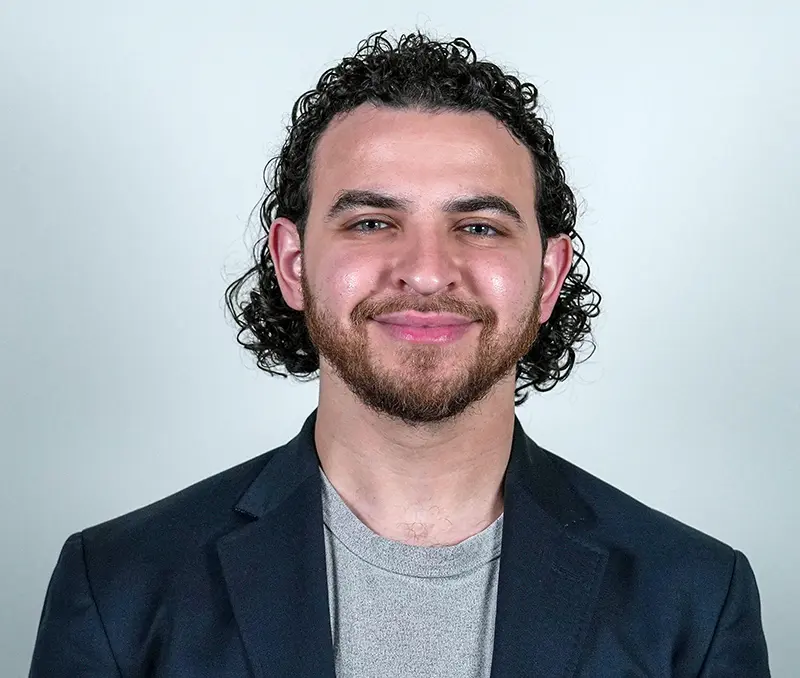
CureSearch for Children’s Cancer, a preeminent national nonprofit organization dedicated to accelerating the development of new and better treatments for childhood cancer, has announced the appointment of Osama Alsaleh to its Board of Directors. This strategic addition comes at a pivotal moment for the organization as it seeks to bridge the critical gap between laboratory research and clinical application through enhanced venture capital integration, technological innovation, and global health partnerships. Alsaleh, a recognized leader in healthcare technology and venture capital, currently serves as the Head of Partnerships at Plug and Play Health, where he oversees one of the world’s most active innovation platforms. His appointment is expected to provide CureSearch with the necessary expertise to navigate the complex intersection of healthcare investment, regulatory compliance, and pediatric-specific drug development.
The inclusion of Alsaleh on the board reflects a broader trend in the nonprofit sector toward "venture philanthropy"—a model that applies the principles of venture capital to the charitable sector to maximize social impact. In the realm of pediatric oncology, this approach is increasingly vital. Unlike adult cancers, which often attract significant investment from major pharmaceutical companies due to larger market sizes, pediatric cancers are classified as rare diseases. This classification frequently leads to what researchers call the "Valley of Death," where promising discoveries fail to move into clinical trials because of a lack of funding and commercial incentives. Alsaleh’s background is uniquely suited to addressing these systemic barriers.
A Career Defined by Innovation and Health Equity
Osama Alsaleh’s professional trajectory is marked by a consistent focus on leveraging technology to improve healthcare outcomes on a global scale. Before joining Plug and Play Health, Alsaleh held significant leadership roles at Oracle Health and Cerner Corporation, two of the most influential entities in healthcare information technology. During his tenure at Oracle Health, he was instrumental in the creation of the organization’s first dedicated health equity team. This initiative was designed to address social determinants of health—such as geographic location, economic status, and access to technology—that frequently dictate the quality of care a patient receives.
Beyond strategy, Alsaleh has a proven track record in the direct allocation of resources for medical advancement. As a member of the Oracle Charitable Foundation’s Clinical Decision Committee, he contributed to the evaluation and distribution of more than $42 million in healthcare grants. This experience provided him with a deep understanding of how philanthropic capital can be used to de-risk early-stage medical research, making it more attractive for subsequent private investment.
His influence also extends into the regulatory and governmental spheres. Alsaleh has served as a consultant and advisor on several high-profile initiatives, including the White House COVID-19 Taskforce and various U.S. State Department projects. He has collaborated with the Centers for Medicare & Medicaid Services (CMS) on quality reporting measures, ensuring that healthcare providers are held to rigorous standards of care. His global perspective has been further shaped by engagements with the World Bank Group and the World Health Organization (WHO), where he advocated for sustainable healthcare infrastructure in developing regions.
Addressing the Funding Crisis in Pediatric Oncology
The appointment of a venture capital expert to the CureSearch board highlights a stark reality in the American medical landscape: the severe underfunding of pediatric cancer research. While cancer remains the leading cause of death by disease for children in the United States, federal and private funding remains disproportionately skewed toward adult-centric research.
According to data from the National Cancer Institute (NCI), only approximately 4% of the federal budget for cancer research is specifically allocated to childhood cancers. This funding gap is exacerbated by the private sector’s hesitance to invest in pediatric drug development. Because the number of pediatric patients is significantly smaller than the number of adult patients, the return on investment for new pediatric drugs is often perceived as too low by traditional biotechnology and pharmaceutical firms.
Alsaleh has identified this discrepancy as a primary motivator for his involvement with CureSearch. "Throughout my work, I have consistently observed that innovations focused on pediatrics, particularly pediatric oncology, remain significantly underfunded and underrepresented within mainstream venture capital and innovation ecosystems," Alsaleh stated. He emphasized that by leveraging his extensive network of startups, healthcare institutions, and technology firms, he intends to "attract new technologies, strategic partners, and resources that can accelerate progress toward cures for children with cancer."
A Chronology of Strategic Growth for CureSearch
The addition of Alsaleh to the board is the latest step in a multi-year strategy by CureSearch to modernize the way pediatric cancer research is funded and conducted.
- 2010–2015: CureSearch shifted its focus toward the "CureSearch Acceleration Initiative," which prioritizes funding for research that has a clear path to clinical trials within three years. This marked a departure from traditional "basic science" funding toward a more result-oriented approach.
- 2016–2020: The organization expanded its "Industry Advisory Council," bringing together leaders from the pharmaceutical industry to advise researchers on how to make their projects more commercially viable.
- 2021–2023: CureSearch intensified its focus on health equity and diversity in clinical trials, recognizing that minority populations are often underrepresented in pediatric cancer studies.
- 2024: The appointment of Osama Alsaleh signals a move toward deeper integration with the global venture capital ecosystem, aiming to bring Silicon Valley-style innovation to the nonprofit medical space.
Jared Brancazio, Chair of CureSearch’s Board of Directors, underscored the importance of this timeline and the role Alsaleh will play. "Osama brings a unique and highly valuable perspective to CureSearch," Brancazio said. "His ability to connect innovation, investment, and healthcare will help expand our reach and unlock new opportunities to advance critical research for children with cancer. We are excited to have him join the board at this important time for our organization."
Analytical Implications: The Intersection of VC and Philanthropy
From an analytical standpoint, Alsaleh’s appointment suggests that CureSearch is positioning itself as a "market maker" in the pediatric oncology space. By bringing in a leader from Plug and Play—a firm known for its rapid-fire acceleration of startups—CureSearch is signaling that it intends to move faster than traditional academic and federal funding cycles allow.
The implications for the pediatric oncology market are significant. If Alsaleh can successfully bridge the gap between his venture capital network and CureSearch’s scientific pipeline, it could create a blueprint for other rare disease nonprofits. This "hybrid" model relies on three key pillars:
- De-risking Research: Using philanthropic funds to conduct the initial, high-risk phases of drug development.
- Technological Integration: Utilizing AI and big data—fields where Alsaleh has significant expertise—to identify potential drug candidates more efficiently.
- Strategic Scaling: Using venture capital networks to find exit strategies for successful research, such as licensing to larger pharmaceutical companies or spinning off into independent biotech startups.
Furthermore, Alsaleh’s expertise in health equity is expected to influence how CureSearch selects its research projects. As healthcare systems move toward value-based care, ensuring that new treatments are accessible and equitable is not just a moral imperative but a logistical necessity for regulatory approval and widespread adoption.
The Global Reach of Pediatric Innovation
While CureSearch is a U.S.-based organization, the impact of its work is global. Pediatric cancer does not respect national borders, and the research funded by the organization often leads to international clinical trials. Alsaleh’s previous experience with the World Health Organization and the World Bank Group provides CureSearch with an expanded international perspective.
In many developing nations, the survival rate for childhood cancer is as low as 20%, compared to over 80% in the United States. By fostering global partnerships, Alsaleh can help CureSearch facilitate the transfer of technology and treatment protocols to regions that currently lack the infrastructure to support advanced oncology care. This global advocacy aligns with the organization’s mission to ensure that every child, regardless of where they live, has access to life-saving treatments.
Conclusion and Future Outlook
The welcoming of Osama Alsaleh to the CureSearch Board of Directors represents a sophisticated evolution in the fight against childhood cancer. By merging the rigorous demands of venture capital with the altruistic mission of pediatric research, CureSearch is adapting to a modern healthcare landscape where innovation is driven by data, speed, and strategic collaboration.
As Alsaleh begins his tenure, the organization is expected to launch new initiatives aimed at attracting tech-sector investment into the pediatric space. The success of this approach will be measured not just in dollars raised, but in the speed at which new therapies move from the laboratory bench to the patient’s bedside. With a career dedicated to breaking down barriers in healthcare, Alsaleh is well-positioned to help CureSearch navigate the challenges ahead and deliver on its promise to find cures for the thousands of children diagnosed with cancer each year.
Stakeholders in the healthcare and philanthropic communities will be watching closely to see how this partnership influences the broader ecosystem of pediatric medicine. For now, the appointment stands as a powerful testament to the necessity of interdisciplinary leadership in solving some of the world’s most difficult medical challenges.
