
 By admin
Childhood Cancer Awareness Month, observed annually in September, serves as a critical period for advocacy, fundraising, and education regarding the leading cause of death by disease among children in the United States. For organizations like the Children’s Cancer Research Fund (CCRF), this month is defined by a commitment to restoring the "moments that matter"—the ordinary, yet vital, experiences of childhood that are often stripped away by a cancer diagnosis. From the simple joy of playing outside to the routine of attending school, the goal of modern pediatric oncology is no longer just survival, but the preservation of a child’s quality of life. This year’s campaign emphasizes that progress in the lab translates directly into more time for families, driven by a multi-faceted approach involving individual donors, local businesses, and community-led initiatives.
The Scientific Landscape and the Imperative for Research
The foundation of Childhood Cancer Awareness Month is built upon the progress made in medical research over the last several decades. In the mid-20th century, a diagnosis of pediatric leukemia was almost universally fatal. Today, thanks to advancements in chemotherapy, immunotherapy, and precision medicine, the overall five-year survival rate for childhood cancer has risen to over 85%. However, these statistics mask a more complex reality. For certain high-risk cancers, such as diffuse intrinsic pontine glioma (DIPG) or certain types of sarcomas, survival rates remain staggeringly low. Furthermore, many survivors face long-term health complications, known as "late effects," resulting from the toxicity of current treatments.
Private funding organizations like CCRF play a pivotal role in bridging the "funding gap." While the National Cancer Institute (NCI) provides substantial support for cancer research broadly, only about 4% of federal funding is specifically allocated to pediatric cancers. This necessitates a robust private sector response to fund early-stage, high-risk, high-reward research that can lead to breakthroughs in less-toxic treatments and cures for rare pediatric sub-types. The "moments that matter" highlighted in this year’s awareness campaign are the direct result of this sustained investment in the scientific community.
Community-Driven Philanthropy: The "Do-It-Yourself" Model
A cornerstone of the 2024 campaign is the democratization of fundraising. CCRF has introduced a "do-it-yourself" (DIY) fundraising platform that allows supporters to translate their personal interests into financial support for research. This model recognizes that the most effective advocacy often happens at the local level, where personal connections drive engagement.
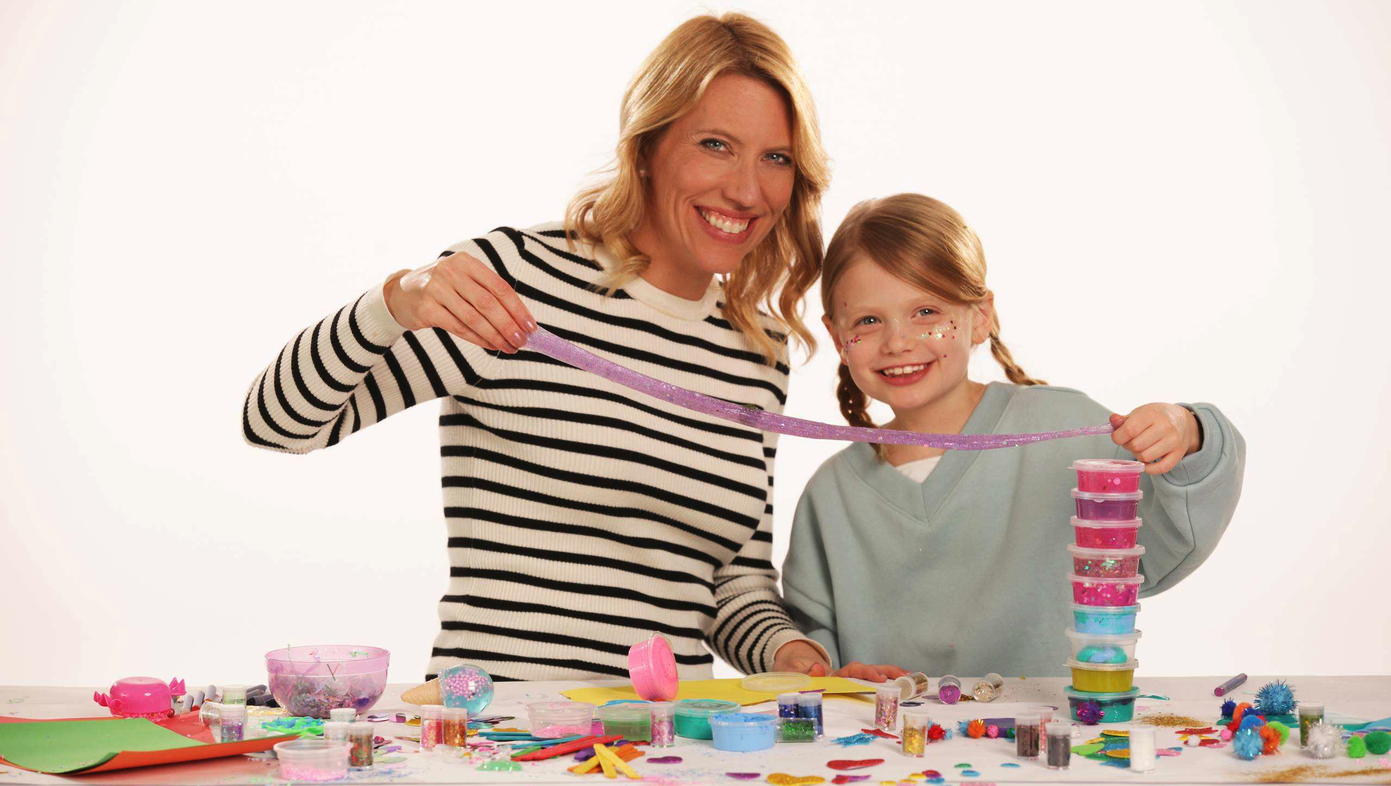
Supporters are encouraged to start fundraisers that align with their lifestyles. Common examples include:
- Athletic Events: Local golf tournaments and "run/walk" events continue to be high-impact fundraisers.
- Milestone Celebrations: Birthday fundraisers have become increasingly popular on social media platforms, where individuals request donations to CCRF in lieu of traditional gifts.
- Youth Engagement: Lemonade stands remain a symbolic and effective way for children to support their peers, fostering a sense of civic duty and empathy from a young age.
- Workplace Giving: Corporate teams are organizing internal campaigns, often utilizing matching gift programs to double the impact of employee contributions.
By providing these tools, CCRF ensures that the barrier to entry for philanthropy is low, allowing a broad spectrum of the public to contribute to the collective goal of ending childhood cancer.
The Honor Page: Humanizing the Statistics
Behind every data point in pediatric oncology is a human story. To honor these narratives, the 2024 initiative encourages the creation of "Honor Pages." These digital tribute spaces allow families to celebrate the lives of children currently in treatment, survivors who have overcome the disease, and those who have been lost.
The Honor Page serves a dual purpose. First, it provides a community space for storytelling and emotional support, which is often as necessary as medical intervention for families navigating the trauma of cancer. Second, it serves as a personalized fundraising engine. When a donor contributes through an Honor Page, the act of giving becomes a direct tribute to a specific individual, making the abstract concept of "cancer research" tangible and urgent.
Strategic Corporate Partnerships in the Twin Cities
While national awareness is vital, local business involvement provides a visible and accessible way for the public to participate in Childhood Cancer Awareness Month. In the Twin Cities region, several prominent businesses have committed to significant revenue-sharing models throughout September.
R.F. Moeller Jewelers: Time for Research
In a unique campaign, R.F. Moeller Jewelers has pledged to donate 100% of its watch battery sales during the month of September to CCRF. This initiative, available at their Minnesota locations, utilizes a common service—watch battery replacement—as a metaphor for "giving kids more time." By directing all proceeds from this service to research, the company demonstrates how specialized retail can integrate philanthropy into everyday business operations.
Punch Pizza: A Targeted Impact Window
From September 21 to September 25, the local staple Punch Pizza will participate by donating 10% of all pizza sales across its Twin Cities locations to CCRF. This five-day "sprint" is designed to generate a high volume of contributions in a short window, leveraging the brand’s significant local footprint to drive both funds and awareness.
Spoon & Stable: The Intersection of Hospitality and Advocacy
The award-winning restaurant Spoon & Stable is contributing through a curated culinary approach. Throughout September, 20% of the proceeds from the "Julian’s Manhattan" cocktail will benefit CCRF. This specific tribute honors a child’s legacy and integrates the cause into the high-end hospitality sector, reaching a demographic that may be moved to support the cause through a more sophisticated engagement model.
Blaze Credit Union: Community Infrastructure
Financial institutions like Blaze Credit Union have also joined the coalition. Their involvement highlights the importance of corporate social responsibility (CSR) in the financial sector, where community health and stability are seen as integral to the institution’s mission.
Expanding the Reach: The Halloween Transition
The momentum generated in September is designed to carry over into October, specifically targeting the Halloween season. CCRF is encouraging families to make trick-or-treating more meaningful by incorporating charitable elements into the holiday.

Proposed methods for the "Meaningful Halloween" initiative include:
- QR Code Advocacy: Homeowners are encouraged to display unique QR codes on their doorsteps, allowing neighbors to make a quick digital donation to CCRF while out trick-or-treating.
- Donations Over Candy: Some families are opting to collect monetary donations for cancer research in addition to, or in place of, traditional treats.
- Party with a Purpose: Halloween parties are being used as venues for "giving back," with hosts setting up donation stations or themed fundraising activities.
This extension ensures that the awareness raised in September translates into sustained action through the final quarter of the year.
Analysis of Implications and Broader Impact
The multi-channel approach of Childhood Cancer Awareness Month reflects a sophisticated understanding of modern philanthropy. By blending DIY digital tools, emotional storytelling through Honor Pages, and strategic retail partnerships, CCRF is able to tap into various "giving psychologies."
From an economic perspective, these community-led initiatives are vital. Research in pediatric oncology is notoriously expensive; a single clinical trial can cost millions of dollars. Private funding often serves as "seed money" for researchers. When a scientist can use a private grant to prove a concept or gather preliminary data, they are significantly more likely to secure larger federal grants from the NCI or the National Institutes of Health (NIH) later on. Thus, every dollar raised at a lemonade stand or through a watch battery sale has a multiplier effect on the future of medical science.
Furthermore, the focus on "moments that matter" addresses a growing trend in healthcare: the prioritization of the "whole patient." As survival rates improve, the medical community is increasingly focused on the psychological and social reintegration of children after treatment. Funding for family support programs—another key pillar of CCRF’s mission—ensures that families are not bankrupted by the indirect costs of cancer, such as travel for treatment or lost wages, and that children have the resources they need to return to a "normal" childhood.

Conclusion
Childhood Cancer Awareness Month is a testament to the power of collective action. The transition from awareness to research, and from research to a "return to childhood," requires a sustained and diverse effort. As the Twin Cities community and the nation at large engage with these initiatives—whether by grabbing a pizza, starting a fundraiser, or honoring a loved one—they are contributing to a future where a cancer diagnosis is no longer a thief of childhood. The progress documented this September serves as both a celebration of how far pediatric oncology has come and a sobering reminder of the work that remains to be done. Through the continued partnership of science and community, the goal remains clear: to ensure that every child has the opportunity to experience the extraordinary beauty of an ordinary life.
