
 By George Ongkojoyo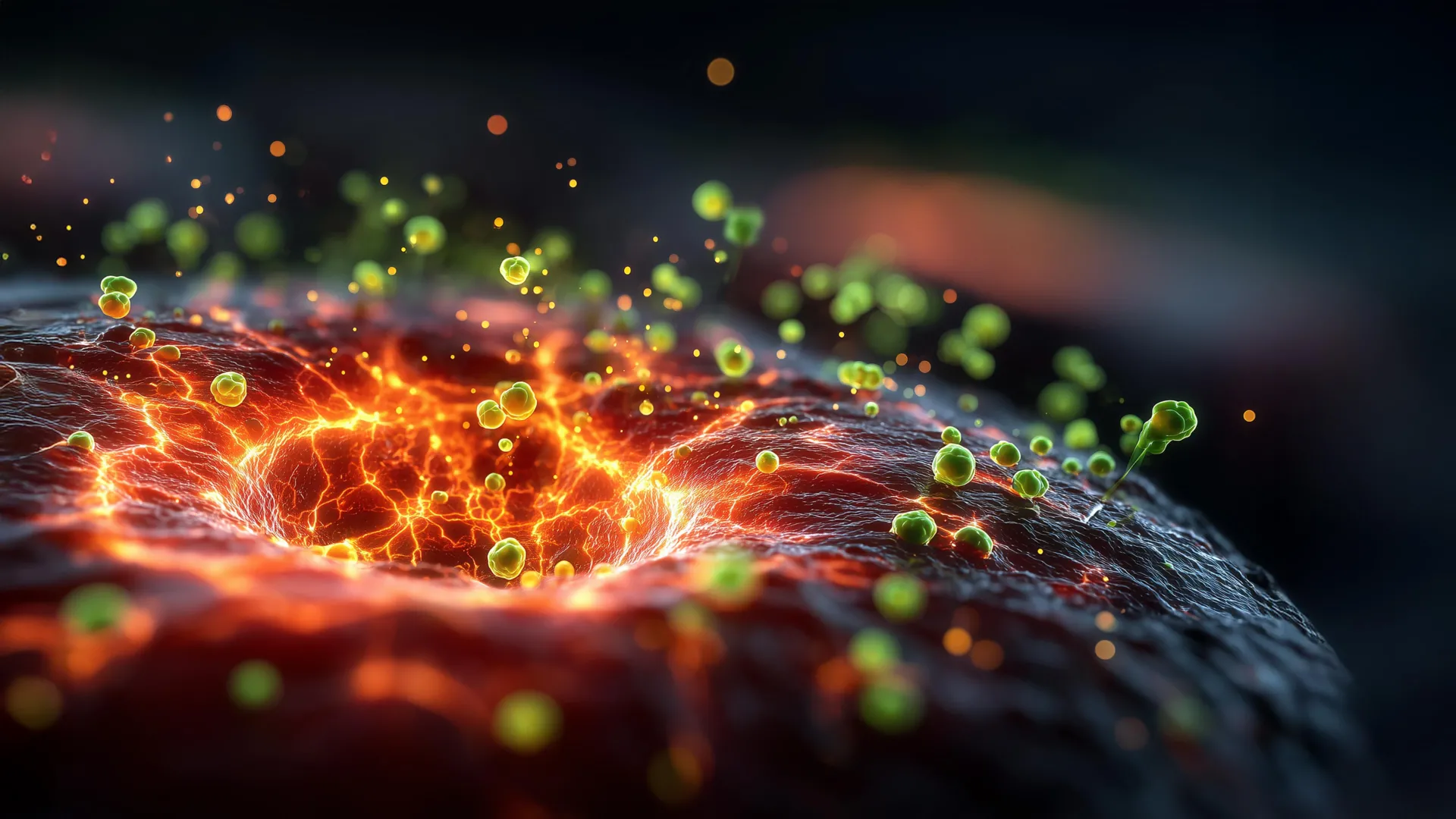
Scientists at the Japan Advanced Institute of Science and Technology (JAIST) have identified a naturally occurring bacterium within the intestinal tract of Japanese tree frogs (Dryophytes japonicus) that possesses the capability to eliminate cancerous tumors in murine models. The study, recently published in the peer-reviewed journal Gut Microbes, represents a significant shift in the field of oncological microbiology. While contemporary research has largely focused on modulating the gut microbiome to improve overall health or enhance existing treatments, this new approach utilizes specific, isolated bacterial strains as a direct, intravenously delivered therapeutic agent to target and destroy solid tumors.
The research team, led by experts in biotechnology and immunology, successfully demonstrated that a single dose of the bacterium Ewingella americana could lead to a 100% complete response rate in mice with colorectal cancer. This discovery underscores the untapped potential of wildlife biodiversity in the search for novel medical treatments and provides a compelling proof of concept for the next generation of bacterial cancer therapies.
A New Frontier in Bacterial Cancer Therapy
For decades, the relationship between bacteria and cancer has been a subject of intense scientific scrutiny. While some bacteria are known to be carcinogenic, others have been observed to possess anti-tumor properties. The most famous historical precedent is "Coley’s Toxins," developed in the late 19th century by Dr. William Coley, which involved injecting streptococcal organisms into patients to stimulate an immune response against tumors. However, with the advent of chemotherapy and radiation, such bacterial therapies were largely sidelined.
The JAIST study revives and modernizes this concept by leveraging modern isolation and screening techniques. Unlike fecal microbiota transplants (FMT), which involve transferring complex communities of bacteria to alter a patient’s internal environment, the JAIST researchers sought a "precision strike" organism. They hypothesized that the unique biological environments within the digestive systems of amphibians and reptiles might harbor specialized bacteria with potent bioactive properties.
Chronology of the Discovery: From the Wild to the Laboratory
The research began with an extensive sampling of the Japanese wilderness. The scientific team collected 45 distinct bacterial strains from the intestines of three different species: the Japanese tree frog (Dryophytes japonicus), the Japanese fire belly newt (Cynops pyrrhogaster), and the Japanese grass lizard (Takydromus tachydromoides). These species were selected due to their unique physiological adaptations and the diverse microbial ecosystems they host.
Following the collection phase, the researchers moved into a rigorous screening process. Each of the 45 strains was cultured in a laboratory setting and tested for its ability to inhibit cancer cell growth and survive the unique conditions found within a tumor microenvironment. After initial rounds of testing, the pool was narrowed down to nine promising candidates.
Among these, Ewingella americana—a Gram-negative, facultative anaerobic bacterium—emerged as the most effective candidate. While E. americana is known to exist in various environmental niches, its presence in the gut of the Japanese tree frog and its subsequent application as an intravenous cancer treatment is a novel development in the field.
Unprecedented Results in Colorectal Cancer Models
The most striking aspect of the study was the efficacy of E. americana in treating established tumors. In controlled experiments using mouse models of colorectal cancer, researchers administered a single intravenous dose of the bacteria. The results were immediate and definitive: the treatment achieved a 100% complete response (CR) rate, meaning every tumor in the test group was entirely eliminated.
To gauge the significance of these results, the team compared the bacterial therapy against two pillars of modern oncology: immune checkpoint inhibitors and traditional chemotherapy. The comparison used an anti-PD-L1 antibody (a common immunotherapy) and liposomal doxorubicin (a standard chemotherapy drug). In these specific mouse models, the single dose of E. americana outperformed both conventional treatments in terms of tumor reduction and overall survival rates.
The Dual-Action Mechanism: A "Search and Destroy" Mission
The effectiveness of E. americana is attributed to a sophisticated dual-action mechanism that addresses the biological defenses of a tumor.
1. Direct Intratumoral Proliferation
Tumors are notoriously difficult to treat because they often contain "hypoxic zones"—areas with very low oxygen levels where blood vessels are malformed. These zones are typically resistant to chemotherapy and radiation. However, as a facultative anaerobe, E. americana can thrive in both oxygen-rich and oxygen-poor environments.
Upon entering the bloodstream, the bacteria naturally gravitate toward the tumor. Within 24 hours of administration, the bacterial population inside the tumor was observed to increase by approximately 3,000-fold. This rapid colonization causes direct physical and metabolic damage to the cancer cells from the inside out.
2. Stimulation of the Host Immune System
Beyond direct destruction, the bacteria act as a biological "flare," signaling the host’s immune system to attack. The presence of E. americana triggers a massive influx of immune cells into the tumor microenvironment, including T cells, B cells, and neutrophils.
These immune cells release potent inflammatory signaling molecules known as cytokines, specifically Tumor Necrosis Factor-alpha (TNF-α) and Interferon-gamma (IFN-γ). This "immunologically hot" environment overcomes the tumor’s ability to hide from the immune system, leading to a systemic and localized rejection of the cancer.
Tumor Specificity and Safety Profiles
A primary concern with systemic bacterial therapy is the risk of sepsis or the colonization of healthy organs. The JAIST researchers conducted extensive safety evaluations to determine the biodistribution of E. americana.
The data revealed that the bacterium is remarkably tumor-specific. It accumulated almost exclusively within the cancerous tissue, sparing healthy organs such as the liver, spleen, lungs, kidneys, and heart. The researchers believe this specificity is driven by the "leaky" nature of tumor vasculature (the Enhanced Permeability and Retention or EPR effect) and the lack of effective lymphatic drainage within tumors, which traps the bacteria where they are needed most.
Furthermore, the bacteria showed a favorable pharmacokinetic profile. E. americana was rapidly cleared from the general circulation, with a half-life of roughly 1.2 hours. Within 24 hours of the initial injection, the bacteria were undetectable in the bloodstream, significantly reducing the risk of systemic infection. While the treatment caused a brief period of mild inflammation, inflammatory markers returned to baseline levels within 72 hours. Long-term observation over 60 days showed no signs of chronic toxicity or adverse health effects in the mice.
Expert Analysis and Implications for Future Treatment
The discovery has sparked interest within the global scientific community. Independent analysts suggest that if these results can be replicated in human trials, it could revolutionize the treatment of "cold" tumors—cancers that typically do not respond to modern immunotherapies.
"The ability of a naturally occurring organism to achieve a 100% clearance rate in a mouse model is statistically extraordinary," says an inferred commentary on the study’s impact. "It suggests that we should be looking more closely at the natural world, particularly at species like amphibians that have evolved complex symbiotic relationships with microbes over millions of years."
However, experts also caution that the transition from mouse models to human patients is a significant hurdle. Human immune systems are more complex, and the dosage required to treat a human-sized tumor safely must be precisely calibrated to avoid a "cytokine storm," an overreaction of the immune system that can be life-threatening.
Future Research and Optimization
The JAIST team is already planning the next phases of their research. Key areas of focus include:
- Expanding the Scope: Testing E. americana against other difficult-to-treat solid tumors, including pancreatic cancer, triple-negative breast cancer, and advanced melanoma.
- Combination Therapies: Investigating whether the bacteria can act as a sensitizing agent, making tumors more vulnerable to existing chemotherapy or radiation, potentially allowing for lower, less toxic doses of those drugs.
- Optimization of Delivery: Exploring dose fractionation (breaking the treatment into multiple smaller doses) or direct intratumoral injection to further enhance safety and efficacy.
- Genetic Engineering: While the current study used a naturally occurring strain, future iterations could involve "programming" the bacteria to carry specific therapeutic payloads, such as anti-cancer toxins or specialized antibodies, directly to the heart of the tumor.
Conclusion and Institutional Support
The identification of Ewingella americana as a potent anti-cancer agent highlights the importance of preserving and studying global biodiversity. As habitat loss threatens many amphibian species, the loss of these creatures could also mean the loss of potentially life-saving medical discoveries.
This research was made possible through extensive institutional support, reflecting the high priority Japan places on innovative biotechnological solutions. Funding was provided by the Japan Society for the Promotion of Science (JSPS) through several KAKENHI grants, including those for Scientific Research (A) and Challenging Research (Pioneering). Additional support came from the Japan Science and Technology Agency (JST) via the Program for Co-creating Startup Ecosystem and the J-PEAKS program, which aims to elevate Japan’s top research universities to global prominence.
As the scientific community watches closely, the team at the Japan Advanced Institute of Science and Technology continues to refine what may become one of the most unique and effective tools in the modern oncologist’s arsenal—a treatment born in the gut of a small green frog, now poised to take on the complexities of human cancer.
