
 By admin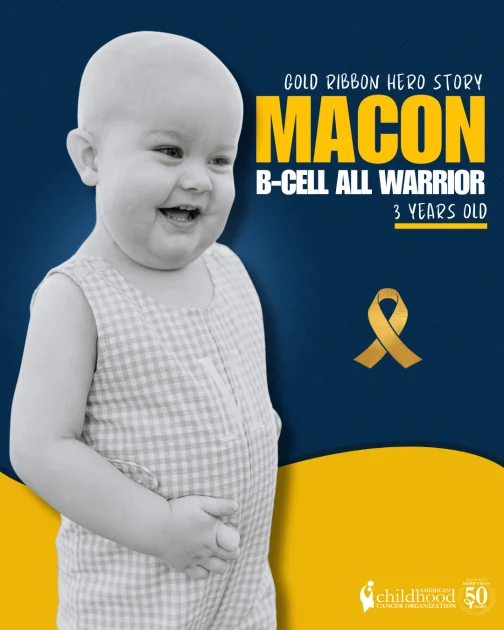
The Diagnosis: From Routine Wellness to Emergency Intervention
In the medical community, the "well-child visit" is designed to monitor growth and development. However, for Macon, a finger-prick blood test performed during his routine two-year checkup served as the first indicator of a systemic failure. The pediatrician noted an abnormally high white blood cell (WBC) count, a clinical red flag that often suggests the body is overproducing immature immune cells at the expense of healthy blood components.
The immediacy of the situation was absolute. Macon was diverted from the pediatrician’s office directly to the emergency department. Within a window of several hours, further diagnostic testing, including comprehensive metabolic panels and specialized blood smears, confirmed the presence of leukemic blasts. The diagnosis was B-Cell Acute Lymphoblastic Leukemia, a malignancy of the B-lymphoblasts.
Madeline, Macon’s mother, described the experience as a period of profound shock and disbelief. The psychological impact of such a diagnosis is intensified when the patient appears asymptomatic. At the time of his admission, Macon exhibited no outward signs of lethargy, bruising, or frequent infections—common symptoms of leukemia. To his parents, he seemed perfectly healthy, making the clinical reality feel surreal.
Understanding B-Cell Acute Lymphoblastic Leukemia (B-ALL)
B-Cell Acute Lymphoblastic Leukemia is the most common form of childhood cancer, representing approximately 75% to 80% of pediatric leukemia cases. It is characterized by the uncontrolled proliferation of immature B-lymphocytes in the bone marrow. As these "blast" cells accumulate, they crowd out healthy red blood cells, white blood cells, and platelets, leading to anemia, infection risks, and bleeding issues.
While the diagnosis is devastating, B-ALL is also one of the most treatable forms of pediatric cancer. According to the American Cancer Society, the five-year survival rate for children with ALL has risen significantly over the last several decades, now exceeding 90%. This progress is attributed to highly refined, risk-stratified chemotherapy protocols that span several years to ensure the total eradication of malignant cells.
Clinical Timeline and Treatment Progression
The treatment for pediatric B-ALL is notoriously rigorous, divided into several distinct phases: induction, consolidation (or intensification), and maintenance. Macon’s journey through these phases has been marked by both clinical success and significant complications.
The Induction Phase and Initial Complications
Upon diagnosis, Macon immediately entered the induction phase. The primary goal of this phase is to achieve complete remission, defined as having less than 5% blast cells in the bone marrow. During this period, Macon required the surgical placement of a chemo-port (a device implanted under the skin to allow easy access to veins).
However, the initial phase was complicated by a serious staph infection in his bloodstream. Infections are a primary risk factor for pediatric oncology patients due to the immunosuppressive nature of chemotherapy. The infection necessitated the removal and subsequent replacement of his port, doubling the surgical burden on the toddler.
Diagnostic Monitoring and Procedures
Throughout his first year of treatment, Macon underwent a series of invasive procedures to monitor the efficacy of the therapy:
- Bone Marrow Biopsies: These were conducted to assess the percentage of leukemia cells directly within the marrow, providing the most accurate measure of disease status.
- Lumbar Punctures (Spinal Taps): Every six weeks, Macon received a lumbar puncture. This procedure serves two purposes: checking the cerebrospinal fluid (CSF) for the presence of leukemia cells and administering "intrathecal" chemotherapy to prevent the cancer from spreading to the central nervous system.
Current Clinical Status and Maintenance Therapy
As of the current reporting period, Macon has successfully completed his first full year of treatment. His mother reports that he has handled the chemotherapy "incredibly well," a testament to the advancements in supportive care that help manage side effects like nausea and fatigue.
Macon has now transitioned into the long-term chemotherapy phase, often referred to as the maintenance phase. This stage is designed to eliminate any residual, undetectable leukemic cells that could cause a relapse. Maintenance therapy for B-ALL is one of the longest treatment durations in oncology, typically lasting between two and three years.
Weekly blood work remains a cornerstone of his current regimen. These tests continue to show no circulating leukemia cells, indicating that the treatment is functioning as expected. If Macon continues to meet his clinical milestones without a recurrence, he is projected to complete his entire protocol and "ring the bell"—a symbolic gesture marking the end of cancer treatment—in May 2027.
The Psychological and Social Impact on the Family Unit
The diagnosis of a child with a life-threatening illness imposes a massive burden on the family structure. For Macon’s family, the shift from a "normal" life to one governed by hospital schedules and infection protocols was instantaneous. Madeline’s account underscores the "unreal" nature of the transition, particularly when the child’s physical appearance does not initially align with the severity of the internal disease.
Despite the clinical environment, the family has made efforts to maintain a sense of normalcy. Macon is described as a playful three-year-old who remains active. His affinity for being outdoors, playing with his sister, and riding toys serves as a vital indicator of his quality of life during treatment. The psychological resilience of the patient is often bolstered by the stability of the family unit and the support of the pediatric oncology team.
Broader Implications for Pediatric Oncology and Advocacy
Macon’s case is a representative example of the challenges and triumphs within the field of pediatric oncology. It highlights several broader themes:
1. The Critical Role of Routine Pediatric Care
The fact that Macon was asymptomatic highlights why routine blood work and wellness checks are essential. Early detection in leukemia cases can prevent the onset of severe complications like organ failure or systemic infection that can occur if the blast count reaches critical levels.
2. The Necessity of Long-Term Treatment Protocols
The duration of Macon’s treatment—spanning nearly four years from diagnosis to completion—illustrates the commitment required from both the patient and the healthcare system. The length of B-ALL treatment is a result of decades of clinical trials which determined that shorter durations led to higher rates of late-term relapse.
3. Funding and Research Gaps
While survival rates for B-ALL are high, the treatments remain toxic and can lead to long-term side effects, including developmental delays or secondary cancers. Organizations like the American Childhood Cancer Organization (ACCO) emphasize that pediatric cancer research remains underfunded compared to adult cancers. Advocacy is focused on developing "kinder" treatments that are as effective as current chemotherapy but with fewer long-term health implications.
Conclusion: The Path to May 2027
Macon remains in active treatment, a "warrior" in a multi-year marathon against B-Cell Acute Lymphoblastic Leukemia. His progress to date is an encouraging sign of the efficacy of modern pediatric oncology. As he continues his maintenance therapy, the focus remains on maintaining his current state of remission while preserving his childhood through play and family engagement.
The goal for the medical team and the family remains fixed on May 2027. Until then, Macon’s journey serves as a reminder of the fragility of health and the profound impact of medical intervention. His story is one of thousands that underscore the necessity of continued support for pediatric cancer research and the families navigating the complexities of a life-changing diagnosis. As the ACCO suggests, the fight against childhood cancer is a collective effort, requiring medical expertise, family resilience, and community support to ensure that patients like Macon can transition from "warriors" to "survivors."
