
 By admin
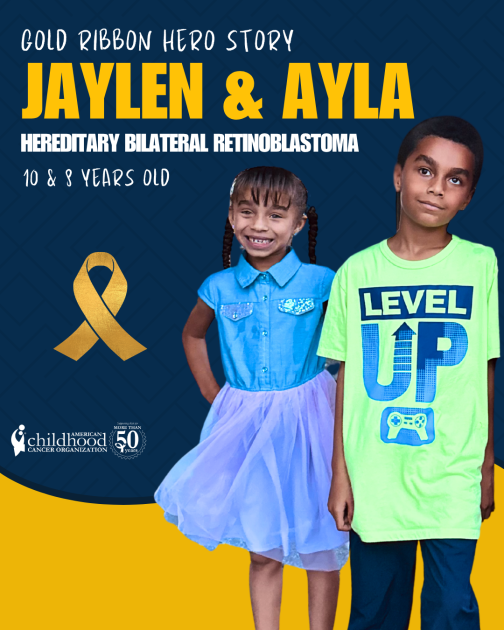
The intersection of rare pediatric oncology and the necessity for inclusive healthcare is exemplified in the journey of Jaylen and Ayla, two siblings who have successfully navigated the complexities of hereditary bilateral retinoblastoma. Jaylen, now 10, and his sister Ayla, 8, represent a significant case study in the importance of early detection, genetic monitoring, and the critical role of parental advocacy when systemic barriers threaten the delivery of life-saving medical care. Their story, while centered on clinical triumph over a rare intraocular cancer, also highlights the persistent challenges faced by disabled parents within the American healthcare system, specifically regarding the provision of essential communication services such as American Sign Language (ASL) interpretation.
Understanding Hereditary Bilateral Retinoblastoma
Retinoblastoma is a rare form of cancer that rapidly develops from the immature cells of a retina, the light-detecting tissue of the eye. It is the most common primary intraocular tumor of childhood, typically affecting children under the age of five. According to data from the American Cancer Society and the National Institutes of Health (NIH), retinoblastoma occurs in approximately 1 in 15,000 to 20,000 live births.
There are two primary forms of the disease: sporadic and hereditary. In the case of Jaylen and Ayla, the condition is hereditary and bilateral, meaning it affects both eyes. Hereditary retinoblastoma is caused by a germline mutation in the RB1 tumor suppressor gene. Approximately 40% of all retinoblastoma cases are hereditary, and these patients are significantly more likely to develop bilateral tumors. Furthermore, children with the germline mutation are at an increased risk of developing secondary cancers later in life, necessitating lifelong monitoring and a specialized approach to pediatric oncology.
The Diagnostic Timeline: Jaylen’s Early Symptoms
The clinical narrative began when Jaylen was just two months old. His mother, Denice, observed a physical abnormality: his left eye was veering outward, a condition known as strabismus. Additionally, early family photographs revealed a white reflection in the pupil, a clinical sign known as leukocoria, or the "glow." While the family initially attributed this to camera flash artifacts, these two symptoms—strabismus and leukocoria—are the most common indicators of an underlying retinoblastoma tumor.
The diagnostic process encountered a significant systemic failure when Jaylen reached four months of age. During a scheduled check-up, the attending medical facility refused to provide an ASL interpreter for Denice, who is deaf. This refusal constituted a breach of the Americans with Disabilities Act (ADA), which mandates that healthcare providers ensure effective communication with patients and their companions through the provision of auxiliary aids and services.
Faced with a medical system that temporarily turned its back, Denice was forced to navigate the complex landscape of pediatric specialty care independently. Her persistence eventually led to a successful referral and a definitive diagnosis of bilateral retinoblastoma. The delay caused by the lack of accessibility services underscores a broader issue in healthcare equity, where the needs of disabled caregivers can directly impact the speed and efficiency of a child’s medical intervention.
Genetic Monitoring and Ayla’s Early Diagnosis
Because Jaylen’s condition was identified as hereditary, the family and medical team were equipped with the knowledge that future siblings would be at a 50% risk of developing the same malignancy. This genetic foresight proved vital for Ayla. Unlike her brother, whose symptoms were caught by parental observation, Ayla was monitored from birth by oncology specialists.
At just four weeks old, clinical screenings confirmed that Ayla also had bilateral retinoblastoma. While the news was devastating for the family, the early diagnosis allowed for immediate intervention before the tumors could progress to more advanced stages. This proactive approach is a cornerstone of management for families with known RB1 mutations, as early detection significantly increases the probability of preserving vision and avoiding the need for more aggressive treatments.
Treatment Modalities and Surgical Interventions
The treatment of bilateral retinoblastoma is a multi-year process aimed at three primary goals: saving the patient’s life, preserving the eye, and maintaining as much vision as possible. For Jaylen and Ayla, the road to survivorship involved a comprehensive suite of oncological and surgical procedures.
Chemotherapy and Focal Therapies
Both children underwent systemic chemotherapy to shrink the tumors. This was supplemented by focal treatments, including cryotherapy (using extreme cold to freeze and destroy cancer cells) and laser therapy (using heat to target the tumors). These treatments are standard for intraocular tumors but require frequent examinations under anesthesia (EUAs) to monitor progress and check for new tumor growth.
Surgical Management
Despite aggressive efforts to save their natural eyes, the severity of the tumors necessitated surgical intervention. Jaylen underwent strabismus surgery to correct the alignment of his eyes. For Ayla, the progression of the disease in one eye led to an enucleation—the surgical removal of the eye. Enucleation is often a necessary measure in advanced cases to prevent the cancer from spreading through the optic nerve to the brain.
Adaptation to Prosthetics
Following enucleation, patients are fitted with ocular prosthetics. Both Jaylen and Ayla have adapted to life with prosthetic eyes. Modern ocularistry allows for highly realistic prosthetics that move in tandem with the surrounding tissue. Ayla has notably embraced this aspect of her journey, viewing her prosthetics as a form of self-expression. She maintains a collection of custom-colored irises, allowing her to exercise agency over her appearance and transform a medical necessity into a "rock her style" personal statement.
The Role of Parental Advocacy and Psychological Resilience
The burden of managing a childhood cancer diagnosis is compounded when the caregiver must also fight for basic accessibility. Denice’s experience highlights the "fearless" advocacy required to manage the health of two children with complex needs. "It was compounded by anger and frustration at the medical system that tried turning a deaf mother away," Denice stated, reflecting on the initial barriers.
The family has also addressed the social implications of their journey. Sharing their story online has occasionally invited criticism regarding their parenting choices—specifically the choice to "spoil" the children following their traumatic medical experiences. In response, Denice has advocated for a philosophy of "joy, presence, and celebrating life." This focus on psychological well-being is increasingly recognized in pediatric oncology as a vital component of long-term survivorship.
Broader Implications for Public Health and Policy
The case of Jaylen and Ayla offers several critical takeaways for the medical community and the public:
- The Importance of "The Glow": Public awareness campaigns, such as "Know the Glow," are essential. Leukocoria can be the first sign of not only retinoblastoma but also Coats’ disease, cataracts, and other vision-threatening conditions. Educating parents to look for the white reflection in photographs can be the difference between early-stage treatment and late-stage enucleation.
- Genetic Counseling: For families with a history of retinoblastoma, genetic counseling and early screening for newborns are non-negotiable. Ayla’s diagnosis at four weeks demonstrates how genetic awareness leads to faster clinical action.
- Healthcare Accessibility: The refusal of an ASL interpreter for a deaf parent is a legal and ethical failure. Medical institutions must ensure that their staff is trained in ADA compliance to prevent delays in diagnosis that could potentially be life-threatening.
- Support for Survivors: Survivorship does not end when the cancer is in remission. The integration of prosthetic care, psychological support, and ongoing monitoring for secondary cancers is a lifelong requirement for those with the RB1 mutation.
Conclusion: A Triumphant Future
Today, Jaylen and Ayla are thriving. They have transitioned from patients to advocates, using their story to raise awareness about childhood cancer and the realities of living with visual impairments and prosthetics. Ayla’s decision to learn ASL during her post-operative recovery further bridges the communication gap within the family and empowers her as an independent individual.
Their journey serves as a powerful reminder that while a cancer diagnosis is life-altering, it does not define the limits of a child’s potential. Through a combination of medical innovation, genetic vigilance, and unwavering parental advocacy, Jaylen and Ayla have moved beyond their diagnosis to lead lives characterized by joy and resilience. Their story continues to inspire other families navigating the daunting landscape of pediatric oncology, proving that a triumphant life is possible on the other side of cancer.
