
 By admin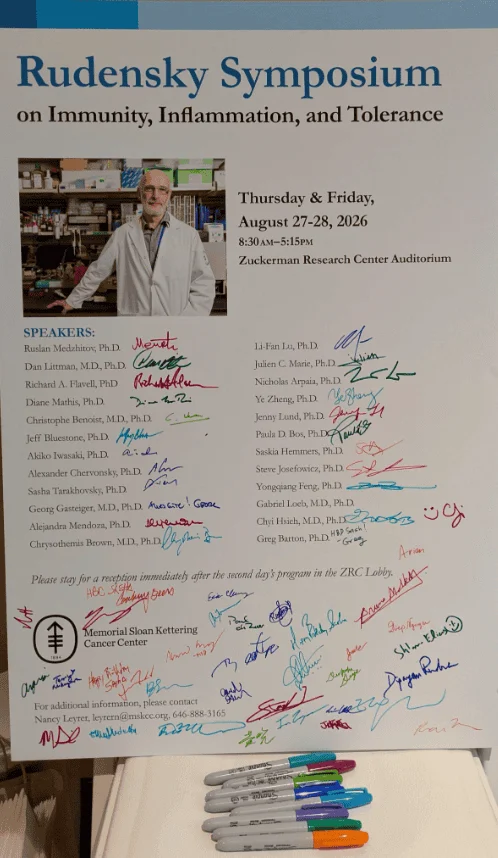
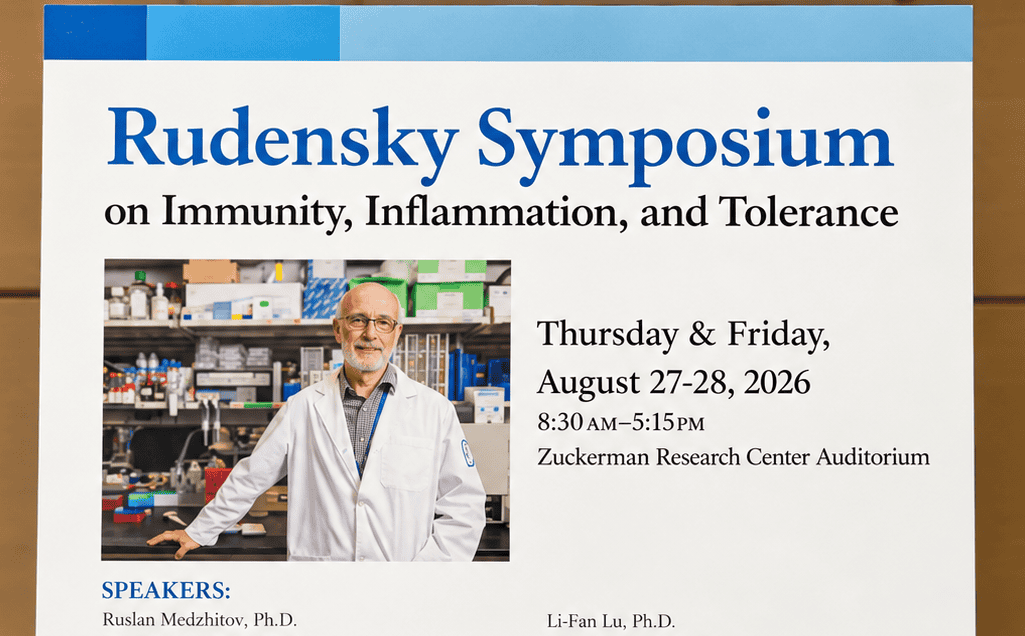
The Rudensky Symposium on Immunity, Inflammation and Tolerance, held on August 27–28, 2026, transcended the typical boundaries of a scientific conference, evolving into a profound celebration of a scientific titan and the enduring legacy of his mentorship. Convened to mark the 70th birthday of Dr. Alexander "Sasha" Rudensky, PhD, a distinguished investigator at Memorial Sloan Kettering Cancer Center, the event gathered an eminent assembly of former trainees, long-standing collaborators, and esteemed colleagues. Their relationships, forged over decades in the demanding yet exhilarating pursuit of scientific discovery, provided a unique backdrop where cutting-edge scientific presentations seamlessly intertwined with heartfelt shared memories, painting a vivid picture of the profound mentorship and deep friendships that have indelibly shaped countless lives and careers within the immunology community.
A Pillar of Immunological Discovery
Dr. Alexander Rudensky stands as a monumental figure in modern immunology, renowned for his groundbreaking contributions, particularly in unraveling the complexities of regulatory T cells (Tregs). His research has fundamentally reshaped our understanding of immune tolerance—the critical process by which the immune system distinguishes between harmful pathogens and the body’s own healthy tissues, preventing autoimmune diseases. Born in Russia, Dr. Rudensky immigrated to the United States, establishing his laboratory at the University of Washington before moving to Memorial Sloan Kettering Cancer Center in 1999, where he currently serves as Chair of the Immunology Program and an Investigator in the Howard Hughes Medical Institute. His seminal work on Foxp3, a master regulatory gene that dictates the development and function of Tregs, provided a crucial molecular handle on these elusive cells, opening new avenues for therapeutic intervention in autoimmune disorders, chronic inflammation, and cancer. The symposium served as a testament to his intellectual rigor, his commitment to scientific inquiry, and his unparalleled ability to inspire and cultivate the next generation of immunological leaders.
The Cancer Research Institute: A Legacy of Support
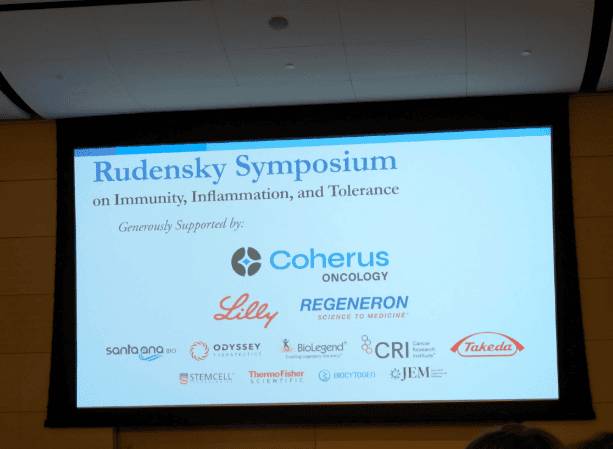
The Cancer Research Institute (CRI) proudly stood as a key supporter of this landmark symposium, celebrating not only a preeminent scientist but also a cherished member of its Scientific Advisory Council (SAC). For over two decades, CRI has been a staunch advocate for Dr. Rudensky’s pioneering research and his exemplary mentorship, extending crucial funding to more than a dozen CRI-funded fellows who have trained under his guidance. This long-standing commitment underscores CRI’s foundational belief in supporting basic immunology as an indispensable precursor to advancements in cancer immunology. The institute’s philosophy, deeply rooted in the understanding that a comprehensive grasp of the immune system’s intricate mechanisms is paramount to effectively harnessing its power against cancer, has driven its investment in foundational discoveries.
A significant highlight in Dr. Rudensky’s illustrious career came in 2015 when he was honored with the prestigious CRI William B. Coley Award for his pioneering work on regulatory T cells. This award recognizes scientists whose contributions have been instrumental in the field of tumor immunology. Tregs, as Dr. Rudensky’s research illuminated, are specialized immune cells that act as the immune system’s brakes, restraining excessive immune responses and playing a vital role in protecting healthy tissues from collateral damage. While crucial for preventing autoimmunity, their suppressive function can also be co-opted by tumors to evade immune destruction, making them a dual-edged sword in the context of cancer. CRI’s connections to this vibrant scientific community run deep, reflecting its unwavering commitment, spanning more than 70 years, to funding both basic immunology and its application to cancer.
Unifying Themes: Immune Balance and Cancer
Throughout the two-day symposium, a powerful and unifying thread emerged across diverse discussions ranging from tissue repair and the gut microbiome to immune tolerance and cancer biology. Presenters consistently demonstrated that the very processes meticulously designed to maintain equilibrium within healthy tissues also exert profound influence over how cancer initiates, progresses, metastasizes, and ultimately responds to therapeutic interventions. This profound interconnectedness is rapidly unlocking novel directions for cancer prevention and therapy, often stemming from fundamental discoveries that initially arose from seemingly unrelated biological questions. The symposium underscored that the path to curing cancer is not always linear but often branches from a deep understanding of basic biological principles.
Basic Science Reveals the Secrets of Tissue Homeostasis
Several presentations highlighted the critical role of basic immunological research, often beginning with questions not explicitly centered on cancer, yet yielding principles with immense relevance to oncological investigation. Dr. Ruslan Medzhitov, a distinguished CRI scientist and 2003 CRI Coley Awardee, captivated attendees with his description of how stressed cells actively recruit macrophages to clear damaged protein "garbage." This intriguing insight suggested a broader, previously underappreciated role for immune cells as diligent tissue maintenance crews, extending beyond their traditional role as defenders against infection. His work emphasized that the immune system is not merely reactive but actively participates in maintaining cellular and tissue integrity.
The symposium also illuminated the multifaceted roles of Tregs, demonstrating that their functions extend far beyond simply suppressing immune responses. Dr. Diane Mathis, a prominent immunologist, presented compelling data on specific Treg populations that assist injured muscle in controlling inflammation, guiding precise tissue repair, and effectively limiting scar formation. This challenges the simplistic view of Tregs as merely suppressive, revealing their active participation in regenerative processes. Concurrently, Dr. Christophe Benoist, another esteemed scientist, showcased how the specific molecular target recognized by a Treg can profoundly influence its identity and functional repertoire. Both Dr. Mathis and Dr. Benoist were recognized for their exceptional contributions with the 2024 CRI Coley Award, underscoring the significance of their work in expanding the understanding of Treg biology. These nuanced insights are paramount because the precision of immune restraint is exquisitely critical. Insufficient restraint can precipitate debilitating autoimmunity and widespread tissue damage, while excessive restraint can unfortunately provide a permissive environment for cancer cells to escape immune surveillance and proliferate unchecked.
Early Immunosurveillance: Can Immunity Act Before Cancer Takes Hold?
A pivotal area of discussion focused on the potential for immune intervention at the earliest stages of cancer development. Dr. Richard A. Flavell, a renowned CRI scientist and 2012 CRI Coley Awardee, delved into the intriguing realm of early cancer immunosurveillance, exploring how the immune system might act against mutant intestinal stem cells even before a visible tumor mass has formed. Through elegant mouse models, his research demonstrated that cells harboring a cancer-linked BRAF mutation initially gained a competitive survival advantage. However, a significant proportion of these precancerous cells were still effectively eliminated by immune mechanisms.
These groundbreaking experiments strongly suggested that immune recognition plays a decisive role in determining which abnormal cells manage to survive and progress in the early stages of oncogenesis. Crucially, when mutant cells lost a key molecule involved in communicating with T cells, they exhibited a markedly increased propensity to outcompete normal cells and take over the small, specialized compartments where intestinal stem cells reside. Furthermore, his findings indicated that both Tregs and the immune signaling molecule IL-10 appeared to contribute to restraining these early mutant clones, highlighting a complex interplay of immune components in preventing early cancer. While still in the preclinical phase, the conceptual power of this work is immense: it posits that the immune system actively influences cancer development from the very moment a potentially dangerous cell begins to compete with its healthy neighbors, offering a tantalizing window for early intervention.
Approaching the complex inflammation-cancer connection from a different yet equally crucial angle, Dr. Julien C. Marie presented research demonstrating that in mouse models, disrupting a vital regulatory signal known as TGF-β pushed intestinal Th17 cells—another critical type of immune cell—into a persistently inflammatory state. This chronic inflammation was directly associated with localized DNA damage and, ultimately, the development of cancer. Encouragingly, restoring the TGF-β signal reversed aspects of this harmful inflammatory state, suggesting that even established inflammatory programs linked to cancer may retain a degree of flexibility and thus be amenable to therapeutic modulation.
The Tumor Ecosystem: Beyond the Cancer Cell Itself
The symposium also delved into the intricate "ecosystem" surrounding a tumor, emphasizing that cancer progression is not solely dependent on the malignant cells but also on their interactions with the wider microenvironment. Dr. Dan Littman, a distinguished CRI SAC member and 2016 CRI Coley Awardee, presented compelling preclinical work connecting the gut microbiome to the efficacy of cancer immunotherapy. His research explored how commensal gut bacteria actively "train" T cells and significantly influence responses to checkpoint immunotherapy. This groundbreaking work vividly illustrated how an immune response initiated and shaped within the intestine can profoundly impact the course of cancer in distant parts of the body, opening new avenues for therapeutic strategies that leverage gut microbiota modulation.
Dr. Paula D. Bos shed light on how Tregs can exert their influence on breast cancer progression not just directly on immune cells but also indirectly through macrophages and the physical scaffolding—the extracellular matrix—that surrounds a tumor. Her research demonstrated that temporarily removing Tregs in mouse tumors shifted macrophages towards a more tumor-fighting, anti-cancer state. Critically, this intervention also disrupted the alignment of collagen fibers, which often act like "highways" for cancer cell escape and metastasis. The mice subsequently exhibited fewer circulating tumor cells and a reduced burden of metastatic disease. This work underscores that the goal is not a broad, indiscriminate elimination of Tregs, which could lead to harmful autoimmune responses. Instead, these experiments aim to reveal more specific, targeted ways to influence macrophage behavior and precisely control tumor spread without compromising overall immune tolerance.
Further exploring the mechanisms by which tumors construct immune-suppressive neighborhoods, Dr. Nicholas Arpaia’s group identified a specific fibroblast population that actively recruits suppressive Tregs around lung tumors. This discovery provides a potential target for disrupting the tumor’s immune-evasive strategies. Dr. Arpaia also described collaborative work developed with CRI Lloyd J. Old STAR Dr. Tal Danino, utilizing engineered bacteria to deliver therapies directly inside tumors. This innovative approach aims to concentrate immune-modulating treatments precisely where they are needed, minimizing systemic side effects and maximizing therapeutic efficacy.
Progress Forged Through People, Mentorship, and Collaboration
Beyond the scientific data, the Rudensky Symposium served as a powerful reminder that advances in cancer research are not isolated discoveries but are organically grown from fundamental questions about immune cells, the intricate architecture of tissues, and their dynamic interactions. Crucially, the symposium underscored that such progress is inextricably linked to the human element: the unwavering dedication of mentors, the generative power of collaboration, the intellectual courage to engage in rigorous scientific disagreement, and the fundamental freedom to pursue questions whose immediate clinical relevance may not be overtly apparent.
Witnessing generations of scientists—from nascent trainees to seasoned professors—gathered in one room made the ripple effect of Dr. Rudensky’s influence palpably tangible. The visible camaraderie and intellectual exchanges demonstrated a vibrant scientific ecosystem nurtured by his guidance. For more than 70 years, the Cancer Research Institute has steadfastly invested in this very foundation of discovery, supporting not only the most promising science but, equally importantly, the exceptional people who are destined to carry it forward. The symposium brought this long-term commitment vividly to life: observing former trainees blossom into influential mentors themselves, witnessing foundational discoveries inform entirely new fields of inquiry, and seeing collaborative networks connect fundamental biological questions to the ultimate, shared goal of profoundly improving patients’ lives. This event was a powerful affirmation that scientific progress is a collective endeavor, driven by curiosity, collaboration, and a deep-seated commitment to human health, a legacy brilliantly exemplified by Dr. Alexander Rudensky.
