
 By admin
The indelible spirit of Victoria “Vicky” Ann Michelis, a woman who championed the underdog and lived life on her own terms, continues to inspire transformative change years after her passing. Through the Victoria Ann Michelis Fund, established by her best friend Rob Malone, her profound generosity is now driving critical research aimed at expanding treatment options for aggressive cancers, particularly ovarian cancer, while simultaneously supporting a range of humanitarian and animal welfare causes that resonated deeply with her. This philanthropic endeavor ensures that Vicky’s legacy is defined not by her battle with cancer, but by her unwavering compassion, fierce advocacy, and enduring commitment to those in need.
Understanding Ovarian Cancer: A Formidable Foe
Ovarian cancer remains one of the most challenging malignancies to detect and treat effectively, earning its moniker as a "silent killer" due to its often subtle and non-specific symptoms. The ovaries, two small, almond-shaped female reproductive organs, are responsible for producing eggs and essential hormones. Ovarian cancer typically arises when cells within an ovary begin to grow uncontrollably. Recent research, however, indicates that a significant proportion of high-grade serous ovarian cancers, the most common and aggressive type, may actually originate in the fimbriae—the finger-like projections at the ends of the fallopian tubes that sweep eggs into the uterus. A closely related cancer can also develop in the peritoneum, the membrane lining the inside of the abdomen and covering many abdominal organs.
The global burden of ovarian cancer is substantial and continues to pose a significant public health challenge. In 2024, an estimated 331,000 women worldwide received an ovarian cancer diagnosis, with over 200,000 succumbing to the disease. The United States alone is projected to see approximately 21,010 new cases and 12,450 deaths in 2026. This stark mortality rate underscores the urgent need for more effective screening methods, earlier diagnostic tools, and novel therapeutic interventions. Unlike some other cancers, there is currently no reliable screening test for ovarian cancer in asymptomatic women, making early detection exceedingly difficult. Symptoms such as bloating, pelvic or abdominal pain, difficulty eating or feeling full quickly, and urinary urgency or frequency are often vague and can be easily attributed to more benign conditions, leading to diagnoses at advanced stages when the cancer is more challenging to treat. This late-stage diagnosis contributes significantly to its high mortality rate, as the cancer often spreads to other organs within the abdominal cavity before it is discovered.

Victoria Michelis: A Life Defined by Advocacy and Resilience
Victoria Ann Michelis was renowned among her friends and colleagues for her forthrightness, unwavering convictions, and a singular dedication to the people in her life. Rob Malone, her lifelong friend, describes her as a woman with an innate ability to connect with and champion the vulnerable. "If you were a bigwig and too impressed with yourself, she had very little regard for you," Rob recounts, painting a vivid picture of Vicky’s no-nonsense approach. "If you were a small person who was struggling, she was all about you." This intrinsic empathy and drive to advocate for the underdog was a consistent theme throughout Vicky’s personal and professional life. She pursued various careers, all of which centered on human interaction, and in each role, she consistently demonstrated her commitment to uplifting those who might otherwise be overlooked. Her outspoken nature was not a flaw but a tool, wielded with purpose to give voice to the voiceless and challenge complacency.
The Battle Against a Rare and Aggressive Diagnosis
Vicky’s personal encounter with cancer began after experiencing symptoms of hypercalcemia, an abnormally high level of calcium in the blood. This led to a diagnosis of small cell carcinoma of the ovary, hypercalcemic type (SCCOHT)—an exceedingly rare and aggressive form of ovarian cancer, accounting for less than 1% of all ovarian malignancies. SCCOHT typically affects young women and is characterized by rapid growth and a poor prognosis, often requiring intensive, multi-modal treatment approaches.
Rob Malone remembers Vicky’s response to this devastating news as remarkably objective and pragmatic. Rather than succumbing to despair, she approached her diagnosis with the diligence of a researcher. She meticulously investigated her treatment options, sought out leading medical professionals, and became a determined, self-advocate throughout her arduous treatment journey. This intellectual and proactive stance, however, did not shield her from the profound emotional impact of the diagnosis. Rob vividly recalls a specific phone call when the gravity of her situation truly resonated with her. "They said the word ‘cancer,’ and they were talking about me," Vicky confided, a moment that underscored the personal and existential weight of her medical reality. This brief, poignant statement captures the shock and disbelief that often accompanies such a life-altering diagnosis, even for someone as objectively minded as Vicky.
From Personal Struggle to Public Awareness: Vicky’s Mission
Following several grueling years of intensive treatment, including extensive surgery and chemotherapy, Vicky achieved what appeared to be a miraculous remission. Against considerable odds, both she and Rob believed she had triumphed over the disease. This hard-won victory, however, instilled in her a profound understanding of the challenges associated with ovarian cancer, particularly its insidious nature and difficulty in early recognition. Many patients, like Vicky, receive a diagnosis only after the disease has advanced to later stages, partly because its early symptoms are often subtle and easily misattributed to less serious conditions such as irritable bowel syndrome, indigestion, or menstrual irregularities.

Driven by her own experience and an unwavering commitment to helping others, Vicky channeled her energy into raising public awareness. She founded a small nonprofit organization dedicated to educating individuals about ovarian cancer and empowering them to recognize its potential symptoms. Rob describes this initiative simply as "her way of giving back," a testament to her inherent generosity and her desire to spare others the agonizing journey she had endured. Her organization aimed to demystify the disease, provide accessible information, and encourage proactive health-seeking behaviors, thereby increasing the chances of earlier detection and improved outcomes for future patients. This period of advocacy showcased her resilience and transformed her personal battle into a public mission, solidifying her role as a true champion for health literacy and patient empowerment.
The Return of the Disease and an Enduring Spirit
Tragically, in 2017, Vicky’s cancer returned. This recurrence, a devastating blow after years of fighting and advocacy, prompted her to explore every conceivable option. Rob recalls her relentless pursuit of treatments: "She tried everything she could try. She looked for trials, and she went so aggressive with the treatments that it just weakened and harmed her." This phase of her battle highlights the immense physical and emotional toll that aggressive cancer treatments can exact, particularly when conventional therapies have been exhausted and experimental avenues are explored out of sheer necessity and hope. Despite her valiant efforts and enduring spirit, Victoria Ann Michelis passed away in 2020. Yet, the core values that illuminated her life—her boundless generosity, profound compassion, and an unyielding commitment to helping others—did not dissipate with her death; instead, they were solidified and given new life through the establishment of a dedicated charitable fund.
The Victoria Ann Michelis Fund: A Commitment to Lasting Impact
In a testament to her foresight and enduring altruism, Vicky entrusted her estate to Rob Malone with clear instructions: the majority of her assets were to be channeled into a charitable fund, after specific gifts were distributed to her closest loved ones. Rob embraced this profound responsibility with unwavering dedication, meticulously establishing the Victoria Ann Michelis Fund in her honor. This fund is a direct extension of Vicky’s life principles, designed to support smaller, U.S.-based nonprofit organizations working in areas she held dear. These include initiatives dedicated to underserved children, groundbreaking cancer research and patient care, support for individuals experiencing hunger, homelessness, or other vulnerabilities, and animal welfare—a broad spectrum reflecting the breadth of her compassionate spirit.
Through the Victoria Ann Michelis Fund, Rob Malone has become a steadfast and generous supporter of the Cancer Research Institute (CRI), an organization at the forefront of immunotherapy research. His decision to partner with CRI was deeply rooted in Vicky’s own experience and frustrations. "Vicky was frustrated that she kept being put down the same old chemotherapy paths for treatment, that there wasn’t something innovative or different that could have been done," Rob explains. "And that’s why I think CRI would appeal to her, because you’re pursuing the other options." This sentiment underscores a critical need in oncology: the development of novel therapies that move beyond conventional approaches, particularly for aggressive and rare cancers like SCCOHT, where standard treatments often prove insufficient. CRI’s mission to harness the power of the immune system to conquer cancer aligns perfectly with Vicky’s desire for innovative solutions, making it an ideal partner for her legacy.

Strategic Philanthropy: Empowering Cutting-Edge Cancer Research
The Cancer Research Institute (CRI) has been a pioneer in the field of cancer immunology and immunotherapy for over seven decades, consistently funding innovative research that has led to major breakthroughs in cancer treatment. Their focus on "other options," as Rob Malone described, refers to their dedication to understanding how the body’s own immune system can be activated and directed to fight cancer cells. This approach has revolutionized oncology, leading to treatments that offer long-lasting remissions and even cures for previously untreatable cancers. The Victoria Ann Michelis Fund’s support for CRI is therefore strategically directed towards the very frontier of cancer medicine, seeking to address the unmet needs that Vicky herself encountered.
Unlocking New Immunotherapy Avenues: Dr. Hyung Jun Kim’s Groundbreaking Work
One recipient of the Victoria Ann Michelis Fund’s crucial support is Dr. Hyung Jun Kim, a CRI Irvington Postdoctoral Fellow. Dr. Kim’s research is focused on a particularly promising area of immunotherapy: re-engineering macrophages. Macrophages are a type of white blood cell that play a critical role in the immune system, acting as "scavengers" that engulf cellular debris, foreign substances, microbes, and cancer cells. However, within the complex microenvironment of solid tumors, macrophages can often be "re-educated" by cancer cells to promote tumor growth, suppress anti-tumor immune responses, and even facilitate metastasis, transforming from cancer fighters into cancer enablers.
Dr. Kim’s groundbreaking work seeks to reverse this detrimental reprogramming. He is investigating methods to genetically and pharmacologically re-engineer these immune cells, essentially retraining them to become potent anti-tumor agents once again. This involves understanding the intricate signaling pathways that lead to macrophage dysfunction within the tumor microenvironment and designing interventions to reactivate their inherent cytotoxic capabilities. The challenge with solid tumors, including ovarian tumors, is their dense and often immunosuppressive environment, which makes it difficult for traditional immunotherapies, like T-cell-based treatments, to penetrate and effectively attack cancer cells. By re-engineering macrophages, which are abundant in solid tumors, Dr. Kim’s research holds the potential to create a new class of cellular immunotherapies that can overcome these physical and immunological barriers. His findings could pave the way for novel treatments not only for ovarian cancer but also for other notoriously difficult-to-treat solid tumors, offering new hope where current options are limited. This pre-clinical research is foundational, aiming to establish the biological principles and feasibility of such an approach before moving into human trials.
Accelerating Discovery: The CRI Discovery Engine and AI’s Role
Beyond individual research projects, the Victoria Ann Michelis Fund has also made a significant, multiyear commitment to the CRI Discovery Engine. This ambitious initiative represents a pioneering effort to standardize and centralize high-quality, artificial intelligence (AI)-ready data from immunotherapy clinical trials and research studies across various institutions. The vision behind the Discovery Engine is to break down the silos that often hinder scientific progress, allowing researchers worldwide to more easily compare findings, identify subtle patterns, and build upon one another’s work with unprecedented efficiency.
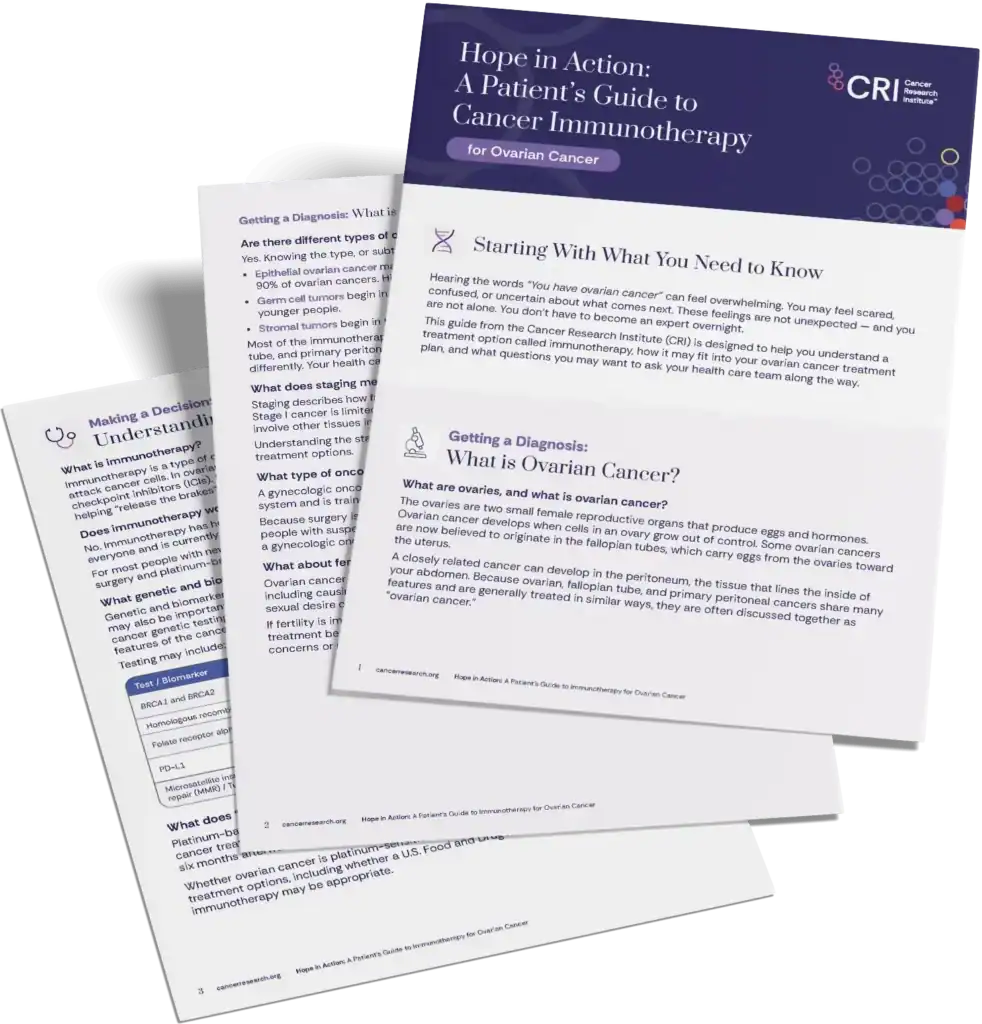
Ovarian cancer is among the initial areas of focus for the Discovery Engine. The current landscape of cancer research often involves disparate datasets, varying methodologies, and a lack of interoperability, which complicates the process of drawing comprehensive conclusions and identifying universal biomarkers or treatment responses. The Discovery Engine aims to overcome these hurdles by creating a unified, robust data infrastructure. By leveraging AI and machine learning algorithms, scientists will be able to analyze vast amounts of patient data—including genetic profiles, treatment responses, and long-term outcomes—to uncover novel insights into how immunotherapies work, why some patients respond while others don’t, and how treatments can be personalized. For ovarian cancer, this could mean identifying new predictive biomarkers for immunotherapy response, discovering novel therapeutic targets, or even designing more effective combination therapies. The long-term vision is to dramatically accelerate the pace of immunotherapy research, leading to faster development of new, more effective treatment options for patients facing cancers like ovarian cancer, ultimately offering them more time and better quality of life. The impact of such a platform extends beyond individual research groups, fostering a collaborative ecosystem where data-driven discoveries can flourish at an accelerated rate.
A Beacon of Hope: Vicky’s Legacy Forges a Path Forward
Victoria Ann Michelis explicitly wished not to be defined by her cancer, and indeed, her legacy transcends the disease that ultimately claimed her life. Her enduring spirit is vividly reflected in the love she inspired, the causes she passionately championed, and the boundless generosity now extended in her name through the Victoria Ann Michelis Fund. This fund embodies the core impulse that guided Vicky throughout her life: to stand firmly beside those who needed an advocate, a supporter, or a voice. Through its strategic philanthropic endeavors, the fund continues to touch the lives of countless individuals and animals, extending Vicky’s compassion to those she never had the opportunity to meet.
Her legacy is also profoundly intertwined with the cutting-edge research she now supports—research that is actively working towards a future Vicky desperately wanted but did not live to see. This future envisions a world where individuals diagnosed with ovarian cancer are no longer faced with limited treatment options or the despair of an aggressive disease. Instead, it promises a landscape of expanded therapeutic choices, renewed reasons for hope, and, most importantly, the invaluable gift of more time. The Victoria Ann Michelis Fund stands as a powerful testament to how one person’s life, lived with purpose and generosity, can continue to inspire and drive progress, even after they are gone, leaving an indelible mark on the fight against cancer and the betterment of humanity.
The Ongoing Quest for Ovarian Cancer Breakthroughs
The journey toward comprehensive cures for ovarian cancer is ongoing, but the contributions of funds like the Victoria Ann Michelis Fund are indispensable. By investing in innovative research initiatives at institutions like the Cancer Research Institute, philanthropic efforts provide the vital resources needed to explore uncharted scientific territory, translate laboratory discoveries into clinical realities, and ultimately transform patient outcomes. The dedication of individuals like Rob Malone, who honor their loved ones by extending their compassionate vision, serves as a powerful reminder of the collective responsibility to support scientific advancement and ensure that hope remains a tangible prospect for all those affected by cancer. The advancements spurred by such generosity bring us closer to a future where more individuals facing ovarian cancer can experience the profound gift of extended life and improved health.
