
 By Hendra Lukman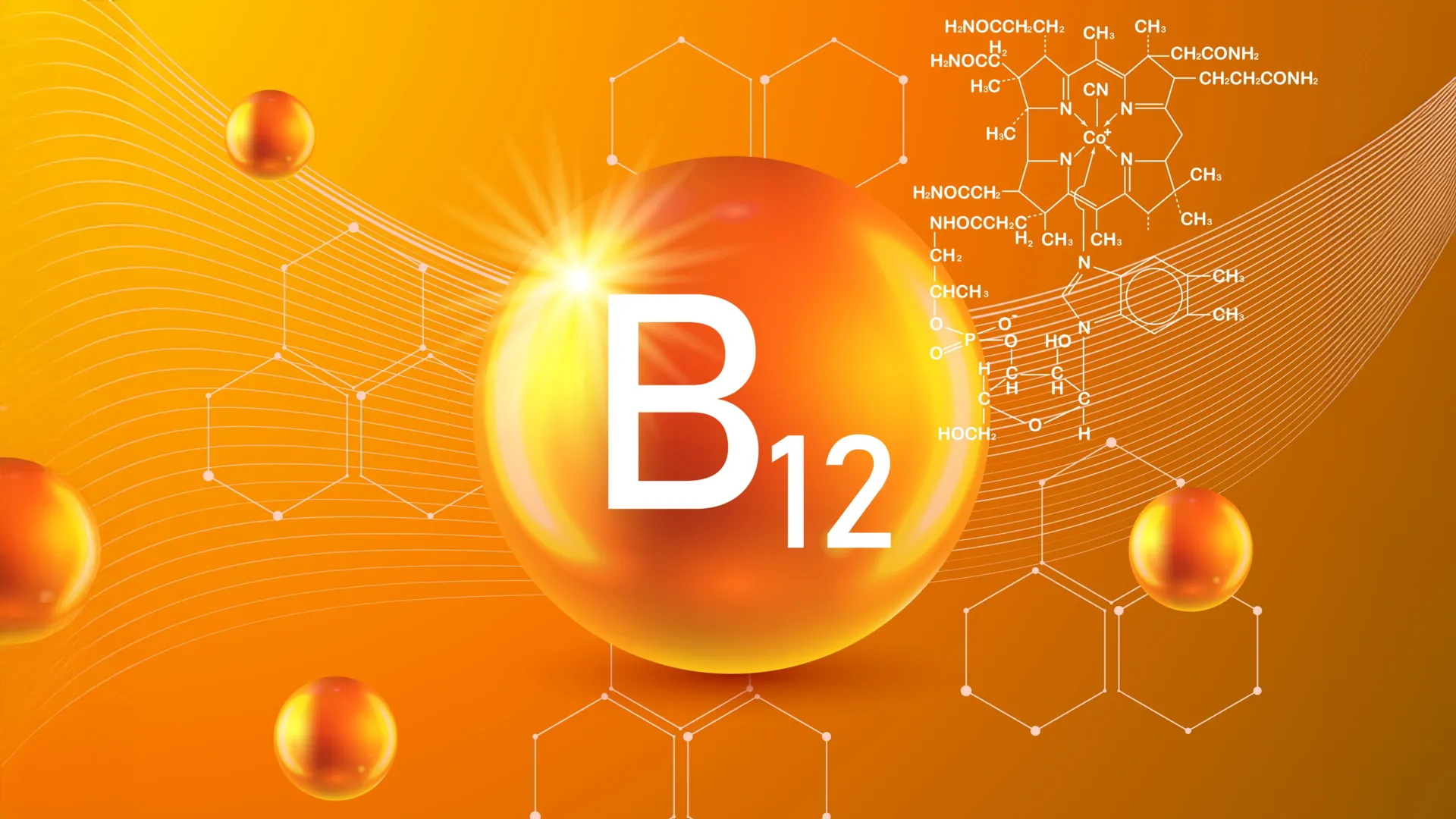
Scientists have achieved a landmark advancement in sustainable nutrition, successfully cultivating Spirulina that produces biologically active vitamin B12 at levels comparable to beef. This groundbreaking development holds the potential to overcome a significant nutritional hurdle for the widely promoted algae, opening new avenues for addressing global vitamin B12 deficiencies with a more environmentally conscious food source. The research, published in the esteemed scientific journal Discover Food, was spearheaded by Dr. Asaf Tzachor, Founder and Academic Director of the Aviram Sustainability and Climate Program at Reichman University, in collaboration with a multidisciplinary team from Iceland, Denmark, and Austria. Leveraging cutting-edge biotechnology and meticulously controlled photonic conditions, the researchers engineered Spirulina biomass that is not only carbon-neutral and nutrient-rich but also a potent source of bioavailable vitamin B12. This marks the first documented instance of biologically active vitamin B12 being successfully produced in Spirulina.
The Pervasive Challenge of Vitamin B12 Deficiency
Vitamin B12, also known as cobalamin, is a critical micronutrient indispensable for numerous vital bodily functions. It plays a pivotal role in the synthesis of red blood cells, ensuring efficient oxygen transport throughout the body. Furthermore, it is fundamental for the proper functioning of the nervous system, supporting nerve cell health and the production of myelin, the protective sheath around nerve fibers. Neurological damage, which can be irreversible if left untreated, is a serious consequence of prolonged B12 deficiency. Cognitive functions, including memory and concentration, are also significantly impacted.
Globally, the scope of vitamin B12 deficiency is alarming, with estimates suggesting that over a billion individuals worldwide suffer from suboptimal levels of this essential vitamin. This deficiency disproportionately affects vulnerable populations, including the elderly, individuals with specific gastrointestinal conditions, vegetarians, and vegans, who often rely on alternative sources to meet their B12 requirements.
Traditionally, animal-based products such as meat, poultry, fish, eggs, and dairy have been primary dietary contributors to vitamin B12 intake. The recommended daily allowance (RDA) for vitamin B12, as cited by the researchers, is 2.4 micrograms (µg) per day for adults. However, the escalating global demand for animal-sourced foods presents a significant environmental burden. Livestock farming is a major contributor to greenhouse gas emissions, deforestation for pastureland, water consumption, and land degradation. These environmental costs have intensified the search for sustainable and nutritionally complete alternatives.
Spirulina, a blue-green algae (scientifically known as Arthrospira platensis), has long been lauded as a promising candidate for a sustainable food source. Its cultivation requires a relatively small environmental footprint compared to traditional agriculture and animal husbandry, and it is recognized for its dense nutritional profile, rich in protein, vitamins, and minerals. However, a major impediment has historically prevented Spirulina from reliably fulfilling its potential as a direct replacement for animal-sourced B12.
The crux of the issue lies in the form of vitamin B12 traditionally found in Spirulina. While Spirulina does contain B12 compounds, a substantial portion of these are in the form of "pseudo-vitamin B12." Although chemically similar to the active form of vitamin B12 that humans require, pseudo-vitamin B12 is not bioavailable to the human body. This means that even if present in significant quantities, the body cannot effectively absorb or utilize it. Consequently, relying on conventional Spirulina for vitamin B12 has been unreliable, posing a significant limitation for individuals seeking plant-based or algae-based dietary sources of this crucial nutrient.
Harnessing Light: A Biotechnological Revolution in Spirulina Nutrition
To surmount the challenge posed by inactive B12 analogues in Spirulina, a consortium of leading research institutions embarked on an ambitious exploratory study. The team, comprising researchers from Reichman University (Israel), the University of Natural Resources and Life Sciences, Vienna (Austria), Ruppin Academic Center (Israel), the Danish Technological Institute (Denmark), and MATIS (Iceland), focused on a novel biotechnology platform developed by VAXA Technologies in Iceland.
The VAXA Technologies platform is designed for advanced cultivation of microalgae, incorporating sophisticated engineering and precise control over environmental parameters. The research team meticulously examined the platform’s engineering design, the energy inputs required for its operation, and, crucially, the nutritional composition of the Spirulina biomass it produced.
A pivotal element of VAXA’s technology lies in its sophisticated photonic management system. This system allows for the precise manipulation of light conditions – including wavelength, intensity, and photoperiod – to which the Spirulina is exposed during its growth cycle. By altering the light environment, the researchers hypothesized, they could influence the metabolic pathways within the algae, potentially encouraging the production of specific, desirable compounds. Their hypothesis proved remarkably accurate. Through careful adjustment of these photonic parameters, the team successfully stimulated the Spirulina to produce significant quantities of biologically active vitamin B12.
Beyond the breakthrough in active B12 production, the cultivated Spirulina also exhibited enhanced levels of other beneficial bioactive compounds. These included potent antioxidants, known for their ability to combat cellular damage caused by free radicals, anti-inflammatory agents that can help mitigate chronic inflammation, and immune-boosting compounds that support the body’s natural defense mechanisms. This multi-faceted nutritional enhancement further elevates the potential of this specially cultivated Spirulina.
The quantitative findings were particularly striking. The carbon-neutral Spirulina biomass produced under these controlled conditions contained an impressive 1.64 µg of active vitamin B12 per 100 grams. To put this into perspective, this concentration is comparable to, and in some instances exceeds, that found in beef, which typically ranges from 0.7 to 1.5 µg per 100 grams. This achievement represents a significant leap forward, offering a plant-based source that can genuinely compete with animal products for a key essential nutrient.
Dr. Asaf Tzachor, reflecting on the significance of the findings, stated, "The results unequivocally demonstrate that Spirulina, when cultivated under photosynthetically controlled conditions, can yield desirable levels of active vitamin B12. This presents a truly sustainable alternative to conventional animal-source foods, addressing both nutritional needs and pressing environmental concerns."
Scaling Up: The Potential for Global Impact
The implications of this breakthrough extend far beyond the laboratory. The researchers explored the potential for scaling up this technology to meet significant global nutritional demands. They conducted an in-depth analysis of what could be achieved if the VAXA Technologies system were expanded considerably beyond its current operational scale, particularly within a country like Iceland, which has abundant renewable energy resources.
In one hypothetical scenario, the researchers projected that reallocating a portion of the electricity currently consumed by Iceland’s heavy industry could support the annual production of an estimated 277,950 tonnes of Spirulina biomass. This enormous quantity of algae would, according to their calculations, yield approximately 4,555 grams of active vitamin B12 annually.
To contextualize this production volume, the researchers estimated that this amount of active vitamin B12 could satisfy the recommended dietary allowance (RDA) for over 13.8 million children aged 1-3 years. This figure highlights the profound impact such a sustainable food source could have on combating childhood malnutrition and deficiency diseases in vulnerable populations.
Further, by considering even more ambitious production scenarios, the potential for impact widens dramatically. These more extensive scale-up models suggest that the technology could, in theory, generate enough vitamin B12 to meet the RDA for more than 26.5 million children aged 1-3 years and over 50 million infants aged 0-6 months. While these figures are projections based on potential future scaling, they powerfully illustrate the immense nutritional capacity inherent in this biotechnological approach.
The researchers emphasized that these projections are forward-looking and depend on successful large-scale implementation. However, they serve as compelling evidence of the transformative potential of precisely controlled algal cultivation for global health and food security.
A Paradigm Shift Towards Sustainable Nutrient Sourcing
The successful demonstration of photosynthetically controlled Spirulina as a viable source of active vitamin B12 heralds a potential paradigm shift in how essential nutrients are produced and consumed. If this approach can be effectively scaled and implemented globally, it offers a powerful new strategy for addressing the widespread issue of vitamin B12 deficiency while simultaneously reducing our reliance on environmentally taxing meat and dairy production.
This research also underscores the burgeoning role of biotechnology in reshaping the nutritional landscape. Instead of passively cultivating existing food sources, scientists are now actively engineering them to enhance their beneficial properties. By meticulously controlling the growth environment, researchers can guide microorganisms and other rapidly growing food organisms to produce specific compounds that are vital for human health. This proactive approach moves beyond incremental improvements and opens doors to entirely new nutritional possibilities.
The findings represent a significant stride towards developing more sustainable and efficient methods for sourcing essential nutrients. However, the journey from laboratory breakthrough to widespread adoption is complex. Further rigorous research, optimization of cultivation processes, and, crucially, the development of robust, large-scale production facilities will be essential to determine how this innovative technology can be seamlessly integrated into existing global food systems. Economic viability, consumer acceptance, and regulatory frameworks will all play vital roles in its eventual success.
The Aviram Sustainability and Climate Program at Reichman University, established in partnership with the Aviram Foundation, was founded in direct response to the escalating environmental and public health challenges confronting the world. The program is dedicated to cultivating the next generation of interdisciplinary leaders equipped to tackle pressing issues such as resource scarcity, the accelerating impacts of climate change, extreme weather events, and the critical crises in food, water, and energy security. This research into sustainable vitamin B12 production exemplifies the program’s commitment to fostering innovative solutions for a healthier planet and a more resilient future.
