
 By Lina carolina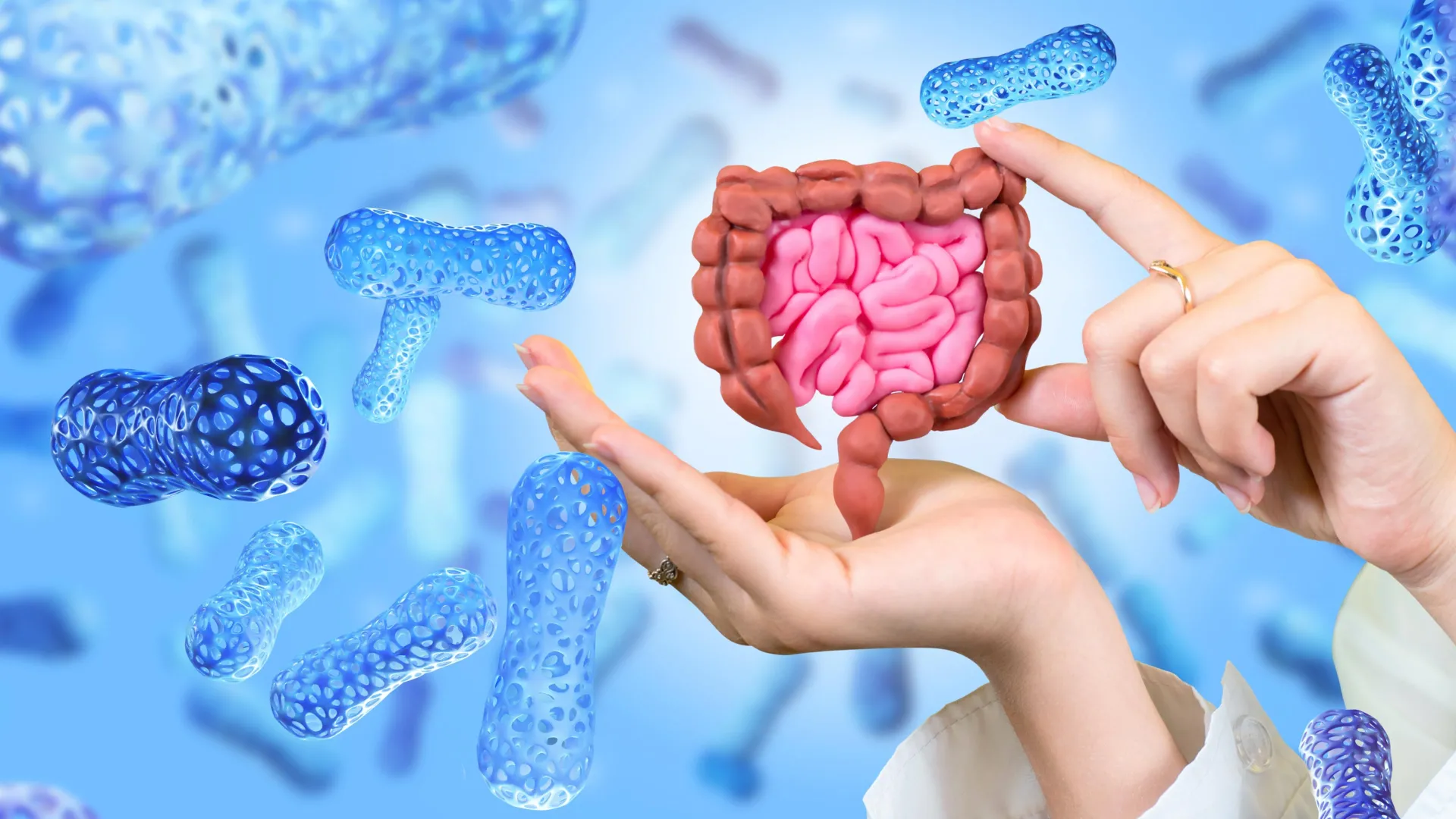
Pancreatic cancer, a notoriously aggressive malignancy, has long presented a formidable challenge to the advancements in cancer immunotherapy that have revolutionized the treatment of many other cancers. A significant hurdle lies within the unique tumor microenvironment these cancers create, often described as "cold," effectively shielding them from immune cell assaults. Now, researchers at the University of Chicago have unveiled a groundbreaking approach that harnesses the power of beneficial gut bacteria to deliver potent immune-stimulating therapy directly to these recalcitrant tumors, offering a beacon of hope for improved patient outcomes.
The pioneering strategy, detailed in the prestigious journal Science Advances, centers on BifidoSumIL-2, a specially engineered strain of Bifidobacterium longum. This probiotic bacterium, a natural inhabitant of the human gut, has been meticulously modified to act as a microscopic Trojan horse, carrying an immune-boosting payload directly into the heart of pancreatic tumors. In preclinical studies conducted on animal models, this innovative therapy demonstrated a remarkable ability to curb tumor growth by selectively amplifying the activity of T cells, crucial components of the immune system responsible for identifying and destroying cancer cells. The therapeutic effects were further amplified when BifidoSumIL-2 was integrated with established cancer treatments like chemotherapy, radiotherapy, and conventional immunotherapy, suggesting a synergistic potential that could significantly enhance treatment efficacy.
A New Frontier in Pancreatic Cancer Treatment
The relentless pursuit of effective treatments for pancreatic cancer, a disease with a historically grim prognosis, has been a driving force behind this research. "A big unmet medical need has been pancreatic cancer, and so that was going to be our mountain to climb," stated Dr. Ralph Weichselbaum, the Daniel K. Ludwig Distinguished Service Professor and Chair of Radiation and Cellular Oncology at the University of Chicago. This sentiment underscores the critical importance of developing novel strategies for this devastating disease. Pancreatic cancer accounts for approximately 3% of all cancers but causes about 7% of all cancer deaths, with a five-year survival rate that has hovered around 10-11% for decades, far lower than many other common cancers.
The core of the BifidoSumIL-2 therapy lies in its ability to release a modified version of interleukin-2 (IL-2) once it reaches the tumor site. IL-2 is a vital immune signaling molecule known for its potent capacity to activate T cells, which are central to mounting an effective anti-cancer response. However, conventional IL-2 treatments have been hampered by significant limitations. These include the potential for severe systemic side effects and the unintended stimulation of regulatory T cells, a subset of immune cells that can actually suppress the anti-tumor immune response, thereby counteracting the therapeutic goal.
To circumvent these challenges, the University of Chicago team developed SumIL-2, a genetically engineered variant of IL-2. This modified form is designed for enhanced precision, preferentially activating cancer-fighting T cells while minimizing the stimulation of immune-suppressing regulatory T cells. The ingenuity of the approach lies in its delivery mechanism: by encapsulating SumIL-2 within Bifidobacterium longum, the therapeutic molecule is concentrated precisely within the tumor microenvironment, rather than being dispersed throughout the entire body, thereby maximizing its local impact and mitigating systemic toxicity.
The Interdisciplinary Symphony of Innovation
The development of BifidoSumIL-2 was not a singular endeavor but a testament to the power of interdisciplinary collaboration. Specialists from diverse fields, including microbiology, synthetic biology, oncology, and immunology, converged their expertise to bring this complex therapeutic concept to fruition. "This was a highly interdisciplinary effort," emphasized Dr. Mark Mimee, Assistant Professor of Microbiology at the University of Chicago. "We had to bring together people who understand bacteria, people who understand tumors, and people who understand the immune system to make something like this possible." This integrated approach allowed for a comprehensive understanding of bacterial behavior, tumor biology, and immune system dynamics, paving the way for the creation of a truly novel treatment.
Harnessing the Unique Properties of Bifidobacterium
The choice of Bifidobacterium as a delivery system was strategic, leveraging its inherent biological characteristics. Bifidobacterium species are obligate anaerobes, meaning they thrive in oxygen-deprived environments. This characteristic is particularly advantageous for targeting solid tumors, as the interior of many tumors, including pancreatic tumors, is notoriously hypoxic (low in oxygen). In contrast, healthy tissues generally possess higher oxygen levels, making them less hospitable to these bacteria.
" Bifidobacterium is an obligate anaerobe, so it doesn’t grow in the presence of oxygen," explained Dr. Mimee. "When the bacteria are injected systemically, they are cleared from healthy tissues with abundant oxygen. Inside the low-oxygen regions of tumors, however, they can become active." This inherent tumor-homing capability allows the engineered bacteria to act as localized therapeutic factories. Once inside the tumor, they meticulously produce SumIL-2 precisely where it is needed most, offering a targeted and efficient method of drug delivery.
Furthermore, Bifidobacterium boasts a favorable safety profile, with a long history of use as a probiotic. It is commonly found in fermented foods like yogurt and is generally recognized as safe (GRAS) by regulatory bodies, providing a robust foundation for its potential therapeutic application. This established safety record significantly streamlines the preclinical development process and bolsters confidence in its future clinical translation.
However, engineering Bifidobacterium presented its own set of intricate challenges. " Bifidobacterium is not the easiest organism to work with," Dr. Mimee acknowledged. "It’s anaerobic, it grows slowly, and the genetic tools for manipulating it are much more limited compared to model bacteria like E. coli. A lot of the work was just figuring out how to reliably engineer it." Overcoming these technical hurdles required extensive research and innovation in bacterial genetics and metabolic engineering, pushing the boundaries of what was previously thought possible with this microbial system.
Preclinical Evidence of Efficacy
The results from animal model studies have been highly encouraging. BifidoSumIL-2 demonstrated a clear propensity to accumulate within tumors, effectively initiating and amplifying immune activity against pancreatic cancer. Crucially, it led to a significant slowdown in tumor growth. Beyond direct immune stimulation, the therapy also appeared to remodel the tumor microenvironment in a beneficial manner, notably by increasing the presence and activity of cancer-fighting CD8+ T cells. This suggests a multi-pronged attack against the tumor, addressing both the cancer cells directly and the protective environment that shields them.
The true power of this novel approach, however, was revealed when BifidoSumIL-2 was combined with existing cancer treatments. The synergistic effects observed when pairing the bacterial therapy with chemotherapy, radiation therapy, or anti-PD-L1 immunotherapy were particularly striking. These combination regimens resulted in superior tumor control and significantly extended survival rates compared to the administration of each treatment modality alone. "This combination potential is one of the study’s most important findings; BifidoSumIL-2 not only works by itself — it works with radiotherapy, chemotherapy, and immunotherapy," Dr. Weichselbaum highlighted. This finding is critical, as many patients with pancreatic cancer require multimodal treatment approaches. The ability of BifidoSumIL-2 to enhance the effectiveness of these established therapies could represent a significant leap forward in patient care.
The Future Trajectory and Broader Implications
While the preclinical findings are undeniably promising, BifidoSumIL-2 is yet to undergo human clinical trials. Future research will need to meticulously evaluate its long-term safety profile in humans, assess the potential for off-target effects beyond the intended tumor site, and determine the duration and robustness of the induced immune response. An important area of investigation will be the feasibility of delivering the bacteria orally, which would offer a less invasive and more patient-friendly administration route compared to systemic injection. Furthermore, the researchers are keen to explore the integration of this bacterial therapy with emerging pancreatic cancer treatments, such as KRAS inhibitors, which target a common genetic mutation found in many pancreatic tumors.
This research is a significant contribution to the burgeoning field of "bugs as drugs." This innovative paradigm envisions engineering beneficial bacteria to act as targeted drug delivery systems, seeking out tumors and producing therapeutic agents directly within them. By concentrating potent immune treatments at the tumor site, this strategy holds the promise of maximizing therapeutic benefit while simultaneously minimizing the debilitating side effects often associated with systemic drug administration. The potential for this approach extends beyond pancreatic cancer, offering a versatile platform for treating a wide range of solid tumors that are currently resistant to conventional immunotherapies.
The study, titled "Engineered probiotic Bifidobacterium for tumor-targeted pancreatic cancer therapy," received crucial support from the Ludwig Foundation and the National Institutes of Health, underscoring the significant investment in advancing pancreatic cancer research. The collaborative authorship, which includes researchers from the University of Chicago, the University of Texas Southwestern, and Tsinghua University, highlights the global effort dedicated to tackling this complex disease.
Looking ahead, the landscape of cancer care at the University of Chicago Medicine is poised for further transformation. In April 2027, the institution will inaugurate the AbbVie Foundation Cancer Pavilion, a state-of-the-art freestanding cancer facility. This pavilion is designed to be a hub for advanced diagnostics, groundbreaking treatments, and rapid translation of laboratory discoveries into clinical applications, offering comprehensive support to patients and the broader community. The development of BifidoSumIL-2 exemplifies the innovative spirit and cutting-edge research that UChicago Medicine continues to champion in its fight against cancer.
