
 By Gilang Cahya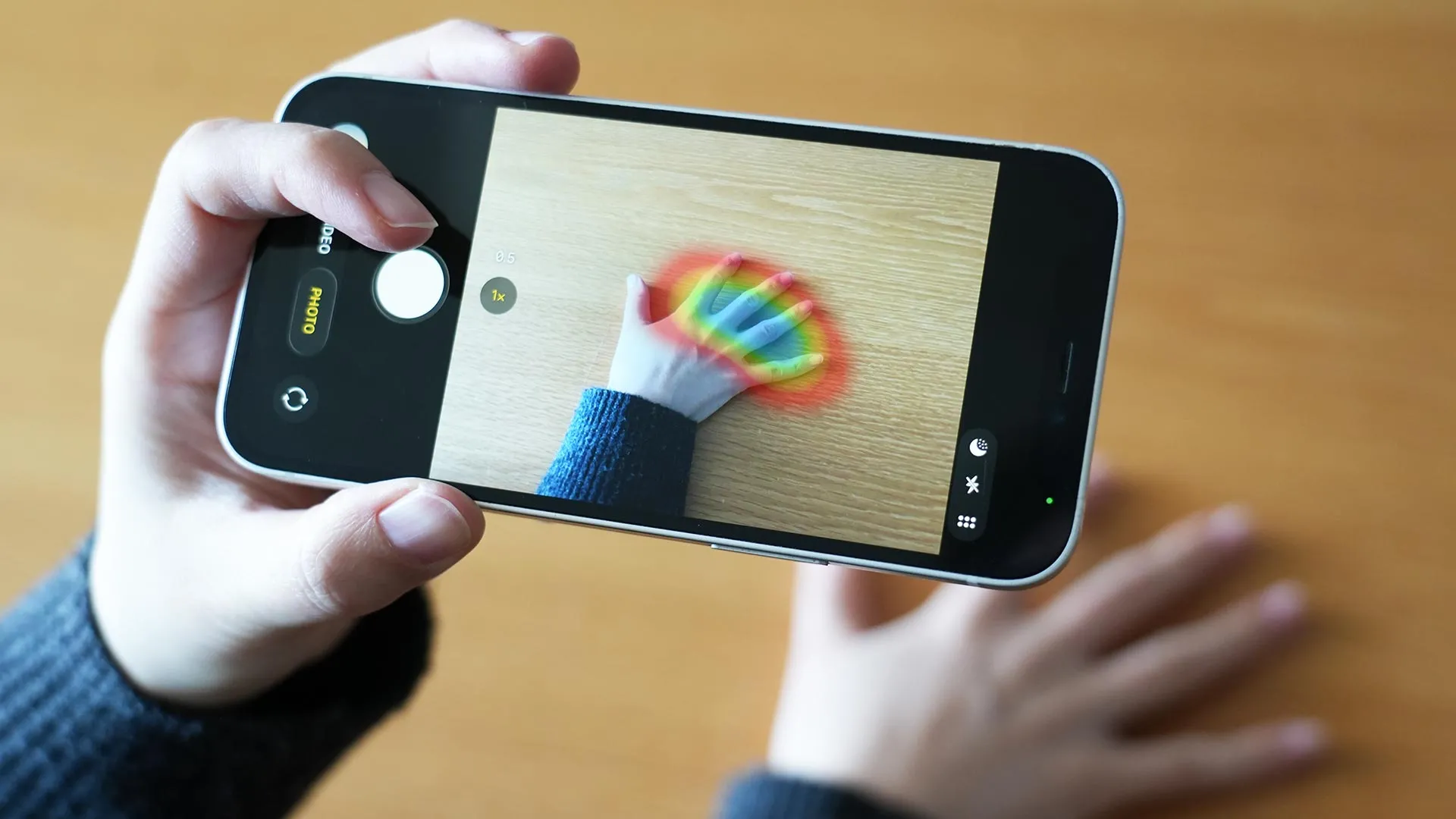
Researchers at Kobe University have pioneered a groundbreaking artificial intelligence system capable of diagnosing acromegaly, a rare endocrine disorder, solely by analyzing photographs of the back of a patient’s hand and a clenched fist. This innovative approach deliberately sidesteps the use of facial images, a move designed to significantly enhance patient privacy while maintaining a high degree of diagnostic accuracy. Experts believe this technology holds immense potential to expedite specialist referrals for affected individuals and broaden access to critical healthcare services, particularly in remote or underserved regions.
The Challenge of Acromegaly: A Slow-Moving, Elusive Disease
Acromegaly, the target of this new AI, is a chronic and uncommon condition that typically emerges in middle age. It stems from an overproduction of growth hormone by the pituitary gland, leading to a cascade of physical manifestations. These include the progressive enlargement of hands and feet, subtle yet significant alterations in facial features, and the abnormal growth of bones and internal organs. The insidious nature of acromegaly lies in its gradual progression over many years, often making early recognition a formidable challenge for both patients and clinicians.
Untreated, acromegaly can precipitate a host of severe health complications, including cardiovascular disease, diabetes, and an increased risk of certain cancers. Tragically, it can also lead to a reduced life expectancy, with studies indicating a potential decrease of approximately 10 years. "Because the condition progresses so slowly, and because it is a rare disease, it is not uncommon to take up to a decade for it to be diagnosed," explained Hidenori Fukuoka, an endocrinologist at Kobe University and a lead researcher on the project. He further elaborated on the historical context of diagnostic efforts: "With the progress of AI tools, there have been attempts to use photographs for early detection, but they have not been adopted in clinical practice." This statement underscores the critical need for a more practical and readily implementable diagnostic aid.
A Privacy-First AI: Redefining Diagnostic Imaging
The genesis of this innovative AI system can be traced back to the research team’s comprehensive review of existing artificial intelligence applications in medical diagnostics. They observed a prevalent trend where many diagnostic AI systems relied heavily on facial photographs. While effective for certain conditions, this reliance invariably raised significant privacy concerns among patients, who may be hesitant to share sensitive personal imagery.
Addressing this critical ethical consideration became a central tenet of the Kobe University project. Yuka Ohmachi, a graduate student and key member of the research team, articulated their strategic pivot: "Trying to address this concern, we decided to focus on the hands, a body part we routinely examine alongside the face in clinical practice for diagnostic purposes, particularly because acromegaly often manifests changes in the hands." This deliberate choice recognized that the hands, while offering diagnostic clues, are generally perceived as less sensitive for privacy concerns than facial features.
To further fortify patient privacy, the researchers implemented a stringent imaging protocol. They limited their data collection to photographs of the dorsal aspect of the hand (the back of the hand) and a clenched fist. Crucially, they intentionally excluded images of the palm. This decision was rooted in the understanding that palm line patterns are highly individualistic and could potentially be used to identify individuals, thereby compromising anonymity. This meticulously crafted approach, prioritizing both diagnostic utility and privacy, proved instrumental in facilitating the recruitment of a substantial participant pool. The study ultimately garnered contributions from 725 patients across 15 diverse medical institutions throughout Japan. This collaborative effort yielded an impressive dataset of over 11,000 images, meticulously utilized for the training and rigorous testing of the developed AI model.
AI Achieves Superior Diagnostic Performance
The culmination of this extensive research effort was formally presented in the esteemed Journal of Clinical Endocrinology & Metabolism. The study’s findings revealed that the developed AI model demonstrated exceptionally high levels of both sensitivity and specificity in identifying acromegaly from the captured hand images. Sensitivity, in this context, refers to the AI’s ability to correctly identify individuals who have acromegaly, while specificity measures its ability to correctly identify those who do not.
Perhaps the most striking revelation from the study was the direct comparison between the AI’s performance and that of experienced endocrinologists. In a head-to-head evaluation using the same set of anonymized photographs, the AI system consistently outperformed the human specialists. This outcome was not only statistically significant but also personally surprising to the researchers involved.
"Frankly, I was surprised that the diagnostic accuracy reached such a high level using only photographs of the back of the hand and the clenched fist," admitted Ohmachi. "What struck me as particularly significant was achieving this level of performance without facial features, which makes this approach a great deal more practical for disease screening." This sentiment highlights the transformative potential of the AI, offering a viable screening tool that bypasses the common hurdles associated with privacy-sensitive imaging.
Expanding the Horizon: Medical AI for Diverse Conditions
The success in diagnosing acromegaly has ignited a broader vision within the Kobe University research team. They are now actively exploring the adaptability of their AI system to detect a range of other medical conditions that present with discernible changes in the hands. Potential future applications include the identification of rheumatoid arthritis, a chronic inflammatory disorder affecting joints; anemia, a condition characterized by a deficiency in red blood cells; and finger clubbing, a physical sign associated with various lung, heart, and gastrointestinal diseases.
"This result could be the entry point for expanding the potential of medical AI," stated Ohmachi, underscoring the foundational nature of their current achievement. This forward-looking perspective suggests that the principles and methodologies employed in this acromegaly detection system could serve as a blueprint for developing AI-powered diagnostic tools for a multitude of conditions, revolutionizing early detection and intervention across the medical spectrum.
Empowering Clinicians and Bridging Healthcare Gaps
It is imperative to acknowledge that in real-world clinical settings, the diagnostic process for complex conditions like acromegaly involves a multifaceted approach. Physicians meticulously gather patient histories, order laboratory tests, and conduct thorough physical examinations. The Kobe University researchers clearly envision their AI tool as a complementary asset to these established practices, designed to assist physicians rather than replace them.
In their published study, the researchers describe the technology as a means to "complement clinical expertise, reduce diagnostic oversight and enable earlier intervention." This framing emphasizes the AI’s role as a powerful support system for healthcare professionals. By providing an objective and rapid initial assessment based on readily available imagery, the AI can flag potential cases that might otherwise be overlooked or delayed in diagnosis.
Lead researcher Hidenori Fukuoka expressed his optimism about the broader societal impact of this technology: "We believe that, by further developing this technology, it could lead to creating a medical infrastructure during comprehensive health check-ups to connect suspected cases of hand-related disorders to specialists. Furthermore, it could support non-specialist physicians in regional healthcare settings, thus contributing to a reduction of healthcare disparities there." This vision speaks to a future where access to specialized medical knowledge is democratized, reaching individuals in remote areas or those who may not have immediate access to specialist care. The AI can act as a crucial first step, ensuring that individuals with suspected conditions are identified and guided towards the appropriate medical attention without unnecessary delays.
A Collaborative Endeavor Fueled by Innovation
The groundbreaking research that led to the development of this privacy-conscious AI system was made possible through significant financial support from the Hyogo Foundation for Science Technology. This funding underscores the growing recognition of artificial intelligence as a vital tool for advancing medical science and improving public health outcomes.
The project’s success is also a testament to the power of interdisciplinary collaboration. The research team at Kobe University worked closely with a broad network of academic institutions and medical facilities across Japan. Collaborators included researchers from Fukuoka University, Hyogo Medical University, Nagoya University, Hiroshima University, Toranomon Hospital, Nippon Medical School, Kagoshima University, Tottori University, Yamagata University, Okayama University, Hyogo Prefectural Kakogawa Medical Center, Hokkaido University, International University of Health and Welfare, Moriyama Memorial Hospital, and Konan Women’s University. This extensive network facilitated the collection of diverse datasets, ensuring the AI’s robustness and generalizability across different patient populations and clinical environments.
The implications of this research extend far beyond the immediate diagnosis of acromegaly. It represents a significant stride in the ethical and practical application of artificial intelligence in healthcare, demonstrating that advanced diagnostic capabilities can be achieved without compromising fundamental patient rights. As the technology matures and its applications expand, it promises to reshape how rare diseases are identified and managed, ultimately leading to improved patient outcomes and a more equitable healthcare landscape. The development of this AI system marks a pivotal moment, heralding a new era where technology and human expertise converge to deliver more effective, accessible, and patient-centric medical care.
