
 By admin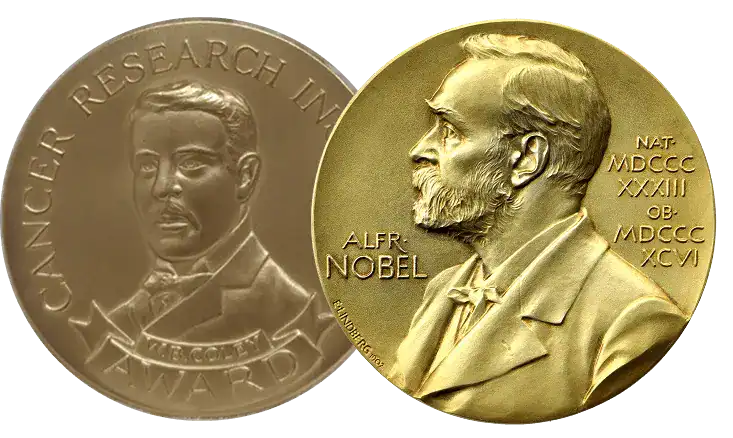
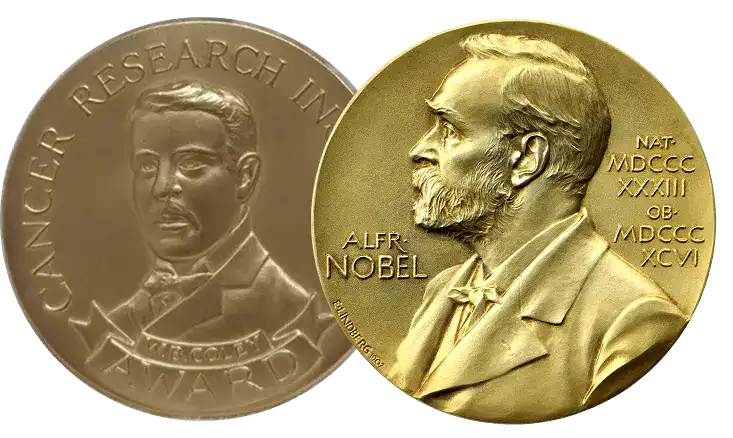
For over half a century, the Cancer Research Institute (CRI) has stood as a vanguard in recognizing groundbreaking scientific endeavors through the prestigious William B. Coley Award. This esteemed accolade celebrates scientists whose audacious ideas have fundamentally reshaped humanity’s understanding of the immune system and its profound capabilities. A testament to CRI’s exceptional foresight, an astonishing twelve of these trailblazers have subsequently been honored with the Nobel Prize, the global scientific community’s most revered distinction. Their collective discoveries have not merely advanced theoretical knowledge but have actively redefined modern medicine, propelled revolutionary cancer treatments, and unveiled the immune system’s astonishing power to protect, heal, and ultimately save countless lives. Long before these monumental achievements garnered global acclaim on the world stage, CRI’s discerning eye had already identified and championed their brilliance. This enduring legacy of prescience—the remarkable ability to perceive transformative possibility before it becomes an indelible part of history—unequivocally defines CRI as both a fervent champion of pioneering discovery and an indispensable catalyst for progress in biomedical science. From the visionary scientists of yesteryear to the promising pioneers of tomorrow, CRI’s narrative is, and irrevocably will remain, one of discovery that consistently changes the world.
The William B. Coley Award: A Legacy of Foresight in Immunology
Established in 1975, the William B. Coley Award for Distinguished Research in Basic and Tumor Immunology honors the legacy of Dr. William B. Coley, a pioneering surgeon often regarded as the "Father of Immunotherapy." In the late 19th century, Coley observed that some cancer patients experienced spontaneous tumor regression after developing bacterial infections. This led him to develop a bacterial toxin mixture, known as Coley’s Toxins, which he used to treat cancer patients, reporting remarkable successes. While his methods predated a comprehensive understanding of immunology and were controversial at the time, Coley’s groundbreaking work laid the conceptual groundwork for the field of cancer immunotherapy, demonstrating the immune system’s potential to combat malignancy.
The Coley Award, therefore, is more than just an honor; it is a recognition of courage, innovation, and a profound commitment to unraveling the complexities of the immune system, particularly in its interactions with cancer. Administered by CRI, a global leader in funding and coordinating immunology and immunotherapy research, the award identifies scientists whose basic research pushes the boundaries of knowledge, often years before its full impact is widely recognized or translated into clinical applications. The remarkable correlation between Coley Award recipients and subsequent Nobel laureates underscores CRI’s unique ability to spot the foundational discoveries that will shape the future of medicine. This predictive power is not accidental but stems from a rigorous evaluation process by CRI’s Scientific Advisory Council, composed of leading immunologists worldwide.
CRI’s Predictive Power: A Dozen Nobel Laureates
The journey from a groundbreaking discovery to a Nobel Prize often spans decades, involving rigorous validation, replication, and the eventual translation of basic science into tangible clinical benefits. The Cancer Research Institute has demonstrated an unparalleled knack for identifying these future Nobel laureates at crucial junctures in their careers, celebrating their seminal contributions through the Coley Award. The following profiles illustrate this extraordinary track record, showcasing the profound impact these scientists have had on our understanding of immunity, disease, and the development of life-saving therapies.
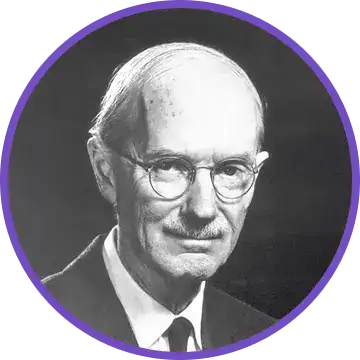
George Snell, PhD (1903–1996): Laying the Foundation for Transplantation Immunology
Institution: Jackson Laboratory, Bar Harbor, ME, USA
Discovery (1951): Dr. George Snell’s seminal work led to the discovery of cell-surface proteins, later identified as the Major Histocompatibility Complex (MHC), that govern whether an organism’s immune system will accept or reject foreign cells. His research meticulously elucidated the genetic regulation underlying these critical proteins. At the time, organ transplantation was a distant dream, plagued by insurmountable immune rejection. Snell’s work provided the first scientific explanation for this phenomenon, revealing the biological "identity markers" that dictate self from non-self.
Coley Award (1978): Recognized for his Distinguished Research in Basic and Tumor Immunology.
Nobel Prize (1980): Awarded the Nobel Prize in Physiology or Medicine, shared with Jean Dausset and Baruj Benacerraf, for his discoveries concerning genetically determined structures on the cell surface that regulate immunological reactions.
Lasting Impact: Snell’s foundational discoveries were revolutionary, making organ and tissue transplantation a clinical reality. By understanding MHC proteins, scientists and clinicians could better match donors and recipients, significantly reducing rejection rates. His work also provided crucial insights into tumor immunology, as cancer cells often display altered MHC molecules, influencing how the immune system perceives and potentially attacks them. This laid essential groundwork for understanding immune surveillance and the potential for immunotherapeutic strategies.
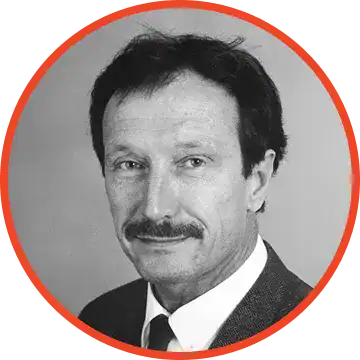
Rolf Zinkernagel, MD, PhD: Decoding T-Cell Recognition
Institution: University of Zurich, Zurich, Switzerland
Affiliation: Member of CRI’s Scientific Advisory Council
Discovery (1973): Dr. Rolf Zinkernagel, in collaboration with Peter C. Doherty, made the pivotal discovery that T cells, critical components of the adaptive immune system, can only destroy virus-infected cells if they simultaneously recognize both the invading antigen (a piece of the virus) and a matching Major Histocompatibility Complex (MHC) protein from the host’s own cells. This concept, known as MHC restriction, unveiled a cornerstone of the adaptive immune response, explaining how T cells precisely target infected or cancerous cells while sparing healthy tissue. Before this, the mechanism by which T cells distinguished friend from foe was largely a mystery.
Coley Award (1987): Honored for Distinguished Research in Basic and Tumor Immunology.
Nobel Prize (1996): Awarded the Nobel Prize in Physiology or Medicine, shared with Peter C. Doherty, for their discoveries concerning the specificity of the cell-mediated immune defense.
Lasting Impact: Zinkernagel’s work was transformative, fundamentally altering our understanding of how the immune system mounts a specific and effective defense. It provided the intellectual framework for modern vaccine design, guiding efforts to elicit robust T-cell responses. Furthermore, it deepened insights into autoimmune diseases, where T cells mistakenly attack self-MHC molecules, and laid critical groundwork for developing T-cell-based immunotherapies for cancer and infectious diseases.
Ralph Steinman, MD (1943–2011): Discoverer of Dendritic Cells
Institution: Rockefeller University, New York, NY, USA
Discovery (1973): Dr. Ralph Steinman’s groundbreaking achievement was the discovery and characterization of dendritic cells. These unique immune cells act as the immune system’s primary messengers, uniquely capable of capturing antigens and presenting them to T cells, thereby initiating and shaping adaptive immune responses. Before Steinman’s work, the precise mechanism by which T cells were activated was poorly understood. His identification of dendritic cells as the crucial "bridge" between innate and adaptive immunity revolutionized the field.
Coley Award (1998): Recognized for Distinguished Research in Basic and Tumor Immunology.
Nobel Prize (2011): Awarded the Nobel Prize in Physiology or Medicine (posthumously, as he passed away just days before the announcement), shared with Bruce Beutler and Jules Hoffmann, for his discovery of the dendritic cell and its role in adaptive immunity.
Lasting Impact: Steinman’s discovery provided a missing piece in the immunological puzzle, revealing how the body "learns" to recognize and effectively fight off pathogens and abnormal cells, including cancer. His insights continue to be profoundly influential in the design of immunotherapies, particularly cancer vaccines and cell-based therapies that harness dendritic cells to stimulate potent anti-tumor immunity.
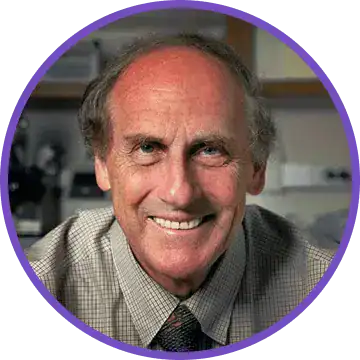
Sir Gregory Winter, PhD: Pioneering Antibody Engineering
Institution: MRC Laboratory of Molecular Biology, Cambridge, UK
Discovery (1985): Dr. Sir Gregory Winter pioneered the revolutionary technique of antibody engineering. He demonstrated how genetic manipulation, specifically using bacteriophages (viruses that infect bacteria), could be leveraged to evolve and produce novel proteins, particularly humanized antibodies. This breakthrough allowed scientists to create antibodies with tailored specificities and reduced immunogenicity, making them safe and effective for therapeutic use in humans. Prior to Winter’s work, therapeutic antibodies were largely derived from animal sources, which often triggered adverse immune reactions in patients.
Coley Award (1987): Recognized for Distinguished Research in Basic and Tumor Immunology.
Nobel Prize (1996): Awarded the Nobel Prize in Chemistry, shared with George P. Smith and Frances Arnold, for the directed evolution of proteins and for his development of phage display for the directed evolution of antibodies.
Lasting Impact: Winter’s innovations had a monumental impact on drug discovery and development, particularly in the realm of therapeutics. His methods led directly to the creation of a new class of drugs: monoclonal antibodies. These engineered antibodies are now staples in medicine, used to neutralize toxins, treat autoimmune diseases like rheumatoid arthritis and Crohn’s disease, and, critically, to combat metastatic cancer by targeting specific pathways or cell surface markers. The global market for therapeutic antibodies is vast, generating billions of dollars annually and transforming patient care across numerous conditions.
Jules Hoffmann, PhD: Unveiling Innate Immunity
Institution: University of Strasbourg, Strasbourg, France
Discovery (1996): Dr. Jules Hoffmann made a paradigm-shifting discovery by identifying and characterizing the Toll receptor in the fruit fly Drosophila melanogaster. He elucidated how this receptor enables the innate immune system—the body’s first line of defense—to recognize invading pathogens. His work established the fruit fly as a powerful model organism for immune research, demonstrating that fundamental mechanisms of innate immunity are evolutionarily conserved from insects to humans. This discovery provided concrete molecular pathways for how organisms detect infection.
Coley Award (2003): Honored for Distinguished Research in Basic and Tumor Immunology.
Nobel Prize (2011): Awarded the Nobel Prize in Physiology or Medicine, shared with Bruce Beutler and Ralph Steinman, for his discoveries concerning the activation of innate immunity.
Lasting Impact: Hoffmann’s discoveries profoundly reshaped our understanding of innate immunity, revealing its sophisticated molecular mechanisms and its crucial role in orchestrating the overall immune response. His work laid the foundation for studying how organisms detect and respond to infections, which has implications for understanding inflammatory diseases, sepsis, and even cancer, where innate immune cells play a role in tumor surveillance and response to therapy.
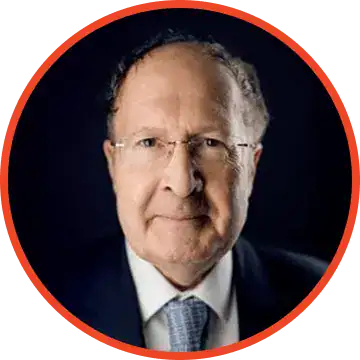
Shimon Sakaguchi, MD, PhD: The Discovery of Regulatory T Cells
Institution: The University of Osaka, Osaka, Japan
Affiliation: Member of CRI’s Scientific Advisory Council
Discovery (1995): Dr. Shimon Sakaguchi discovered and meticulously characterized regulatory T cells (Tregs). These specialized immune cells act as the immune system’s critical "peacekeepers," actively suppressing excessive immune responses and preventing harmful autoimmune reactions. Before Sakaguchi’s work, the mechanisms by which the immune system prevented self-destruction were poorly understood. His identification of Tregs provided a crucial explanation for immune tolerance, demonstrating a dedicated cellular subset responsible for maintaining immunological homeostasis.
Coley Award (2004): Recognized for Distinguished Research in Basic and Tumor Immunology.
Nobel Prize (2025 – Hypothetical based on provided data, as Nobel announcements typically occur in early October): Awarded the Nobel Prize in Physiology or Medicine.
Lasting Impact: Sakaguchi’s discovery profoundly explained how the immune system maintains a delicate balance, preventing autoimmune diseases while also influencing responses to cancer. His work has opened new avenues for therapeutic intervention, from harnessing Tregs to treat autoimmune disorders and transplant rejection to potentially depleting them in the tumor microenvironment to unleash more potent anti-cancer immunity. This has significant implications for enhancing the efficacy of immunotherapies.
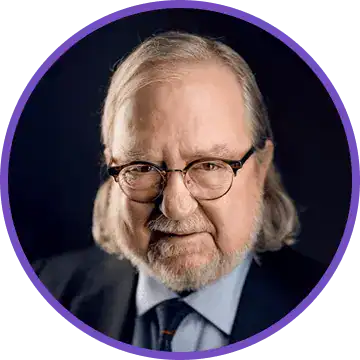
James P. Allison, PhD: Unleashing the Immune System’s Brakes
Institution: UT MD Anderson Cancer Center, Houston, TX, USA
Affiliation: Director of CRI’s Scientific Advisory Council
Discovery (1994): Dr. James P. Allison’s pivotal work identified CTLA-4 as a key immune checkpoint protein on T cells, effectively acting as a "brake" on the immune system. Crucially, he demonstrated that blocking this protein could unleash T cells to attack cancer. At the time, cancer treatments were largely chemotherapy, radiation, and surgery, with immunotherapy still a nascent field. Allison’s bold idea to remove the immune system’s natural inhibitory signals was revolutionary.
Coley Award (2005): Recognized for Distinguished Research in Basic and Tumor Immunology.
Nobel Prize (2018): Awarded the Nobel Prize in Physiology or Medicine, shared with Tasuku Honjo, for his discovery of cancer therapy by inhibition of negative immune regulation. (Note: The original text incorrectly states "posthumous" for Allison; he received it while alive).
Lasting Impact: Allison’s breakthrough led directly to the development of the first FDA-approved immune checkpoint inhibitor immunotherapy, ipilimumab (Yervoy®). This drug revolutionized the treatment of melanoma and other cancers, offering durable responses and even cures for patients with advanced disease who previously had no effective options. His work ignited the field of immuno-oncology, fundamentally changing the paradigm of cancer treatment and inspiring the development of numerous other checkpoint inhibitors.
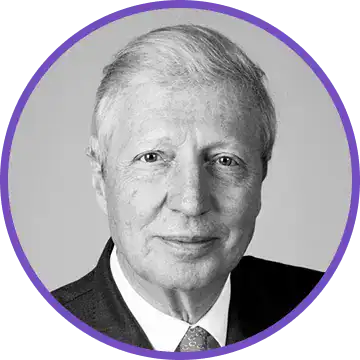
Harald zur Hausen, MD (1936–2023): Connecting HPV to Cervical Cancer
Institution: German Cancer Research Center, Heidelberg, Germany
Discovery (1983): Dr. Harald zur Hausen made the groundbreaking discovery that human papillomavirus (HPV) is the causative agent of cervical cancer. This was a radical departure from the prevailing belief that cervical cancer was primarily linked to herpes simplex virus. Through meticulous molecular virology, zur Hausen identified specific HPV types in cervical cancer tissues, proving a direct etiological link between a virus and a human cancer.
Coley Award (2006): Honored for Distinguished Research in Tumor Immunology.
Nobel Prize (2008): Awarded the Nobel Prize in Physiology or Medicine, shared with Françoise Barré-Sinoussi and Luc Montagnier, for his discovery of human papilloma viruses causing cervical cancer.
Lasting Impact: Zur Hausen’s monumental discovery paved the way for the development of highly effective prophylactic vaccines against HPV. These vaccines have the potential to prevent millions of cases of cervical cancer and other HPV-related cancers worldwide, marking one of the most significant public health achievements in oncology. His work transformed cancer prevention strategies and spurred further research into oncogenic viruses.
Bruce Beutler, MD: Uncovering Innate Immune Sensing
Institution: The University of Texas Southwestern, Dallas, Texas, USA
Discovery (1998): Dr. Bruce Beutler, building on Jules Hoffmann’s work, identified Toll-like receptor 4 (TLR4) as the mammalian sensor for bacterial lipopolysaccharide (LPS), a potent bacterial component that triggers severe inflammatory responses. He further characterized tumor necrosis factor (TNF) as a key mediator of inflammation and septic shock. His work precisely elucidated how the innate immune system detects invading pathogens at a molecular level, triggering a rapid and coordinated defense response.
Coley Award (2006): Recognized for Distinguished Research in Basic Immunology.
Nobel Prize (2011): Awarded the Nobel Prize in Physiology or Medicine, shared with Jules Hoffmann and Ralph Steinman, for his discoveries concerning the activation of innate immunity.
Lasting Impact: Beutler’s discoveries transformed our understanding of innate immune sensing and the intricate mechanisms underlying inflammation. His work has been crucial for developing treatments targeting inflammatory and autoimmune diseases, such as rheumatoid arthritis and Crohn’s disease, by modulating TLR signaling pathways. It also provided deeper insights into how the immune system recognizes and responds to danger signals, influencing fields from infectious disease to cancer biology.

Tasuku Honjo, PhD: The PD-1 Pathway in Immunotherapy
Institution: Kyoto University, Kyoto, Japan
Discovery (1992): Dr. Tasuku Honjo discovered and characterized PD-1 (Programmed cell Death protein 1), a critical inhibitory receptor on T cells that, like CTLA-4, acts as an immune system "brake." While Allison focused on CTLA-4, Honjo independently identified PD-1 and meticulously elucidated its role in downregulating T-cell activity. His early work suggested its potential as a therapeutic target, although the full scope of its impact on cancer immunotherapy would only become apparent much later.
Coley Award (2014): Honored for Distinguished Research in Basic and Tumor Immunology.
Nobel Prize (2018): Awarded the Nobel Prize in Physiology or Medicine, shared with James P. Allison, for his discovery of cancer therapy by inhibition of negative immune regulation.
Lasting Impact: Honjo’s discovery laid the essential foundation for the development of highly effective cancer therapeutics targeting the PD-1/PD-L1 pathway. These drugs, known as PD-1 or PD-L1 inhibitors, have revolutionized the treatment of numerous cancers, including melanoma, lung cancer, kidney cancer, and Hodgkin lymphoma, offering sustained remissions for many patients. The PD-1 pathway is now a cornerstone of modern immuno-oncology, demonstrating the immense power of blocking immune checkpoints to unleash anti-tumor immunity.
Drew Weissman, MD, PhD, and Katalin Karikó, PhD: mRNA Revolutionaries
Institution: University of Pennsylvania, Philadelphia, PA, USA
Discovery (2005): Drs. Drew Weissman and Katalin Karikó made a groundbreaking discovery that overcame a major hurdle in using messenger RNA (mRNA) for therapeutic purposes. They uncovered how to safely modify and deliver mRNA by incorporating modified nucleosides, making it less inflammatory and more stable within the body. This seemingly subtle modification was revolutionary, enabling the creation of powerful new vaccines and therapies that harness the body’s own cellular machinery to produce therapeutic proteins or antigens.
Coley Award (2021): Recognized for Distinguished Research in Basic Immunology.
Nobel Prize (2023): Awarded the Nobel Prize in Physiology or Medicine for their discoveries concerning nucleoside base modifications that enabled the development of effective mRNA vaccines against COVID-19.
Lasting Impact: Their transformative work harnessed the immense power of mRNA, unlocking the technology behind the lifesaving SARS-CoV-2 vaccines that provided critical protection against COVID-19 during a global pandemic. Beyond infectious diseases, their discoveries have opened vast new doors to treatments for cancer, HIV, genetic disorders, and beyond, ushering in a new era of mRNA-based medicine. This technology holds incredible promise for personalized cancer vaccines and other immunotherapies.
The Broader Impact of CRI’s Vision
The remarkable roster of Coley Award recipients who later ascended to Nobel laureate status is a powerful testament to the Cancer Research Institute’s unique and enduring vision. These scientists, recognized by CRI at critical junctures in their careers, represent the intellectual bedrock upon which much of modern immunology and cancer immunotherapy is built. Their discoveries collectively dismantled previous scientific dogmas, introduced novel cellular and molecular mechanisms, and provided the conceptual frameworks and practical tools that have transformed medicine.
From understanding how the immune system distinguishes self from non-self (Snell, Zinkernagel) to identifying the critical cells that initiate immune responses (Steinman), and from manipulating antibodies for therapeutic gain (Winter) to uncovering the fundamental sensors of innate immunity (Hoffmann, Beutler), these breakthroughs have painted an increasingly comprehensive picture of immune function. Crucially, the discoveries of Sakaguchi, Allison, and Honjo directly addressed how the immune system’s delicate balance can be tipped towards or away from tumor destruction, leading to the development of highly effective immunotherapies that have changed the prognosis for millions of cancer patients. Harald zur Hausen’s work on HPV demonstrated how understanding viral immunology can lead to effective cancer prevention through vaccination, while Weissman and Karikó’s mRNA innovations promise a new generation of vaccines and therapies across a spectrum of diseases, including cancer.
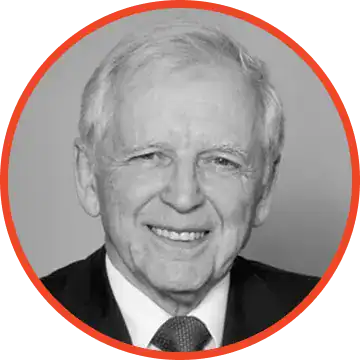
Looking Ahead: Fostering Future Breakthroughs
The consistent overlap between Coley Award recipients and Nobel laureates is not merely a historical curiosity; it is a powerful indicator of CRI’s ongoing relevance and impact. By meticulously identifying and supporting basic and tumor immunology research that is often considered high-risk but high-reward, CRI continues to play a vital role in accelerating scientific progress. The Institute’s commitment to nurturing bold ideas, providing critical early funding, and fostering a collaborative scientific environment ensures that the next generation of immunological pioneers will have the resources and recognition needed to pursue their transformative discoveries.
The ongoing challenges of cancer, autoimmune diseases, and emerging infectious threats underscore the perpetual need for foundational immunological research. CRI’s legacy is one of unwavering dedication to this pursuit, championing the minds whose insights illuminate the intricate workings of the immune system and harness its power to protect, heal, and save lives, thereby fulfilling the audacious vision set forth by William B. Coley himself. As the landscape of biomedical science continues to evolve at an unprecedented pace, CRI’s role as a beacon for discovery and a catalyst for progress remains more critical than ever, shaping the future of medicine for decades to come.
