
 By admin
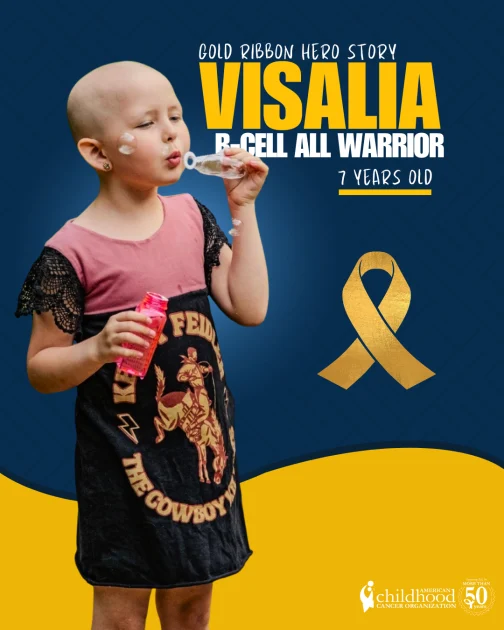
The intersection of familial grief and a sudden medical crisis has highlighted the profound challenges faced by pediatric oncology patients and their families, as seen in the recent case of Visalia, a seven-year-old girl currently undergoing treatment for B-Cell Acute Lymphoblastic Leukemia (ALL). Diagnosed just four days before her sixth birthday, Visalia’s journey began under the shadow of a significant personal loss, having lost her grandfather to cancer only three weeks prior to her own diagnosis. This confluence of events underscores not only the medical complexities of childhood leukemia but also the psychological and logistical burdens placed on families navigating the American healthcare system during times of acute crisis.
The Clinical Onset and Emergency Intervention
The path to diagnosis for Visalia was marked by subtle symptomatic shifts that were initially attributed to the emotional distress of bereavement. Following the death of her grandfather, Visalia exhibited signs of lethargy and physical instability, including frequent falls and general weakness. In pediatric medicine, these symptoms can often be non-specific, leading parents and caregivers to associate them with psychological factors such as depression or grief. However, as the physical manifestations intensified, her mother, Erin, sought a consultation with a primary care physician.
The diagnostic process escalated rapidly when clinical observations suggested a severe underlying hematological condition. Recognizing the potential for a life-threatening malignancy, the primary care physician coordinated an emergency life-flight to a specialized children’s hospital located four hours away from their home. This immediate transition from a local clinic to an intensive care environment is a common, yet jarring, experience for many families in rural or semi-rural areas where specialized pediatric oncology services are unavailable.
During the emergency transport, medical personnel informed the family that the preliminary diagnosis was leukemia. The shock of this news, delivered mid-flight, represents a pivotal moment of trauma for the family. In the context of pediatric oncology, the speed at which a child transitions from "healthy" to "critically ill" is one of the most significant stressors for parents, often leading to a state of acute crisis intervention.
Understanding B-Cell Acute Lymphoblastic Leukemia
B-Cell Acute Lymphoblastic Leukemia (ALL) is a type of cancer that affects the white blood cells, specifically the B-lymphocytes, which are essential for the body’s immune response. In patients with ALL, the bone marrow produces an overabundance of immature white blood cells, known as lymphoblasts. these cells are incapable of functioning correctly and crowd out healthy red blood cells, white blood cells, and platelets.
According to data from the National Cancer Institute (NCI) and the American Cancer Society, ALL is the most common form of cancer diagnosed in children, representing approximately 25% of all pediatric cancer cases. While the five-year survival rate for pediatric ALL has seen remarkable improvement—now exceeding 90% due to advancements in multi-agent chemotherapy—the treatment regimen remains one of the most intensive and prolonged in the field of medicine.
The B-cell subtype is characterized by the malignant transformation of B-lineage progenitor cells. Treatment typically spans two to three years and is divided into several distinct phases: induction, consolidation (intensification), and maintenance. Each phase carries specific risks, including immunosuppression, neurotoxicity, and significant physical fatigue.
The Rigors of the Treatment Protocol
Upon arrival at the children’s hospital, Visalia’s medical team initiated a standard but aggressive protocol designed to achieve rapid remission. This included the surgical implantation of a port-a-cath, a device placed under the skin to allow for frequent blood draws and the administration of chemotherapy without the need for repeated needle sticks in the arms.
The diagnostic and monitoring process for ALL requires frequent bone marrow biopsies and lumbar punctures. A bone marrow biopsy involves extracting a small sample of bone marrow to assess the percentage of leukemic blasts, which is the primary metric for determining the success of the induction phase. Lumbar punctures, or spinal taps, are performed to check for the presence of leukemia cells in the cerebrospinal fluid and to administer "intrathecal" chemotherapy directly into the central nervous system, a preventative measure to ensure the cancer does not spread to the brain or spinal cord.
For a six-year-old child, these procedures—while medically necessary—are invasive and require significant emotional support. The integration of Child Life Specialists in pediatric hospitals is crucial in these instances, as they use age-appropriate education and play therapy to help children like Visalia cope with the physical and psychological demands of their treatment.
The Intersection of Grief and Medical Trauma
Visalia’s case is particularly complex due to the "double trauma" of losing a close relative followed by a life-threatening diagnosis. Psychological studies on pediatric oncology families indicate that the mental health of the caregiver is a primary predictor of the child’s ability to cope. Erin, Visalia’s mother, described the sensation of the diagnosis as "falling from the plane," a metaphor that captures the sudden loss of stability and the overwhelming nature of the situation.
The healthcare team must manage not only the child’s physiological state but also the family’s emotional processing. When a family is already in a state of mourning, their capacity to absorb complex medical information and make rapid decisions can be compromised. This necessitates a multidisciplinary approach involving social workers, psychologists, and palliative care teams who specialize in family-centered care.
Geographic and Economic Implications of Pediatric Oncology
The four-hour life-flight required for Visalia highlights a significant disparity in access to pediatric specialty care. According to the Association of American Medical Colleges (AAMC), pediatric subspecialists are often concentrated in urban academic medical centers. For families living in rural areas, a cancer diagnosis necessitates significant travel, resulting in what experts call "financial toxicity."
Financial toxicity refers to the cumulative economic burden of cancer treatment, including travel expenses, lost wages from missed work, and out-of-pocket medical costs. For Visalia’s family, the logistics of a four-hour distance mean that maintaining a normal home life while ensuring the child receives top-tier care is a constant balancing act. Support organizations like the American Childhood Cancer Organization (ACCO) play a vital role in providing resources and advocacy to help families navigate these structural challenges.
Resilience Through Creativity: The Role of the Arts in Healing
Despite the grueling nature of her treatment, Visalia has utilized creative outlets as a form of resilience. Reports from her family and care team describe her as a "ray of sunshine" who engages in crafting and drawing daily. In clinical settings, art therapy is recognized as a legitimate therapeutic intervention that can reduce cortisol levels, alleviate pain perception, and provide a sense of agency to patients who have very little control over their physical environment.
By focusing on creativity, Visalia is able to maintain a sense of identity that is separate from her identity as a "cancer patient." This psychological distinction is vital for long-term recovery and mental health. Her ability to inspire those around her is a testament to the human spirit’s capacity to find joy even within the confines of a hospital room.
Broader Implications for Pediatric Cancer Research
The story of Visalia is a microcosm of the thousands of children diagnosed with leukemia each year. While survival rates are high, the long-term effects of current treatments remain a concern for the medical community. Survivors of childhood ALL often face "late effects," which can include cardiovascular issues, secondary malignancies, and cognitive challenges resulting from intensive chemotherapy.
Current research is shifting toward "precision medicine," which involves tailoring treatments based on the genetic mutations of the specific cancer cells. This approach aims to maximize efficacy while minimizing the toxicity of the treatment. Furthermore, immunotherapy, such as CAR T-cell therapy, has emerged as a revolutionary option for patients who do not respond to traditional chemotherapy, offering hope for even the most difficult cases.
Conclusion: A Call for Continued Advocacy and Support
Visalia’s journey from a sudden emergency flight to her current status as a "warrior" against B-Cell ALL serves as a powerful reminder of the vulnerabilities and strengths of the pediatric patient population. Her case illustrates the necessity of early detection, the importance of specialized pediatric facilities, and the critical need for a robust support network for families.
As Visalia continues her treatment, the focus remains on her resilience and the creative spirit that defines her. However, her story also serves as a call to action for increased funding and awareness. Organizations like the ACCO emphasize that "kids can’t fight cancer alone," highlighting the collective responsibility of the medical community, policymakers, and the public to ensure that every child has the resources necessary to survive and thrive following a diagnosis.
The path forward for Visalia and children like her is paved with both medical challenges and the hope provided by ongoing scientific advancement. By sharing these stories, the global community gains a deeper understanding of the realities of childhood cancer, fostering an environment where research and compassion work in tandem to rewrite the future of pediatric oncology.
