
 By Nana O
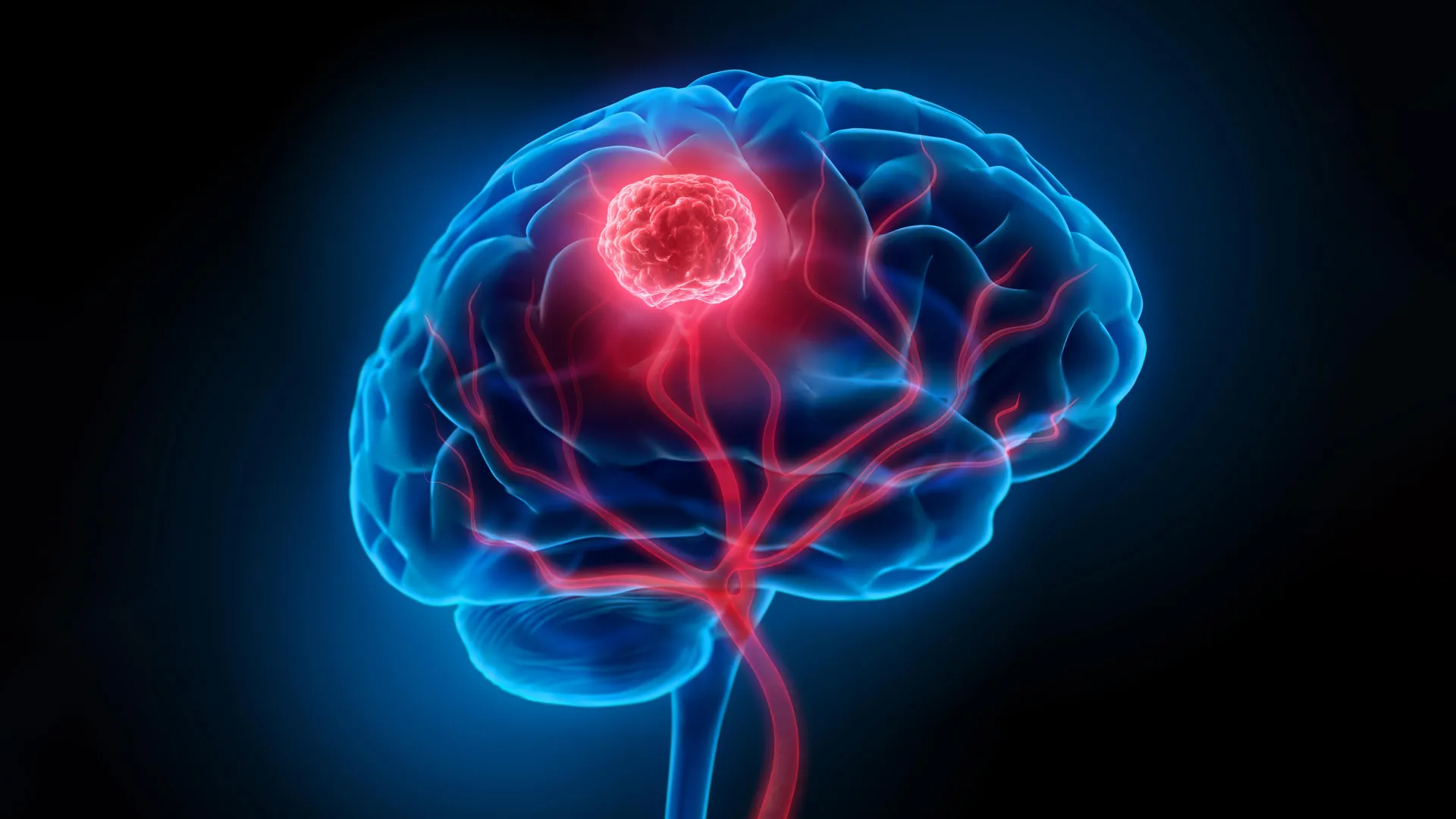
Glioblastoma, the most aggressive and devastating form of brain cancer, has long presented a formidable challenge to medical science. Its insidious nature, characterized by diffuse infiltration into surrounding brain tissue and a robust defense mechanism known as the blood-brain barrier, has historically rendered complete surgical removal exceptionally difficult and limited the efficacy of conventional treatments like chemotherapy and radiotherapy. Consequently, the five-year survival rate for glioblastoma patients remains tragically low, hovering around a mere 7 percent. However, a significant breakthrough from a collaborative effort between researchers at the University of Technology Sydney (UTS), Harvard University, and Henan University promises to alter this grim prognosis. Their development of a novel, dual-action nanozyme platform, detailed in the prestigious journal Science Translational Medicine, offers a sophisticated, single-system approach to simultaneously address the critical obstacles in treating this formidable disease.
The Dual-Threat Nanoparticle: A Sequential Masterpiece
At the heart of this innovative technology lies a meticulously engineered, atomically thin, two-dimensional sheet. This material, constructed using a method adapted from advanced semiconductor manufacturing, possesses the remarkable ability to transition between two distinct, yet complementary, roles. This sequential functionality is the key to its potential to revolutionize glioblastoma treatment.
"We’ve engineered a single material that does two jobs in sequence," explained Dr. Bingyang Shi, Chair Professor of nanomedicine at UTS’s School of Electrical, Mechanical and Biomedical Engineering, and a lead author on the study. "It’s a precise guide for the surgeon during the operation, and then a targeted clean-up treatment afterward." This elegant design addresses the core limitations that have plagued glioblastoma therapy for decades.
The dual-functionality of the nanoparticle platform is activated by near-infrared light, a wavelength that penetrates biological tissues effectively and is invisible to the naked eye. This shared activation mechanism streamlines the treatment process and enhances its precision.
Enhancing Surgical Precision: Illuminating the Unseen
The first critical function of the nanoparticle platform is its role as a highly sensitive intraoperative imaging agent. During surgery, the material, adorned with a specially engineered fluorescent dye, emits a discernible glow when exposed to near-infrared light. This allows surgeons to visualize even the most minute clusters of cancer cells, as small as 44 micrometers. This level of resolution significantly surpasses the capabilities of current clinical imaging tools, enabling a more comprehensive and accurate resection of the tumor.
Furthermore, the nanoparticles are equipped with a targeting molecule that actively facilitates their passage across the blood-brain barrier. This is a crucial advancement, as the blood-brain barrier typically impedes the delivery of therapeutic agents to the brain. Once across, these targeting molecules ensure that the nanoparticles preferentially accumulate within glioma cells, the specific type of cells that comprise glioblastoma.
"During surgery, it functions as a highly sensitive imaging agent," Professor Shi elaborated. "A fluorescent dye engineered onto the sheet glows under a near-infrared wavelength invisible to the naked eye, allowing surgeons to see individual tumor cell clusters as small as 44 micrometers, a resolution beyond current clinical imaging tools. A targeting molecule attached to the material also helps it cross the blood-brain barrier and accumulate specifically in glioma cells." This enhanced visibility and targeted accumulation directly address the challenge of microscopic tumor spread, allowing surgeons to identify and remove tumor margins with unprecedented accuracy.
Post-Operative Intervention: Eradicating Residual Cancer Cells
Following the visible tumor’s removal, the same nanoparticle platform transitions to its second, therapeutic role. Administered into the surgical cavity, the nanoparticles are again activated by near-infrared light. This activation triggers a cascade of events designed to eliminate any microscopic cancer cells that may have escaped the surgeon’s scalpel.
The platinum atoms embedded within the nanoparticle structure play a pivotal role in this post-operative phase. They act as nanozymes, converting the tumor’s own hydrogen peroxide into oxygen. This process is vital because glioblastoma tumors often create a hypoxic (low-oxygen) microenvironment, which shields cancer cells from treatment and promotes their survival and proliferation. By generating oxygen, the nanoparticles counteract this protective shield, rendering the remaining cancer cells more vulnerable.
Simultaneously, the near-infrared light activates the nanoparticles to generate localized heat and reactive oxygen species (ROS). These highly reactive molecules are potent cytotoxins, capable of destroying microscopic cancer cells that were undetectable during surgery. This targeted phototherapy ensures that residual disease, the primary driver of tumor recurrence, is aggressively targeted and eliminated.
"After the visible tumor is removed, the same material is administered into the surgical cavity and reactivated with the same wavelength of light for postoperative phototherapy," Professor Shi stated. "The platinum atoms convert the tumor’s own hydrogen peroxide into oxygen, counteracting the low-oxygen environment that normally shields cancer cells from treatment, while the light simultaneously generates heat and reactive molecules that destroy microscopic cancer cells that surgery could not reach." This two-pronged therapeutic attack—oxygenation and direct cellular damage—represents a significant leap forward in combating the insidious nature of glioblastoma recurrence.
Addressing the Specter of Recurrence: A New Paradigm in Treatment
The relentless challenge of glioblastoma recurrence has been a constant source of despair for patients and oncologists alike. Even with meticulous surgical resection, microscopic cancer cells inevitably remain, lying dormant until they eventually proliferate and lead to a fatal resurgence of the tumor. The dual-action nanoparticle platform is specifically designed to confront this critical issue head-on.
The preclinical studies conducted by the research team have yielded remarkably promising results in addressing this challenge. In mouse models of glioblastoma, the nanoparticle treatment demonstrated a significant reduction in tumor recurrence following surgery. Notably, all mice that received the nanoparticle therapy were alive at the 60-day mark, a substantial improvement compared to the 42-day survival observed in mice that underwent surgery alone. This suggests a profound impact on extending survival by effectively clearing residual disease.
Furthermore, extensive follow-up testing in these animal models revealed no detectable neurological or motor impairments associated with the treatment. This indicates a favorable safety profile, a crucial factor for any potential human therapy. The ability to enhance treatment efficacy without inducing significant side effects would be a monumental achievement in the management of a disease that already carries a heavy burden of neurological deficits.
The Road Ahead: From Bench to Bedside
While the findings are undeniably exciting, the researchers are quick to emphasize that this technology is still in its early stages of development. The promising results have thus far been observed exclusively in animal models, and the transition to human clinical trials is a complex and lengthy process.
"The results are very encouraging, but this is still early-stage research carried out in mouse models, not in people—and that distinction is important," Professor Shi cautioned. "Its imaging and therapeutic performance will also need to be confirmed at the scale of a human brain." The anatomical differences and physiological complexities of the human brain, compared to that of a mouse, necessitate rigorous validation.
The research team is now focused on further refining the nanoparticle platform and conducting comprehensive preclinical safety and efficacy studies. The next critical step will involve securing regulatory approval to commence human clinical trials. If the technology continues to demonstrate its efficacy and safety in larger-scale studies, the implications for glioblastoma patients could be transformative.
Broader Impact and Future Implications
The development of this dual-function nanoparticle platform represents a significant stride in the ongoing battle against one of the most intractable cancers. Its innovative approach tackles the fundamental limitations of glioblastoma treatment: incomplete surgical removal and the formidable blood-brain barrier.
The potential for surgeons to visualize and remove more of the tumor during an operation, coupled with the ability to precisely target and eliminate residual microscopic cancer cells afterward, offers a realistic pathway towards significantly reducing tumor recurrence. This could translate into longer survival times and improved quality of life for glioblastoma patients.
Beyond glioblastoma, the principles behind this nanozyme platform—sequential dual functionality, precise targeting, and light-activated therapeutic mechanisms—could potentially be adapted to treat other challenging cancers or neurological conditions. The ability to precisely deliver therapeutic agents and activate them locally, while minimizing off-target effects, is a highly sought-after capability in modern medicine.
The collaborative nature of this research, bringing together expertise from different institutions and disciplines, underscores the power of interdisciplinary science in driving medical innovation. The journey from laboratory discovery to clinical application is often arduous, but the potential rewards, as demonstrated by this groundbreaking work, are immense. This nanoparticle platform, born from a deep understanding of the disease’s complexities, offers a tangible beacon of hope for a future where glioblastoma may no longer be an insurmountable foe.
