
 By admin
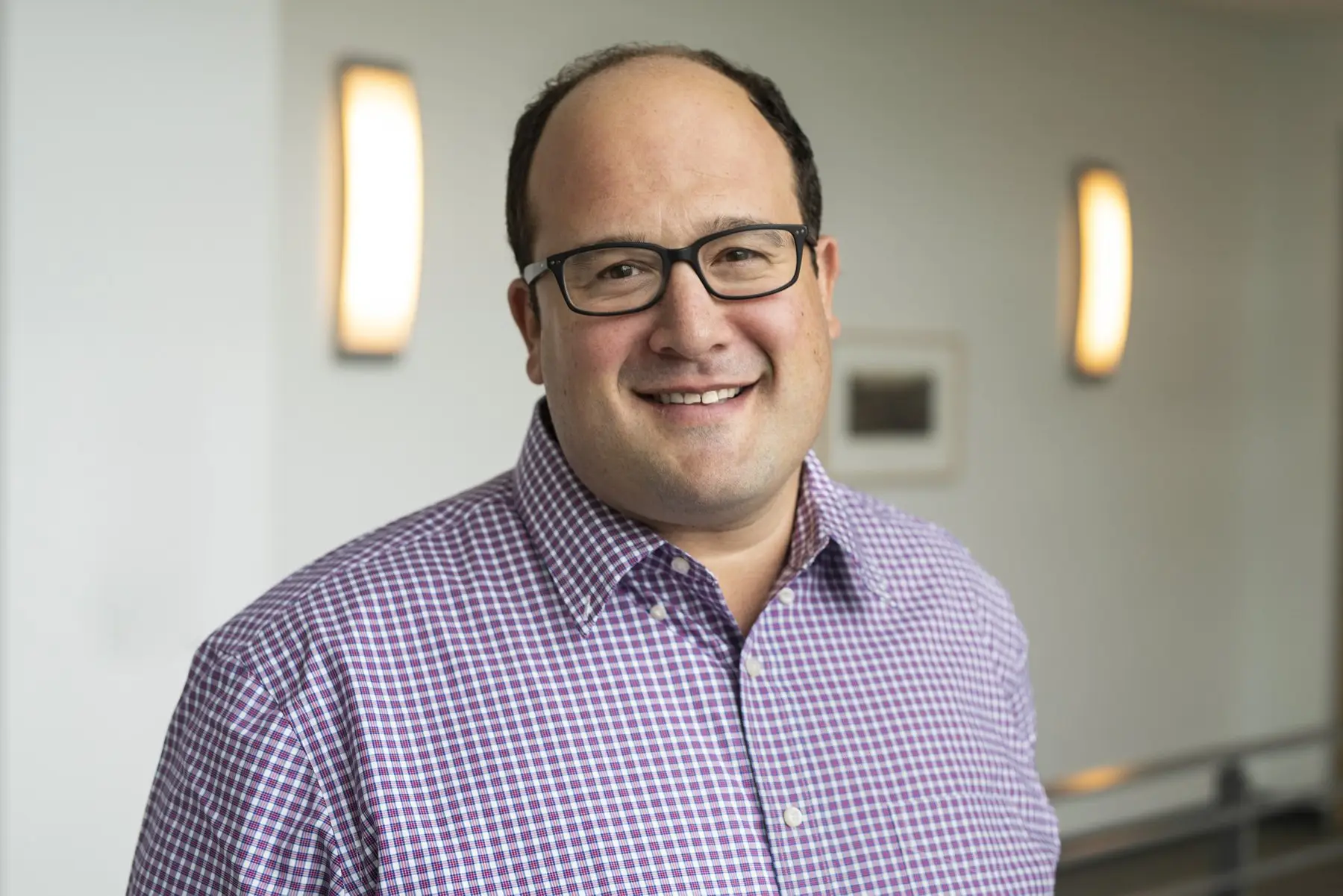
CureSearch for Children’s Cancer has officially designated Dr. Robbie Majzner of the Dana-Farber Cancer Institute as the recipient of the 2026 CureSearch Catapult Award, a $2 million grant designed to propel a breakthrough immunotherapy into clinical application. This substantial investment, co-funded by the Jeff Gordon Children’s Foundation, is earmarked for a Phase I clinical trial of a novel Chimeric Antigen Receptor (CAR) T-cell therapy specifically engineered to combat relapsed or refractory neuroblastoma. By targeting the "translational gap" that often prevents laboratory discoveries from reaching the bedside, the award provides the necessary infrastructure to test a therapy that could redefine the prognosis for children facing one of the most aggressive forms of pediatric cancer.
The Biological Challenge of Neuroblastoma and Current Clinical Limitations
Neuroblastoma is a malignancy of the sympathetic nervous system, typically originating in the adrenal glands or the paraspinal sympathetic ganglia. It remains the most common extracranial solid tumor in childhood and is a significant contributor to pediatric mortality, accounting for roughly 10% to 15% of all childhood cancer deaths. While low-risk cases often respond well to surgery or observation, high-risk neuroblastoma—characterized by MYCN gene amplification or advanced age at diagnosis—presents a formidable challenge.
Despite intensive multimodal treatment regimens involving high-dose chemotherapy, surgery, radiation, and autologous stem cell transplantation, the five-year survival rate for high-risk patients remains stubbornly below 50%. Furthermore, for those who do achieve remission, the risk of relapse is high, and the prognosis for relapsed neuroblastoma is devastatingly poor, with very few standardized curative options available. Beyond the mortality statistics, the survivors of current treatments often endure lifelong morbidity, including hearing loss, cardiac dysfunction, and secondary malignancies, underscoring the urgent need for targeted, less toxic interventions like immunotherapy.
The Evolution of CAR T-Cell Therapy in Solid Tumors
CAR T-cell therapy has revolutionized the treatment of hematologic malignancies, such as B-cell acute lymphoblastic leukemia (ALL) and certain lymphomas. By genetically modifying a patient’s T-cells to express a receptor that recognizes a specific protein on cancer cells, scientists have been able to achieve durable remissions in patients who had previously failed all other therapies. However, replicating this success in solid tumors, including neuroblastoma, has proven exceptionally difficult.
One of the primary hurdles in treating solid tumors with CAR T-cells is the hostile tumor microenvironment. Unlike blood cancers, solid tumors are often protected by physical barriers and immunosuppressive signals that "exhaust" the T-cells, causing them to lose their efficacy shortly after administration. In previous trials targeting GD2—a sugar-fat molecule (ganglioside) highly expressed on the surface of neuroblastoma cells—CAR T-cells frequently failed to persist long enough to eradicate the tumor. While the cells could identify the GD2 target, they would quickly become dysfunctional, leading to disease progression.
Engineering a More Resilient T-Cell: The ZAP70 Innovation
Dr. Robbie Majzner and his research team have spent years investigating the molecular mechanisms of T-cell exhaustion to find a solution to this persistence problem. Their breakthrough involves a fundamental redesign of the CAR architecture. Traditional CARs utilize a signaling domain called CD3-zeta, which provides the initial "spark" to activate the T-cell. However, this signaling can be too intense or unregulated, leading to rapid cellular fatigue.
The new therapy funded by the Catapult Award incorporates a novel signaling protein known as ZAP70. By integrating ZAP70 directly into the CAR structure, the researchers have created a more "natural" signaling cascade that mimics how a T-cell normally responds to a virus or bacteria. In preclinical models, this redesigned CAR architecture demonstrated a superior ability to remain active over extended periods. These "next-generation" T-cells resisted exhaustion, maintained their proliferative capacity, and showed significantly stronger anti-tumor activity compared to traditional GD2-targeted therapies.
Furthermore, the preclinical data suggests a potentially improved safety profile. Immunotherapy can sometimes trigger severe side effects, such as cytokine release syndrome (CRS) or neurotoxicity. By modulating the signaling strength through ZAP70, the team aims to achieve a therapeutic window that maximizes cancer-killing potential while minimizing systemic toxicity to the patient.
The Catapult Award: Navigating the Translational Gap
The transition from a successful laboratory experiment to a human clinical trial is often referred to in the scientific community as the "Valley of Death." This phase is characterized by high costs, complex regulatory requirements, and a lack of traditional venture capital interest, particularly in the niche field of pediatric oncology. The CureSearch Catapult Award was specifically established to bridge this gap.
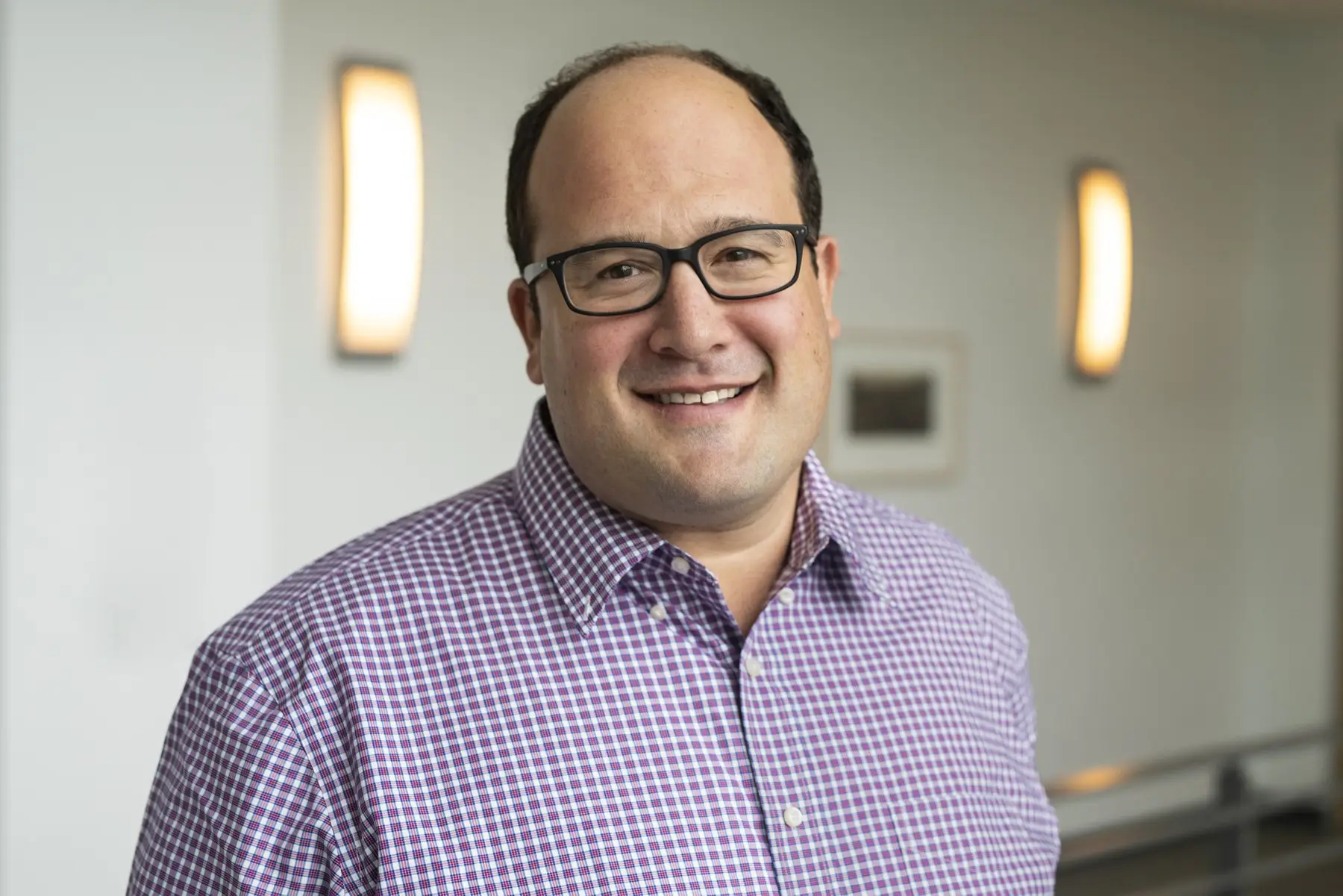
By providing $2 million in funding, CureSearch and the Jeff Gordon Children’s Foundation are enabling Dr. Majzner to navigate the rigorous requirements of the Food and Drug Administration (FDA) for a Phase I trial. This includes the manufacturing of clinical-grade viral vectors, the processing of patient cells in specialized "clean room" facilities, and the intensive monitoring of participants.
The Phase I trial will focus on children and young adults with relapsed or refractory neuroblastoma, a population with virtually no remaining standard-of-care options. The primary objectives of the study are to assess the safety and tolerability of the ZAP70-modified GD2 CAR T-cells and to determine the optimal dosage. Secondary objectives will include measuring the persistence of the cells in the patient’s bloodstream and assessing preliminary anti-tumor responses through advanced imaging and bone marrow biopsies.
Stakeholder Perspectives and Collaborative Philanthropy
The announcement of the award has drawn praise from across the pediatric oncology community, highlighting the importance of collaborative funding models. Dr. Paisley Myers, Senior Director of Research & Programs at CureSearch, emphasized the organization’s commitment to high-impact science.
"One of the greatest challenges in pediatric cancer research is ensuring that promising discoveries reach children," Dr. Myers stated. "Through the Catapult Award, CureSearch helps move innovative therapies from the laboratory into clinical trials. Dr. Majzner’s work exemplifies the bold, high-potential research we were created to support, and we’re proud to help bring this promising therapy closer to children with neuroblastoma."
Dr. Majzner, who recently transitioned to the Dana-Farber Cancer Institute to continue his work in pediatric immunotherapy, noted the transformative nature of the grant. "Current GD2 CAR T-cells only work in patients with small amounts of disease. We’ve designed a brand-new CAR architecture that breaks past limitations to success in lab models, and this trial will allow us to bring this advanced therapy to the children who need it most," said Dr. Majzner. "The CureSearch Catapult Award is vital to our mission; it gives us the momentum to catapult this science out of the lab and directly to the forefront of patient care."
The involvement of the Jeff Gordon Children’s Foundation also highlights the role of private philanthropy in driving medical progress. Since its inception, the foundation has focused on improving access to less toxic treatments for children, recognizing that pediatric cancers require specialized research distinct from adult oncology.
Broader Implications for the Future of Cancer Treatment
While the immediate focus of Dr. Majzner’s trial is neuroblastoma, the implications of this research extend far beyond a single disease. The GD2 molecule is not unique to neuroblastoma; it is also expressed in other difficult-to-treat pediatric cancers, including osteosarcoma (a bone cancer) and certain high-grade gliomas (brain tumors) like Diffuse Intrinsic Pontine Glioma (DIPG). If the ZAP70-modified CAR T-cells prove successful in this trial, the platform could be adapted to treat a wide range of GD2-expressing solid tumors.
Furthermore, the innovation in CAR architecture—moving toward more refined signaling pathways to prevent exhaustion—offers a blueprint for the broader field of immunotherapy. Researchers working on adult solid tumors, such as lung, breast, or pancreatic cancer, are watching these pediatric trials closely, as the lessons learned in the "exhaustion-resistant" T-cells of children may eventually inform the next generation of adult cancer treatments.
As the Phase I trial prepares to enroll its first participants, the medical community remains cautiously optimistic. The journey from a laboratory concept to a life-saving treatment is long and fraught with challenges, but the strategic investment by CureSearch provides a critical lifeline. By focusing on the most difficult-to-treat cases and utilizing the most advanced genetic engineering available, this initiative represents a significant step toward a future where a neuroblastoma diagnosis is no longer a devastating prognosis, but a treatable condition.
The trial is expected to commence in the coming months at Dana-Farber Cancer Institute and potentially other collaborating sites, offering a new beacon of hope for families who have exhausted all other medical avenues. Through the synergy of rigorous science, strategic funding, and clinical expertise, the 2026 Catapult Award aims to turn the tide against pediatric solid tumors.
