
 By Billy Candra
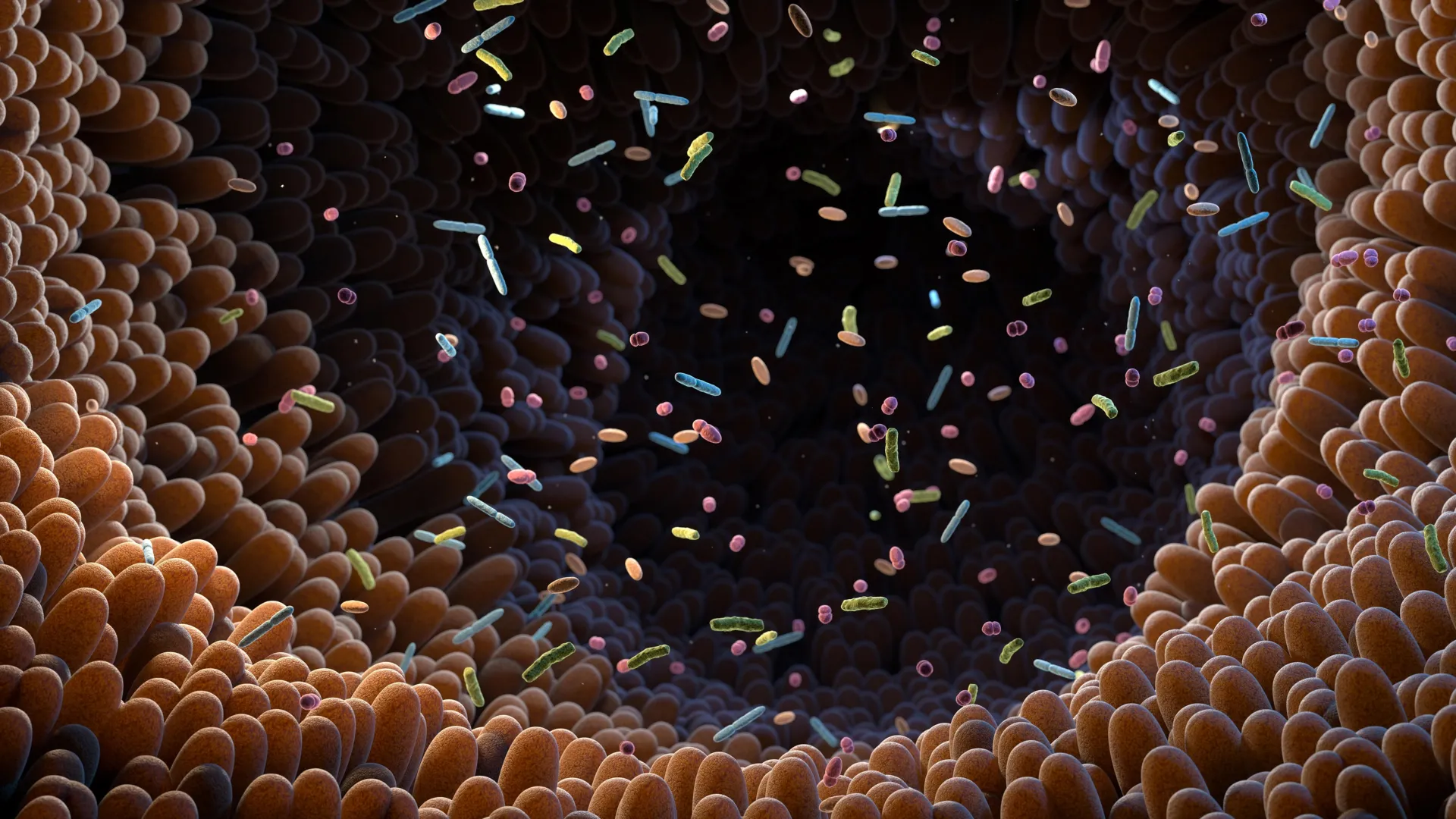
Cardiovascular diseases claim nearly 20 million lives each year, making them the leading cause of death worldwide. This staggering figure underscores a global health crisis that transcends demographics, impacting individuals and healthcare systems alike. While traditional risk factors such as genetics, diet, smoking, sedentary lifestyles, hypertension, diabetes, and high cholesterol have long been established as primary drivers of heart health, scientific understanding is continuously evolving. A burgeoning field of research is now shedding light on an unexpected yet profoundly influential factor: the trillions of microorganisms residing within the human gut. These microscopic inhabitants, collectively known as the gut microbiome, appear to be deeply involved in the development and progression of coronary artery disease (CAD), the most common form of heart disease, though their exact roles and the intricate mechanisms of their influence have long remained elusive.
The journey to comprehending the gut microbiome’s intricate connection to cardiovascular health represents a significant paradigm shift in medical science. For decades, the focus was predominantly on macro-level physiological processes and genetic predispositions. However, as advanced molecular techniques have emerged, researchers have begun to peer into the microscopic world within us, revealing a complex ecosystem with far-reaching systemic effects. Early indications suggested that gut microbes influence inflammation and metabolism, two critical pathways known to impact arterial health and contribute to atherosclerosis – the hardening and narrowing of arteries that characterizes CAD. Yet, pinpointing which specific bacterial species are responsible for these effects, and precisely how they contribute to disease progression, has been a formidable challenge, requiring high-resolution investigative methods.
The Global Burden of Cardiovascular Disease: A Persistent Challenge
Cardiovascular diseases, encompassing conditions like heart attack, stroke, heart failure, and coronary artery disease, represent a multifaceted global health crisis. According to the World Health Organization (WHO), CVDs are responsible for approximately 32% of all global deaths, with an estimated 17.9 million people dying from them each year. This figure is projected to rise, placing immense pressure on healthcare infrastructures and economies worldwide. In the United States alone, CAD is the most common type of heart disease, affecting an estimated 18.2 million adults aged 20 and older. The direct and indirect costs associated with CVDs are astronomical, reaching hundreds of billions of dollars annually in many developed nations, covering medical services, medications, and lost productivity. The severity of this challenge has driven relentless pursuit of deeper understanding and more effective preventive and therapeutic strategies.
The Enigmatic Gut Microbiome: A Hidden Player in Human Health
The human gut is home to an astonishing array of microorganisms – bacteria, viruses, fungi, and archaea – outnumbering human cells by a factor of 10 to one and collectively weighing up to 2 kilograms. This complex community, the gut microbiome, plays a crucial role in numerous physiological processes vital for human health. Its functions extend far beyond simple digestion, encompassing nutrient absorption, vitamin synthesis (such as K and B vitamins), metabolism of dietary compounds, detoxification of harmful substances, and the maturation and regulation of the immune system. A balanced and diverse gut microbiome is often associated with good health, while imbalances, known as dysbiosis, have been linked to a growing list of conditions, including inflammatory bowel disease, obesity, diabetes, neurological disorders, and increasingly, cardiovascular disease. The composition of this microbial ecosystem is highly dynamic, influenced by diet, lifestyle, antibiotic use, environmental exposures, and genetics, making it a powerful yet malleable target for intervention.
Unraveling the Heart-Gut Axis: A New Frontier in Cardiology
The concept of a "heart-gut axis" has emerged as a critical area of investigation, highlighting the bidirectional communication between the gut microbiome and the cardiovascular system. This communication primarily occurs through microbial metabolites. When gut bacteria break down dietary components, particularly certain amino acids (like L-carnitine and phosphatidylcholine) found in red meat and dairy, they produce intermediate compounds like trimethylamine (TMA). This TMA is then absorbed into the bloodstream and transported to the liver, where it is converted into trimethylamine N-oxide (TMAO). Elevated levels of TMAO have been consistently associated with an increased risk of atherosclerosis, heart attack, stroke, and heart failure. Conversely, other beneficial gut bacteria produce short-chain fatty acids (SCFAs) such as butyrate, propionate, and acetate, through the fermentation of dietary fibers. SCFAs are known to have anti-inflammatory properties, improve gut barrier integrity, and may play a protective role in cardiovascular health by modulating blood pressure and cholesterol metabolism. The intricate balance between these pro-atherogenic and protective metabolites is a key determinant of cardiovascular risk, underscoring the profound impact of gut microbial activity.
Pioneering Research from Seoul: Mapping Microbial Pathways in CAD
In a significant stride towards unraveling this complex mystery, researchers in Seoul have made groundbreaking discoveries. Writing in the journal mSystems, a distinguished team led by Dr. Han-Na Kim, Ph.D., from the Samsung Advanced Institute for Health Sciences and Technology at Sungkyunkwan University, has embarked on a mission to understand the intricate interactions between gut microbes and the cardiovascular system. "We’ve gone beyond merely identifying ‘which bacteria live there’ to uncovering what they actually do in the heart-gut connection," Dr. Kim explained, emphasizing the functional depth of their investigation. This shift from mere taxonomic identification to functional characterization represents a critical advancement in microbiome research, moving closer to understanding causality rather than just correlation.
The study aimed to provide a high-resolution, functional map of the gut microbiome in individuals with CAD, moving beyond broad associations to pinpoint specific microbial activities and pathways involved in disease progression. This detailed approach is crucial for translating scientific findings into actionable clinical strategies.
Methodology: The Power of Metagenomic Sequencing
To achieve this unprecedented level of detail, Dr. Kim’s team employed metagenomic sequencing, a powerful and comprehensive molecular technique. Unlike 16S rRNA gene sequencing, which primarily identifies bacterial species based on a specific ribosomal RNA gene, metagenomic sequencing involves sequencing all the DNA present within a sample – in this case, fecal samples. This allows researchers to reconstruct the entire genetic makeup of individual microbes present, providing insights not only into their identity but also their functional capabilities, metabolic pathways, and potential contributions to health or disease.
The study involved analyzing fecal samples from 14 individuals diagnosed with CAD, meticulously comparing them to samples from 28 healthy participants. This comparative analysis, powered by metagenomic sequencing, enabled the researchers to identify 15 specific bacterial species significantly linked to CAD. More importantly, it allowed them to map the complex biological pathways that connect these identified microbes to the severity of the disease, providing a clearer picture of their functional roles. This meticulous approach represents a significant step forward from previous studies that often relied on less comprehensive methods or focused on broader taxonomic groups.
Key Findings: Functional Shifts and Inflammatory Pathways
The findings of the Seoul-based study painted a vivid picture of the gut ecosystem in people afflicted with CAD. According to Dr. Kim, "Our high-resolution metagenomic map shows a dramatic functional shift toward inflammation and metabolic imbalance, a loss of protective short-chain fatty acid producers, such as Faecalibacterium prausnitzii, and an overactivation of pathways, such as the urea cycle, linked to disease severity." This statement encapsulates several critical insights.
Firstly, the gut microbiome in CAD patients exhibits a distinct functional dysbiosis, moving away from a balanced state towards one that actively promotes systemic inflammation. Chronic low-grade inflammation is a well-established driver of atherosclerosis, contributing to plaque formation and instability in arterial walls. The study identified specific microbial pathways that exacerbate this inflammatory state. Secondly, there was a notable depletion of beneficial bacteria known for producing short-chain fatty acids (SCFAs). Faecalibacterium prausnitzii, often hailed as a keystone species for gut health, is a prominent SCFA producer, particularly butyrate. Its reduction implies a loss of crucial anti-inflammatory and gut-barrier-strengthening effects, potentially leading to increased gut permeability ("leaky gut") and the translocation of bacterial toxins (like lipopolysaccharides or LPS) into the bloodstream, further fueling systemic inflammation. Thirdly, the research uncovered an overactivation of pathways like the urea cycle. While the urea cycle is essential for detoxifying ammonia, its dysregulation in the gut microbiome can be indicative of altered nitrogen metabolism, potentially contributing to the production of harmful metabolites that impact cardiovascular health. These shifts collectively suggest a gut ecosystem actively contributing to the pathological processes underlying CAD.
The Paradox of "Good" Bacteria: Context is Key
One of the most surprising and critical revelations from the study was the discovery that bacteria typically regarded as beneficial can, under certain conditions, transform into contributors to disease. Microbes such as Akkermansia muciniphila and Faecalibacterium prausnitzii, often lauded as "friendly" species due to their roles in gut barrier integrity and SCFA production, appeared to behave differently depending on whether they originated from a healthy or a diseased gut. This intriguing dual nature, as Dr. Kim highlighted, underscores a fundamental principle in microbiome science: context is paramount. The functional output of a bacterial species is not solely determined by its identity but also by the surrounding microbial community, the host’s physiological state, and environmental factors. In a dysbiotic environment characteristic of CAD, even traditionally beneficial microbes might engage in metabolic activities that inadvertently contribute to disease progression or fail to exert their protective effects. This finding challenges simplistic classifications of "good" and "bad" bacteria and necessitates a more nuanced understanding of microbial ecology and host-microbe interactions.
Lachnospiraceae: Dr. Jekyll and Mr. Hyde of the Gut
The complexity deepened further with the analysis of the Lachnospiraceae family. Earlier research had often reported a decrease in certain species within this family in individuals with CAD, leading to the assumption that Lachnospiraceae are generally protective. However, Dr. Kim’s team found a contradictory pattern: while some Lachnospiraceae species indeed decreased, others actually increased in abundance in CAD patients. This paradoxical observation prompted Dr. Kim to quip, "Lachnospiraceae may be the Dr. Jekyll and Mr. Hyde of the gut." This vivid analogy perfectly captures the dichotomy, suggesting that specific strains within this diverse family possess different, even opposing, functional roles. Some types appear beneficial, contributing to a healthy gut environment and potentially protecting against disease, while others may exacerbate disease progression through yet-to-be-fully-understood mechanisms. The immediate and crucial unanswered question stemming from this finding is: "which strains are the healers, and which are the troublemakers?" Answering this will require further granular research, delving into strain-level distinctions and their specific metabolic outputs.
Expert Perspectives and Broader Context
"This research represents a pivotal moment in our understanding of cardiovascular disease," stated Dr. Elena Petrova, a hypothetical leading cardiologist at a major European medical center, commenting on the broader implications of such studies. "For too long, we’ve focused almost exclusively on systemic factors. Now, the evidence is mounting that the gut, often overlooked, holds keys to both risk and potential prevention. The detailed functional mapping by Dr. Kim’s team is exactly what we need to move from observational links to actionable interventions."
Dr. Marcus Thorne, a hypothetical professor of microbiology specializing in host-microbe interactions, added, "The ‘Dr. Jekyll and Mr. Hyde’ phenomenon with bacteria like Lachnospiraceae is not entirely new in microbiology, but its demonstration in the context of a major global disease like CAD is profoundly important. It tells us that broad-spectrum interventions might not be effective, and indeed, could be harmful. We need precision in microbial medicine, just as we seek it in pharmacology." These sentiments underscore the scientific community’s growing recognition of the microbiome’s role and the challenges inherent in translating this complex science into clinical practice.
From Correlation to Causation: The Next Steps in Research
The current study, while highly informative, represents a snapshot of the gut microbiome in CAD patients. The next critical step for researchers, including Dr. Kim’s team, is to move beyond correlational findings to establish causal links. This will involve designing prospective cohort studies with larger sample sizes, tracking individuals over time to observe how changes in their gut microbiome precede or coincide with the onset and progression of CAD. Animal models, such as germ-free mice colonized with specific human microbial communities, will also be invaluable in experimentally manipulating microbial compositions and observing their direct impact on atherosclerosis development. Furthermore, integrating microbial data with other ‘omics’ data – host genetics, metabolomics (analysis of small molecule metabolites), and proteomics (analysis of proteins) – will be essential. This multi-omic approach will allow for a holistic understanding of how gut microbes influence heart disease at a mechanistic level, identifying specific microbial genes, metabolites, and host responses involved in the disease process.
Towards Precision Microbial Medicine: A New Era of Prevention
The long-term vision emanating from this groundbreaking research is nothing short of revolutionary: to develop precision-based treatments that leverage microbial insights to prevent cardiovascular disease before it even begins. Dr. Kim emphasized that prevention remains the most promising approach to significantly lowering the global impact of heart disease. This new frontier of "precision microbial medicine" could manifest in several innovative strategies.
Potential strategies could include novel microbial therapies. For instance, advanced stool-based diagnostic screening could identify individuals at high risk for CAD based on their gut microbiome profile, long before traditional symptoms appear or conventional risk factors become pronounced. This early detection would open windows for proactive intervention. Dietary interventions, personalized to an individual’s unique microbiome, could be designed to selectively restore beneficial bacteria, inhibit harmful microbial pathways, or modulate the production of specific metabolites like TMAO. This might involve tailored intake of prebiotics (fibers that feed beneficial bacteria), probiotics (live beneficial bacteria), or even postbiotics (beneficial microbial metabolites).
Beyond diet, more direct microbial interventions are being explored. Fecal microbiota transplantation (FMT), while currently primarily used for recurrent Clostridioides difficile infection, holds theoretical promise for recalibrating a dysbiotic gut in other conditions, though its application in CVD would require rigorous testing and safety protocols. The development of targeted bacteriophages (viruses that infect and kill specific bacteria) could offer a way to selectively remove problematic bacterial strains without harming the beneficial ones. Small molecule inhibitors could also be designed to block specific microbial enzymes involved in the production of harmful metabolites.
Challenges and Future Outlook
Despite the immense promise, the path to precision microbial medicine is fraught with challenges. The human gut microbiome is incredibly complex and highly individualistic, meaning that interventions effective for one person may not work for another. Large-scale, well-controlled clinical trials will be necessary to establish efficacy and safety for any microbial therapy aimed at CVD. Regulatory hurdles for novel microbiome-based diagnostics and therapeutics are also significant. Moreover, disentangling correlation from causation, especially when dealing with such an intricate ecosystem, requires sophisticated experimental designs and robust analytical methods.
Nevertheless, by meticulously uncovering the specific bacterial species and biological mechanisms involved in the heart-gut axis, scientists are moving closer to harnessing the gut microbiome as a powerful and personalized tool for maintaining cardiovascular health. This research from Seoul represents a beacon of hope, illuminating a future where our internal ecosystem is not just an afterthought but a central target in the global fight against humanity’s deadliest foe: heart disease. The potential to prevent millions of deaths annually through targeted microbial interventions could redefine preventative medicine for generations to come.
