
 By Billy Candra
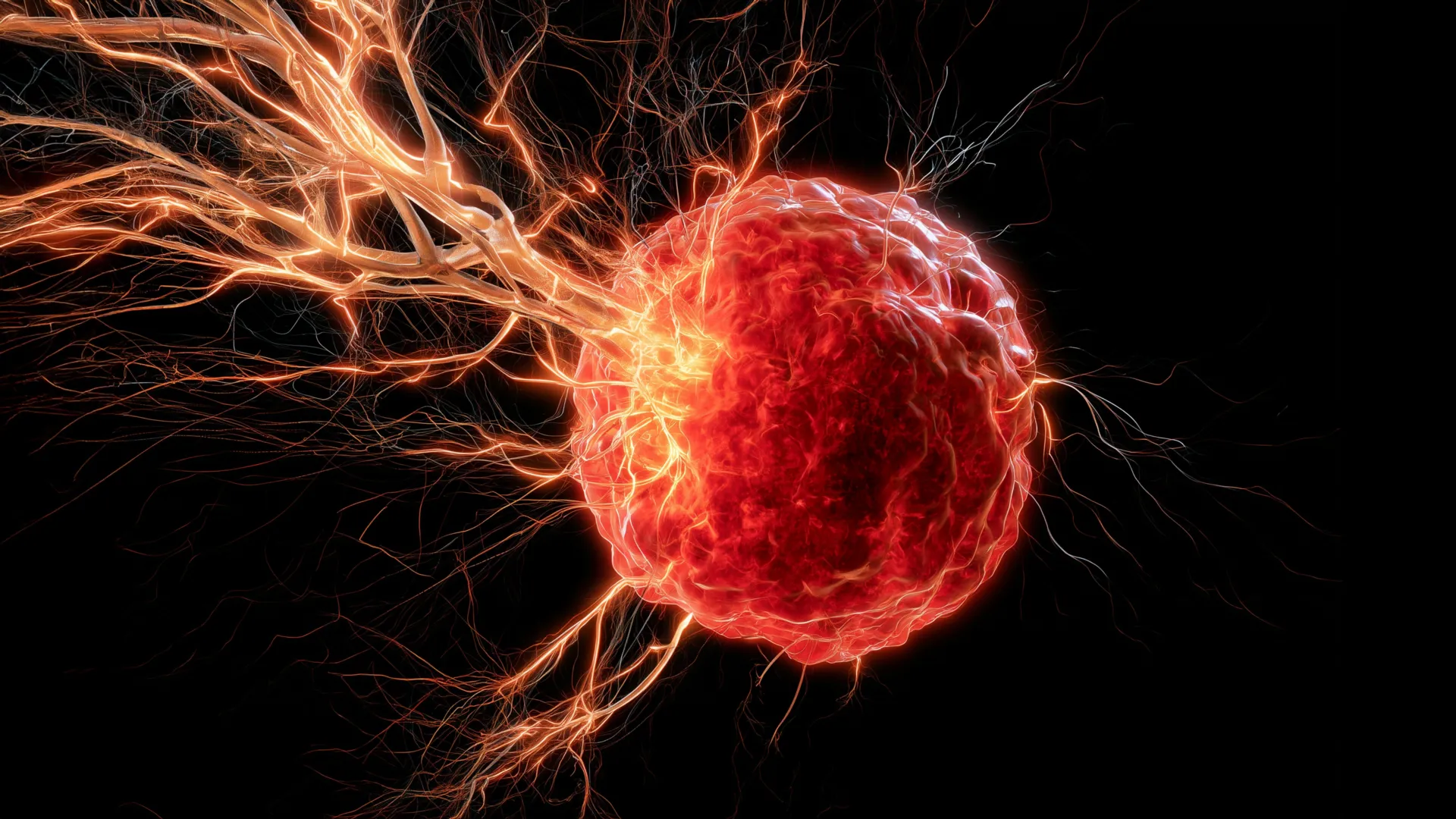
A groundbreaking study from the University of Oklahoma has unveiled a sophisticated mechanism by which an aggressive form of breast cancer, triple-negative breast cancer (TNBC), manipulates the body’s own immune system to foster nerve growth within tumors. This intricate interplay creates conditions highly conducive to cancer proliferation and resistance to existing treatments, but also points towards a promising new therapeutic strategy involving the repurposing of an existing drug. The findings, published in the esteemed journal Cell Death & Differentiation, represent a significant advancement in understanding the complex tumor microenvironment and could pave the way for innovative treatments targeting the neural pathways that fuel cancer growth.
The Enigmatic Role of Nerves in Tumor Progression
For decades, scientists have observed the presence of extensive nerve networks within various solid tumors, a phenomenon known as tumor neurogenesis or neural invasion. However, the precise mechanisms by which these nerves infiltrate and contribute to tumor development have remained largely elusive. This new research offers a compelling explanation for this perplexing process, specifically within the context of triple-negative breast cancer—a particularly challenging and often devastating diagnosis due to its aggressive nature and limited therapeutic options.
Triple-negative breast cancer accounts for approximately 10-15% of all breast cancer diagnoses. It is characterized by the absence of estrogen receptors, progesterone receptors, and human epidermal growth factor receptor 2 (HER2) amplification, meaning it does not respond to hormone therapy or HER2-targeted drugs. This leaves chemotherapy as the primary systemic treatment, often with suboptimal long-term outcomes and a higher risk of recurrence and metastasis compared to other breast cancer subtypes. Its aggressive behavior, coupled with a propensity to affect younger women and women of African descent disproportionately, underscores the urgent need for novel insights and treatment approaches. The discovery that TNBC actively recruits nerves into its microenvironment adds another critical layer to its pathological complexity, suggesting that these neural components are not merely passive bystanders but active participants in disease progression.
Macrophages: Unwitting Accomplices in Cancer’s Deception
The research team, led by Maureen Cox, Ph.D., an assistant professor in the Department of Microbiology and Immunology at the OU College of Medicine and a research member of OU Health Stephenson Cancer Center, made a pivotal discovery regarding the role of immune cells in this process. They found that tumors actively recruit macrophages, a type of white blood cell typically lauded for its protective roles in the body. Macrophages are essential components of the immune system, responsible for engulfing pathogens, clearing cellular debris, and initiating tissue repair. However, within the treacherous landscape of the tumor microenvironment, these normally beneficial cells can be reprogrammed, becoming what are known as tumor-associated macrophages (TAMs).
Once co-opted and integrated into the tumor, these macrophages undergo a sinister transformation. Instead of mounting an anti-tumor response, they begin to secrete brain-derived neurotrophic factor (BDNF). BDNF is a crucial protein widely recognized for its vital role in the central and peripheral nervous systems, where it supports the growth, survival, and differentiation of nerve cells, and is fundamental for neuronal plasticity. In a shocking twist, the researchers found that breast cancer tumors exploit this very biological signal. By releasing BDNF, these reprogrammed macrophages essentially send out a potent chemical beacon, encouraging nearby nerves to grow towards and ultimately penetrate the cancerous mass.
"Macrophages are the critical source for drawing nerves into the tumor," stated Dr. Cox, highlighting the profound shift in understanding their function within this specific context. "Although macrophages typically play a positive role in the body, they are facilitating a negative function in this scenario of breast cancer." This hijacking of an essential immune component to serve the tumor’s agenda represents a sophisticated strategy employed by aggressive cancers, further complicating therapeutic interventions that often focus solely on eradicating cancer cells. The phenomenon underscores the growing appreciation for the tumor microenvironment—the complex ecosystem of cells, blood vessels, signaling molecules, and extracellular matrix that surrounds and interacts with cancer cells—as a critical determinant of tumor behavior and treatment response.
A New Therapeutic Horizon: Blocking BDNF Signaling
The revelation of this macrophage-BDNF-nerve axis opens an entirely new avenue for cancer treatment. Instead of exclusively targeting cancer cells themselves, future therapies might focus on disrupting the insidious communication pathways between macrophages and nerves that appear to support tumor growth and enhance resistance to conventional treatments. This paradigm shift from a cancer-cell-centric view to a microenvironment-centric approach holds immense promise, particularly for cancers like TNBC where direct cellular targets are scarce.
To test this innovative strategy, Dr. Cox and her colleagues conducted preclinical studies using mouse models of triple-negative breast cancer. They administered a drug designed to block BDNF signaling, effectively intercepting the nerve-recruitment message. The results were remarkably encouraging: nerves no longer grew into the tumors, and, crucially, tumor growth itself was significantly suppressed. This outcome provides strong evidence that targeting BDNF could indeed be an effective way to impede cancer progression by cutting off its neural supply lines.
The potential for rapid clinical translation is further amplified by the fact that the drug used in the study is "already on the market." While specific drug names were not disclosed in the initial report, the implication is that existing pharmaceutical compounds with known safety profiles and mechanisms of action could be repurposed for this novel application. Drug repurposing offers a compelling pathway in oncology, often significantly accelerating the timeline from discovery to patient benefit compared to the lengthy and costly process of developing entirely new molecular entities. "It looks really promising that we can use this drug, which is already on the market, to target BDNF," Dr. Cox emphasized, highlighting the pragmatic and immediate potential of their findings. "We believe that the nerves are immunosuppressive, so if we can stop the nerves from growing in the first place, maybe we can boost the immune response to help fight the cancer." This hypothesis suggests a dual benefit: not only inhibiting nerve-driven tumor growth but also potentially re-sensitizing the tumor to the body’s own immune defenses, an outcome highly sought after in the era of immunotherapy.
From Lab Bench to Patient Bedside: Evidence in Human Data
To ascertain the clinical relevance of their findings, the researchers meticulously examined data from human patients diagnosed with triple-negative breast cancer. This critical step involved analyzing tumor biopsies and correlating molecular markers with patient outcomes. The analysis revealed a compelling concordance with the preclinical observations: tumors exhibiting higher levels of both macrophages and BDNF were unequivocally linked with poorer patient survival. This direct correlation provides powerful validation that the intricate mechanism observed in mouse models is highly relevant to human disease, bolstering the translational potential of this research.
Oncologists and cancer researchers broadly recognize the challenge of translating promising preclinical results into effective human therapies. The consistent observation across species—from the mechanistic insights in laboratory models to the prognostic indicators in human patient data—strengthens the argument for pursuing BDNF blockade as a viable therapeutic strategy. This robust evidence base is a critical requirement for moving novel interventions into clinical trials, where their safety and efficacy can be rigorously tested in patients.
Unraveling the Neural Contribution: Future Directions and Broader Impact
While the study has elucidated how nerves are drawn into tumors, the exact mechanisms by which these nerves contribute to tumor growth remain an active area of investigation. Dr. Cox and her team are now focused on delving deeper into this question. Emerging evidence suggests several potential pathways. One hypothesis posits that nerves may stimulate angiogenesis, the formation of new blood vessels, which are essential for supplying tumors with the oxygen and nutrients required for rapid growth and expansion. Another compelling line of research indicates that cancer cells might utilize these nerve fibers as highways, migrating along them as they egress from the primary tumor site and metastasize to distant organs, a process known as perineural invasion (PNI). PNI is a well-established prognostic indicator in several cancers, including pancreatic, prostate, and head and neck cancers, and is often associated with more aggressive disease and poorer patient outcomes. Understanding these intricate interactions will be crucial for developing even more targeted and effective therapies.
The implications of this research extend beyond breast cancer. The team plans to test the same therapeutic intervention in high-grade ovarian cancer, another highly aggressive malignancy notoriously difficult to treat due to its often late diagnosis and high rates of recurrence. If similar mechanisms are at play in ovarian cancer, blocking BDNF signaling could offer a desperately needed new treatment modality for patients facing this devastating disease. This expansion into other aggressive cancers highlights the potential for this research to uncover fundamental, shared mechanisms of cancer progression that could lead to broader therapeutic applications.
Ultimately, the overarching goal of this research is to reignite the body’s inherent anti-tumor immunity. "Ultimately, we want to turn the anti-tumor immunity back on in cancer patients so their own immune systems can reject the tumors," Dr. Cox articulated. This vision aligns perfectly with the burgeoning field of immuno-oncology, which seeks to harness and enhance the power of the patient’s own immune system to fight cancer. By disrupting the nerve-driven immunosuppressive microenvironment, BDNF blockade could potentially make tumors more vulnerable to existing immunotherapies or enable the immune system to mount a more robust and sustained attack against cancer cells.
A New Chapter in Cancer Research and Treatment
The discovery from the University of Oklahoma marks a pivotal moment in cancer research. By meticulously detailing how triple-negative breast cancer exploits immune cells to foster nerve growth, the study not only solves a long-standing mystery but also unveils a compelling new target for therapeutic intervention. The potential to repurpose an existing drug to block BDNF signaling offers a fast track to clinical trials and, ultimately, to new hope for patients battling aggressive and challenging cancers. As research continues to unravel the complex dance between cancer cells, immune cells, and neural networks, the promise of more precise, effective, and less toxic treatments draws closer, heralding a new era in the fight against cancer.
This groundbreaking research was made possible through substantial support from the National Institute of General Medical Sciences of the NIH (award numbers P20GM103447 and P20GM103639). Further crucial funding was provided by Oklahoma’s Tobacco Settlement Endowment Trust (TSET), a primary benefactor of the Stephenson Cancer Center and TSET Health Promotion Research Center at the University of Oklahoma. Additionally, the Oklahoma Shared Clinical and Translational Resources, through an Institutional Development Award from the National Institute of General Medical Sciences (grant no. U54GM104938), contributed significantly to this project, underscoring the collaborative effort required to advance cancer science.
