
 By Suherman Candra Maholtra
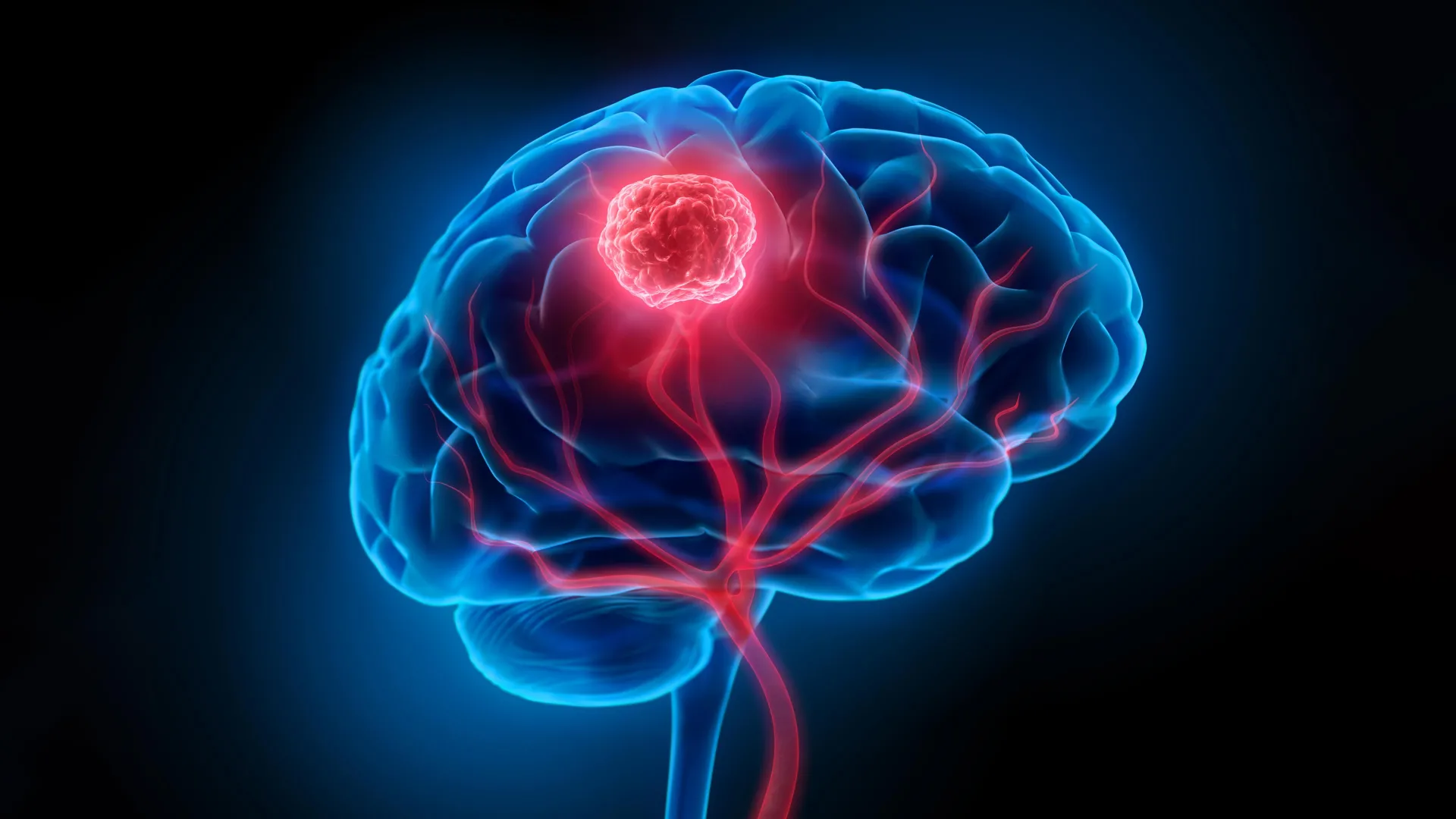
Scientists at the University of California, San Francisco (UCSF) have reached a significant milestone in the field of pediatric neuro-oncology by developing a sophisticated "smart" immune cell therapy. This novel treatment, known as B-SYNC CAR-T, is engineered to remain dormant as it circulates through the human body, activating its potent cancer-killing capabilities only upon crossing the blood-brain barrier and entering the central nervous system. By utilizing a molecular "on-switch" triggered by a protein unique to brain tissue, the therapy seeks to solve one of the most persistent challenges in immunotherapy: the elimination of aggressive tumors without damaging healthy organs elsewhere in the patient.
The breakthrough, detailed in a study published on October 28 in Science Translational Medicine, specifically targets diffuse midline glioma (DMG). DMG is an exceptionally lethal form of childhood brain cancer that has long been considered incurable due to its location in the brainstem and its tendency to weave itself into healthy neural tissue. The ability of B-SYNC CAR-T cells to not only eradicate these tumors in laboratory models but also provide long-term surveillance against recurrence marks a pivotal shift in the strategic approach to treating high-grade pediatric gliomas.
The Lethal Reality of Diffuse Midline Glioma
Diffuse midline glioma, formerly known as Diffuse Intrinsic Pontine Glioma (DIPG) when located in the pons, represents one of the most daunting challenges in modern medicine. Every year, hundreds of families receive this diagnosis, which carries a near-zero percent long-term survival rate. Most patients succumb to the disease within 12 months of diagnosis.
The primary difficulty in treating DMG lies in its anatomical position. It originates in the brainstem—the critical "circuit board" of the body that controls autonomic functions such as breathing, heart rate, and the ability to swallow. Because the tumor is "diffuse," it does not form a solid, distinct mass that can be surgically resected; instead, it infiltrates healthy tissue, making traditional surgery impossible. Radiation therapy provides only a temporary reprieve, often lasting just a few months, and traditional chemotherapy has largely failed to cross the blood-brain barrier in concentrations high enough to be effective.
In this context, Chimeric Antigen Receptor (CAR) T-cell therapy emerged as a promising alternative. CAR-T therapy involves harvesting a patient’s own T cells and genetically modifying them to express receptors that recognize specific proteins on the surface of cancer cells. While this approach has revolutionized the treatment of blood cancers like leukemia, it has struggled against solid tumors, particularly those in the brain, where the risk of "off-target" toxicity—the immune system attacking healthy tissue—is a constant and often fatal concern.
Engineering a Spatially Aware Immune Response
The B-SYNC (Brevican-dependent Synthetic Notch) system represents a leap forward in synthetic biology. To address the safety concerns of CAR-T therapy, UCSF researchers Hideho Okada, MD, PhD, and Wendell Lim, PhD, sought a way to ensure the immune cells would only function within the specific microenvironment of the brain.
The key to this "geofencing" of the immune system is a protein called brevican. Unlike the targets used in previous therapies, brevican is a component of the brain’s extracellular matrix. It is naturally and widely distributed throughout the central nervous system but is virtually absent in the rest of the body. By using a molecular sensing system called synNotch (synthetic Notch), the researchers programmed the T cells to recognize brevican as a signal to "wake up."
The mechanism operates like a two-stage security clearance. First, the B-SYNC cell enters the brain and senses brevican. This encounter triggers the synNotch receptor, which then instructs the cell to begin producing the actual CAR receptors. Only after this internal manufacturing process is complete can the T cell identify and attack the tumor-associated proteins EphA2 and IL13Rα2. Because these tumor proteins can sometimes appear in low levels in other healthy tissues, the requirement for a "brain-only" signal (brevican) prevents the T cells from launching an accidental attack on the lungs, liver, or heart.
Comparative Evolution: From E-SYNC to B-SYNC
The development of B-SYNC is an evolution of the team’s earlier work. In 2021, Okada and Lim introduced "E-SYNC," a therapy designed for glioblastoma that relied on a mutated protein called EGFRvIII as its primary trigger. While E-SYNC was a conceptual success, it faced a significant hurdle: only about 20% of glioblastoma patients possess the EGFRvIII mutation. Furthermore, tumors are notorious for "antigen escape," a process where they stop producing the protein the T cells are looking for, effectively becoming invisible to the treatment.
By switching the trigger from a tumor-specific mutation (EGFRvIII) to a brain-specific protein (brevican), the researchers have created a more universal and reliable therapy. Brevican is a stable feature of the brain environment, meaning the therapy is less likely to be "fooled" by a mutating tumor. This transition has expanded the potential patient population and increased the likelihood that the therapy will remain active even as the tumor attempts to evolve.
Robust Results in Preclinical Animal Models
The efficacy of B-SYNC was tested in mice implanted with human-derived DMG cells. The results, led by postdoctoral researcher Senthilnath Lakshmanachetty, PhD, were categorized by the researchers as "striking."
When the B-SYNC CAR-T cells were administered intravenously, they successfully migrated to the brain, activated upon sensing brevican, and began their assault on the DMG tumors. Analysis of the mice showed that while the cells in the brain were fully activated, those circulating in the bloodstream or residing in the spleen remained in their "off" state, confirming the precision of the spatial switch.
The researchers also tested direct delivery into the brain via intracerebroventricular (ICV) injection. In these models, every single mouse treated with B-SYNC saw a complete eradication of the DMG tumors. In contrast, mice treated with conventional, non-gated CAR-T cells were unable to achieve tumor control.
Perhaps the most significant finding was the durability of the response. When the researchers reintroduced new DMG cells into the mice seven weeks after the initial treatment, the B-SYNC cells—which had remained in a state of surveillance—immediately reactivated and prevented the formation of new tumors. This "immune memory" suggests that the therapy could provide a long-lasting shield against cancer recurrence.
Overcoming the Barrier of T-Cell Exhaustion
A common failure point for immunotherapy is "T-cell exhaustion," where immune cells become overstimulated and lose their killing capacity. This often happens in conventional CAR-T therapy because the cells are "on" from the moment they are infused, burning through their energy before they even reach the tumor site.
The B-SYNC system appears to bypass this issue through its "just-in-time" activation. By keeping the CAR-fighting machinery turned off until the cells reach the brain, the T cells preserve their metabolic fitness. "We didn’t expect B-SYNC CAR-T cells to necessarily persist," noted Lakshmanachetty, but the data showed they remained functional and patrolling for over 70 days. This longevity is a crucial factor in treating cancers as aggressive and invasive as DMG.
Roadmap to Human Clinical Trials
Based on the strength of the preclinical data, UCSF Health is moving toward a Phase 1 clinical trial. The timeline for the trial points toward a potential start in April 2027. This period will be used to finalize manufacturing protocols and meet the rigorous safety standards required by the FDA for human testing.
The proposed trial will involve "autologous" therapy, meaning each patient’s T cells will be harvested, genetically modified in a specialized laboratory, and then re-infused. The clinical team, led by Dr. Marie Jaeger-Krause and Dr. Sabine Mueller, plans to utilize a combination of intravenous and direct-to-brain delivery. To facilitate repeated dosing without the need for multiple brain surgeries, patients may have an Ommaya reservoir—a small, dome-shaped device placed under the scalp—implanted to allow direct access to the brain’s ventricles.
Broader Impact and Implications for Oncology
The success of the B-SYNC platform could have implications far beyond childhood brain cancer. The principle of "spatial gating"—programming immune cells to respond to a specific organ’s environment rather than just a tumor’s surface proteins—could be applied to other difficult-to-treat areas, such as the pancreas or the lungs.
For the families of children diagnosed with DMG, the development represents a rare glimmer of hope in a field that has seen little progress for decades. Dr. Sabine Mueller, director of the UCSF Pediatric Brain Tumor Center, emphasized the emotional and clinical weight of the discovery. "Mice with DMG are being cured," she stated, noting that the goal now is to translate that success into the clinic to provide children and young adults with the "innovative approach they deserve."
As the scientific community watches the progression toward 2027, the B-SYNC study stands as a testament to the power of synthetic biology to solve the most complex puzzles in human health. By teaching the immune system not just what to fight, but where to fight, UCSF researchers may have finally found a way to turn the tide against one of the most devastating diseases in pediatric medicine.
