
 By Suherman Candra Maholtra
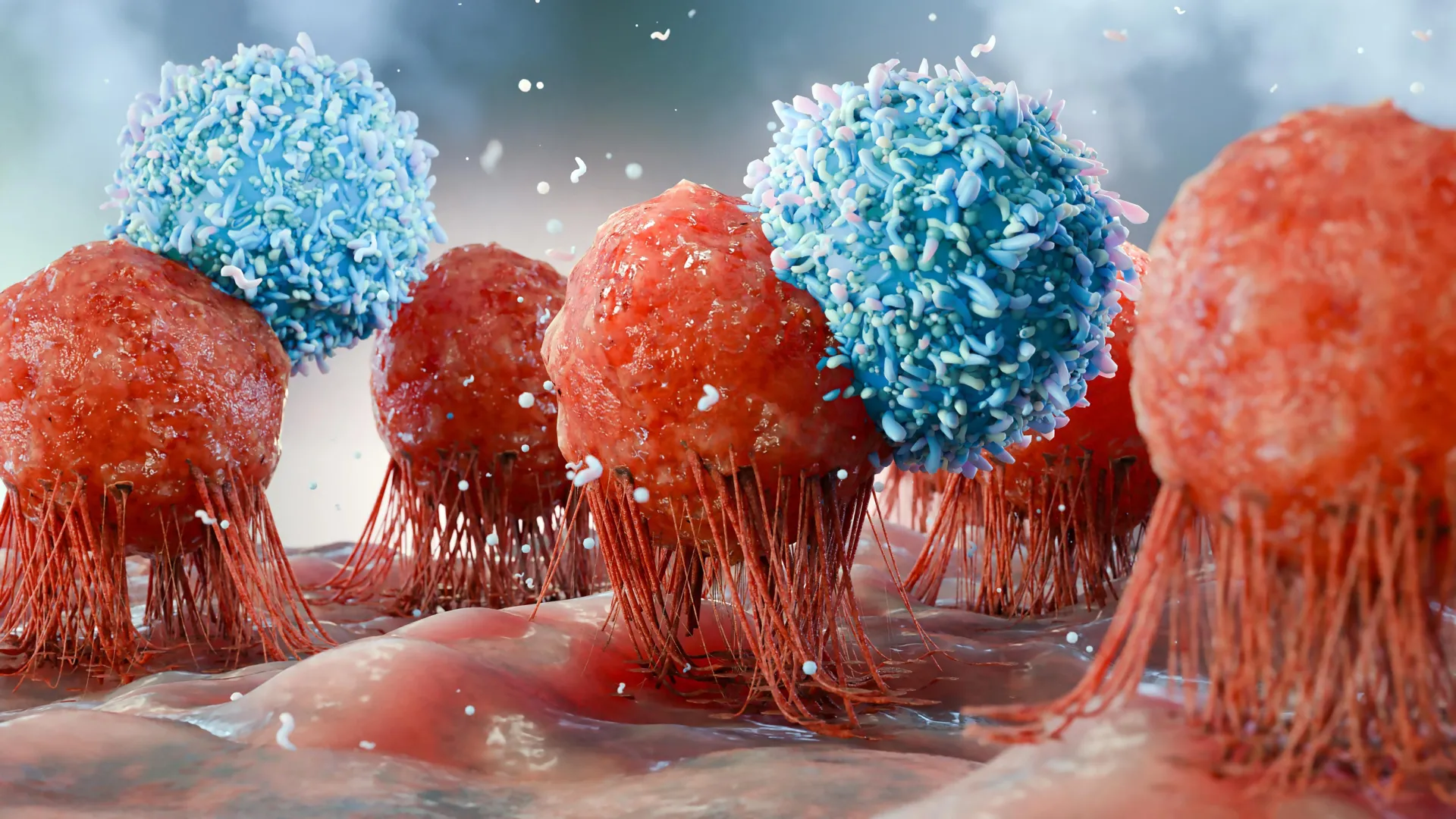
Scientists at the University of Southern California (USC) have pioneered a method to produce a potentially infinite supply of cancer-fighting immune cells, marking a transformative shift in the field of regenerative medicine and oncology. By isolating and cultivating immature immune cells known as granulocyte-monocyte progenitors (GMPs), the research team has established a scalable system for generating large volumes of genetically engineered cells capable of identifying tumors and re-energizing the body’s innate immune response. This discovery, detailed in the journal Cell, addresses the primary logistical and biological bottlenecks that have historically hindered the efficacy of cellular immunotherapies, particularly in the treatment of solid tumors.
The Evolution of Cancer Immunotherapy and Existing Challenges
To understand the magnitude of the USC breakthrough, it is necessary to examine the current landscape of cancer treatment. Over the last decade, Chimeric Antigen Receptor (CAR) T-cell therapy has revolutionized the treatment of certain liquid cancers, such as leukemia and lymphoma. By modifying a patient’s own T-cells to recognize specific cancer markers, physicians have been able to achieve remissions in patients who were previously considered terminal. However, CAR-T therapy faces three significant hurdles: high manufacturing costs, the difficulty of treating solid tumors (which account for roughly 90% of adult cancer cases), and the tendency of engineered T-cells to become "exhausted" or inactive within the immunosuppressive environment of a tumor.
Furthermore, the production of these therapies is a bespoke, patient-specific process. It requires harvesting a patient’s cells, transporting them to a specialized lab for genetic modification, expanding them over several weeks, and then re-infusing them. This process is not only expensive—often exceeding $400,000 per treatment—but also time-consuming, a critical disadvantage for patients with rapidly progressing disease. The USC team sought to bypass these limitations by looking earlier in the developmental timeline of the immune system.
A Paradigm Shift in Stem Cell Biology
For decades, the consensus in hematology—the study of blood—was that long-term self-renewal was a property exclusive to hematopoietic stem cells (HSCs). HSCs are the "master cells" found in bone marrow that have the capacity to differentiate into every type of blood and immune cell. As these cells mature into "progenitor" cells, such as GMPs, they were believed to lose their ability to self-renew, becoming committed to a specific lineage and eventually maturing into short-lived functional cells.
The USC researchers, led by Qi-Long Ying, MD, PhD, a professor of stem cell biology and regenerative medicine at the Keck School of Medicine of USC, challenged this fundamental tenet. They discovered that under a precisely calibrated chemical environment in the laboratory, GMPs could be induced to maintain their identity and continue dividing indefinitely. This means that instead of relying on a finite supply of mature cells or the complex manipulation of master stem cells, scientists can now maintain a "renewable reservoir" of progenitor cells that are already primed to become powerful immune defenders.
"The prevailing view has been that long-term self-renewal in the blood system is primarily a property of the hematopoietic stem cells," Dr. Ying explained. "We found that, under the right conditions, GMPs can also self-renew, dividing extensively while keeping their identity. That gives us a scalable starting point for engineering cell therapies."
The Strategic Advantage of Macrophages
The primary output of the GMP platform is the production of macrophages. While T-cells are often described as the "assassins" of the immune system, macrophages are the "heavy infantry" and "commanders." Their name, derived from Greek for "big eaters," refers to their ability to engulf pathogens, cellular debris, and cancer cells.
In the context of oncology, macrophages possess a unique advantage over T-cells: they are naturally adept at infiltrating solid tissues. While T-cells often struggle to penetrate the dense, hostile microenvironment of a solid tumor, macrophages are frequently found already residing within tumors. However, in many cancers, the tumor "reprograms" these macrophages to support its growth rather than attack it. By engineering GMPs to produce CAR-macrophages, the USC team can ensure that these cells enter the tumor with a "pre-programmed" mission to destroy the malignancy and signal other parts of the immune system to join the fight.
Engineering and Scalability: The Lab-to-Clinic Pipeline
The technical success of the USC study relied on a sophisticated two-step process: expansion and engineering. First, the team developed a chemical "cocktail" that prevents GMPs from maturing prematurely. This allows a small sample of cells to be expanded into billions of identical progenitors.
Second, the researchers used viral vectors to insert CAR genes into the GMPs. These CARs are synthetic receptors designed to bind to specific proteins found on the surface of cancer cells. When the engineered GMPs eventually differentiate into macrophages, they carry this targeting system with them.
The reliability of this method was confirmed through independent validation at Stanford University. Ravi Majeti, MD, PhD, Director of the Institute for Stem Cell Biology and Regenerative Medicine at Stanford, demonstrated that the GMPs could be maintained and modified consistently. "This method for the expansion and engineering of GMPs opens the door to numerous translational applications, much like T-cell expansion and engineering," Majeti noted.
Experimental Results: Mice Models and Efficacy Data
To test the therapeutic potential of these cells, the researchers conducted a series of experiments involving mice with both blood cancers and aggressive solid tumors. The results provided several key insights:
- Bone Marrow Integration: Unlike mature macrophages, which are often cleared from the body quickly or trapped in the lungs and liver, the infused GMPs successfully migrated to the bone marrow. This allowed them to establish a "home base" where they could continually produce new generations of engineered immune cells.
- Slowing Tumor Progression: In mice with leukemia (blood cancer) and solid tumors, the CAR-GMPs significantly slowed the growth of the disease. The mice treated with engineered cells showed higher survival rates and lower tumor volumes compared to control groups.
- Synergistic Signaling: The team added a secondary genetic modification—an immune-activating signal—to the cells. This signal acted as a beacon, recruiting the host’s own T-cells to the tumor site. This "dual-action" approach proved to be more effective than CAR targeting alone, suggesting that engineered macrophages can act as a catalyst for a broader, systemic immune response.
Implications for "Off-the-Shelf" Therapy
One of the most significant implications of this research is the potential for "off-the-shelf" (allogeneic) immunotherapy. Currently, most cellular therapies are autologous, meaning they use the patient’s own cells to avoid immune rejection. However, the USC team found that their engineered GMPs remained effective and did not trigger severe adverse reactions even when the donor and recipient characteristics did not perfectly match.
If this holds true in human trials, it could lead to the creation of "cell banks" where pre-engineered, high-quality GMPs are frozen and ready for immediate shipment to hospitals. This would eliminate the weeks of waiting currently required for CAR-T manufacturing and drastically reduce the cost of treatment through economies of scale.
Beyond Oncology: Treating Genetic and Infectious Diseases
The utility of a renewable immune cell source extends beyond the realm of cancer. The USC researchers explored the application of their platform for chronic granulomatous disease (CGD), a rare genetic disorder where the immune system’s phagocytes (like macrophages) are unable to kill certain bacteria and fungi.
In mouse models of CGD, the administration of healthy, expanded GMPs restored the animals’ ability to fight off infections. This suggests that the platform could be used to treat a variety of primary immunodeficiencies and perhaps even chronic infectious diseases that evade the standard immune response.
Future Outlook and Clinical Translation
While the preclinical results are highly promising, the transition from mouse models to human patients involves rigorous safety assessments. One concern with any self-renewing cell therapy is the risk of "insertional mutagenesis" or the potential for the engineered cells themselves to become cancerous. Future research will focus on ensuring the long-term stability of the expanded GMPs and defining the optimal dosage for human application.
The study concludes that the developmental stage of the cell used for therapy is a critical, yet often overlooked, variable. By targeting the progenitor stage, scientists have found a "sweet spot" that combines the self-renewal capabilities of stem cells with the specialized function of mature immune cells.
"Our study suggests that the future of immunotherapy may depend not only on designing better CAR receptors, but also on choosing the right developmental stage of the cell," Dr. Ying stated. As the medical community moves toward more personalized yet accessible treatments, the USC GMP platform stands as a cornerstone for the next generation of cellular medicine, promising a future where the body’s "big eaters" are precisely tuned to hunt and eliminate the most resilient cancers.
