
 By Lina carolina
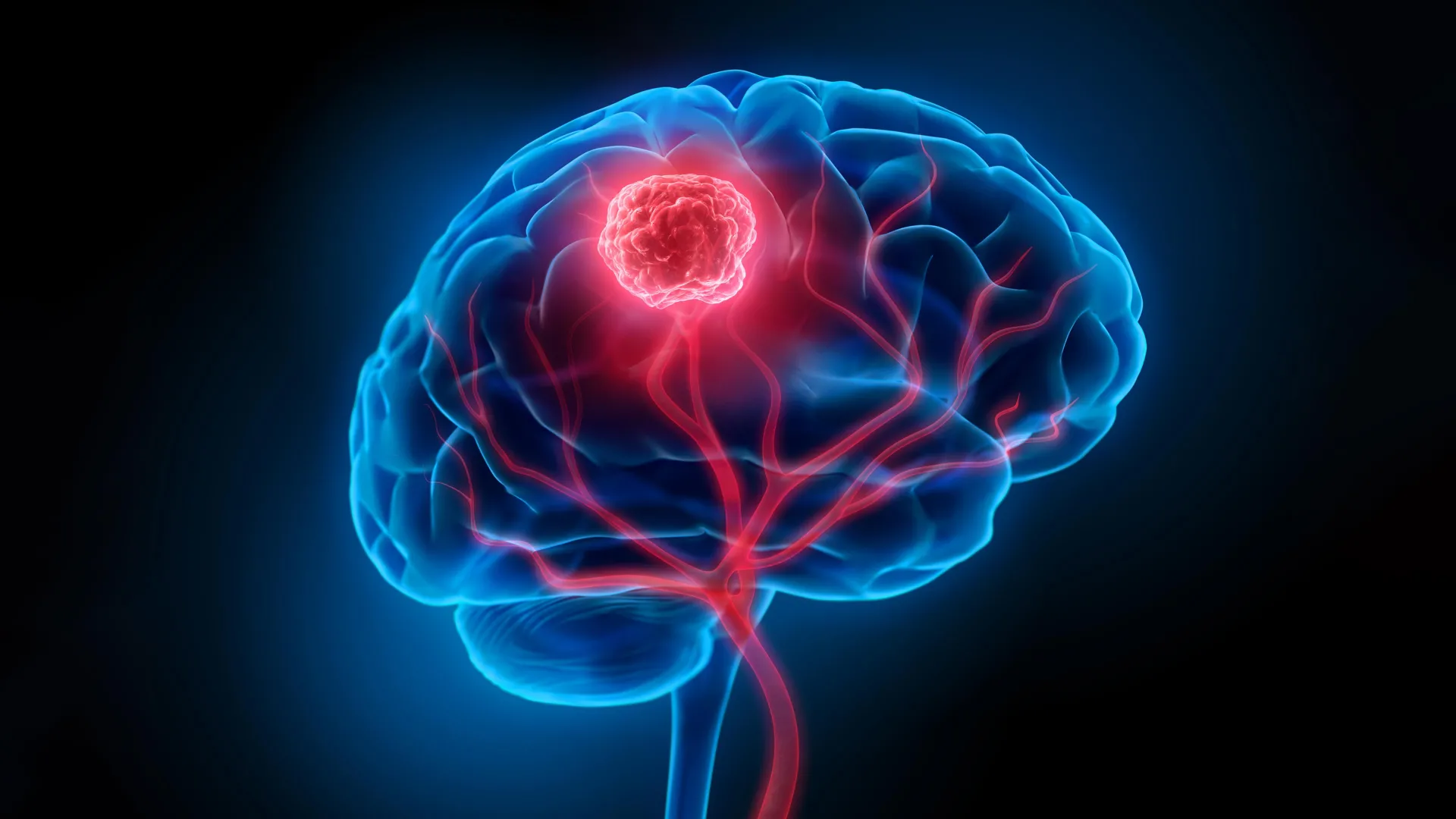
Scientists at the University of California, San Francisco (UCSF) have engineered a revolutionary immune cell therapy that exhibits a critical safety and efficacy feature: it activates its cancer-fighting capabilities exclusively within the brain. This groundbreaking approach, dubbed B-SYNC CAR-T, has demonstrated remarkable success in preclinical trials, completely eradicating diffuse midline glioma (DMG), a notoriously aggressive and often fatal childhood brain cancer, in animal models. The therapy not only eliminates existing tumors but also establishes lasting immunity, preventing recurrence. This development marks a significant stride in the long and challenging fight against pediatric brain malignancies, offering a beacon of hope for families facing this devastating diagnosis.
The Devastating Reality of Diffuse Midline Glioma
Diffuse midline glioma (DMG) represents one of the most formidable challenges in pediatric oncology. This highly infiltrative tumor arises in critical areas of the brainstem, a region responsible for regulating essential life functions such as breathing, heart rate, and swallowing. The diffuse nature of DMG means it spreads insidiously into surrounding healthy brain tissue, making surgical removal virtually impossible and standard treatments largely ineffective. Tragically, the prognosis for children diagnosed with DMG is grim, with a survival rate of less than one year for nearly all affected individuals. The limited success of current therapeutic strategies underscores the urgent need for innovative and more targeted interventions.
B-SYNC CAR-T: A Smarter Approach to Brain Cancer Immunotherapy
The B-SYNC CAR-T therapy builds upon years of dedicated research by a UCSF team led by Dr. Hideho Okada, MD, PhD, professor of Neurological Surgery, and Dr. Wendell Lim, PhD, professor of Cellular and Molecular Pharmacology. Their collective goal has been to develop CAR-T (Chimeric Antigen Receptor T-cell) therapies that can precisely target and destroy brain tumors without causing debilitating side effects.
Conventional CAR-T therapy involves genetically modifying a patient’s own T-cells, a type of immune cell, to express Chimeric Antigen Receptors (CARs). These CARs are designed to recognize specific proteins found on cancer cells, thereby directing the T-cells to mount an immune attack. While CAR-T therapies have revolutionized the treatment of certain blood cancers, their application to brain tumors has been hampered by significant challenges, including the inability to effectively penetrate the blood-brain barrier and the risk of off-target immune responses in healthy tissues.
The UCSF team’s innovative strategy, B-SYNC, addresses these limitations by introducing a sophisticated molecular switch. This switch ensures that the cancer-fighting machinery of the CAR-T cells is only deployed once the cells have successfully navigated into the brain. This targeted activation is hypothesized to enhance efficacy by concentrating the immune attack where it is needed most, while simultaneously minimizing the potential for systemic side effects.
The Evolution of SynNotch Technology
The B-SYNC system is an advancement of earlier work by Okada and Lim, specifically their development of the E-SYNC therapy for glioblastoma, another aggressive brain cancer. The E-SYNC therapy, reported in 2021, utilized a modular sensing system known as synNotch. This system was designed to recognize EGFRvIII, a mutated protein present on a subset of glioblastoma cells. Upon detecting EGFRvIII, the synNotch system would instruct the T-cell to produce a CAR capable of recognizing two other tumor-associated proteins, EphA2 and IL13Rα2. This multi-step activation process offered improved precision compared to conventional CAR-T approaches relying on a single target.
However, the E-SYNC therapy had a critical limitation: EGFRvIII is present on only about 20% of glioblastoma patients’ tumors. Furthermore, tumors can lose this target protein as treatment progresses, allowing surviving cancer cells to evade detection. This necessitated a search for a more universally applicable and reliable activation signal.
Brevican: A Brain-Specific Signal for Targeted Activation
The researchers identified brevican, a protein ubiquitously distributed throughout the brain, as an ideal candidate for their new activation trigger. By redesigning the synNotch system, they engineered B-SYNC CAR-T cells to produce their cancer-targeting CARs only upon encountering brevican. This ingenious mechanism ensures that the engineered immune cells remain dormant and harmless in the rest of the body, activating their potent anti-cancer arsenal exclusively within the brain environment. Once activated by brevican, the B-SYNC CAR-T cells can then seek out and destroy tumor cells expressing EphA2 or IL13Rα2, even if these tumor cells do not possess any tumor-specific mutations. This shift from tumor-specific mutations to a brain-specific signal represents a paradigm shift in CAR-T therapy for brain cancers.
While initially developed with glioblastoma in mind, the researchers recognized that B-SYNC’s target proteins, EphA2 and IL13Rα2, are also commonly expressed on DMG tumor cells. This realization paved the way for exploring B-SYNC’s potential against this particularly devastating childhood cancer.
Preclinical Success: Eliminating DMG Tumors in Mouse Models
Under the leadership of Senthilnath Lakshmanachetty, PhD, a postdoctoral researcher in Dr. Okada’s laboratory, experiments were conducted to assess B-SYNC’s efficacy against DMG in mouse models. In initial experiments, B-SYNC CAR-T cells were administered intravenously to mice implanted with human DMG cells. A significant portion of these engineered T-cells successfully traversed the bloodstream and entered the brain. Crucially, within the brain, these cells began producing the cancer-targeting CARs and initiated an attack on the tumor cells. In parallel, B-SYNC cells located elsewhere in the body, including those circulating in the blood or residing in the spleen, remained inactive, demonstrating the precise, brain-specific activation as intended.
To further enhance the treatment’s delivery and impact, researchers also explored direct administration into the brain via an intracerebroventricular (ICV) injection, which introduces the cells into the brain’s cerebrospinal fluid. The results were nothing short of remarkable. In two distinct mouse models bearing human DMG tumors, the B-SYNC therapy achieved complete tumor eradication in every single mouse treated. In stark contrast, conventional CAR-T cells administered to control groups were unable to control the tumor growth. These findings strongly suggest that activating the engineered immune cells specifically within the brain microenvironment is key to overcoming the hurdles that have previously limited CAR-T efficacy against brain tumors.
Lasting Immunity and Preserved T-Cell Functionality
Beyond eradicating existing tumors, a critical aspect of any successful cancer therapy is its ability to prevent recurrence. The UCSF team rigorously tested B-SYNC’s capacity to establish long-term protection. Nearly seven weeks after the initial treatment, mice that had previously received B-SYNC therapy were re-exposed to DMG cells. Impressively, all treated mice successfully rejected the new cancer cells, indicating that the therapy’s protective effects extended well beyond the initial tumor clearance. Further observations revealed that the B-SYNC cells remained functional and active for over 70 days post-treatment.
Researchers posit that this sustained functionality may be linked to preventing T-cell exhaustion, a phenomenon where prolonged immune cell activation leads to a gradual loss of their anti-cancer potency. By delaying CAR activation until the cells reach the brain, B-SYNC may preserve their vigor and readiness to combat cancer when it is encountered. This mechanism is believed to be a significant contributor to the superior performance of B-SYNC compared to conventional CAR-T therapies. As Lakshmanachetty noted, "We didn’t expect B-SYNC CAR-T cells to necessarily persist. But they are still patrolling for cancer over 70 days out — and they’re still very functional."
The Path to Human Clinical Trials
Buoyed by these exceptionally promising preclinical results, the UCSF team is now actively preparing to translate B-SYNC CAR-T therapy into human clinical trials. The proposed trials, slated to potentially commence as early as April 2027 at UCSF Health, will involve using each patient’s own T-cells, genetically engineered to become B-SYNC CAR-T cells. This personalized approach minimizes the risk of immune rejection.
The transition from laboratory research to human testing is progressing at an accelerated pace, a testament to the profound implications of the animal study findings. The initial clinical trial will be co-led by UCSF physicians Marie Jaeger-Krause, MD, and Sabine Mueller, MD, PhD. Researchers intend to evaluate various administration strategies, including both intravenous delivery and direct administration into the brain. For patients receiving ICV treatment, a shunt system will be surgically implanted, connecting the brain’s ventricles to a reservoir beneath the scalp. This system will facilitate repeated administrations of the engineered immune cells without the need for repeated invasive surgical procedures.
Expert Perspectives and Broader Impact
The potential of B-SYNC CAR-T therapy has generated considerable excitement within the medical and scientific communities. Dr. Sabine Mueller, Director of the UCSF Pediatric Brain Tumor Center and Professor of Neurology, Neurosurgery, and Pediatrics, expressed profound optimism: "Diffuse midline glioma is a heartbreaking diagnosis for patients and their families. This preclinical data is very promising. Mice with DMG are being cured, and we are incredibly excited to bring this therapy to the children and young adults we care for. This is exactly the kind of innovative approach they deserve."
The implications of this research extend beyond DMG. The underlying B-SYNC technology, with its brain-specific activation mechanism, could potentially be adapted to target a range of other challenging brain tumors, including glioblastoma and other pediatric brain cancers. By offering a therapy that can effectively penetrate the blood-brain barrier and selectively engage cancer cells within the brain while sparing healthy tissues, B-SYNC CAR-T therapy represents a significant leap forward in the quest for effective treatments for some of the most aggressive and difficult-to-treat cancers. The successful development and implementation of this therapy could redefine the standard of care for pediatric brain cancer patients, offering a renewed sense of hope and improved outcomes for a population that has long been underserved by current medical interventions.
