
 By Lina carolina
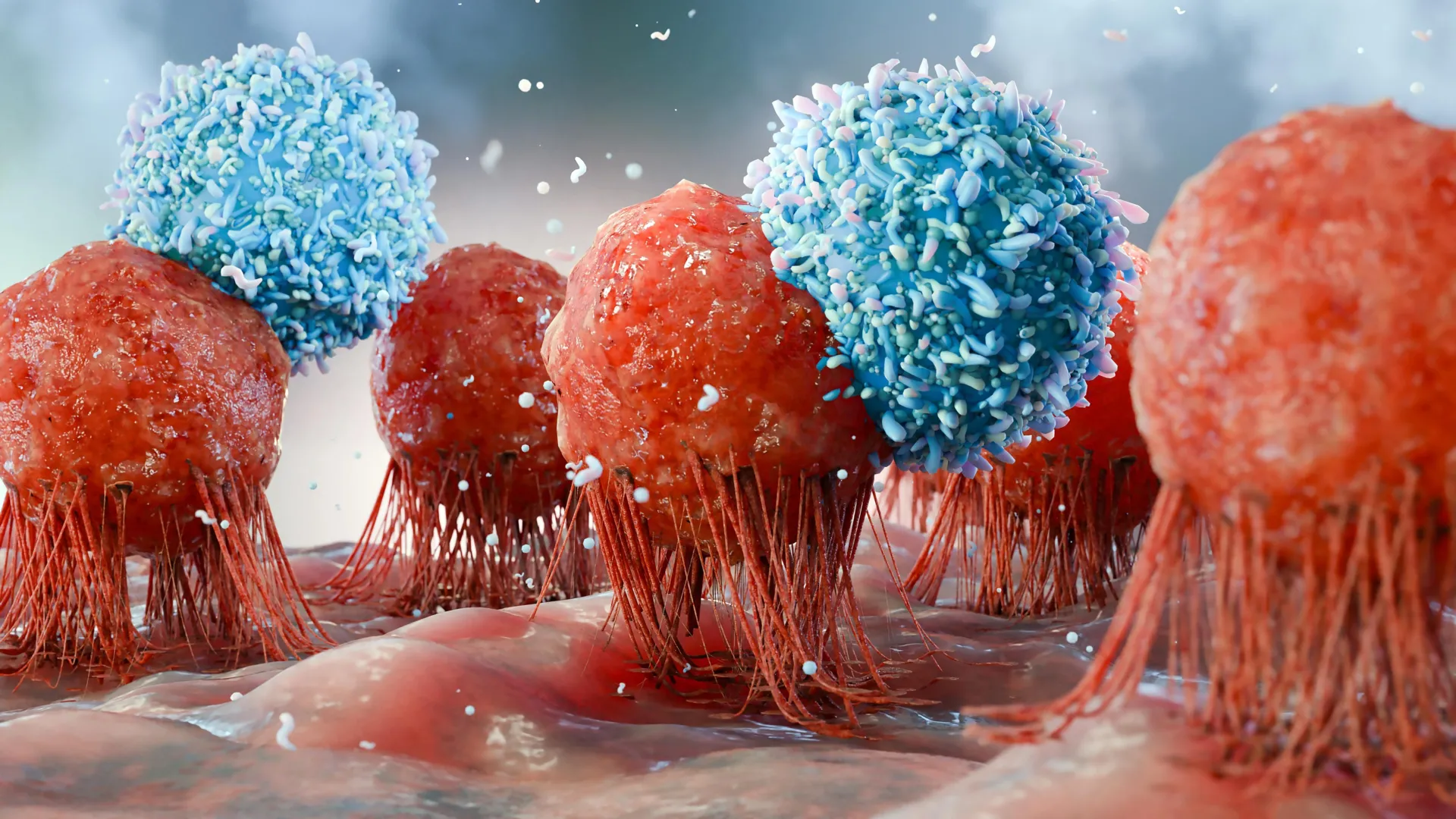
Cancer immunotherapy, a revolutionary approach that harnesses the power of the body’s own immune system to combat malignant cells, frequently relies on the activation of T cells, the specialized soldiers of immunity. These cytotoxic T lymphocytes possess the remarkable ability to identify and destroy cancer cells. However, a significant hurdle in the efficacy of these therapies is the phenomenon of T cell exhaustion. This condition, characterized by a gradual loss of anti-tumor function, leaves T cells unable to mount a sustained attack or effectively control tumor growth. This limitation is particularly pronounced with checkpoint inhibitors, a class of immunotherapy drugs designed to disengage the biological brakes that normally restrain T cell activity, allowing them to target cancer more aggressively.
The consequence of T cell exhaustion is often a frustrating cycle for patients and clinicians alike. "A tragic part of T cell exhaustion is that the immunotherapy seems to be working for patients, and then it fades," observes Santosha Vardhana, MD, PhD, a physician-scientist at Memorial Sloan Kettering Cancer Center (MSK) who specializes in treating lymphoma. "Many of them experience a brief wisp of promise only to have it taken away." This cyclical pattern underscores the urgent need for strategies to prolong T cell activity and enhance the durability of therapeutic responses.
New research emerging from Dr. Vardhana’s laboratory at MSK has pinpointed a key molecular player in this debilitating process: a signaling molecule known as MEK. Published in the prestigious journal Immunity, findings from animal studies suggest that inhibiting MEK could potentially slow the progression of T cell exhaustion and, consequently, bolster the effectiveness of various cancer immunotherapies. This discovery holds particular promise due to the availability of FDA-approved MEK inhibitors, which could expedite clinical translation and testing in human patients. "We’re excited about applying this finding to enhance multiple forms of immunotherapy," Dr. Vardhana stated. "FDA-approved MEK inhibitors are already available, so this approach could be tested in humans without much delay."
Unraveling the Mechanisms of T Cell Exhaustion
The intricate mechanisms driving T cell exhaustion have only recently begun to be elucidated. In 2020, Dr. Vardhana’s team identified a crucial element of this puzzle: the metabolic state of T cells. Metabolism refers to the complex network of chemical processes cells employ to convert nutrients into energy essential for their survival and function.
When T cells are persistently exposed to tumor antigens – the foreign proteins on cancer cells that signal danger to the immune system – their internal powerhouses, the mitochondria, can become overwhelmed. Mitochondria are the primary sites of cellular respiration, responsible for generating adenosine triphosphate (ATP), the universal energy currency of cells. "There is a large metabolic demand being imposed as T cells encounter cancer cells and try to produce cancer-killing, or cytotoxic, proteins," Dr. Vardhana explained. "It turns out that the decision to make high levels of these proteins is regulated by MEK."
This regulatory role of MEK is critical. When MEK signaling becomes excessively active, it can push T cells down a path toward terminal exhaustion, a state of severe functional depletion from which immunotherapy can no longer effectively revive them. Tanmana Mitra, PhD, a postdoctoral fellow in the Vardhana lab and the study’s first author, elaborated on this evolving understanding: "We realized T cell exhaustion isn’t simply a loss of function — it reflects an imbalance between what these cells are being asked to do and the energy they have available."
The Paradox of Energy Consumption in Exhausted T Cells
Counterintuitively, the research revealed that exhausted T cells were not metabolically inert. Instead, they exhibited a surprisingly high level of activity. When treated with MEK inhibitors, these T cells demonstrated increased proliferation and, remarkably, a reduced energy consumption. This apparent paradox prompted further investigation into the cellular energy budget. "That paradox made us ask where all that energy was going, and we discovered that these cells were investing enormous resources into making proteins," Dr. Mitra elaborated. "It changed how we think about T cell exhaustion — from a problem of too little energy to one of excessive energy demand."
This finding suggests that exhausted T cells are not "starving" for energy but are rather expending it at an unsustainable rate on protein synthesis, particularly the production of cytotoxic proteins designed to kill cancer. By over-investing in this immediate offensive capacity, they deplete their reserves, leading to a state of burnout.
Strategizing for Sustainable T Cell Activity
The identification of MEK as a regulator of this energy-intensive protein production offers a novel therapeutic strategy. By reducing MEK signaling, researchers propose that the pressure on T cells to continuously churn out cytotoxic proteins could be alleviated. This reduction in metabolic demand might allow some T cells to conserve energy, sustain their activity for longer periods, and importantly, retain their capacity for self-renewal. This sustained presence is crucial for the long-term control of cancer.
The analogy of pacing oneself during a long journey is apt here. Instead of accelerating to maximum speed immediately, a more measured approach can conserve fuel and ensure the journey’s completion. In the context of T cells, reducing the intensity of their immediate offensive, driven by high MEK activity, could preserve their overall viability and functional capacity over time, thereby extending the duration and potency of immunotherapy.
In preclinical models, blocking MEK signaling demonstrated the ability to help T cells persist in the challenging microenvironment of tumors, which often presents numerous obstacles to immune cell survival and function.
A More Nuanced View: T Cell Exhaustion as a Survival Mechanism
However, the researchers emphasize that simply suppressing MEK is not a universal solution. The biological role of T cell exhaustion is more complex than a straightforward decline in function. Previous work by MSK immunologist Andrea Schietinger, PhD, indicated that T cells can enter an exhausted state as a form of self-preservation. By downregulating their activity, they can avoid overstimulation, which can lead to cell death.
"As we’ve learned more about T cell exhaustion," Dr. Vardhana stated, "we’ve increasingly understood that it’s not the case that exhausted T cells are bad, so let’s try to reverse the process with a drug. Instead, exhaustion is more of an equilibrium state that lets the cells survive and keep going — almost like a ‘safe mode’ for T cells." This "safe mode" allows T cells to exist in a state of reduced activity, preventing their immediate demise while retaining the potential for reactivation when conditions are more favorable.
The metabolic cost of actively killing cancer cells is significant. When a T cell engages a tumor cell and initiates the production of cytotoxic proteins, its mitochondria must work overtime to generate ATP. This ATP represents the cellular "spending money." If a cell expends too much ATP on immediate effector functions, it may lack the resources for other critical processes, such as self-maintenance and proliferation. "The exhaustion program is a sign that the cell’s bank account is getting close to zero," Dr. Vardhana explained. "MEK tells exhausted cells whether to conserve fuel or go for broke. What we found is that inhibiting MEK makes the cells more conservative — helping them live longer while reducing the rate at which they produce the proteins that actually kill cancer cells."
This dual role of MEK presents a therapeutic trade-off. High MEK activity can fuel an intense, immediate immune assault but risks rapid T cell burnout. Inhibiting MEK might dampen the immediate attack intensity but could promote longer-term T cell survival and sustained anti-tumor activity. The optimal strategy – a short, potent response versus a slower, more enduring one – may depend on the specific characteristics of a patient’s cancer and their individual immune profile.
Tailoring MEK Inhibition for Optimal Outcomes
Dr. Vardhana suggests that the application of MEK inhibitors would need to be judicious and patient-specific. Two key indicators can help predict which patients might benefit most from immunotherapy and, by extension, which might benefit from MEK inhibition: the number of tumor-infiltrating lymphocytes (TILs) and the tumor size.
For patients with a robust initial immune response, characterized by a high density of TILs and relatively small tumors, the immune system is already poised for a significant attack. In such cases, the primary goal is to maximize the immediate killing power of T cells. "In these patients, conservation of T cells is not that important," Dr. Vardhana noted. "It’s like being in a car with 1/8 of a tank left, but you can see the finish line. In these patients, you would just let the car keep burning the gas — in other words, take the traditional immunotherapy approach. These are the patients in whom MEK inhibition is probably not needed." This scenario suggests that aggressive, high-intensity T cell activity, even if it leads to faster exhaustion, might be sufficient to eradicate the cancer.
Conversely, for patients with large tumors or a paucity of tumor-fighting immune cells, the initial immune response may be insufficient to mount a rapid and effective assault. In these challenging situations, a slower, more sustained immune attack orchestrated by MEK inhibition could be beneficial. By promoting T cell persistence, even in a partially exhausted state, MEK inhibitors could help maintain a constant pressure on the tumor over a longer period. This prolonged presence of T cells is particularly advantageous when the tumor burden is significant or the available immune workforce is limited.
Broadening the Therapeutic Horizon: MEK Inhibition Across Immunotherapy Modalities
The potential applications of carefully modulated MEK inhibition extend beyond checkpoint inhibitors and could significantly enhance several other promising forms of cancer immunotherapy:
- Chimeric Antigen Receptor (CAR) T cell therapy: This advanced therapy involves genetically engineering a patient’s T cells to express receptors that specifically target cancer cells. A major challenge in CAR T cell therapy has been the limited persistence of these engineered cells within the body. Dr. Vardhana believes that MEK inhibition could "dramatically boost T cell persistence, which has been a big problem with CAR T cell therapy."
- Tumor Infiltrating Lymphocyte (TIL) therapy: TIL therapy involves isolating T cells that have already infiltrated a patient’s tumor, expanding them ex vivo, and re-infusing them. Using MEK inhibitors, either before or after TIL therapy, could potentially prolong the survival of the most effective tumor-fighting TILs, thereby improving treatment outcomes.
- Bispecific Antibodies: These engineered proteins are designed to bind to two different targets simultaneously, often linking a T cell to a cancer cell to facilitate targeted killing. While bispecific antibodies can powerfully activate T cells, this intense stimulation can also contribute to rapid exhaustion. MEK inhibition might help mitigate this effect, allowing for sustained activity.
"This study shows the importance of understanding core principles of T cell biology — what sets the balance between conservation of energy and strong, cancer-fighting activity," Dr. Vardhana concluded. "Once we know the answer to that, the therapeutic possibilities really start to fan out."
Key Takeaways from the Research
The research by Dr. Vardhana’s lab highlights several critical points regarding T cell exhaustion and its potential therapeutic modulation:
- MEK is a Key Regulator: The signaling molecule MEK plays a central role in dictating the metabolic fate of T cells, particularly their decision to engage in high-intensity protein production that can lead to exhaustion.
- Energy Demand, Not Deficiency: Exhausted T cells are not necessarily low on energy but are expending it excessively on protein synthesis, leading to burnout.
- MEK Inhibition as a Pacing Mechanism: Blocking MEK can help T cells conserve energy and persist longer, potentially enhancing the durability of immunotherapy.
- Context-Dependent Strategy: The decision to inhibit MEK should be tailored to individual patients based on factors such as tumor size and the existing immune response.
- Broad Applicability: MEK inhibition holds promise for improving various immunotherapy approaches, including checkpoint inhibitors, CAR T cell therapy, TIL therapy, and bispecific antibodies.
The ongoing exploration of T cell biology continues to unveil intricate regulatory networks that govern immune responses. The identification of MEK as a pivotal regulator of T cell exhaustion represents a significant advancement, offering a tangible target for developing next-generation immunotherapies that can overcome current limitations and improve outcomes for cancer patients.
Additional authors on the study include Jahan Rahman, Madeline Hwee, Yan-Ting Chen, Ruben Jose Jesus Faustino Ramos, Hui Liu, Travis Hartman, Justin Cross, Miguel de Jesus, Morgan Huse, Valerie Longo, and Pat Zanzonico.
