
 By admin
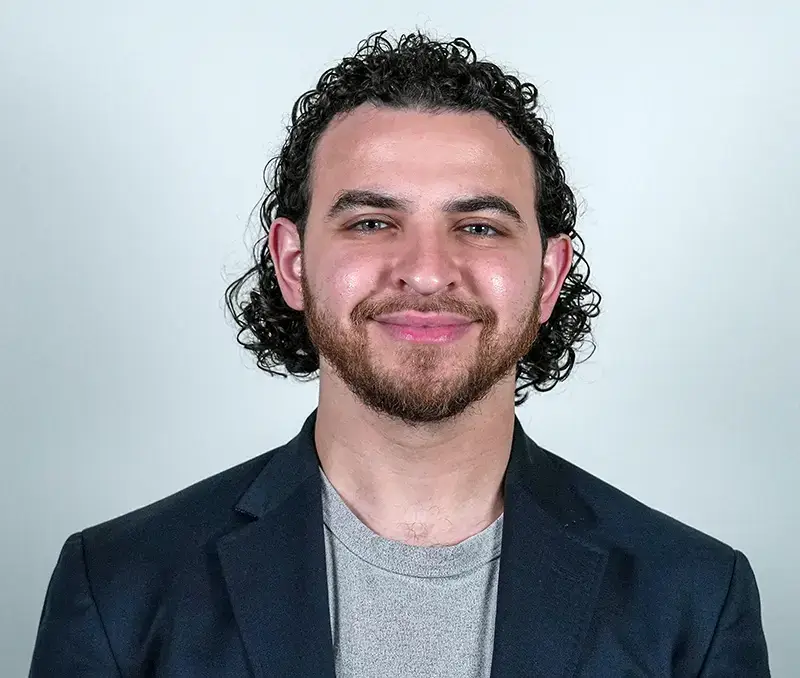
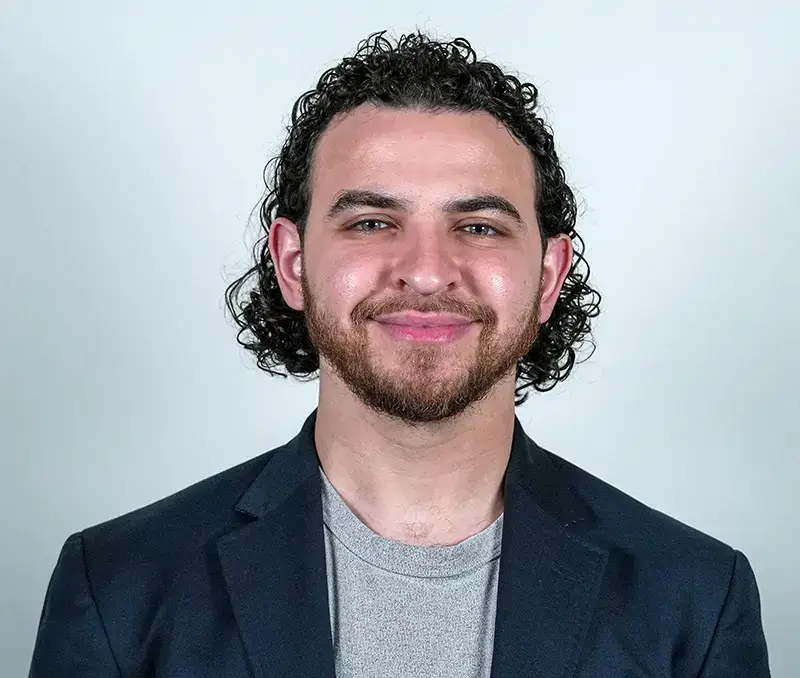
The appointment of Osama Alsaleh to the Board of Directors at CureSearch for Children’s Cancer marks a significant strategic pivot for the national non-profit, signaling an increased focus on integrating venture capital models and cutting-edge health technology into the pediatric oncology landscape. As the current Head of Partnerships at Plug and Play Health—the health-focused arm of the world’s most active venture capital firm and global innovation platform—Alsaleh brings a specialized skill set designed to bridge the gap between academic research and commercial viability. His entrance into the CureSearch leadership structure comes at a critical juncture for the organization, which has increasingly sought to accelerate the development of new therapies through its unique "Catapult" funding model, designed to move treatments from the laboratory to clinical trials more efficiently.
A Strategic Addition to the CureSearch Leadership
CureSearch for Children’s Cancer, an organization dedicated to ending childhood cancer by driving targeted, high-impact research, has historically focused on identifying the most promising pediatric cancer research and providing the funding necessary to overcome the "Valley of Death"—the gap between initial discovery and the start of clinical trials. The addition of Alsaleh is expected to bolster this mission by leveraging his deep connections within the global startup ecosystem and the healthcare investment community.
Jared Brancazio, Chair of the CureSearch Board of Directors, emphasized the importance of this multi-disciplinary approach. According to Brancazio, Alsaleh’s ability to navigate the intersection of innovation, investment, and healthcare delivery will be instrumental in expanding the organization’s reach. The board’s decision to recruit a leader from the venture capital space reflects a broader trend in the non-profit sector toward "venture philanthropy," where strategic investments and business-minded scaling are applied to humanitarian and medical challenges.
A Distinguished Career in Healthcare Innovation and Global Health
Osama Alsaleh’s professional trajectory provides a comprehensive blueprint of the modern healthcare technology landscape. His career has been defined by a consistent focus on how data, technology, and strategic partnerships can be harnessed to improve patient outcomes on a global scale.
Before his current role at Plug and Play Health, Alsaleh held several high-impact positions at Oracle Health (formerly Cerner Corporation). During his tenure at Oracle, he was instrumental in the formation and leadership of the company’s health equity team. This initiative was specifically designed to address social determinants of health (SDOH)—the non-medical factors such as socioeconomic status, environment, and education that influence health outcomes. By shaping strategies that prioritized accessibility and inclusivity in healthcare software and delivery, Alsaleh demonstrated an early commitment to ensuring that technological progress does not leave vulnerable populations behind.
His influence at Oracle extended into the philanthropic sector as well. As a member of the Oracle Charitable Foundation Clinical Decision Committee, Alsaleh played a key role in the evaluation and allocation of over $42 million in healthcare grants. This experience provided him with a unique perspective on how corporate social responsibility can be aligned with clinical needs, a perspective that is directly applicable to his new role on the CureSearch board.
Furthermore, Alsaleh’s expertise in regulatory compliance and public policy has seen him collaborate with some of the world’s most influential governing bodies. He has advised on quality reporting measures and worked alongside industry leaders on initiatives for the Centers for Medicare & Medicaid Services (CMS). His portfolio also includes contributions to the White House COVID-19 Taskforce and collaborations with the U.S. State Department, the World Bank Group, and the World Health Organization (WHO). This background in navigating complex regulatory environments is crucial for pediatric oncology, where the path to FDA approval for new drugs is often fraught with unique hurdles.
The Funding Gap in Pediatric Oncology: Supporting Data
The necessity of Alsaleh’s appointment is underscored by the current state of pediatric cancer funding and research. Despite being the leading cause of death by disease among children in the United States, pediatric cancer research remains significantly underfunded compared to adult cancers.
According to data from the National Cancer Institute (NCI), only about 4% of the federal budget for cancer research is dedicated specifically to childhood cancers. This disparity creates a heavy reliance on private philanthropy and non-profit organizations like CureSearch to fill the void. Furthermore, the pharmaceutical industry often views pediatric oncology as a "low-volume" market, which discourages the massive venture capital investments typically seen in adult oncology.
Since 1980, the FDA has approved significantly fewer drugs specifically for the treatment of childhood cancer compared to those for adults. Many children are treated with "off-label" medications—drugs originally developed and approved for adult patients—which can lead to severe long-term side effects and toxicities because a child’s developing body reacts differently than an adult’s.
Alsaleh’s mission at CureSearch involves addressing this specific economic and innovation gap. In his own words, he has observed that pediatric innovations remain "significantly underfunded and underrepresented within mainstream venture capital and innovation ecosystems." By bringing these innovations into the spotlight of his vast network of startups and investors, Alsaleh intends to attract the resources necessary to bring pediatric-specific treatments to market.
Chronology of Impact and Professional Evolution
The timeline of Alsaleh’s career reflects the evolution of the healthcare industry itself—from digitized records to data-driven equity, and finally to venture-led innovation:
- Early Career (Cerner/Oracle Health): Focused on healthcare IT and the digitization of clinical workflows. This period established his foundation in how data moves through the healthcare system.
- Expansion into Philanthropy (Oracle Charitable Foundation): Managed the distribution of $42 million in grants, learning the mechanics of how private wealth can catalyze clinical progress.
- Strategic Policy Leadership: Advised on CMS initiatives and joined the White House COVID-19 Taskforce, gaining insights into how national and global health crises are managed at the highest levels of government.
- The Health Equity Pivot: Spearheaded Oracle’s health equity team, focusing on SDOH and ensuring that healthcare technology serves diverse and underserved populations.
- Venture Capital and Global Partnerships (Plug and Play Health): Transitioned to the head of partnerships at a global accelerator, connecting healthcare institutions with the world’s most promising medical startups.
- Current Appointment (CureSearch Board of Directors): Joins the board to integrate these disparate threads—technology, equity, policy, and venture capital—to solve the specific challenges of pediatric oncology.
Official Responses and Strategic Vision
The reaction from the pediatric cancer community and the board has been one of optimism. The consensus among stakeholders is that the "business as usual" approach to funding childhood cancer research is insufficient to meet the urgent needs of patients.
"Throughout my work, I have consistently observed that innovations focused on pediatrics, particularly pediatric oncology, remain significantly underfunded," Alsaleh stated upon his appointment. "By leveraging my network across venture capital, startups, healthcare institutions, and technology companies, I aim to help attract new technologies, strategic partners, and resources that can accelerate progress toward cures for children with cancer."
This vision aligns with CureSearch’s current trajectory. The organization has moved away from broad, academic-only grants toward a model that requires researchers to have a clear path to the clinic. By bringing a venture capital expert onto the board, CureSearch is signaling to the industry that it is ready to function as a sophisticated partner for biotech companies and investors who may have previously overlooked the pediatric space.
Broader Implications and Future Outlook
The appointment of Osama Alsaleh has implications that extend beyond CureSearch. It represents a growing recognition within the medical community that the "non-profit" and "for-profit" sectors must collaborate more deeply to solve rare and orphan diseases.
For the pediatric oncology sector, this could mean a shift toward more "accelerator" programs where promising laboratory discoveries are paired with business mentors and venture funding early in the process. Alsaleh’s experience with Plug and Play Health—which has a track record of scaling thousands of startups—provides a template for how CureSearch might identify and nurture the next generation of cancer-fighting technologies.
Furthermore, Alsaleh’s background in health equity suggests that CureSearch will continue to prioritize accessibility. In the world of pediatric oncology, access to the latest clinical trials is often limited to families with the resources to travel to major metropolitan research hospitals. Technological innovations in telehealth, remote monitoring, and decentralized clinical trials—areas where Alsaleh has significant expertise—could play a major role in democratizing access to life-saving treatments.
As CureSearch enters this new chapter, the focus will be on tangible metrics: the number of new drugs entering clinical trials, the amount of private capital attracted to pediatric research, and, ultimately, the survival rates and quality of life for children diagnosed with cancer. With Osama Alsaleh on the board, the organization is better positioned than ever to navigate the complex, multi-stakeholder environment of modern medicine and turn the tide against childhood cancer.
