
 By admin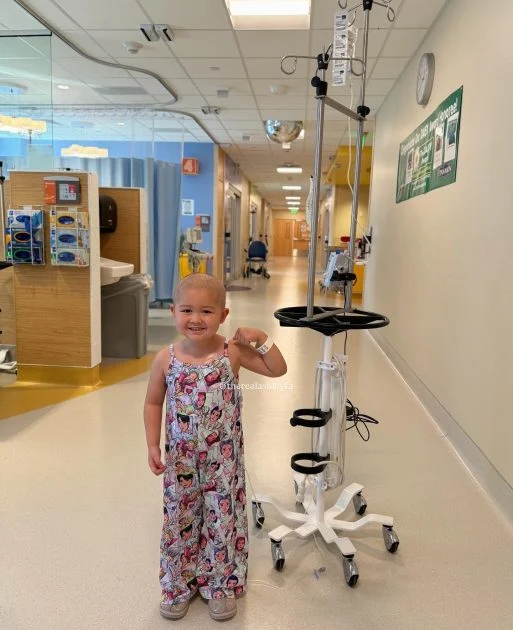
The intersection of parental intuition and clinical diagnostics has emerged as a critical focal point in pediatric oncology, highlighted by the recent appointment of four-year-old Rylee Ta as a 2026 Ambassador for the American Childhood Cancer Organization (ACCO). Rylee, who is currently undergoing treatment for Acute Lymphoblastic Leukemia (ALL), represents a growing demographic of pediatric patients whose life-saving diagnoses were precipitated by persistent parental advocacy in the face of initial medical dismissals. Her case underscores the complexities of early cancer detection in children, the psychological burden on military families during health crises, and the evolving landscape of immunotherapy in pediatric care.
The Diagnostic Odyssey and the Role of Maternal Intuition
The journey for Rylee and her mother, Ashley Ta, began with a series of non-specific symptoms that frequently mimic common childhood ailments. Over several days, Rylee exhibited a fluctuating array of symptoms including persistent fevers, chills, body aches, a swollen eye, enlarged lymph nodes, unexplained bruising, and joint pain. Despite multiple visits to urgent care facilities and emergency departments, initial clinical assessments suggested minor issues such as seasonal allergies or localized infections.
This phenomenon, often referred to in medical literature as the "diagnostic odyssey," is a common hurdle in pediatric oncology. Because childhood cancer is relatively rare compared to pediatric infections, many frontline clinicians are conditioned to look for more common etiologies first. However, the disconnect between clinical observation and parental intuition can lead to dangerous delays. Ashley Ta’s experience reflects a critical component of pediatric medicine: the value of the caregiver’s "gut feeling." Despite being told her daughter was "fine," Ashley continued to seek escalating levels of care, eventually demanding the blood work that would reveal the underlying malignancy.
On August 6, the diagnostic process reached a definitive conclusion. A complete blood count (CBC) indicated abnormalities consistent with leukemia. At 5:00 PM that day, the family received the official diagnosis of Acute Lymphoblastic Leukemia. The urgency of the situation was immediate; within hours, Rylee was transported via ambulance to a specialized facility in Denver, Colorado, to begin intensive induction therapy.
Challenges of the Military Family in Medical Crises
The diagnosis of a life-threatening illness is a traumatic event for any family, but for the Ta family, the situation was exacerbated by the logistical and emotional strains of military service. At the time of Rylee’s diagnosis and emergency transport, her father, Jacob, was deployed overseas. This separation meant that Ashley was forced to navigate the initial shock of the diagnosis, the legalities of emergency medical consent, and the relocation to Denver without the immediate physical presence of her spouse.
The experience of the Ta family highlights the unique vulnerabilities of military households. According to data from the Department of Defense and various veteran advocacy groups, the "geographical bachelorhood" or deployment cycles of active-duty members can lead to significant gaps in the domestic support system during medical emergencies. The requirement to "show up every day" while managing a "shattered heart," as described by Ashley, is a sentiment echoed by many military spouses who must maintain household stability and advocate for their children’s health while their partners serve in high-stakes environments thousands of miles away.
Clinical Progression and the Implementation of Blinatumomab
Rylee’s first week of treatment was characterized by high-intensity medical interventions designed to stabilize her condition and begin the eradication of leukemic cells. This included the surgical placement of a chemo-port, a bone marrow biopsy to confirm the subtype of ALL, and a lumbar puncture to deliver prophylactic chemotherapy directly into the spinal fluid—a necessary step to prevent the cancer from spreading to the central nervous system. Additionally, Rylee required three blood transfusions and two platelet transfusions to address the hematological deficiencies caused by both the disease and the initial aggressive treatments.
By early September, clinical assessments confirmed that Rylee had reached a state of remission. In the context of ALL, remission indicates that no leukemic cells are detectable in the bone marrow via standard microscopy, and the blood counts have returned to a safer range. However, remission is not synonymous with a cure. The standard of care for pediatric ALL involves a multi-year treatment protocol to ensure that microscopic residual disease does not lead to a relapse. Rylee’s projected treatment plan extends through October 2027.
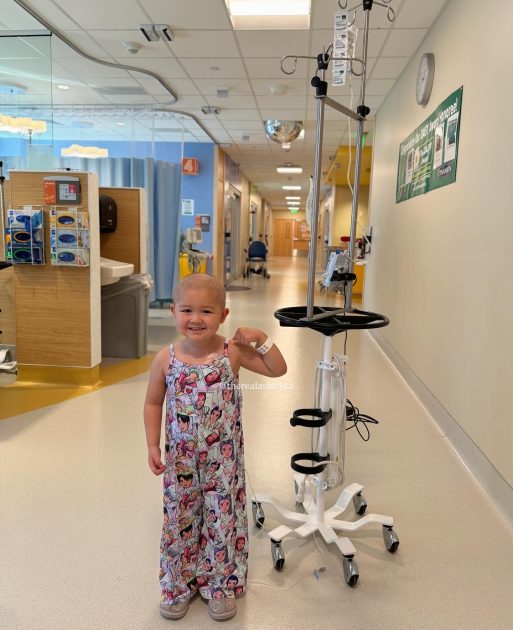
In October, Rylee transitioned to a newer form of targeted therapy: Blinatumomab (marketed as Blincyto). Blinatumomab is a bispecific T-cell engager (BiTE) antibody that works by directing the body’s own immune system (T-cells) to target and destroy B-cell precursor leukemic cells. Unlike traditional chemotherapy, which is administered in cycles with breaks in between, Blinatumomab is often delivered via a continuous intravenous infusion over 28 days. To maintain a degree of normalcy and mobility, Rylee carries her infusion pump in a specialized "superhero" backpack, allowing her to remain active while receiving the life-saving medication.
The Psychological Impact of Medical Play and ACCO Resources
A significant aspect of Rylee’s journey as an ACCO Ambassador involves her engagement with "medical play." For a four-year-old, the sterile and often painful environment of a hospital can be overwhelming. Pediatric psychologists emphasize that play is the primary language of children and a vital tool for processing trauma.
The American Childhood Cancer Organization provides "Medical Play Kits" to families, which include toy versions of medical equipment such as syringes, stethoscopes, and bandages. By allowing children like Rylee to "play doctor" and perform procedures on dolls or stuffed animals, the organization helps demystify the medical process. Rylee’s enthusiastic use of these kits—demonstrated in her "Dr. Ta" videos—serves as a case study in how therapeutic play can improve a child’s cooperation with treatment and reduce the long-term psychological impact of medical trauma.
The ACCO, as one of the oldest and largest grassroots childhood cancer organizations in the United States, focuses on providing these resources free of charge. Their mission is to bridge the gap between clinical treatment and the emotional needs of the family unit. By appointing ambassadors like Rylee, the ACCO aims to humanize the statistics surrounding pediatric cancer and provide a platform for families to share their experiences with the broader public.
Statistical Context and Broader Implications for Pediatric Oncology
Rylee’s diagnosis of ALL places her within the most common category of pediatric cancer. According to the American Cancer Society, Acute Lymphoblastic Leukemia accounts for approximately 25% of all cancers diagnosed in children under the age of 15. While the five-year survival rate for pediatric ALL has seen remarkable improvements over the last four decades—now exceeding 90% in many developed nations—the treatment remains one of the most grueling in pediatric medicine.
The broader implications of Rylee’s story involve the necessity for continued funding into less toxic treatments. Traditional chemotherapy, while effective, carries a high risk of long-term side effects, including cardiotoxicity, secondary malignancies, and cognitive impairments. The use of Blinatumomab in Rylee’s case represents the shift toward "precision medicine" and immunotherapy, which aims to achieve higher cure rates with fewer systemic side effects.
Furthermore, Rylee’s story serves as a call to action regarding medical education and diagnostic protocols. The recurring theme of parents having to "demand" tests suggests a need for better integration of parental observations into the diagnostic algorithm. When a parent presents a constellation of symptoms such as joint pain, bruising, and persistent fever, the threshold for ordering a CBC should perhaps be lower, given the potential for rapid progression in pediatric leukemias.
Conclusion and Future Outlook
As Rylee Ta continues her journey toward the 2027 completion of her treatment, her role as an ACCO Ambassador will focus on raising awareness and funds for pediatric cancer research and family support services. Her story is a testament to the resilience of children and the fierce determination of caregivers.
For the medical community, the Ta family’s experience provides valuable insights into the importance of patient-centered care and the unique needs of military families. For parents, Ashley Ta’s message remains a definitive directive: "Trust your gut." In the high-stakes world of pediatric oncology, the persistence of a parent is often the first and most vital line of defense. The integration of advanced medical technology, such as BiTE antibodies, alongside traditional support systems like the ACCO’s Medical Play Kits, creates a comprehensive framework for not only treating the disease but also preserving the childhood of the patient. Together, these elements form the foundation of modern pediatric oncology, where the goal is no longer just survival, but a return to a healthy, vibrant life.
