
 By admin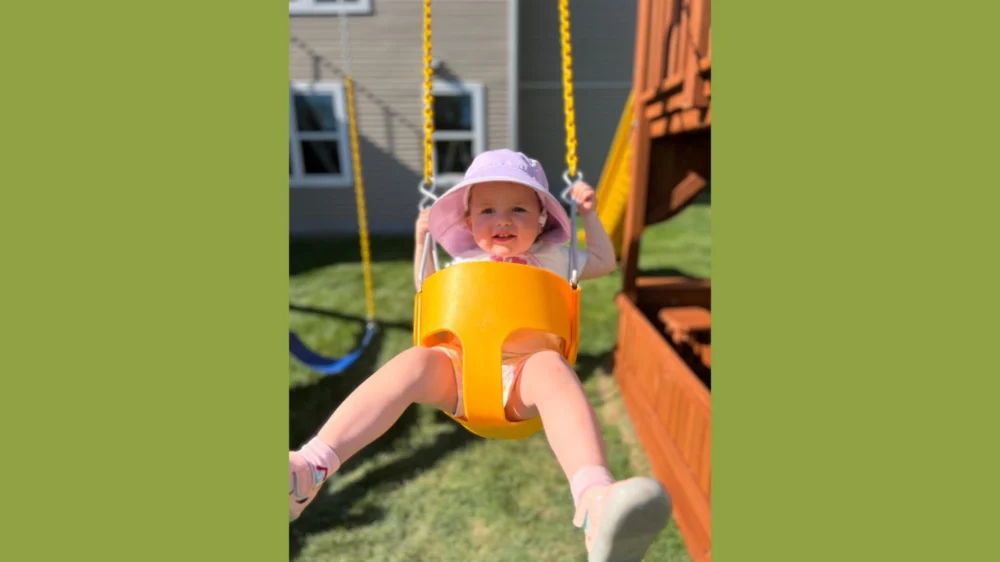
The landscape of pediatric oncology is undergoing a profound transformation, driven by a shift toward personalized medicine and a growing emphasis on the quality of life during treatment. At the center of this evolution is the story of Emma, a toddler diagnosed with an exceptionally rare and aggressive form of cancer, whose journey highlights the critical intersection of clinical innovation, community support, and a family’s refusal to wait for the "finish line" to celebrate life. For Emma’s mother, Ashley, the traditional medical protocol of "ringing the bell" only at the conclusion of treatment felt insufficient given the volatile nature of her daughter’s diagnosis. Instead, the family adopted a philosophy of "celebrating everything," ringing the bell for every minor milestone, clinical victory, and step toward recovery. This approach reflects a broader movement within the medical community to recognize that when a cure is not guaranteed, every day of stability is a triumph worth acknowledging.
The Diagnostic Crisis: From Routine Illness to the Seventh Floor
The medical journey for Emma began with symptoms that appeared deceptively common. Emma, described by her parents, Ashley and Jacob, as a "full-throttle" two-year-old, began exhibiting signs of lethargy and persistent physical discomfort. Initial clinical assessments suggested a routine viral infection or a urinary tract infection (UTI). However, when standard antibiotic treatments failed to alleviate her symptoms, the situation escalated. The family sought emergency care at Children’s Minnesota, a leading pediatric health system. It was there that the trajectory of Emma’s life shifted from the routine of childhood to the rigors of high-stakes oncology.
The transition was marked by a poignant moment in the hospital elevator. Expecting another round of diagnostics or a different antibiotic, the family was instead directed to the "seventh floor." As the doors opened, the signage for Hematology and Oncology confirmed their greatest fears. Emma was subsequently diagnosed with Acute Myeloid Leukemia (AML) with a RAM phenotype. This specific subtype is among the most challenging in pediatric hematology, characterized by its resistance to conventional therapies and a historically dismal prognosis.
Understanding AML and the RAM Phenotype: The Data of a Rare Disease
Acute Myeloid Leukemia is a cancer of the blood and bone marrow characterized by the rapid overproduction of abnormal myeloblasts (white blood cells). While pediatric AML accounts for approximately 20% of childhood leukemias, the RAM phenotype is a particularly rare and aggressive subset. First identified by researchers to describe a specific morphology and immunophenotype (often associated with the CBFA2T3-GLIS2 fusion gene), the RAM phenotype is notoriously difficult to treat.
Statistically, children diagnosed with AML-RAM face an overall survival rate of approximately 15%. This stands in stark contrast to more common forms of pediatric leukemia, such as Acute Lymphoblastic Leukemia (ALL), which now boasts survival rates exceeding 90% in some demographics. The aggressive nature of the RAM phenotype often necessitates more intensive chemotherapy regimens and early intervention with hematopoietic stem cell transplants. For Emma, the diagnosis arrived just as she was turning two years old. Her second birthday was not celebrated at home with peers, but in a hospital room, sharing cake with her lead oncologist, Dr. Megan, and the nursing staff—a stark illustration of how cancer can abruptly interrupt the milestones of early childhood.
A Paradigm Shift in Treatment: Compassionate Use and Home-Based Care
Faced with a 15% survival probability under the standard of care, Emma’s medical team and her parents opted for a non-traditional route. Standard treatment for AML typically involves multiple cycles of high-dose chemotherapy, requiring the patient to remain inpatient for months at a time to manage the inevitable side effects, such as severe immunosuppression and organ toxicity.
Instead, the team utilized "compassionate use" (also known as Expanded Access), a regulatory pathway that allows patients with life-threatening conditions to access experimental drugs outside of formal clinical trials when no comparable alternative therapy exists. This allowed Emma to access newer, targeted therapies that were less toxic than traditional cytotoxic chemotherapy.
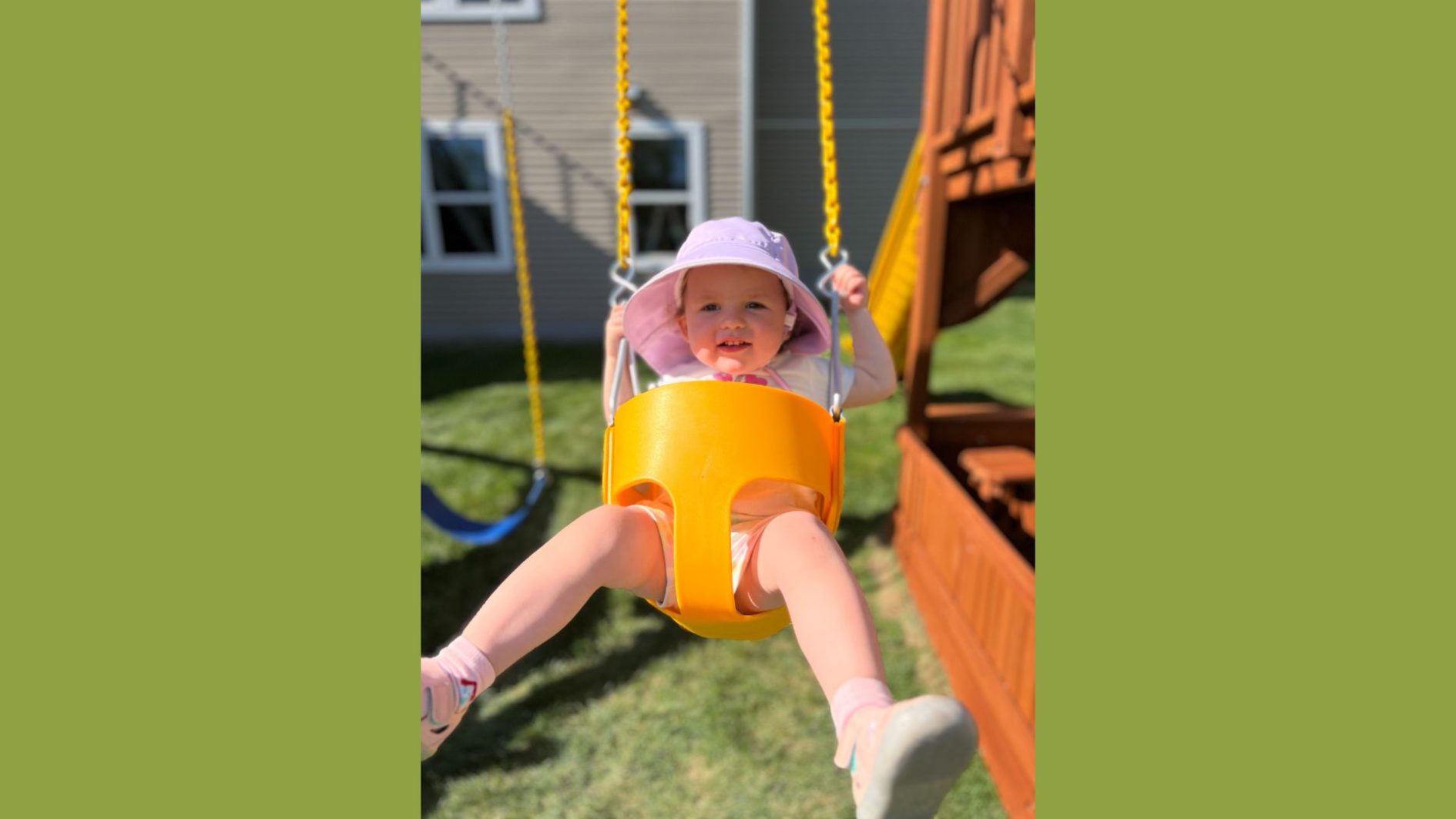
The clinical impact was significant. Because these newer drugs were less "intense" in their systemic impact, Emma was able to receive a substantial portion of her care in an outpatient setting. This shift from hospital-centric to home-centric care had profound implications for her developmental health. While other children in her position might have spent their summer confined to sterile hospital corridors, Emma was able to play on a playground with her sister, Nora, and even participate in soccer. This "quality of life" metric is increasingly viewed by oncologists as a vital component of successful treatment, as physical activity and psychological well-being can improve a patient’s resilience during the more grueling phases of therapy.
Chronology of Recovery: The Path to the 100-Day Milestone
Emma’s treatment plan was a marathon of clinical intervention. Following five months of targeted chemotherapy, her body was prepared for the most critical phase of her journey: a bone marrow transplant (BMT). A BMT is a high-risk procedure designed to replace a patient’s diseased bone marrow with healthy stem cells. The process involves "conditioning"—using high-dose chemotherapy or radiation to destroy the existing marrow—followed by the infusion of donor cells.
The timeline of Emma’s recovery serves as a roadmap for the challenges of pediatric AML:
- Diagnosis and Induction: Initiation of chemotherapy on her second birthday, focusing on reducing the leukemic blast count.
- Consolidation and Compassionate Use: Five months of treatment utilizing experimental agents to maintain remission while minimizing hospital stays.
- Transplant Phase: The intense period of bone marrow transplantation, requiring 67 nights of hospitalization to monitor for graft-versus-host disease (GVHD) and infections.
- The 100-Day Milestone: In October 2025, Emma reached 100 days post-transplant. In the world of transplant medicine, the 100-day mark is a pivotal threshold; it is the period during which the most life-threatening complications are most likely to occur. Surpassing this mark significantly improves the long-term outlook.
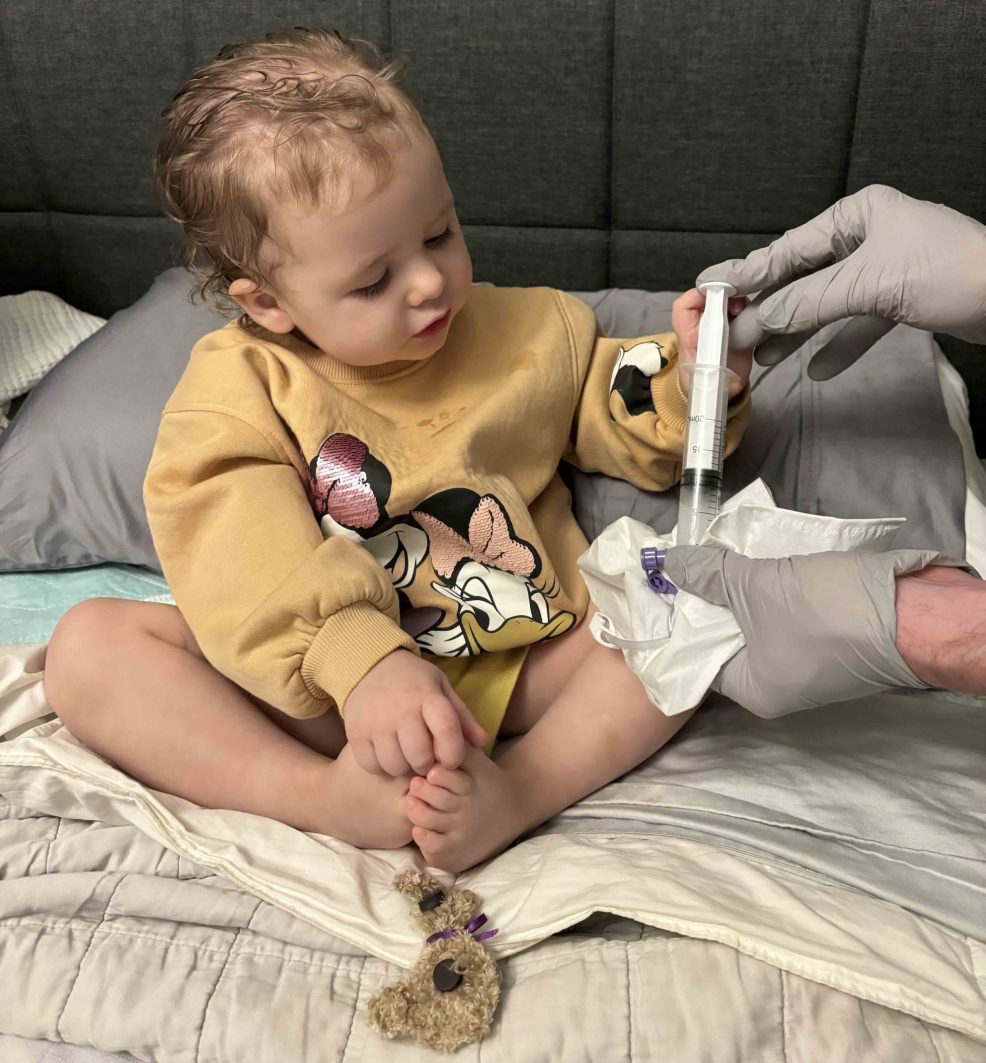
As of late 2025, Emma has completed eight months of active treatment. While she is no longer inpatient, her journey continues with a two-year maintenance phase involving frequent follow-ups and a regimen of medications that still requires meticulous management via a large whiteboard in the family’s kitchen.
Community Integration and the "Childhood Interwoven" Effect
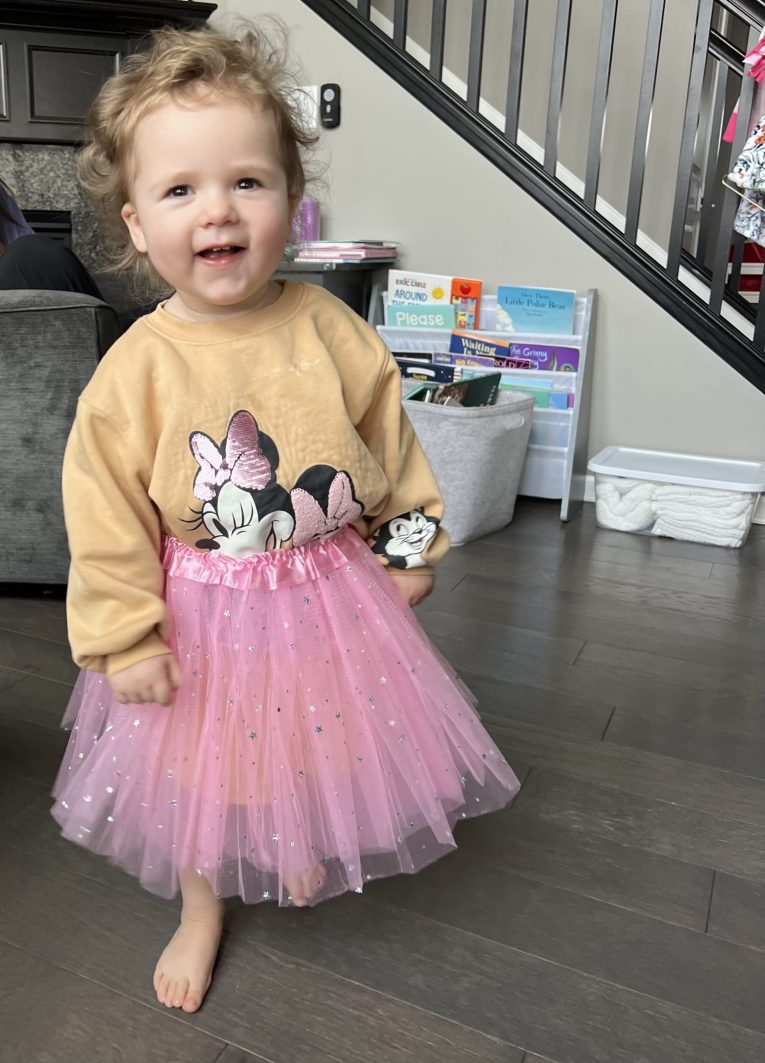
One of the most complex aspects of pediatric cancer is the psychological integration of the disease into the child’s identity. For Emma, who has spent a significant portion of her conscious life in clinical settings, the hospital is not a place of fear, but a familiar environment. Her "comfort items" include hospital-issued socks, and her favorite toy is named after a therapy dog, Asha, from Children’s Minnesota.
The social support structure surrounding the family played a vital role in maintaining a sense of normalcy. This support manifested in several ways:
- Nonprofit Intervention: The organization "Wishes and More" installed a swing set in the family’s backyard, providing a safe space for physical activity.
- Community "Craft Trains": Local mothers organized a rotating schedule of craft kit deliveries, ensuring that Emma and her sister had constant cognitive stimulation and bonding opportunities.
- Family Support: The role of extended family was crucial, evidenced by small but significant gestures, such as a homemade loaf of sourdough from Emma’s uncle that encouraged her to resume eating solid food during a difficult recovery week.
These elements of "social oncology" are increasingly recognized as essential for the long-term mental health of both the patient and the siblings, who often experience "secondary trauma" during a brother or sister’s illness.
Analysis of Implications: The Power of Collaborative Research
Emma’s story is more than a personal victory; it is a data point in the argument for increased funding and collaborative research in rare pediatric cancers. Because Emma had access to research-driven experimental drugs, her survival probability increased from the baseline of 15% to nearly 50%. While a 50% chance remains a harrowing reality for any parent, it represents a tripling of the odds—a direct result of scientific advancement.
The need for a coordinated effort led to the creation of the Pediatric AML Collaborative at the Children’s Cancer Research Fund (CCRF). This national coalition brings together families, clinicians, and researchers to create a unified scientific strategy. Historically, research into rare subtypes like AML-RAM has been fragmented, with small patient populations making it difficult to conduct large-scale clinical trials. By unifying resources, the Collaborative aims to:
- Accelerate Drug Discovery: Moving promising compounds from the lab to the clinic more quickly through shared data.
- Standardize Treatment Protocols: Ensuring that a child in a rural area has access to the same cutting-edge "compassionate use" drugs as a child at a major urban research hospital.
- Fund Rare Phenotype Studies: Specifically targeting the genetic drivers of high-risk AML to move toward a 100% cure rate.
Conclusion: Laying the Road for the Future
Ashley’s mission to share Emma’s story is rooted in a desire to provide a "hopeful Google search" for the next family facing a similar diagnosis. The "celebrate everything" motto serves as a reminder that in the face of aggressive disease, the metric of success must include the joy found in the present moment.
As Emma continues her maintenance treatment, the focus remains on "laying down enough road" in front of her to outpace the cancer. The momentum generated by her case and the work of the Pediatric AML Collaborative suggests a future where the "seventh floor" is no longer a place of despair, but a place where innovative science meets the indomitable spirit of childhood. For Emma, that future includes trips to the apple orchard, playing with her sister, and a chorus of bells ringing for every step taken in the right direction. The battle against rare leukemia is far from over, but for the first time in history, the odds are beginning to shift in favor of the children.
